.jpg)
Mexico City
Mexico, Central America and the Caribbean · Mexico
Did you know?
- Pulquerías serve pulque, a fermented agave drink.
- Arena México hosts lucha libre wrestling.
- The capital stands on the ruins of Tenochtitlan.
See also
Tepoztlan
Mexico18.98°N 99.10°W · 1,480 m
Overview
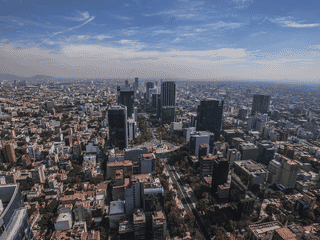
Mexico City layers the remains of Tenochtitlan with the heritage of New Spain. Its mountain-ringed valley setting frames a capital rich in cultural landmarks.
Languages: Spanish
Why go?
Mexico City is North America's largest city and the world's largest Spanish-speaking city, with 9.2 million inhabitants in the city proper. It is built on the ruins of the Aztec capital Tenochtitlan, and later became the capital of New Spain. The city is a financial and cultural center, with three World Heritage Sites: the Centro Histórico, the Luis Barragán house, and UNAM campus. The metropolitan area has 22 million people. The city sits at 2,230 m elevation in the Valley of Mexico, surrounded by mountains and volcanoes.
Adapted from Wikivoyage contributors · CC BY-SA 4.0
Getting in
Mexico City is served by Benito Juarez International Airport (AICM) and nearby Felipe Ángeles and Toluca airports. Long-distance buses arrive at four main terminals: Norte (north), Poniente (west), Sur (south), and Oriente (TAPO, east), each serving different regions of the country. There is also a commuter train (Ferrocarril Suburbano) from Buenavista station.
Adapted from Wikivoyage contributors · CC BY-SA 4.0
Get around
The city operates the Metro and Metrobús bus rapid transit systems, which are cheap and reliable but can be very crowded during rush hour. There are also peseros and combis (private minibuses), taxis, and ride-hailing services. Metro fare is cheap (around M$5). Ecobici bike-sharing is available in central areas with 444 stations.
Adapted from Wikivoyage contributors · CC BY-SA 4.0
When to go
Mexico City has a temperate climate with five seasons. Spring is mild and sunny, summer warm and humid, monsoon from June to September with afternoon rains. Autumn and winter mornings are cold but skies are clear. Temperatures range from 0°C in winter mornings to 32°C in spring midday. Major festivals include Independence Day (Sep 15-16), Day of the Dead (Nov 1-2), and Art Week in February.
Adapted from Wikivoyage contributors · CC BY-SA 4.0
Where to stay
The city has over 3,000 hotels in all price ranges. Budget accommodations are concentrated in the Centro Histórico, with hostels like Hostel Mexico City and Casa de los Amigos. Mid-range options are in Zona Rosa and along Paseo de la Reforma. Splurge hotels are in Polanco and Chapultepec. Boutique hotels are found in Condesa, Roma, and Polanco.
Adapted from Wikivoyage contributors · CC BY-SA 4.0
Food and drink
You can find almost any kind of food. Budget travelers can eat at comida corrida restaurants for M$70-110 (March 2022). Street stands serve tacos and tortas cheaply. Popular areas include Polanco, Condesa, Roma, Centro, and Zona Rosa. Markets like Mercado La Merced and Mercado San Juan offer authentic food. For drinks, cantinas serve free food with drinks, pulquerías offer fermented agave drink pulque. Nightlife is huge with clubs, bars, and lounges.
Adapted from Wikivoyage contributors · CC BY-SA 4.0
Things to do
Mexico City has numerous museums: National Museum of Anthropology, Frida Kahlo Museum, Museo Soumaya, and many more. Historic sites include the Zócalo, Metropolitan Cathedral, Templo Mayor, and Chapultepec Castle. For entertainment, see lucha libre at Arena México, watch a soccer match at Estadio Azteca, or visit Six Flags Mexico. Cultural events include the Alebrijes Parade in October and Day of the Dead celebrations.
Adapted from Wikivoyage contributors · CC BY-SA 4.0
Stay safe
Travel in Mexico City is generally safe, especially in tourist areas. Be vigilant in the north of Centro Histórico around Garibaldi Square at night. Emergency number is 911. Use official taxis or ride-hailing apps at night. The city has a detailed crime map available online.
Adapted from Wikivoyage contributors · CC BY-SA 4.0
Budget
A budget traveler can get by on around M$500-800 per day, including dorm accommodation (M$200-400), comida corrida meals (M$70-110 each), metro rides (M$5), and some attractions. Street food and markets are the cheapest options.
Adapted from Wikivoyage contributors · CC BY-SA 4.0
Day trips
Several World Heritage Sites can be visited as day trips from Mexico City, including the ancient city of Teotihuacán, the colonial town of Puebla, and the floating gardens of Xochimilco.
Adapted from Wikivoyage contributors · CC BY-SA 4.0
Etiquette
Locals rarely wear shorts; avoid wearing them to not stand out as a tourist. Some churches may deny entry if you are wearing shorts. When approached by street vendors, it is not considered rude to ignore them if not interested. Police types include Policia (regular), Policia Auxiliar (blue uniform), and Policia de Transito (yellow hat).
Adapted from Wikivoyage contributors · CC BY-SA 4.0
Learn
Mexico City has the largest concentration of universities in the country, including UNAM (the second oldest in the Americas), Instituto Politécnico Nacional, and several private universities. UNAM's main campus in Coyoacán is a World Heritage Site.
Adapted from Wikivoyage contributors · CC BY-SA 4.0
Work
Mexico has strict immigration laws for working. A permit (FM2 or FM3) is hard to obtain unless marrying a Mexican citizen or working for a multinational. Foreigners often work as language teachers, waiters, or own businesses without permits, which risks fines or deportation.
Adapted from Wikivoyage contributors · CC BY-SA 4.0
Field guide adapted from Wikivoyage contributors · CC BY-SA 4.0. Text has been adapted and organized for this guide. About our sources.
Places to know
A few starting points from the guide. Check current hours and prices before you go.
- do
Alebrijes Parade
Alebrijes are brightly colored fanciful animal figures that are one of Mexico's most iconic pop art genres. Each year, enormous Alebrijes floats are created and a parade is held along Paseo de la Reforma and then on to the Zocalo. Pink polka-dotted pigs, Purple-winged dragons, orange dogs with spiked haircuts...these and more will march in the parade. After the parade, the giant Alebrijes will be placed in plazas and public spaces along Avenida Reforma for a 3-4 week period when the public can get up close to take their Instagram-ready selfies.
Adapted from Wikivoyage contributors
- buy
Altavista
Upscale shopping street.
Adapted from Wikivoyage contributors
- do
Arena CDMX
Opened in February 2012, with a full capacity of 22,300, Arena CDMX hosts several indoor sporting events and a wide range of popular music events, it is the home for annual NBA regular-season games played in Mexico, and also hosts home games of Capitanes de la Ciudad de México, the country'e representative in the NBA's minor league, the NBA G League. The venue hosts several concerts, shows, festivals, and expos.
Adapted from Wikivoyage contributors
- do
Arena Ciudad de México
Adapted from Wikivoyage contributors
- do
Arena Coliseo
Another famous venue for Lucha Libre and boxing. In the Centro Histórico.
Adapted from Wikivoyage contributors
- do
Arena México
The most famous venue for lucha libre. You can enter through Avenida Chapultepec. It's very close to Zona Rosa and Avenida Insurgentes.
Adapted from Wikivoyage contributors
- do
Art Week
Each year in February, the world of contemporary art focuses on Mexico City's Art Week when parties, celebrations, special gallery exhibitions and myriad galas take place throughout the city. The event takes place at the same time as two other major art events, ZsONA MACO, and Feria Material as well as numerous other events at galleries and museums throughout the city.
Adapted from Wikivoyage contributors
- do
Auditorio Nacional
Adapted from Wikivoyage contributors
Before you go
Accommodation
Budget hostels in Centro Histórico. Mid-range in Zona Rosa. Splurge in Polanco.
Connectivity
Free Wi-Fi in many cafes and public spaces; prepaid SIMs at airport or stores.
Culture
Respect local customs; avoid shorts in churches. Spanish helpful.
Health
Altitude may cause shortness of breath; drink bottled water.
Language
Spanish is primary. English spoken in tourist areas and by business people.
Local transport
Metro runs 5am-midnight; Metrobús 24h on some lines.
Money
Budget meals (comida corrida) cost M$70-110. Metro fare is about M$5. Daily budget around M$500-800.
Safety
Generally safe in tourist areas. Avoid north Centro at night. Emergency number: 911.
Transport
Metro, Metrobús, peseros, taxis, and ride-hailing cheap. Ecobici bike-sharing available.
Visa context
Visa rules depend on passport; check current entry rules before booking.
Weather
Temperate. Rainy June-Sep. Cold mornings in winter. High altitude (2,230 m) may cause breathing difficulties.