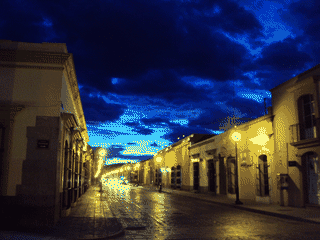

Oaxaca
Mexico, Central America and the Caribbean · Mexico
Did you know?
- The Vida Nueva women's cooperative practices weaving in Teotitlán del Valle.
- A former convent at Santo Domingo houses a regional cultures museum.
- Mole sauces include chichilo, coloradito and negro.
See also
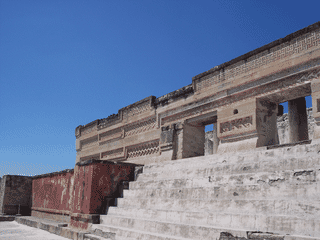

Mitla
Mexico16.92°N 96.36°W
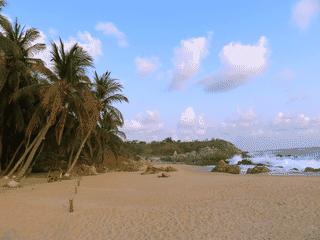

Puerto Escondido
Mexico15.87°N 97.07°W · 60 m
Overview
Oaxaca is a colorful southern Mexican capital with deep indigenous heritage. Mole sauces and mezcal are central to its culinary appeal.
Languages: Spanish
Why Go
Oaxaca is a colorful, culturally-rich capital city in southern Mexico renowned for its extraordinary culinary traditions, including the famous seven moles, mezcal, and rich indigenous heritage. The colonial city center and nearby Monte Albán ruins form a UNESCO World Heritage site, while the city hosts spectacular festivals like Guelaguetza and Día de Muertos. With 77% of local employment tourism-related, the city is exceptionally tourist-friendly, safe, and walkable compared to other historic Mexican cities.
Adapted from Wikivoyage contributors · CC BY-SA 4.0
Getting In
Xoxocotlán International Airport (OAX) handles flights from Mexico City, Houston (IAH), Dallas/Fort Worth (DFW), Los Angeles (LAX), and Guatemala City via various airlines including AeroMexico, United, American, and Volaris. Transportacion Terrestre Aeropuerto offers shuttle service with pickup from your accommodation, best booked one day ahead. First Class Bus Station on Calz Niños Héroes de Chapultepec provides excellent bus service to destinations across Mexico, with tickets available online or at the station.
Adapted from Wikivoyage contributors · CC BY-SA 4.0
Getting Around
The central tourist-oriented part of town is well signposted and easily walkable by foot. Taxis are plentiful and buses are numerous and cheap. BinniBus (M$8, M$4 for students/seniors) operates about 18 routes around the city from approximately 06:30-22:00, with many routes passing through or along the edges of Centro. Free city maps are available from information booths including one right outside the cathedral.
Adapted from Wikivoyage contributors · CC BY-SA 4.0
When to Go
The dry season from November to April sees very little rain with nighttime temperatures around 10°C but daytime highs averaging 27°C even in December. The rainy season from May to October brings 16-17 days of rain per month but somewhat cooler daytime temperatures. March to May are the hottest months with temperatures reportedly reaching 34°C. Key festivals include Guelaguetza in July (Mondays after July 16) and Día de Muertos from October 31 to November 2. Hotels fill up during national holidays and religious festivals, especially Día de Muertos.
Adapted from Wikivoyage contributors · CC BY-SA 4.0
Where to Stay
Budget accommodation ranges from M$200-450 for dorms at hostels like Casa Angel Youth Hostel and Hostal Central, with private rooms starting around M$390. Mid-range options include Casa Arnel (M$450-800) and Hotel Las Mariposas (M$605+). Some areas near the center are busier with more noise, while others may be a bit of a walk from desired destinations. Rates increase significantly during winter high season and national holidays.
Adapted from Wikivoyage contributors · CC BY-SA 4.0
Food and Drink
Oaxaca is considered to have the most fascinating and delicious regional cuisine in Mexico, with corn as the staple food accompanied by corn tortillas called blandas. The city is famous for mole sauces including manchamanteles, chichilo, amarillo, rojo, verde, coloradito, and negro. Street food staples include tlayudas, memelas, chapulines (grasshoppers), and tlayudas. Mercado 20 de Noviembre and Mercado Benito Juarez are major food destinations. Restaurants range from comida corrida at M$70-85 to fine dining at Casa Oaxaca El Restaurante (5-course tasting menu US$32). The city is also famous for mezcal and hot chocolate, with a thriving coffee industry.
Adapted from Wikivoyage contributors · CC BY-SA 4.0
Things to Do
Major attractions include the Zócalo (Plaza de la Constitución), Catedral Metropolitana (1533), and Templo de Santo Domingo (1570-1608, free entry). Museums include Museo de las Culturas de Oaxaca in the Convent of Santo Domingo (M$210), Museo Textil de Oaxaca (free), and Museo de Arte Contemporáneo de Oaxaca MACO (M$20). The Jardín Etnobotánico offers guided botanical tours (Spanish tours $50, English tours $100). Nearby day trips include Monte Albán archaeological site, Mitla, the Árbol del Tule (12km east, M$20 entrance), Teotitlán del Valle weaving village, and Santiago Matatlán mezcal capital.
Adapted from Wikivoyage contributors · CC BY-SA 4.0
Stay Safe
Oaxaca is a safe city by Mexican standards, though robberies are not unheard of, particularly after midnight. Some streets leading out of the Centro Histórico become quite dark at night, and the area between Centro and Cerro de Fortin has a bad reputation. Pickpockets are common in the Mercado de Abastos. During the 2006 popular uprising there was some anti-tourist sentiment, and some anti-Gringo graffiti remains visible, but face-to-face hostility is not typical.
Adapted from Wikivoyage contributors · CC BY-SA 4.0
Connectivity
Oaxaca has good 4G and LTE connectivity throughout the city. Tourists typically acquire a SIM card from Telcel, the largest Mexican carrier, with several Telcel locations within the city center. Many restaurants and hotels offer Wi-Fi. Café Kioo (409-D Garcia Vigil) and Café Los Cuiles (Labastida 115) are cafes with Wi-Fi and electrical outlets.
Adapted from Wikivoyage contributors · CC BY-SA 4.0
Budget
Budget travelers can expect to spend approximately M$500-800 per day including accommodation (M$200-450 dorms), street food meals (M$30-80), local transportation (M$8-25 bus/taxi), and attractions. Comida corrida at local restaurants runs M$70-85. Museums are often free or under M$50. Budget accommodation fills quickly during high season, especially around Día de Muertos.
Adapted from Wikivoyage contributors · CC BY-SA 4.0
Day Trips
The Árbol del Tule is 12km east with M$20 entrance fee and M$25 colectivo transport. Teotitlán del Valle (30km east, 40 minutes) is famous for weaving with Vida Nueva women's cooperative. Tlacolula Market operates Sundays until 16:00, one of the oldest markets in Mesoamerica. Yagul ruins are 2km east of Tlacolula (M$90). Santiago Matatlán, 50km southeast on Highway 90, is the self-proclaimed World Capital of Mezcal with many fábricas to visit. Mitla is 55km east, an important Zapotec religious center. Hierve el Agua natural springs are a two-hour drive away ($50 plus $20 road fee).
Adapted from Wikivoyage contributors · CC BY-SA 4.0
Etiquette
Oaxaca is a conservative Catholic city with significant indigenous influence. Dress modestly when visiting churches and religious sites. During Guelaguetza, the festival honors traditional practices of various indigenous cultures. Día de Muertos involves candle-lit cemeteries and festive celebrations with costumes and face paint. Photography is generally welcome but ask permission in rural villages. Tipping is appreciated but not mandatory.
Adapted from Wikivoyage contributors · CC BY-SA 4.0
Go Next
From Oaxaca, direct bus service connects to Mexico City (5-6 hours), Puerto Escondido (coastal route), and other destinations. First Class Bus Station offers excellent service to major cities. For coastal beaches, Puerto Escondido is a popular destination. The Sierra Norte mountain villages offer ecotourism opportunities, with Llano Grande being 70km northeast (about 2 hours).
Adapted from Wikivoyage contributors · CC BY-SA 4.0
Field guide adapted from Wikivoyage contributors · CC BY-SA 4.0. Text has been adapted and organized for this guide. About our sources.
Places to know
A few starting points from the guide. Check current hours and prices before you go.
- eat
Barbacoa Obispo Cocina Real
Comfortable outdoor dining room serving authentic Mixtec barbacoa that's at once familiar yet unique in its traditional flavor profile. Order the "paquetes". Awarded a star in the 2025 Michelin Guide, yet the food is affordably priced and served in an everyday humble style, making it an outstanding value for the cash-strapped gourmet.
Recorded price: M$300
Adapted from Wikivoyage contributors
- eat
Basílica de la Soledad Plaza
The plaza in front of this church is filled with stores selling nieves (snows), frozen sorbets flavored with any number of fruits. The most classic flavoring is tuna, the fruit of the prickly pear cactus.
Adapted from Wikivoyage contributors
- eat
Boulenc
Should you tire of the traditional Oaxacan fare and desire something more familiar, this is the place to go.
Adapted from Wikivoyage contributors
- eat
Cabuche
A pleasant little restaurant with fresh-tasting Oaxacan cuisine and an understanding of vegetarian/vegan requirements.
Adapted from Wikivoyage contributors
- eat
Casa Oaxaca El Restaurante
If you're looking to splurge on a meal that you won't be able to find in other restaurants in Oaxaca, Casa Oaxaca fits the bill. Ask for a rooftop table and enjoy the 5-course tasting menu for US$32/person. Treat yourself to corn mushroom soup, fresh fish with tomato marmalade and succulent sorbets. The wine list is decent with some excellent Spanish wines and good local options. There is another Casa Oaxaca restaurant, in the same location as Casa Oaxaca Hotel.
Adapted from Wikivoyage contributors
- eat
Casa Oaxaca Reforma
Traditional Oaxacan cuisine by chef Alejandro Ruiz Olmedo of Casa Oaxaca El Restaurante, but at slightly more affordable prices.
Adapted from Wikivoyage contributors
- eat
Comala
Serves a good selection of Oaxacan fare, and international favorites including burgers and sandwiches. Has a good comida corrida.
Recorded price: M$80 (comida corrida), M$85-120 mains
Adapted from Wikivoyage contributors
- eat
Itanoní
Non-GMO corn-based quesadillas, tacos and tamales are prepared fresh to order on an open comal.
Adapted from Wikivoyage contributors
Before you go
Accommodation
Budget hostels M$200-450 for dorms. Private rooms start M$390. Book ahead during high season, especially Día de Muertos and Guelaguetza.
Connectivity
Good 4G/LTE coverage from Telcel. SIM cards available at Telcel locations in city center. Wi-Fi common in hotels and restaurants.
Culture
Rich indigenous heritage with Zapotec and Mixtec influences. Guelaguetza festival in July celebrates diverse cultures. Día de Muertos October 31-November 2 is spectacular.
Food
Oaxaca is famous for mole sauces, mezcal, and traditional cuisine. Street markets offer tlayudas, memelas, and chapulines. Budget meals run M$30-80.
Health
Do not drink tap water. Bottled water is inexpensive and widely available. Street food is delicious but risky; consider Immodium/loperimide from local pharmacies.
Money
Mexican Peso (M$) is the local currency. ATMs are widely available. ScotiaBank at Independencia 801 reportedly has favorable exchange rates. Budget travelers should expect M$500-800 daily.
Safety
Generally safe by Mexican standards. Avoid dark streets after midnight, particularly near Centro edges. Watch for pickpockets in large markets like Mercado de Abastos.
Transport
Walkable city center. Taxis plentiful and cheap. BinniBus municipal service M$8 (M$4 students/seniors). Free maps at tourist booths.
Visa
Most visitors from US, Canada, EU, and many other countries receive 180 days upon arrival. Check current requirements before travel.
Weather
Dry season November-April is best for sightseeing. Rainy season May-October brings afternoon showers. March-May are hottest (up to 34°C). Always wear sunscreen due to altitude.