Overview
Mexicali's Chinese-Mexican cooking gives this border city a distinctive food scene. Roast duck and suckling pig feature on menus alongside modern interpretations of Chinese classics.
Food · Museums · Nightlife
Did you know?
- Calexico, California, sits directly across the international border.
- Sol del Niño is an interactive museum devoted to science and technology.
- The city serves as the capital of Baja California.
Why Go?
Mexicali sits directly across the border from Calexico, California, making it a convenient day trip or weekend destination for travelers seeking Mexican culture without the crowds of more tourist-heavy cities. The city is renowned for its unique Chinese-Mexican fusion cuisine—considered among the best in Mexico—alongside traditional carne asada and a thriving craft beer scene. Unlike Tijuana or Ciudad Juárez, Mexicali has largely avoided the worst of the border violence, remaining one of the safer large Mexican border cities while offering modern amenities, a sizable middle class, and a cosmopolitan atmosphere with significant Asian and American expat communities.
Understand
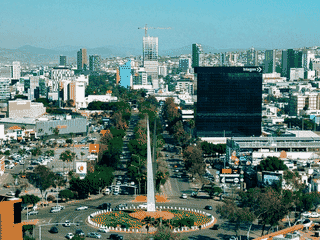
Mexicali is the capital of Baja California with a municipality population of about 1.1 million (2020), roughly 800,000 in the city proper. The city grew from a small border settlement into a modern industrial hub with one of Mexico's highest standards of living and strong investment in education. Locals are called "cachanillas" after the Pluchea sericea shrub endemic to the region. The city is nicknamed "the city that captured the sun" due to its extreme desert heat. Mexicali is notably cosmopolitan, home to significant Chinese, American, European, and South American communities alongside native Mexican Indians. While primarily a business and industry town, it has developed a reputation for hospitality and tourism.
Getting In
Mexicali's International Airport (IATA: MXL) is located 20 km east of the city and offers daily commercial flights from major Mexican cities including Mexico City, Guadalajara, and Tijuana. The main land border crossing is directly into Calexico, California, accessible via Avenue Circunvalación萨尔瓦多·蒙特西诺斯. For those driving from the US, Highway 2 connects west to Tijuana (via Tecate) and east toward Nogales, while Highway 5 runs south to San Felipe on the Sea of Cortez. US dollars are widely accepted throughout the city despite the Mexican peso (M$) being the legal currency.
Getting Around
Local transportation in Mexicali includes buses and peseras (shared vans) that cover most areas of the city. Taxi services are readily available, and ride-hailing apps work in the city. The main avenue network radiates from the downtown area near the border crossing, with Boulevard Benito Juárez and Avenue Reforma as major thoroughfares. Driving is on the right side, and speed limits are posted in kilometers per hour (not miles).
When to Go
The best time to visit Mexicali is during winter months (November through March) when temperatures are pleasantly mild, ranging from 7.5°C to 25.7°C (45°F to 78°F). Summer months are brutally hot, with average highs of 38°C to 43°C (101°F to 108°F) from May through September, and record temperatures can exceed 50°C (122°F). Rainfall is scarce year-round, making it a year-round dry desert climate. Spring and fall offer moderate temperatures but can still be warm. Travelers should book accommodations in advance during major Mexican holidays.
Where to Stay
Mexicali offers accommodations across all budgets. Mid-range hotels like Hotel Cosmos Don Carlos (M$ 781) and Calafia Hotel (M$ 999) feature pools and restaurants. The Araiza Hotel and Convention Center (M$ 1178) represents the upscale tier with full amenities including pool, hot tub, and gym. Budget options include motel-style establishments near the highway. Hotel Del Norte sits just 70 meters from the border crossing for those with early border crossings. The city center (Zona Centro) near the cathedral offers the most walkable location for sightseeing, while areas like San Pedro and Villa Fontana cater to business travelers.
Food and Drink
Mexicali's food scene is uniquely diverse, most famous for its Chinese-Mexican fusion cuisine considered the best in Mexico and on par with San Francisco's Chinatown. Restaurants like Dragon (Boulevard Benito Juárez 1830) serve suckling pig and roast duck, while China House (Calzada Justo Sierra 1001) offers modern takes on classics. For traditional Mexican, try Fonda de Mexicali inside Hotel Araiza for buffet-style regional dishes, or Los Arcos for franchised seafood. Street food highlights include El Taquito de Oro for tacos and Centro de Abasto for market eats. The city also has a strong craft beer tradition with small breweries offering unique varieties. International chains including Starbucks, McDonald's, KFC, and Burger King are present.
Things to Do
Attractions include the Cathedral of Our Lady of Guadalupe (José María Morelos 192), Mexicali's oldest cathedral, and Centro Cívico, home to the state legislature and city hall with free tours available. For families, the Museo Interactivo Sol del Niño offers interactive science and technology exhibits. Nature attractions include Bosque y Zoologico de la Ciudad (the city zoo and park), Parque Vicente Guerrero with its lake, and the Juventud 2000 Sport Center. The Museo Wok (25 pesos, closed Mondays) explores the Chinese community's history. Active options include bullfights at Plaza de Toros Calafia, bowling at Bol Bol Boliche, and sand dune activities south of the city.
Nightlife
Nightlife centers around the intersection of México and Reforma near the main cathedral. La Conga features live norteño bands playing narcocorridos, while Miau Miau offers table dancing. The city has a variety of bars and clubs catering to different tastes, with the craft beer scene offering alternatives to mainstream options.
Buy
Major shopping centers include Plaza la Cachanilla with boutiques, jewelry stores, Chinese-themed shops, and department stores like Coppel and Sears. Plaza Nuevo Mexicali offers clothing and furnishings, while Plaza Fiesta features restaurants and the flagship Sanborns. ABSA (Bulevar Mateos near Avenida Benito Juárez) is a Chinese grocery store with imported goods. The city hosts all major national chains including Soriana, Bodega Aurrera, and Wal-Mart (three locations), plus Costco, Home Depot, and OfficeMax.
Safety
Mexicali remains safer than other large Mexican border cities like Tijuana and Ciudad Juárez, though travelers should exercise standard precautions. Avoid giving money to beggars, don't buy items from street vendors of uncertain origin, and never purchase illegal drugs. Do not attempt to bribe police officers—doing so can result in imprisonment. Speed limits are in kilometers; driving as if they were miles will result in citations. Driving while using a cell phone without hands-free equipment is illegal in Baja California and will be ticketed. Carry ID at all times. In the unlikely event of an earthquake, duck and cover under sturdy furniture and stay away from windows. In case of any emergency, dial 911.
Connectivity
Mexico's country code is +52, with Mexicali's area code being 686. Phone numbers have 7 digits (XXX-XX-XX format), and cellular numbers are dialed using access code 044 followed by the area code and number (044-686-XXX-XXXX). Mobile carriers work if they have roaming agreements with Telcel, Illusacel, Telefonica (Movistar), or Nextel. Near the international border, US carriers like Verizon, AT&T, Sprint, and T-Mobile often work. Most hotels (especially high-end) and all shopping malls offer high-speed WiFi. Coffee shops and university campuses also provide hotspots.
Budget
Mexicali is significantly cheaper than cities across the border in California. Budget travelers can eat well for 150-300 pesos per day on street food and local restaurants. Mid-range meals run 200-500 pesos. Accommodation ranges from 400-800 pesos for budget motels to 800-1200 pesos for mid-range hotels with amenities. Local bus fare is inexpensive, while taxi rides within the city typically cost 50-150 pesos. Attractions like Museo Wok charge 25 pesos entry.
Day Trips
Guadalupe Canyon Hot Springs offers primitive hot baths fed by natural springs, located 48 km (30 miles) down a rough dirt road, 32 km (20 miles) west of town on the road toward Tijuana. The area features petroglyphs in nearby canyons accessible by foot and is popular with locals. San Felipe is 172 km (120 miles) south on Highway 5, a beach town on the Sea of Cortez popular for seafood and water activities. The Sierra de Juárez mountains offer hiking and the "Trono Blanco," Mexico's highest monolith.
Go Next
West on Highway 2 leads to Tijuana (via Tecate), one of Mexico's most visited border cities with vibrant nightlife and craft beer scene. East on Highway 2 toward Nogales takes you through Sonoran desert toward Hermosillo. South on Highway 5, San Felipe offers Sea of Cortez beaches and seafood. Ensenada is accessible via Highway 3, a scenic route through wine country and the Guadalupe Valley.
Guide text adapted from Wikivoyage contributors under CC BY-SA 4.0.
Where to start
Eat
Cenaduria Selecta
One of those old stand-by Mexican restaurants where you can get quality food whether it's a taco plate or carne asada tampiquena and admire traditional decor inside.
Eat
Chiang’s
A spinoff of P.F. Chang's (or is it the other way around?), as in classy Chinese dining at a price.
Eat
China House
Pretty sleek and modern Chinese restaurant with all your favorites like the sticky sweet and sour chicken.
Eat
Dragon
Big dining room with tile floors where you can enjoy suckling pig or roast duck or camarones, just maybe apply some smelling salts if visiting the bathroom.
Eat
Dragón Oro
Eat
El Rincon de Panchito
Serves large portions and brings in a lot of people. Watch out for the occasional lion dance.
Eat
El Taquito de Oro 1 - Zona Centro
Eat
El Taquito de Oro 2
Before you go
Connectivity
Area code 686. Mobile works with Telcel, Movistar, Nextel, and US carriers near border. WiFi common in hotels, malls, and coffee shops.
Culture
Known as 'cachanillas' after local shrub. City nicknamed 'the city that captured the sun' for desert heat. Chinese-Mexican fusion cuisine is a major draw.
Food
Famous for Chinese food considered Mexico's best, traditional carne asada, and local craft beer. Budget meals from 50-150 pesos at street stands.
Health
Clean water city-wide but bottled water recommended for those unaccustomed to local bacteria. Private hospitals preferred over public hospitals for emergency care.
Money
Mexican peso (M$) is legal currency, but US dollars are widely accepted throughout Mexicali due to its border location. ATMs are plentiful. Credit cards accepted at larger establishments.
Safety
Safer than Tijuana or Ciudad Juárez but standard urban precautions apply. Avoid illegal drugs, never bribe police, and keep valuables secure. Dial 911 for emergencies.
Transport
Mexicali International Airport is 20 km east with daily domestic flights. Highway 5 runs south to San Felipe; Highway 2 runs east-west to Tijuana and Nogales.
Weather
Extremely hot summers (38-43°C) with mild winters (7-25°C). Rainfall is scarce year-round. Winter is the most comfortable time to visit.