Overview
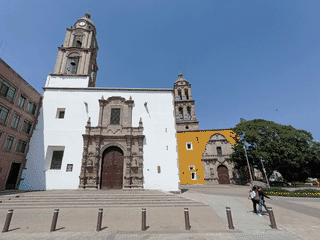
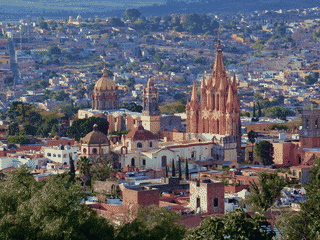
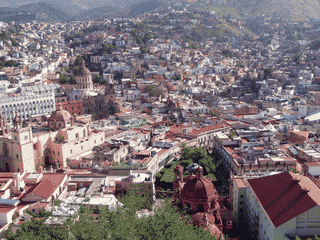
Guanajuato is a hilly silver-mining city with colonial architecture. Underground road tunnels provide a distinctive counterpart to its steep streets.
Architecture · History · Museums
Did you know?
- The Alley of the Kiss carries a romantic legend in a narrow passage.
- Enchiladas mineras, or miner's enchiladas, are a local specialty.
- Traffic moves through a network of underground road tunnels.
Where it is
Guanajuato is 39 km north of Irapuato.
Why go?
Guanajuato is a beautiful mountain colonial town, considered by many to be the most beautiful in Mexico. Built on very hilly ground, it features a unique network of underground tunnels used as roads. A major silver mining town with still-active mines, it was granted UNESCO World Heritage status in 1987. The city is also a key point on the Camino Real de Tierra Adentro.
Understand
Unlike other Mexican cities, Guanajuato grew from miner camping sites after silver veins were discovered between 1540 and 1558. By 1558 a big silver vein produced nearly a third of all silver in the world for the next 250 years. City status was granted in 1741. The historic town and adjacent mines were declared a UNESCO World Heritage site in 1987.
Get around
The city center is compact and walkable, but the hilly terrain means many streets are on a slant. A network of underground tunnels serves as roads, unique in the world. The Pipila funicular provides quick access to the statue on San Miguel hill for panoramic views.
See
Key sights include the Basilica of Our Lady of Guanajuato (with a 1000-year-old statue), the baroque Church of San Cayetano (La Valenciana), the Alhóndiga de Granaditas museum, and the Museum of the Mummies. The Callejón del Beso (Alley of the Kiss) is a narrow alley with a romantic legend. Many mines such as Mina de Valenciana are still in operation.
Buy
ATMs from several banks are available in the city center. For fruits and vegetables, look for a frutería – not all are on Google Maps, so ask locals. Mercado Hidalgo is a two-story indoor market selling handicrafts, souvenirs, and groceries. El Cubilete sells local sweets like charamuscas and cajeta.
Eat and drink
Local specialty is miner's enchiladas (enchiladas mineras), served almost everywhere. Mercado Hidalgo offers regional dishes for M$60-80. Cheap street food includes tamales for M$8 and gorditas for M$15. The nightlife is lively, especially on weekends, with bars like Bar Fly and Cantina La Botellita. Sol beer is popular.
Drink
Nightlife is very active, especially on weekends. Flyers for drink specials are passed around during the day. Jardín de la Unión has cafes with mariachi ambiance. Popular bars include Bar Fly (reggae, young crowd), Cantina La Botellita (giant margaritas), and Famoso Bar Incendio (mezcales). The Beer Company offers craft beer with a rooftop view.
Stay safe
Guanajuato is a very safe city with police presence and friendly locals. Downtown is safe day and night. Avoid the Panorámica road in the evening or early mornings due to past assaults. Rough neighborhoods are on the eastern slopes and near the Pípila monument. The city is far safer than the average American college campus.
Budget
Budget travelers can get dorm beds from M$190 (2018), street food meals from M$12-35, and museum entry from M$25-85. Daily budget could be around M$500-800 for accommodation, food, and transport.
Guide text adapted from Wikivoyage contributors under CC BY-SA 4.0.
Where to start
Eat
Antik Café
They have bagels, Mexican food, coffee drinks and teas. It is not expensive and it has its own bar. They often have live music at night.
Eat
Café Tal
Coffee, tea, a mixed foreign and Mexican crowd, and high speed wireless internet access. It's between 5-10 minutes from Teatro Juarez up the main street towards the baseball stadium, just up the street from Bar Fly. The owner, an American expat, plays French horn in the city orchestra. Although it serves some distinctly Mexican drinks and snacks, it also has a much wider selection of tea and coffee drinks familiar to Americans and difficult to find in Guanajuato. (Tea is pretty unsatisfactory in the city, not so here. And they understand the concept of iced tea.) They also have low cost international calling and tasty snacks. Before lunch, a bakery a few doors down has a wider selection of pastries and rolls.
Eat
Casa Ofelia
Traditional Mexican restaurant with cozy dining room filled with quirky decor. Excellent food with several regional dishes. House specialty is the enchiladas.
Price when recorded: M$200
Eat
Comida China
for the same price opposite of the Sr. Spaguetti that is open daily 11:00-19:30.
Eat
Delica Mitsu
Delica Mitsu serves up homemade Japanese delicatessen "sozai", sushi rolls, grilled chicken, and more. Many of the dishes are made from vegetables only, so vegetarians will also feel at home at this tiny restaurant owned and operated by a sweet Japanese couple. Popular with tourists and locals, there are new items on the menu everyday which are sure to keep you coming back time and time again.
Eat
El Jardín de los Milagros
Eat
El Zopilote Mojado
The beautiful Plaza Mexíamora host this unique café, where you can find peaceful atmosphere with an excellent coffee, classical music, interesting books in English and Spanish, and delicious desserts and baguettes. A very Mexican place with an international taste.
Eat
Food stalls around Mercado Embajadoras
You get typical Mexican food like tlacoyos, gorditas, quesadillas and so on for the local price. There is one taco stall with meat, that you rarely find elsewhere.
Before you go
Food
Local specialty: enchiladas mineras. Street food cheap: tamales M$8, gorditas M$15. Market meals M$60-80.
Language
Spanish is primary; English may be spoken in tourist areas and some hostels.
Money
ATMs available from several banks in city center. Credit cards likely accepted in major restaurants but cash preferred in markets.
Safety
Very safe city downtown, but avoid Panorámica road at night. Police are always around.
Transport
City is walkable but hilly; underground tunnels serve as roads. Pipila funicular offers transport up the hill.