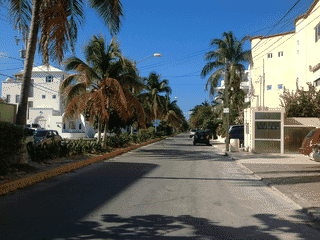

Puerto Morelos
Mexico, Central America and the Caribbean · Mexico
Did you know?
- The Ruta de Cenotes heads west from the coast.
- The Mesoamerican Barrier Reef lies just 500 meters offshore.
- El Tio Polo serves Mayan food near the lighthouse.
See also
.jpg)
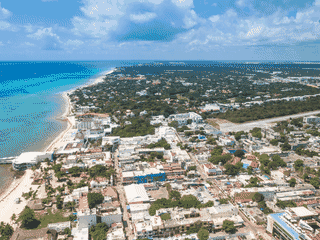
Playa del Carmen
Mexico20.63°N 87.08°W · 10 m
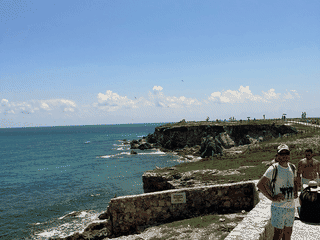

Isla Mujeres
Mexico21.24°N 86.74°W · 1 m
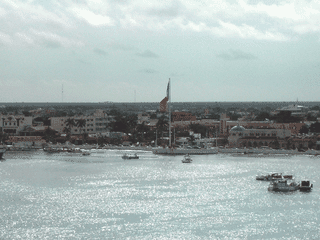

Cozumel
Mexico20.42°N 86.92°W · 12 m

Tulum
Mexico20.42°N 87.30°W · 12 m
Cancún
Mexico21.17°N 86.85°W · 5 m
Overview
Puerto Morelos offers a quiet beach-town atmosphere with tourist amenities close at hand. Its compact center is easy to explore on foot.
Languages: Spanish
Why go?
Puerto Morelos is the ideal location for travelers seeking a quiet beach vacation away from the glitz of nearby Cancún and Playa del Carmen, while still offering ample tourist amenities. The town has just two principal streets and you can walk from one end to the other in about 15 minutes. It serves as a gateway to the Great Mesoamerican Reef, the second largest reef system in the world and the largest in the Western Hemisphere, with the reef lying about 500 meters offshore—closer to shore here than at most other points along the Quintana Roo coast.
Adapted from Wikivoyage contributors · CC BY-SA 4.0
Getting there
Puerto Morelos sits about 20 km south of Cancún on Highway 307, the main north-south route on the Yucatán Peninsula. ADO buses run regularly between Cancún and Playa del Carmen, stopping at Puerto Morelos. The town is also accessible by rental car via Highway 307. There is a new Tren Maya station (Estacion Tren Maya Puerto Morelos) on the Ruta de los Cenotes with service north to Cancún and south to Playa del Carmen and Chetumal.
Adapted from Wikivoyage contributors · CC BY-SA 4.0
Get around
The town is compact enough to walk across in about 15 minutes. Local taxis gather at a taxi stand on the west side of the main square—always confirm the price before getting in to avoid disagreements. Bicycling is an excellent way to get around town with bikes available for rent at several places. There is also a local car rental agency on the highway. For the inland community of La Colonia (Colonia Zetina Gazca), crossing Highway 307 is necessary.
Adapted from Wikivoyage contributors · CC BY-SA 4.0
When to go
Water temperatures near the shore average about 27°C (80°F) year round. The high season runs from December through June, when the weather is driest. Summer months (June-August) are hot and humid with occasional rain showers. Hurricane season runs from June through November. Sundays tend to be the most crowded days for dining, with waits common around 19:00-20:00. The Alma Libre Bookstore is only open during high season (December to June).
Adapted from Wikivoyage contributors · CC BY-SA 4.0
Where to stay
Puerto Morelos offers boutique hotels, condominiums, villas, and modest hotels right on the beach. For budget travelers, Cuca Macuca Hostel (M$1,200) provides a rooftop pool and shared kitchen. Casitas Kinsol (M$935) offers rustic cabins with hot water and WiFi, while Hotel El Moro (M$1,273) includes continental breakfast and is half a block from the main square. If booking within a few weeks of travel, contact several places as vacancies can be limited.
Adapted from Wikivoyage contributors · CC BY-SA 4.0
Food and drink
Local dining options range from very cheap restaurants to upscale establishments. El Tio Polo near the lighthouse serves inexpensive grilled meats, tortas, soup, and Mayan food for around M$150. For seafood, Los Pelicanos offers palapa-style beachfront dining with fresh fish and tacos (M$300). John Gray's Kitchen (M$800) is a pricier upscale option featuring a former Ritz Carlton chef—reservations recommended for the famous duck breast. Sundays are the most crowded for dinner, especially around 19:00-20:00. Crossing Highway 307 to La Colonia reveals cheaper local restaurants serving simple fare.
Adapted from Wikivoyage contributors · CC BY-SA 4.0
Things to do
Puerto Morelos is a premier diving destination with access to the Mesoamerican Barrier Reef just 500 meters offshore. Dive shops like Aquanauts, Om Delfin, and Wet Set Diving offer PADI certification, reef dives, wreck dives (including the C-56 at 60-90 feet), and cenote diving. Snorkeling near the beach is marked by yellow floaters, with a small underwater cenote called Ojo de Agua popular for viewing fish. Official park snorkeling tours to the reef cost about M$600/US$30 per person—swimming out alone to the reef risks fines. The Ruta de Cenotes begins in Puerto Morelos and heads west toward Merida. Jungle Spa offers authentic Mayan massage treatments operated by a non-profit supporting local Mayan women.
Adapted from Wikivoyage contributors · CC BY-SA 4.0
Safety
Puerto Morelos is generally a safe town, though standard travel precautions apply. The reef area is protected by park wardens who enforce rules against unauthorized reef access. Swimming alone to the reef from the beach can result in fines. For cenotes not exposed to sunlight, temperatures are colder and a partial wetsuit may be necessary. Mosquito spray is recommended when walking the botanical garden trails.
Adapted from Wikivoyage contributors · CC BY-SA 4.0
Connectivity
Most places accept US dollars but not credit cards. Almost all prices are quoted in Mexican pesos (M$) and paying in pesos is generally cheaper than using dollars. There is no bank in town, but several bank cash machines (ATMs) are available. A couple of bank branches can be found at the commercial area by La Colonia where Calle Jose Maria Morelos meets Highway 307. WiFi is available at many accommodations and restaurants.
Adapted from Wikivoyage contributors · CC BY-SA 4.0
Budget
Puerto Morelos caters to various budgets. Budget accommodations start around M$935-1,200 for hostels or budget hotels. Street food and basic meals at local restaurants cost M$150-300, while nicer restaurants range M$300-800. Snorkeling tours to the reef run about M$600 per person. Diving excursions vary by operator and dive type. Paying in Mexican pesos rather than US dollars typically results in better rates.
Adapted from Wikivoyage contributors · CC BY-SA 4.0
Day trips
Cancún is a 30-minute drive north on Highway 307 for shopping and dining. The famous Maya archaeological sites of Tulum, Cobá, and the Sian Ka'an Biosphere Reserve are accessible as day trips. The Ruta de Cenotes begins in Puerto Morelos heading west toward Merida. South of Playa del Carmen, Xcaret and Xel-ha offer large nature parks. The ferry to Cozumel departs from Playa del Carmen. A small Mayan community called A'aktun Jaaleb at Nuevo Durango, 2 hours inland, participates in fair tourism.
Adapted from Wikivoyage contributors · CC BY-SA 4.0
Etiquette
Spanish is preferred and appreciated, though you can get by with English in tourist areas. Most locals are friendly and used to tourists. The town has a mix of Mexican, Canadian, American, and European residents who live there full or part-time. Dress casually for the beach and town, with modest dress recommended when visiting churches or local communities. Tipping is customary at restaurants (10-15%).
Adapted from Wikivoyage contributors · CC BY-SA 4.0
Go next
Direct ADO buses to Chetumal depart at 06:35 (5 hours) from the pharmacy Paris location. Mayab buses run the rest of the day, slightly cheaper at 6 hours. The nearby Maya archaeological sites include Tulum, Cobá, Muyil, Chichén Itzá, Uxmal, Dzibichaltun, and Ek Balam. Swim in the cenotes via the Ruta de Cenotes westward toward Merida. Take the ferry to Cozumel from Playa del Carmen. Visit Xcaret or Xel-ha nature parks south of Playa del Carmen.
Adapted from Wikivoyage contributors · CC BY-SA 4.0
Field guide adapted from Wikivoyage contributors · CC BY-SA 4.0. Text has been adapted and organized for this guide. About our sources.
Places to know
A few starting points from the guide. Check current hours and prices before you go.
- sleep
Amar Inn
~10 rooms built adjacent to a family house. Operated by a family from Querétaro. Beach-side rooms are nicer (and cost more). Both speak Spanish and English. Headquarters of environmentalists. 5 minute walk north of the zócalo.
Adapted from Wikivoyage contributors
- sleep
Casitas Kinsol
Alternative lodging in rustic cabins and rooms. All rooms have private bath with hot water. Each room has a special touch that comes from the personalized decor from the artist and owner. Pets are welcome. Wifi in most rooms.
Recorded price: M$935
Adapted from Wikivoyage contributors
- sleep
Cuca Macuca Hostel
Small, cozy hostel with a rooftop pool and patio. Kitchen available if you want to cook meals.
Recorded price: M$1200
Adapted from Wikivoyage contributors
- sleep
Hotel El Moro
Small, friendly hotel. Rates include continental breakfast.
Recorded price: M$1273
Adapted from Wikivoyage contributors
- sleep
Hotel Marina El Cid Riviera Maya
A member of El Cid Resorts, this oceanfront hotel features colonial and modern architecture styles, a free form pool, snorkeling and diving, and several on-site restaurants.
Recorded price: M$4000
Adapted from Wikivoyage contributors
- sleep
La Quinta Orquidea
Unique property that has a storybook feel of a jungle treehouse with quirks at every corner (except in the round rooms, which have no corners, obviously). Rooms lack air conditioning and beds cry out for mosquito netting. Fun place though, and very affordable.
Recorded price: M$950
Adapted from Wikivoyage contributors
- sleep
Rancho Sak-Ol
Beachfront B&B about 1 km south of the town square. Rates include a complimentary self-service breakfast buffet, wireless internet, bikes and snorkeling equipment.
Recorded price: M$1300+
Adapted from Wikivoyage contributors
- sleep
Villas Playasol
Delightful, two-bedroom, private condo apartment on the beach just two blocks from the town square. With beautiful tropical gardens and PM's largest blue pool, this appealing Playasol accommodation is ideal for couples or families. Private parking, gated entrance, and a picture-perfect bit of beach.
Recorded price: M$20000+
Adapted from Wikivoyage contributors
Before you go
Connectivity
WiFi available at most accommodations and restaurants. No SIM card information provided in article. Power outlets use standard Mexican flat-prong plugs.
Culture
Residential community mixing Mexican locals with Canadian, American, and European expats. Quieter than neighboring resort towns. Town limited to three-story buildings by local bylaws.
Money
Most places accept US dollars but not credit cards. Prices quoted in Mexican pesos (M$)—paying in pesos is cheaper than USD. ATMs available but no bank in town.
Safety
Generally safe town. Reef access regulated by park wardens— unauthorized reef swimming risks fines. Standard travel precautions apply.
Transport
Compact walkable town. Taxis at main square—confirm price before riding. Bikes rentable. Highway 307 connects north to Cancún (20 km) and south to Playa del Carmen.
Weather
Year-round warm weather with water temperatures around 27°C (80°F). High season December-June. Hurricane season June-November.