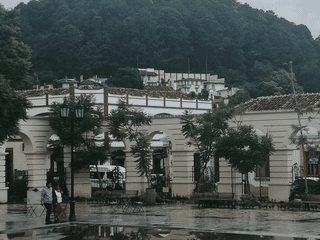

San Cristóbal de las Casas
Mexico, Central America and the Caribbean · Mexico
Did you know?
- Santo Domingo's Baroque facade mixes Oaxacan and Guatemalan styles.
- Museo Na Bolom occupies the former home of anthropologist Gertrudis Duby Blom.
- On Saturdays, households sell tamales from their front doors.
See also

Tuxtla Gutiérrez
Mexico16.75°N 93.15°W · 529 m

Comitán
Mexico16.25°N 92.13°W · 1,643 m
Overview
San Cristóbal de las Casas pairs a former capital's history with a thriving craft community. Workshops produce pottery, embroidery, woodcarving and amber jewelry.
Languages: Spanish
Why Go
San Cristóbal de las Casas is the cultural capital of Chiapas, designated a Pueblo Mágico by the Mexican government in 2003. Founded by the Spanish in 1528, it retained much of its colonial character in street plans and architecture, making it one of Mexico's most atmospheric colonial cities. The city serves as a hub for indigenous Maya communities speaking Tzotzil and Tzeltal, and visitors can explore colorful markets, artisan workshops, and museums showcasing traditional crafts. For politically-minded travelers, the city remains connected to the 1994 Zapatista uprising that began in the surrounding jungle.
Adapted from Wikivoyage contributors · CC BY-SA 4.0
Understanding
The city was the political capital of Chiapas until the end of the 19th century when Tuxtla Gutiérrez took over that role. San Cristóbal has a vibrant artesanias community creating hand-made traditional crafts including blacksmithing, pottery, woodcarving, amber jewellery making and embroidery. The city was named a UNESCO Creative City in recognition of its dynamic artesanal traditions. The Zapatista uprising led by Subcomandante Marcos briefly seized the city center in January 1994 demanding justice for indigenous populations, and the movement continues to simmer today.
Adapted from Wikivoyage contributors · CC BY-SA 4.0
Climate
At 2,200 meters altitude, San Cristóbal has a temperate climate despite being in the tropics. Summer highs average around 25°C with lows of 10-11°C, while winter temperatures range from 4-20°C with occasional lows below 0°C. Most buildings lack central heating, so warm clothing is essential in winter months.
Adapted from Wikivoyage contributors · CC BY-SA 4.0
Get In
The main bus terminal is Omnibus Cristobal Colon (OCC) at Avenida Insurgentes s/n, serving direct connections from Oaxaca, Tuxtla Gutiérrez, Palenque, Campeche, Mérida, Mexico City, Puebla, Villahermosa, and the Guatemalan border at Cd Cuauhtémoc/La Mesilla. Autobuses Expreso Azul (AEXA) at Av. Insurgentes y Blvd Juan Sabines provides connections to Tuxtla Gutiérrez and Palenque within Chiapas state. Tickets can be purchased online or directly at stations.
Adapted from Wikivoyage contributors · CC BY-SA 4.0
Get Around
Walking is the best way to explore the compact city center without strain. Bicycles offer an adventurous alternative for getting around. Collectives (shared taxis) serve routes to surrounding villages and attractions.
Adapted from Wikivoyage contributors · CC BY-SA 4.0
When to Go
The Spring Fair and Peace event held in April showcases local crafts and is a highlight. The best time to visit Orquídeas Moxviquil is spring when most orchids bloom. December through April offers the most comfortable weather, though evenings can be cold at this altitude.
Adapted from Wikivoyage contributors · CC BY-SA 4.0
Where to Stay
San Cristóbal is considered the backpacker hub in Chiapas. Budget accommodation starts around M$50 for basic rooms with shared bathrooms, while hostels offer dorms from M$80-150 and private rooms from M$160-300. The Barrio del Cerrillo and areas near Real de Guadalupe offer good options. La Catrina Posada is run by a Tzeltal family, while Casa Gaia and Hostal Casa Gaia cater to backpackers with communal kitchens and social spaces.
Adapted from Wikivoyage contributors · CC BY-SA 4.0
Food and Drink
Local specialties include tamales, sopa de pan, and various insects depending on the season. The main public market offers authentic regional food at street food prices, and on Saturdays many houses sell tamales from their front doors. Lunchtime bargains can be found in cantinas where ordering a beer includes a free plate of food. The local drink is posh or pox, a hard liquor made from cane, often served in ponche (fruit punch). Most restaurants serve filtered water.
Adapted from Wikivoyage contributors · CC BY-SA 4.0
Things to Do
Must-see attractions include Templo de Santo Domingo Guzmán with its Baroque façade mixing Oaxacan and Guatemalan styles, Museo Na Bolom (former home of Swiss anthropologist Gertrudis Duby Blom), and the Centro de Textiles del Mundo Maya at the Museo de los Altos de Chiapas. The Museo de la Medicina Maya is operated by indigenous healers and herbalists. For amber purchases, visit Museo del Ámbar where staff teaches how to identify real vs. fake amber. The city has an active nightlife with clubs, electronic events, live concerts, jams, and cabarets.
Adapted from Wikivoyage contributors · CC BY-SA 4.0
Safety
The hilltop churches of Templo de Guadalupe and Templo de San Cristóbalito offer good views but are not safe after dark, and solo women may be harassed even during the day. The surrounding region has serious poverty with 75% of people in Chiapas living in poverty, the highest rate in Mexico. Visitors should treat indigenous people with respect and kindness.
Adapted from Wikivoyage contributors · CC BY-SA 4.0
Connectivity
Most hostels and cafes offer free Wi-Fi, including Cocoliche, TierrAdentro Centro Cultural, Café Museo Café, and Yik Café. SIM cards from Mexican carriers are available for purchase at convenience stores and phone shops throughout the city.
Adapted from Wikivoyage contributors · CC BY-SA 4.0
Budget
San Cristóbal is very affordable for backpackers. Basic rooms start at M$50, dorm beds from M$80-150, and meals at market comedors or street vendors cost M$20-50. Museum admissions range from M$20-45. A daily budget of M$300-500 covers accommodation, food, and attractions.
Adapted from Wikivoyage contributors · CC BY-SA 4.0
Day Trips
Orquídeas Moxviquil (M$50-90) offers orchid gardens and access to an unexcavated Mayan archaeological site with a hiking trail. The surrounding Maya villages accessible by colectivo offer authentic textile markets and cultural experiences.
Adapted from Wikivoyage contributors · CC BY-SA 4.0
Etiquette
The indigenous communities are tired of the "hand out" mentality from NGOs and tourists. If visiting Zapatista communities, do it on their terms and ask plenty of questions rather than giving unsolicited help. Treat indigenous people with respect and kindness. Dress modestly when visiting churches.
Adapted from Wikivoyage contributors · CC BY-SA 4.0
Go Next
From OCC bus terminal, direct connections lead to Tuxtla Gutiérrez (state capital), Palenque (for Maya ruins), the Guatemalan border at La Mesilla, Oaxaca, Campeche, Mérida, Mexico City, Puebla, and Villahermosa. AEXA buses serve Tuxtla Gutiérrez and Palenque within Chiapas.
Adapted from Wikivoyage contributors · CC BY-SA 4.0
Field guide adapted from Wikivoyage contributors · CC BY-SA 4.0. Text has been adapted and organized for this guide. About our sources.
Places to know
A few starting points from the guide. Check current hours and prices before you go.
- eat
Café Las Nubes
Famous for its dimly lit ambiance creating a nice mellow mood, also a place where Gourmet Coffee is done right and always 2x1 for any drink on the menu all day long also offering breakfasts, lunch and dinner.
Adapted from Wikivoyage contributors
- eat
Carmelita
Adapted from Wikivoyage contributors
- eat
Cocoliche
Mexican, Asian, pasta, vegetarian, smoothies, juices, sandwiches, burritos, all very good. Free Wi-Fi. They frequently have free bands that play here in the evenings. Prices are very reasonable, but diners should take care to inspect the bill and change, as mistakes are frequent and nearly always in the restaurant's favor.
Adapted from Wikivoyage contributors
- eat
El Alebrije (Cocina Popular)
A local favorite near all the hustle and bustle of the market, offering inexpensive Mexican meals that taste great. Main courses of menu usually changes daily.
Adapted from Wikivoyage contributors
- eat
El Caldero
Enjoy some hearty traditional Mexican soups. The menu also includes salads and few other snacks.
Adapted from Wikivoyage contributors
- eat
El Mesón del Taco
Tacos al pastor, quesadillas and other Mexican food.
Adapted from Wikivoyage contributors
- eat
El Molcajete
Known for its delicious pozole, a traditional Mexican meal. Reasonably priced and filling.
Adapted from Wikivoyage contributors
- eat
El Tacoleto
Some friendly and attentive wait staff, serving Mexican tacos and quesadillas. Lacking any chicken tacos but other than that everything is great. Very clean places and quick service.
Adapted from Wikivoyage contributors
Before you go
Culture
San Cristóbal is the cultural capital of Chiapas with strong indigenous Maya presence. Tzotzil and Tzeltal are spoken in surrounding villages. UNESCO Creative City for artesanias.
Health
Local pharmacies sell Bonadoxina for nausea. Higher-quality hotels have doctors on call. Most travelers don't need medical attention.
Money
Mexican Peso (M$) is the local currency. Some upscale hotels accept credit cards, but most budget accommodation and markets are cash-only.
Safety
Hilltop churches (Templo de Guadalupe, Templo de San Cristóbalito) are unsafe after dark. Solo women may face harassment near these areas.
Transport
OCC buses at Avenida Insurgentes serve major destinations including Oaxaca, Tuxtla Gutiérrez, Palenque, and Guatemala border. AEXA offers state connections.
Water
Most restaurants serve filtered water. Bottled water is readily available at shops and markets.
Weather
At 2,200m altitude, temperatures are temperate. Summers reach 25°C with nights around 10°C; winters range 4-20°C with occasional sub-zero nights. Bring warm layers year-round.