
Tulum
Mexico, Central America and the Caribbean · Mexico
Did you know?
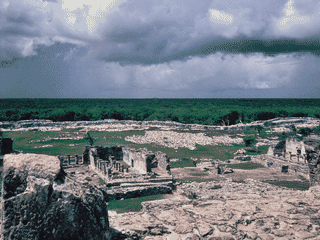
- A walled Maya trading settlement overlooks the Caribbean from coastal cliffs.
- Nearby Muyil offers a watchtower excursion near Sian Ka'an.
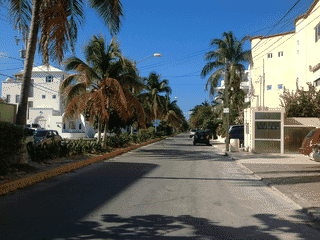
- The inland pueblo concentrates budget hostels, restaurants and supermarkets.
See also
.jpg)
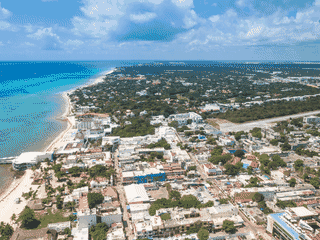
Playa del Carmen
Mexico20.63°N 87.08°W · 10 m
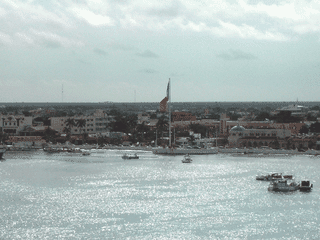

Cozumel
Mexico20.42°N 86.92°W · 12 m
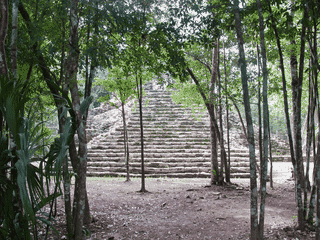

Coba
Mexico20.49°N 87.74°W

Puerto Morelos
Mexico20.84°N 86.89°W · 6 m
Overview
Tulum's inland town holds many budget hostels, restaurants and supermarkets. The beach is a separate outing from this practical base.
Languages: Spanish
Why go?
Tulum is one of Mexico's earliest resort destinations, where Mayan kings once sought solitude on Caribbean shores. The main draw is the picturesque small ruin perched on cliffs above the sea, best visited early morning before tour buses arrive. Between Mexican taquerias and holistic vegan cafes, Tulum blends original bohemian identity with boutique resort growth—luxury shops now line the hotel zone, but the beach town still offers cenote swims, jungle gyms, and a famed nightlife scene.
Adapted from Wikivoyage contributors · CC BY-SA 4.0
Getting in
Tulum has no airport; the nearest is Cancún International (CUN), about 130 km north. ADO bus service connects Tulum to Cancún (M$290-400), Playa del Carmen (M$100-150), and Mérida (M$600-800). The ADO Terminal Tulum on MEX-307 and Calle Jupiter is small and crowded but has air-conditioned buses. Collectivos to Playa del Carmen depart from Av. Tulum 3 from 05:00-23:30.
Adapted from Wikivoyage contributors · CC BY-SA 4.0
Getting around
Tulum has three distinct areas minutes apart but not walkable between them. Tulum Pueblo sits along highway 307 with most budget hostels, restaurants, and supermarkets, about 3 km from the beach. Tulum Playa stretches along the coastline with boutique hotels, beach clubs, and nightlife—the north is quieter, the south livelier. Taxis dominate playa transport; collectivos run occasionally. The ruins area is reached by a separate road from highway 307. Bicycle rentals are common for getting around town and reaching nearby cenotes.
Adapted from Wikivoyage contributors · CC BY-SA 4.0
When to go
High season runs November through April with warm, dry weather ideal for ruins visits and beach time. Summer brings heat, humidity, and the rainy season but also lower prices. The crowds peak around Christmas and Easter. Early morning ruins visits avoid tour buses that arrive after 10am. Weekend nights in the playa section draw international party crowds.
Adapted from Wikivoyage contributors · CC BY-SA 4.0
Where to stay
Budget travelers should base themselves in Tulum Pueblo, which offers hostels and budget inns 3 km from the beach. Tulum Playa has affordable beachfront cabana options if you walk in and ask—many are eco-friendly with no electricity past midnight and ask water conservation. Mid-range boutique hotels dot the beach road, while luxury resorts cluster in the hotel zone. The Weary Traveler Hostel is 4 blocks east of the ADO station; Chakpool Hostal offers camping near Dos Ojos cenote from M$150/night.
Adapted from Wikivoyage contributors · CC BY-SA 4.0
Food and drink
Stock up on food in Tulum Pueblo where restaurants are infinitely cheaper than resort beach areas. Most town entrees cost well under M$100. Local favorites include Antojitos La Chiapaneca for al pastor tacos, Taqueria El Tio for tortas, and El Camello Jr for cheap seafood. The street food market appears evenings on Calle Sol Ote around Parque dos Aguas. Beach restaurants are expensive and often closed until afternoon. For supplies, Super San Francisco Food Mart is locally run with limited English.
Adapted from Wikivoyage contributors · CC BY-SA 4.0
Things to do
The Tulum Archaeological Site requires two tickets: M$100 cash for ruins entry and M$415 for the national park bracelet. Take a collectivo from the ADO terminal (ask for "ruinas", M$30 cash). Visit before 10am or late afternoon to miss crowds. Cenote swimming is essential—El Gran Cenote (M$300 cash) is 7km north on highway 109; Cenote Cristal & Escondido (M$120 for both) is 4km west and reachable by bicycle. Beach clubs line Playa Paraiso, the most popular public beach. Jungle gyms, yoga spas, and diving operators serve active travelers. The Sian Ka'an Biosphere Reserve is 20km away for kayaking and wildlife.
Adapted from Wikivoyage contributors · CC BY-SA 4.0
Safety
Tulum is generally safe for travelers but standard precautions apply. Some areas near the beach have reported petty theft; secure valuables. The collectivo ride to ruins is safe but keep track of belongings. Tap water is not potable; buy bottled water. Sun protection is essential year-round. Some beach clubs have strong currents; ask locals before swimming. Drug use in the nightlife scene carries legal risks despite the party atmosphere.
Adapted from Wikivoyage contributors · CC BY-SA 4.0
Connectivity
Most hostels and hotels offer WiFi; connectivity is reliable in Tulum Pueblo and the hotel zone. SIM cards from Telcel, AT&T, or Movistar are widely available if you need data while exploring cenotes and day trip areas. Power plugs use standard US/North American flat-pin Type A/B sockets (120V). Bring adapters from Europe or other regions.
Adapted from Wikivoyage contributors · CC BY-SA 4.0
Budget
Backpacker daily budget: M$500-800 covers hostel dorms (M$200-400), street food meals (M$50-100 each), collectivo transport (M$30-50), and attraction entry (ruins M$515 total, cenotes M$120-300). Beach clubs charge M$200-500 for sunbed and food. Nightlife and cocktails in the playa add significantly. Budget M$1000-1500/day for a comfortable mid-range experience.
Adapted from Wikivoyage contributors · CC BY-SA 4.0
Day trips
Coba (50km) has the tallest pyramid on the Yucatán Peninsula you can still climb. Muyil (25km southwest) offers a climbable watch tower near Sian Ka'an. Sian Ka'an Biosphere Reserve (20km) features mangrove swamps and guided boat tours for about M$1000. Punta Laguna Spider Monkey Reserve (60km) charges M$200 entry or M$800 for an hour guided tour. Xcaret eco-park is 55km toward Playa del Carmen with underground rivers and cultural shows. Dive shops like Ko'ox Diving offer cenote diving (US$85-250) and trips to Sian Ka'an and Isla Blanca.
Adapted from Wikivoyage contributors · CC BY-SA 4.0
Etiquette
Dress modestly when visiting the Tulum ruins or local cenotes—cover shoulders and knees out of respect for the sacred sites. Many cenotes request no sunscreen or biodegradable alternatives. Tipping is customary: 10-15% at restaurants, M$50-100 for guides, 10% at adventure parks. Bargaining is appropriate at markets and with independent vendors but not at restaurants or established tour operators. Beach club etiquette varies; some are clothing-optional (Azulik), others family-friendly. Ask before photographing locals, especially in Pueblo.
Adapted from Wikivoyage contributors · CC BY-SA 4.0
Go next
From Tulum's ADO station, buses go to Playa del Carmen (M$100-150, 1 hour), Cancún (M$290-400, 2.5 hours), and Mérida (M$600-800, 5 hours). When all ADO parking lots are occupied, buses queue in the backyard—employees shout destinations. Collectivos to Playa del Carmen depart from Av. Tulum 3. The Tren Maya station serves Tulum for rail connections across the Yucatán. Nearby Cobá is a 50km day trip; the Sian Ka'an Biosphere Reserve offers wetland exploration 20km south.
Adapted from Wikivoyage contributors · CC BY-SA 4.0
Field guide adapted from Wikivoyage contributors · CC BY-SA 4.0. Text has been adapted and organized for this guide. About our sources.
Places to know
A few starting points from the guide. Check current hours and prices before you go.
- eat
Antojitos La Chiapaneca
Delicious al pastor tacos in a full service restaurant. Massively popular, but somehow still incredibly quick service. Watch the orange habanero salsa, the heat will sneak up on you.
Adapted from Wikivoyage contributors
- eat
Antoriko
Incredibly generous portions of seafood in taco and burrito format, also serves ceviche. Try the marinated marlin tacos.
Adapted from Wikivoyage contributors
- eat
Arca
Tapas-style small plate dishes and cocktails all inspired by local Riviera Maya flair.
Adapted from Wikivoyage contributors
- eat
Burrito Amor
Healthy and clean amazing food
Recorded price: from M$50
Adapted from Wikivoyage contributors
- eat
Casa Jaguar
Adapted from Wikivoyage contributors
- eat
Cetli
The food is somewhat expensive (but well worth the price.), keeping locals away, and few tourists notice this excellent restaurant, since it's not on the main strip. The place is owned by its young chef, Claudia, trained in Mexico City's premier culinary academy.
Adapted from Wikivoyage contributors
- eat
Don Cafeto
features authentic Mexican and is one of the most popular restaurants on the pueblo strip.
Adapted from Wikivoyage contributors
- eat
El Camello Jr
Great (and cheap) seafood. This place is often crowded (mainly by locals).
Adapted from Wikivoyage contributors
Before you go
Connectivity
WiFi available at most hostels and hotels. SIM cards from Telcel, AT&T, and Movistar available in town. US/North American power plugs (Type A/B, 120V).
Culture
Tulum blends Mayan heritage with bohemian beach culture and luxury resort development. Respect sacred sites at ruins and cenotes. Eco-conscious establishments request water and electricity conservation.
Food
Pueblo restaurants offer cheap local food (under M$100 entrees). Beach restaurants are expensive. Stock up on supplies in town before heading to the beach. Local favorites include al pastor tacos and Yucatecan specialties.
Health
Sunscreen essential year-round. Stay hydrated. Use bottled water. Mosquitoes present especially at cenotes and during rainy season. Standard travel vaccinations recommended.
Money
ATMs include Banco Azteca (west), Banamex inside Súper Aki (east), Santander at bus terminal (east), and CI Banco (center). Most have low withdrawal fees. Credit cards work at ADO bus station and some hotels but many smaller vendors are cash-only. Prices in Mexican pesos (M$).
Safety
General tourist safety applies. Avoid leaving valuables unattended on beaches. Tap water not potable. Some nightlife areas can get rowdy late at night. Drug-related incidents occasionally occur in party zones.
Transport
Taxis dominate playa transport with near-monopoly pricing. Collectivos run periodically on the highway. Hitchhiking is possible. Bicycle rentals are popular for town and cenote trips. The ADO bus station is on MEX-307 and Calle Jupiter.
Weather
Tropical climate with hot, humid summers and warm, drier winters. Hurricane season June-November. Best time to visit is November-April. Bring sunscreen and stay hydrated year-round.