

Natal
Brazil5.79°S 35.21°W · 30 m
244 places in the index.
5.79°S 35.21°W · 30 m
8.00°S 34.88°W · 16 m
30.03°S 51.23°W · 10 m
8.05°S 34.90°W · 6 m
22.91°S 43.45°W · 31 m
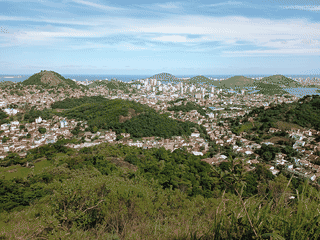
20.32°S 40.34°W · 4 m
Abadiânia is a small municipality in Goiás state, Brazil, known worldwide for its spiritual healer João de Deus (John of God), who operates from the Casa of Don Ignazio. Every day up to thousands of visitors come seeking healing, making it a unique pilgrimage destination for those interested in spiritual practices and alternative medicine.
Atlas entry
Águas de Lindóia is a thermal spa town in São Paulo state built around mineral water springs discovered by Italian immigrant brothers in the 1900s. The city attracts visitors seeking therapeutic baths and relaxation, while the surrounding area offers growing eco-tourism activities.
Atlas entry
Águas de São Pedro is a tiny, planned resort town in São Paulo state built entirely around its therapeutic mineral springs discovered in 1934. The city boasts Brazil's second-highest Human Development Index, meaning pristine streets, excellent public services, and virtually no poverty—a stark contrast to typical Brazilian cities.
Atlas entry
Alagoinhas serves as a useful stop between Salvador and the Recôncavo region. The main draw is the bizarre unfinished Catholic church (Igreja Velha), a half-built structure that resembles a film set and offers a unique photo opportunity.
Atlas entry
Alcântara is a fading colonial town in Maranhão state, offering an even more atmospheric step back into Brazil's 18th-century past than São Luís itself. The town is mostly a ghost of its former glory after being largely abandoned, but this abandonment is what makes it compelling: crumbling churches, colonial streets, and the eerie Pelourinho slave-whipping post.
Atlas entry
Alta Floresta serves as a gateway to the southern edge of the Amazon rain forest, offering a quieter, less-visited alternative to major Amazon destinations. The city developed during the 1980s gold rush and now pivots toward eco-tourism, with Cristalino State Park and the Cristalino Ecological Foundation driving conservation efforts.
Atlas entry
Alter do Chão is a small beach town on the right bank of the Tapajós River, 37 km south of Santarém via road PA-457. The Guardian newspaper named its freshwater beach the most beautiful in the world, earning it the nickname "Brazilian Caribbean." With a permanent population of 6,700 and a relaxed atmosphere, it draws tourists seeking Amazon beauty without the intensity of larger cities.
Atlas entry
Alto Paraíso de Goiás is a base for exploring Chapada dos Veadeiros. Spiritual communities and a compact center give the town a character beyond its waterfall excursions.
PETAR harbors one of the largest concentrations of caverns on the planet—more than 4,300—set within untouched Atlantic forest covering mountains and ridges. The park contains the Gruta da Casa da Pedra, which holds the world's largest cave mouth, making it a bucket-list destination for speleology enthusiasts.
Atlas entry
Amparo offers a rare glimpse into São Paulo state's 19th-century coffee farming prosperity. The city preserves one of the state's most extensive heritage ensembles from this era, featuring ornate colonial mansions, churches, and public buildings.
Atlas entry
Angra dos Reis is a semi-industrial port town on Brazil's Fluminense Green Coast, sitting between Rio de Janeiro and São Paulo states on the BR-101 highway. The town itself is not the destination—it is the primary departure point for Ilha Grande, an island paradise with crystalline waters, waterfalls, and deserted beaches.
Atlas entry
Aparecida is the second-largest Catholic pilgrimage site in the world, attracting over 10 million visitors annually to the monumental Basilica de Nossa Senhora Aparecida. This is the place to experience Brazilian faith at its most dramatic — a colossal neo-Byzantine temple with a 100-m tower that dominates the Paraiba river valley.
Atlas entry
Aquiraz is a historic coastal city in Ceará, Brazil, located about 30km from Fortaleza. While once the state capital until 1726, today it serves as a popular holiday destination for beachgoers and day-trippers from the state capital.
Atlas entry
Aracaju is the smallest state capital in Brazil's Northeast, and among the most peaceful. It punches above its weight for a city of 673,000: a well-maintained beachfront at Atalaia, excellent crab-and-beer culture, and manageable crowds compared to Maceió or Salvador.
Atlas entry
Armação dos Búzios (often called just Búzios) is a coastal city on a peninsula about 176 km east of Rio de Janeiro, famous for its 23 beaches ranging from calm coves to surf-friendly stretches. The town strikes a balance between sophisticated dining and relaxed beach culture, with Rua das Pedras serving as the main hub for restaurants, boutiques, and nightlife.
Atlas entry
Arraial do Cabo is a small city of approximately 26,000 residents in the Lakes Region of Rio de Janeiro state, near Búzios. It is widely recognized as the best diving spot in Rio de Janeiro state, featuring exceptional water clarity and vibrant marine life.
Atlas entry
Aruanã is a small riverside town on the Araguaia River in western Goiás state, formerly known as Port of Leopoldina. The town is notable for its strong Karajá indigenous culture, with a traditional village located by the river banks.
Atlas entry
Assis is a medium-sized city of approximately 101,000 inhabitants serving as the most important city in the Paranapanema Valley and a key transit point between São Paulo state and Paraná/Mato Grosso do Sul. The city developed around 1905 when Captain Assis donated land for a village, growing through railway connections and agricultural commerce.
Atlas entry
Atins offers a rustic fishermen's village atmosphere with small houses on sand streets, while the beachfront hotels provide a Southeast Asian bungalow vibe. It's the preferred departure point for crossing Lençóis Maranhenses National Park, with fewer crowds than Barreirinhas.
Atlas entry
Baía Formosa ("Beautiful Bay") is the easternmost city in Rio Grande do Norte, Brazil, sitting near the Paraíba border. The town offers an unspoiled alternative to more developed coastal destinations, boasting great beaches, colorful lakes, pristine rainforest, and mangroves.
Atlas entry
Balneário Camboriú is a resort city on Santa Catarina's coast known for its beaches backed by Atlantic forest. The city offers a Christ the Redeemer-style statue called Cristo Luz, a cable car park (Parque Unipraias), and beach activities from surfing to karting.
Atlas entry
Bananal was once one of Brazil's wealthiest cities during the Coffee Cycle, and its faded grandeur tells a compelling story of 19th-century prosperity. The historic center preserves Portuguese-tiled mansions, Belgian crystal chandeliers, and imported European furniture in colonial farms and churches.
Atlas entry
Barcelos was the first capital of Amazonas from 1728 to 1758, giving it historical significance. The city is famous for its white and sandy beaches along the Rio Negro, ornamental fish breeding, and claims to host the highest waterfall in Brazil.
Atlas entry
Barra Grande is a tranquil fishing village on the tip of the Peninsula of Maraú in Bahia state. The village has preserved its unique charm and environment, partly due to difficult access by boat or rough dirt roads.
Atlas entry
Barreirinhas is the primary gateway to Lençóis Maranhenses National Park, a unique landscape of white sand dunes interspersed with freshwater lagoons. The city itself has a charming riverside setting along the Preguiças River with sandy patches throughout town.
Atlas entry
Atlas entry
Indigenous, Portuguese and rubber-boom heritage shape this Amazon gateway. Their cultural mix gives the city a distinctive identity.
Tree-lined avenues give this planned city an orderly urban setting. Bars, museums and modern architecture make it a useful base for exploring Minas Gerais's colonial towns.
Benjamin Constant is a small frontier town across the Solimões River from Peru and Colombia, often used as a stepping stone between the tri-border town of Tabatinga/Leticia and deeper Amazon explorations. The town holds significance for its Ticuna Indian heritage and hosts two of the Alto Solimões region's largest festivals.
Atlas entry
Bento Gonçalves is the wine capital of Brazil, producing the majority of domestic wine and most of the country's grape juice. The city was colonized by Italian immigrants near the end of the 19th century, and its rolling hills, vineyards, historic buildings, and Italian heritage have made it one of the great tourist cities in the Serra Gaúcha region.
Atlas entry
Biguaçu is a small municipality in the Grande Florianópolis region of Santa Catarina state. It serves primarily as a transit stop on BR-101 and a base for visiting the coastal Balneário de São Miguel area.
Atlas entry
Atlas entry
Boipeba is an island retreat of beaches, mangroves and Atlantic rainforest in Bahia's Tinharé archipelago. Offshore reefs help shape its sheltered coastal scenery.
Bombinhas is a peninsula jutting 12 kilometers into the sea, almost an island, with 22 beaches and four islands within municipal limits. Part of the Marine Biological Reserve of Arvoredo (17,800 hectares), its clear, unpolluted waters attract tourists from around the world seeking water sports, diving, and pristine nature.
Atlas entry
Bonito is a city nestled on the Pantanal region of Mato Grosso do Sul, Brazil. The surrounding region is known for spectacular clearwater river snorkeling, overall natural beauty and lush fauna & flora, and is often regarded as a model case of sustainable tourism in Brazil.
Atlas entry
Brasilia is a planned capital in Brazil's Central Highlands, recognized for its modernist architecture. The Monumental Axis gives the city a strong central spine.
Brejo da Madre de Deus is a small city in Pernambuco's interior that draws visitors primarily for the monumental Paixão de Cristo (Passion of Christ) spectacle in the district of Fazenda Nova, staged in the world's largest open-air theater with over 200,000 visitors during Easter week. Beyond the famous passion play, the city preserves colonial architecture from the 1700s and early 1800s, including works by French architect Louis Vauthier, and serves as a gateway to adventure activities in the caatinga vegetation and Atlantic Forest.
Atlas entry
Brumadinho is a city of 37,000 people in Minas Gerais, Brazil, best known as the home of the Inhotim Institute, the largest open-air contemporary art museum in Latin America. The city also offers access to the Serra do Rola-Moça State Park, the adventure-sports area of Serra da Moeda, and the Veredas do Paraopeba tourist circuit featuring 18th-century colonial churches.
Atlas entry
Cabo de Santo Agostinho is a coastal city in Pernambuco state, Brazil, known for its tropical beaches along the Porto de Galinhas corridor. The city offers a mix of natural attractions including Calhetas Beach, Gaibu Beach, and Suape Beach, plus historical sites like the Engenho Massangana sugar plantation house where abolitionist Joaquim Nabuco spent his childhood.
Atlas entry
Cabo Frio is a popular beach destination drawing beachgoers and surfers from across Rio de Janeiro state and the landlocked Minas Gerais. Founded in the 16th century after the Portuguese expelled the French, the city grew to over 216,000 residents by 2017, combining historic colonial architecture with modern tourism amenities.
Atlas entry
Caburé is a tiny hamlet with just four pousadas nestled between the Preguiças River and the Atlantic Ocean. Its main appeal is proximity to Lençóis Maranhenses National Park—though the river separates it from the dunes, making Atins the better base for park exploration.
Atlas entry
Cáceres serves as a strategic gateway to the Pantanal Matogrossense National Park, one of the world's largest tropical wetlands. The town sits along the Paraguay River and is famous for hosting the International Fishing Festival, recognized by the Guinness Book of World Records as the largest river fishing festival globally, attracting around 1500 anglers from around the world.
Atlas entry
Cachoeira is a historic Bahian city with a rich Afro-Brazilian cultural heritage. The city is known for its Candomblé traditions, the Sisterhood of the Good Death, and fine tobacco products from the Dannamann Cigar Factory.
Atlas entry
Cachoeiras de Macacu (meaning 'Macacu Waterfalls') is nicknamed the 'Land of Crystal Waters' for good reason. The municipality sits at the foot of the Serra do Mar mountain range, offering dozens of waterfalls including Tenebroso, Sete Quedas, Barba, Samambaia, Chapadão, and Furna da Onça.
Atlas entry
Caldas Novas is the world's largest hydrothermal complex in operation, attracting more tourists than any other city in Brazil's Central West region. Its hot springs, discovered in the 18th century, offer year-round warmth and relaxation.
Atlas entry
Campinas is a major Brazilian hub for industry, services, and research, home to the prestigious UNICAMP. While not a conventional tourist destination, it offers a vibrant nightlife, rich coffee-farming heritage, and easy access to the scenic Mantiqueira mountain range.
Atlas entry
Campo Grande is a gateway to the southern Pantanal and Bonito. Local sobá, museums and urban wildlife give travelers reasons to stay before heading onward.
Campo Largo is a historic city in Paraná, Brazil, located west of Curitiba via BR-376. Known as the Porcelain Capital, it offers visitors a glimpse into Brazil's ceramic heritage through the Rota da Louça (Porcelain Route).
Atlas entry
Campos do Jordão pairs mountain viewpoints with walks through araucária woodland. Morro do Elefante and Bosque do Silêncio offer contrasting ways to spend time outdoors.
Canela is a small highland city in the Serra Gaúcha region of Rio Grande do Sul, known for its European-influenced architecture and natural attractions including the famous Caracol waterfall. The city offers a quieter alternative to nearby Gramado while providing access to vineyards, canyons, and adventure activities in the Gaucho mountains.
Atlas entry
Canoa Quebrada overlooks the Atlantic from red sandstone cliffs. The village belongs to the coastal municipality of Aracati.
Capitólio is a small town of 8,600 people in Southern Minas Gerais, Brazil, nicknamed "Queen of the Lakes" for its dramatic position beside the Furnas reservoir. The main attraction is the Furnas Canyon, where towering stone walls rise from the emerald waters of Lake Furnas—often called the "Sea of Minas" for its sheer size of 1,440 km².
Atlas entry
Caraguatatuba combines beach tourism with the everyday character of a fishing town. Beach days can be paired with forest outings in the Serra do Mar.
Caravelas is a small coastal city in southern Bahia primarily known as the departure point for Brazil's Abrolhos archipelago, the country's premier diving destination. The city itself has limited urban attractions, but the surrounding mangroves, rivers, and marine life offer authentic nature experiences.
Atlas entry
Caruaru's Alto do Moura neighborhood centers a visit on ceramic art. The Casa-Museu Mestre Vitalino adds a museum stop to time spent discovering local artists.
Caxambu is a historic spa town in Southern Minas Gerais, reputedly home to the only place in the world with 12 mineral water springs, each with different chemical properties. The town centers around Parque das Águas, a water park where visitors can experience these unique springs.
Atlas entry
Italian immigration shaped the city's regional identity. Farmers from Veneto joined settlers from Lombardy and Trento in the surrounding area.
Chapada dos Guimarães sits at the geographical center of South America, offering dramatic tableland landscapes, waterfalls, and canyons unlike anywhere else in Brazil. The region protects a fragment of the Cerrado (Brazilian Savanna), one of the world's most threatened biomes, making it a critical destination for birdwatchers hoping to spot the endangered Green-shouldered Macaw and rare horned sungem hummingbird.
Atlas entry
Chapada dos Veadeiros is a UNESCO World Heritage Site protecting 65,515 hectares of Cerrado—one of the world's oldest and most diverse tropical ecosystems. The park draws travelers seeking authentic contact with nature: towering waterfalls cascade into turquoise pools, quartz-crystal valleys shimmer like moonscapes, and remote trails wind through canyons and forests.
Atlas entry
Colonial-era buildings recall a busy river-port past. The nearby crossing at Puerto Quijarro makes this a useful stop on journeys to Bolivia.
Cotia is a city of approximately 230,000 residents spread across 324 km² in western São Paulo state. It offers a mix of suburban living, cultural attractions, and green spaces, attracting new residents who settle mostly in the wealthy Granja Viana district.
Atlas entry
Cubatão sits below the Serra do Mar in an industrial stretch of São Paulo state. Atlantic Forest trails, waterfalls and ecological parks provide its outdoor appeal.
Cuiabá links travelers with the northern Pantanal and the Chapada dos Guimarães highlands. It is a useful stop for arranging journeys into these contrasting landscapes.
Cumbuco is a small beach village of about 25,000 inhabitants in Ceará state, located 30 km west of Fortaleza. It has become internationally recognized as one of the world's premier kite surfing destinations, with steady winds from July to December.
Atlas entry
Cunha is a small historic town near the São Paulo-Rio de Janeiro border, known for its lavender production, mountain views, and impressive waterfalls. The town offers a tranquil escape from larger cities with scenic drives through the Serra da Bocaina range and access to natural attractions like the Desterro Waterfall and Serra do Mar State Park.
Atlas entry
The old center and its Sunday craft fair give this Paraná capital a historic focus. A distinctive rapid-transit bus network adds an urban-planning angle to a visit.
Diamantina is a colonial city in Northern Minas Gerais where 17th-century streets and buildings preserve Brazil's diamond and gold mining heritage. The UNESCO-listed historic center offers a time capsule of Portuguese colonial architecture and the legacy of the diamond trade that once made this region one of the world's wealthiest.
Atlas entry
Domingos Martins is the most notable destination in the mountainous region of Espírito Santo, known as the 'City of the Green' for its exuberant Atlantic forest vegetation. The town sits 542 meters above sea level with mountains reaching up to 2000 meters, including the famous Pedra Azul.
Atlas entry
Dourados is a mid-sized city in the Central West of Brazil, serving primarily as a transit hub for travelers heading to the Pantanal wetlands. The city is notable for its significant Guarani Kaiowa indigenous population and a substantial Japanese community, which influences local cuisine and culture.
Atlas entry
Duque de Caxias (commonly called Caxias) is the most populous municipality in Baixada Fluminense, serving as a commercial and industrial center for the 13 municipalities of this portion of greater Rio de Janeiro. The city is notable for hosting the REDUC oil refinery, the third largest owned by Petrobras in Brazil.
Atlas entry
Embu das Artes, often simply called Embu, is a small city in Greater São Paulo that has earned its reputation as the 'Land of the Arts.' Since the 1960s hippie movement, it has attracted painters, sculptors, and artisans who gave the town its distinctive bohemian character. The highlight is the massive weekend arts and handcrafts fair that has operated continuously since 1969, one of Brazil's oldest outdoor art markets.
Atlas entry
Eunápolis serves primarily as a transit hub for travelers heading to the Discovery Coast beaches of Porto Seguro and Trancoso. The city itself has limited tourist attractions, centered around the Buranhém River that runs through town.
Atlas entry
Extremoz is a small, quiet municipality in the metropolitan area of Natal, Brazil, famous for its extraordinary fields of white sand dunes and accessible beaches. The star attraction is Genipabu, one of Rio Grande do Norte's most celebrated beach destinations, easily reachable from Natal.
Atlas entry
Fernando de Noronha is a remote Brazilian archipelago and UNESCO World Heritage Site where pristine beaches regularly rank among Brazil's top two—Sancho Bay and Baía dos Porcos. The island offers exceptional diving and snorkeling with visibility up to 50 meters, home to over 200 fish species, sea turtles, dolphins, manta rays, and five shark species.
Atlas entry
Beaches range from lively resorts to quieter stretches reached along trails. Forested mountains and a large lagoon add variety to an island stay.
Fordlândia is a one-of-a-kind historical curiosity: an entire American town plucked into the Amazon jungle and then abandoned. Founded by Henry Ford in the late 1920s to grow rubber for his car company, the project failed spectacularly—workers resented the imposed American lifestyle, and nature proved uncooperative.
Atlas entry
Formosa is a historic city in Goias state, 115 km from Brasilia, best known for Salto do Itiquira, the tallest waterfall in Brazil's Central West region at 168 meters. The area holds archaeological significance with Paleo-Indian cave paintings and rock recordings dating back 4,500 years at Stone Lapa and the Archaeological Site of Bisnau.
Atlas entry
Fortaleza is Ceará's capital on Brazil's northeast coast. It draws beach-holiday visitors and has a lively party-town character.
Iguaçu Falls draws travelers to this Brazilian gateway. The cascades provide a strong focus for a stay centered on nature.
Garopaba is a former fishing village on Santa Catarina's south coast that transformed after backpackers discovered it in the 1970s. Today it retains its village character with one and two-story houses while offering wild beaches, world-class surfing, and outdoor activities like hang gliding and paragliding.
Atlas entry
Goiana is a historic colonial city in Pernambuco's Zona da Mata region, approximately 65 km north of Recife. The city preserves 16th-century architecture including the Our Lady of Blackmen Rosary Church built in 1596, alongside pristine beaches at Ponta de Pedras where two historic shipwrecks from the 1880s attract scuba divers.
Atlas entry
Goiânia is one of Brazil's planned cities, founded in 1933 with a radial street plan designed by Atílio Correia Lima using art-deco style for its first buildings. The city grew far beyond its original 50,000-inhabitant design to over 1½ million residents in the metro area of 2½ million.
Atlas entry
Goiás City is a UNESCO World Heritage site preserving Brazil's colonial gold-rush era without the tourist hordes of Ouro Preto. The cobblestone streets, baroque churches, and 18th-century buildings have been maintained largely intact since the capital moved to Goiânia in 1933.
Atlas entry
Gramado is a European-feeling mountain town in Brazil's Serra Gaúcha region, famous for its cool alpine climate at 850 meters altitude, German and Italian heritage architecture, and year-round festivals. It's one of Brazil's most popular domestic tourist destinations despite being virtually unknown abroad, offering Christmas lights (Natal Luz), a major South American film festival, and family-friendly attractions alongside natural beauty.
Atlas entry
Gravatá sits in the Agreste region of Pernambuco at roughly 800 metres elevation, offering cooler temperatures and mountain scenery compared to coastal Recife. The city is famous for its fondue restaurants and traditional northeastern dishes like buchada (offal stew), sarapatel, and galinha cabidela (chicken blood rice).
Atlas entry
Guaíra serves as the gateway to the Pantanal of Paraná, offering access to a corridor of biodiversity spanning more than 200 islands. The city attracts visitors seeking relaxation in nature, colonial history tied to 16th-century Spanish and Portuguese presence, and outdoor activities like fishing and ecological tours.
Atlas entry
Guapimirim is a nature gateway on Rio's northeastern outskirts where the Serra dos Órgãos mountains rise abruptly from the lowland. The standout landmark is Dedo de Deus (God's Finger), a jagged peak that attracts hikers and photographers.
Atlas entry
Guarapari is a beach resort town in Espírito Santo state with about 127,000 permanent residents, a number that swells significantly during peak season. It draws holidaymakers from landlocked Minas Gerais state and nearby Vitória and Vila Velha seeking Atlantic coastline and affordable beach escapes.
Atlas entry
Guaraqueçaba is a small, remote coastal town in Southern Brazil's Coastal Paraná region. The town serves as a gateway to Atlantic Forest ecosystems and protected coastal islands, making it ideal for nature lovers and travelers seeking off-the-beaten-path destinations.
Atlas entry
Guararema is a small tourist town in Grande São Paulo that has invested heavily in tourism in recent years. The town features several well-maintained attractions and charming eateries, making it a popular weekend destination for Paulistanos seeking a quick escape from São Paulo.
Atlas entry
Guaratuba is a small coastal town in southern Brazil offering access to several beaches along the Bay of Guaratuba. The town is notable for its proximity to Boguaçu State Park, which protects Atlantic Forest biodiversity and pre-historic shell mounds left by indigenous peoples.
Atlas entry
Guarujá spreads its beaches across Ilha de Santo Amaro. São Paulo residents come here for a coastal break from the city.
Guarulhos is primarily known for GRU Airport (São Paulo-Guarulhos International Airport), the busiest airport in South America and the main gateway to São Paulo. Most visitors pass through without stopping, but the city holds surprises: the Cabuçu center of Parque Estadual da Cantareira offers one of the São Paulo metropolitan area's most beautiful nature spots.
Atlas entry
Igarassu is a historic colonial city just 26 km north of Recife, offering a glimpse into Brazil's 16th-century Portuguese settlement. It holds Brazil's oldest church, Igreja dos Santos Cosme e Damião (1535), and the Convento Franciscano de Santo Antônio houses Latin America's largest collection of Baroque paintings.
Atlas entry
Iguape is a colonial city founded in 1538 on the South Coast of São Paulo state. It offers a well-preserved historic center with 19th-century rice-boom architecture, including churches with paintings by Ernesto Thomazini and one of Brazil's oldest foundries.
Atlas entry
Ilha do Mel is an hourglass-shaped island just off the coast of Paraná, Brazil. The island has no roads or cars, only a network of sandy trails that spread out from the village center of Nova Brasília.
Atlas entry
Explore by foot and boat, with Vila do Abraão as a practical base. Day trips fan out from the village across the island.
Ilhabela combines forested mountains, Atlantic rainforest trails and beaches on São Sebastião island. Sailing and time outdoors shape a visit to this coastal archipelago.
Ilhéus combines Atlantic beaches with colonial architecture and a cocoa-growing hinterland. Jorge Amado's literary legacy gives the city a distinctive cultural thread.
Imperatriz is the second largest city in Maranhão state with roughly 260,000 inhabitants, serving as the economic and cultural hub that binds southwest Maranhão, north Tocantins, and south Pará. Known as the "Gateway of the Amazon" and "Capital of Energy," it offers a window into a distant Brazil away from major tourist circuits.
Atlas entry
Itaboraí is a municipality in the Leste Metropolitano (Grande Niterói) region of Rio de Janeiro's metropolitan area. Located along the BR-101 highway between São Gonçalo and Tanguá, it serves primarily as a transit point rather than a destination in itself.
Atlas entry
Itacaré draws surfers and hikers to a coastal town with an active capoeira tradition. Its historic riverfront retains warehouses from the cacao-export era.
Itaguaí is a coastal municipality in the Baixada Fluminense region of Greater Rio de Janeiro, positioned along the western edge of the metropolitan area. It offers access to Sepetiba Bay, including ferry boats to islands like Ilha do Martins and Ilha de Itacuruçá, as well as neighborhood beaches in Coroa Grande and Ilha da Madeira.
Atlas entry
Itaituba is a city of about 101,000 people on the west bank of the Tapajós River in Pará, Brazil. It serves as the primary gateway and permit office for visiting the Amazônia National Park, located about 50 km to the west.
Atlas entry
Itamaracá is a 65 km² island just 30 km from Recife and Olinda, making it an easy escape for beach-starved city dwellers. Unlike polished resort destinations nearby, the island keeps a slower pace with palm-tree hammock relaxation, colonial history, and water sports.
Atlas entry
Itamaraju is a small inland city in Southern Bahia positioned along the BR-101 highway. It serves as a practical stopover between major coastal destinations like Porto Seguro and Teixeira de Freitas.
Atlas entry
Itanhaém is one of Brazil's oldest municipalities, founded in 1532 by Portuguese settlers. The city sits on the South Coast of São Paulo state, where the Atlantic Forest meets the ocean.
Atlas entry
Itapecerica da Serra is a small suburban city in Grande São Paulo, primarily notable as a stopping point along the BR-116 highway corridor. It offers little for tourists seeking attractions but serves as a practical rest stop when traveling between São Paulo and southern Brazil.
Atlas entry
Itapevi is one of the largest biotechnology centers in Brazil, making it a destination for business travelers and those interested in the country's growing life sciences sector. The city has rebranded itself with several nicknames reflecting its ambitions: Itacity, City of Roses, City of New Roofs, and City of Hope.
Atlas entry
Itatiaia is Brazil's oldest national park (1937), straddling the border of Minas Gerais and Rio de Janeiro in the Mantiqueira mountain range. The park draws bird watchers worldwide with 250 species and offers hiking, rock climbing, and access to Pico das Agulhas Negras—the country's third-highest peak at 2,878 m.
Atlas entry
Jacareí is a mid-sized industrial city of 235,000 people in Grande São Paulo, best known as the "Capital of Beer" due to its massive brewery output—the largest in Latin America. The city offers little for traditional tourists but may interest those curious about Brazilian industrial culture or passing through the São Paulo state corridor.
Atlas entry
Japeri is a small municipality in Baixada Fluminense that serves primarily as a railway hub and gateway to northwestern Greater Rio. Its main appeal lies in access to the Tinguá Biological Reserve and as a transit point between Rio de Janeiro and municipalities like Paracambi.
Atlas entry
Jataí serves as a regional hub in southwest Goiás, known for its striking modern cathedral shaped like a beehive—a tribute to the city's "City of Bees" nickname. The city offers a mix of urban parks like Diacuí and JK Park for relaxation, plus cultural attractions including the Museum of Contemporary Art, the only one in the state.
Atlas entry
Jericoacoara (Jeri) is a small fishing village turned hippie beach resort in Ceará, Brazil, 300 km west of Fortaleza. The village has no paved roads—streets are sand—and no street lamps, preserving a dreamy, timeless atmosphere.
Atlas entry
Tambaú and Cabo Branco anchor a beach-focused visit. Coastal walks continue south toward Ponta do Seixas.
Joinville combines Germanic architecture, Lutheran churches and colonial buildings. Palm-lined streets give its European heritage a distinctly Brazilian setting.
Juazeiro sits on the right bank of the São Francisco River (Velho Chico) at the crossing of highways BR-235 and BR-407, making it a strategic stop in Bahia's interior. The city of 220,000 people offers a lively riverfront with bars and restaurants, plus access to impressive waterfalls in the surrounding caatinga landscape.
Atlas entry
Juiz de Fora offers a convenient stop along the BR-040 corridor. Coffee-era architecture and imperial collections add interest to a stay.
Jundiaí offers a compelling mix of wine country charm and Atlantic Forest adventure just an hour from São Paulo. The city is renowned for its traditional wineries and fruit farms, many dating to Italian immigrant settlements, plus the nearby Serra do Japi with its waterfalls and hiking trails.
Atlas entry
Lavras is a university town of 105,000 residents in Southern Minas Gerais, sitting at 920m altitude on the Vale Verde and Quedas D'Água (Green Valley and Waterfalls) tourist circuit. The town offers colonial churches, two natural history museums, waterfalls within 13km of the center, and access to the Inconfidentes Trail historical circuit.
Atlas entry
Lençóis is a charming small city founded in 1844 after diamonds were discovered in the countryside. Its cobblestone streets and colonial architecture set a romantic stage for adventurers.
Atlas entry
Lençóis Maranhenses is a UNESCO World Heritage Site in Maranhão state, northeastern Brazil, featuring a unique landscape of undulating white sand dunes interspersed with freshwater lagoons that form during the rainy season between May and September. The park offers an otherworldly experience where shifting dunes meet blue and turquoise lakes, creating striking contrasts of white and blue across the horizon.
Atlas entry
Londrina combines a coffee-growing heritage with an urban stop in northern Paraná. Parks and cultural institutions make it a useful break between longer journeys.
Luminárias is a small municipality in Southern Minas Gerais with a population of about 5,438 (2020 estimate). The town serves as a gateway to natural attractions including waterfalls, caves, and mountain peaks in the Serra da Mantiqueira region.
Atlas entry
Macaé is a city of 262,000 people (2020) in northern Rio de Janeiro state, often called "Cidade do Petróleo" (City of Petroleum) as the base for most of Brazil's offshore oil exploration. While primarily a business destination for oil industry workers, it offers practical services, nearby beaches at Cavaleiros and Pecado, and access to the Serra de Macaé with waterfalls and outdoor activities.
Atlas entry
Macapá pairs equatorial landmarks with an Amazon riverfront fortress. Marco Zero marks the equator, while the historic fort introduces the city's river defenses.
Maceió is a tropical coastal capital framed by palms, mangroves and bright green sea. Its waterfront offers a base for a beach-focused stay.
Rubber-boom wealth left Belle Époque landmarks such as the Amazonas Opera House. Nearby, dark and muddy rivers run side by side at the Meeting of Waters.
Mangaratiba sits on the Costa Verde coast roughly 100 km from Rio de Janeiro, serving as the departure point for ferries to Ilha Grande island. The municipality encompasses over a dozen beaches along Sepetiba Bay, from popular stretches like Praia do Sahy and Praia Brava to quieter coves in neighborhoods like Conceição de Jacareí at the western edge.
Atlas entry
Maragogi is a quiet beach town in Alagoas state, roughly halfway between Maceió and Recife. Its main draw is the natural pools (piscinas naturais) about 6 km offshore, where visitors wade among reef formations in crystalline turquoise water filled with tropical fish.
Atlas entry
Mariana is one of Brazil's best-preserved colonial towns, founded in 1696 after gold was discovered along the Ribeirão Nossa Senhora do Carmo river. Known as 'Primeira Cidade' (First City), it was the first planned city in Minas Gerais and the state's first capital.
Atlas entry
Maricá is the last coastal municipality in the eastern metropolitan agglomeration of Rio de Janeiro, offering a quieter alternative to busier beach destinations. The municipality features approximately 35 km of continuous sandy beaches along its coastline, making it one of the longest unbroken beach strips in the Greater Rio region.
Atlas entry
Maringá is a planned city in Northern Paraná, Brazil, designed with ample green space and urban planning principles. The city is famous for its futuristic Cathedral of Maringá, inspired by Sputnik and standing at 124 meters tall—the tallest monument in South America.
Atlas entry
Marumbi is a tiny car-free settlement in Paraná's coastal mountains, famous as the gateway to Pico do Marumbi, the state's highest peak. The village exists almost entirely around the train station, with free camping facilities and hot showers drawing hikers who want to explore the mountain trails without overnighting in nearby Morretes or Curitiba.
Atlas entry
Matinhos is a small coastal town on the Paraná coast of Brazil, known for its calm beaches at Mansa Beach and more active surfing at Brava Beach. The town serves as a gateway to the Bay of Guaratuba, offering access to islands like Ilha das Tartarugas and nearby beaches reachable by trail or boat.
Atlas entry
Mesquita is the newest municipality in the Greater Rio metropolitan area, having been separated from Nova Iguaçu in 1999. It serves as one of the main transit corridors for commuters traveling between Nova Iguaçu and Rio de Janeiro.
Atlas entry
Mogi das Cruzes is a nature-focused destination within the São Paulo Metropolitan area, offering hiking trails, peaks, and waterfalls amidst 60% preserved Atlantic rainforest. The city stands out for its Japanese immigration heritage, evidenced by the Centennial Park of Japanese Immigration and the historic Casarão do Chá tea factory, while also being Brazil's largest mushroom producer.
Atlas entry
Mongaguá is a coastal city on São Paulo's South Coast, offering Atlantic beach access with a more relaxed atmosphere than larger nearby cities like Santos. The highlight is the Fishing Platform (Plataforma de Pesca), the largest concrete structure over water in the Americas, extending 400 meters into the ocean.
Atlas entry
Monte Alegre do Sul is a charming colonial town in the Serra da Mantiqueira foothills, about 130 km from São Paulo. It's famous for its cachaça distilleries, boutique wineries, and mineral water baths.
Atlas entry
Montes Claros is a city of 413,000 people in Northern Minas Gerais, serving as a regional center with several natural, historical, and cultural attractions. The city features municipal parks, archaeological sites, and religious landmarks that offer a less touristed alternative to Brazil's major destinations.
Atlas entry
Morretes is a preserved colonial town in the coastal hills of Paraná, famous for its barreado—a slow-cooked beef and pork stew buried in clay and traditionally served at festivals. The town draws Brazilian tourists on holiday weekends who come to eat the local specialty, stroll past centuries-old churches, and sample artisanal cachaça aged in wooden barrels.
Atlas entry
Morro de São Paulo invites exploration on foot through its village center and along the beaches. Steep slopes, especially above the port, make some walks more demanding than the seaside setting suggests.
Mossoró is the second largest city in Rio Grande do Norte state, serving as an economic hub centered on petrol extraction, agriculture, salt panning, shrimp farming, and renewable energy. The city sits on the western edge of the state, roughly midway between Natal and Fortaleza, making it a practical stop for travelers traversing Brazil's northeast coast.
Atlas entry
Natal is a base for beach trips to Pipa and Genipabu. Dunes and lagoons add variety to its coastal setting.
Nilópolis is the smallest municipality by area in the Grande Rio metropolitan region but punches above its weight in transit importance. It sits as one of the main passages between Nova Iguaçu (the second-largest city in Baixada Fluminense) and Rio de Janeiro proper.
Atlas entry
Nísia Floresta is a small municipality in Rio Grande do Norte offering beaches, lakes, and colonial history just south of Natal. The town is famous for its shrimp restaurants and outdoor attractions like the calm waters of Lagoa do Carcará and the surf-friendly waves at Praia de Búzios.
Atlas entry
Niterói is the former capital of Rio de Janeiro state, nicknamed "The Smile City" (Cidade Sorriso), "NKT", and "Nikiti" by locals. Just a short ferry ride across Guanabara Bay from downtown Rio, this city offers beautiful beaches both within the bay and facing the open ocean, historic forts, and a world-class contemporary art museum designed by Oscar Niemeyer.
Atlas entry
Nova Iguaçu is the second largest city in Baixada Fluminense, serving as a regional hub for the northern municipalities of Greater Rio. The city holds historical significance as the municipality from which the largest number of districts were dismembered during the 20th century, including Duque de Caxias, São João de Meriti, Nilópolis, and others between 1943 and 1999.
Atlas entry
Nova Petrópolis is a compact German-colonial town in the Serra Gaúcha, known for its painted half-timbered houses (caxinguel), Lutheran chapel, and the Immigrant Village museum. It sits midway between Caxias do Sul and Porto Alegre, making it a practical half-day stop or overnight for travelers exploring the wine-and-cherry region.
Atlas entry
Novo Hamburgo offers a window into Brazil's Germanic heritage through preserved 19th-century architecture and local museums. The city was founded by German immigrants in 1824 and retains a distinct cultural character compared to surrounding areas.
Atlas entry
Olinda's colonial streets and churches form a UNESCO-listed historic center. Carnival is a major part of the city's cultural life.
Osasco is an industrial and commercial center in Greater São Paulo with over 650,000 inhabitants. While not a traditional tourist destination, it may interest business travelers or those seeking an authentic glimpse of working-class Brazilian urban life.
Atlas entry
Osório is a city in the Grande Porto Alegre region of Rio Grande do Sul, Brazil. It serves as a transit hub on the BR-101 highway connecting Porto Alegre to southern destinations.
Atlas entry
Ouro Branco is a historic mining town in the Serra do Espinhaço mountains of Central Minas Gerais. Founded in the early 18th century during Brazil's gold rush era, the city preserves colonial architecture including baroque churches with gold-covered altars.
Atlas entry
Baroque churches decorated by Aleijadinho anchor the town's sightseeing. Museums add the story of the Inconfidência revolt and the region's minerals.
The Pantanal Matogrossense National Park offers access to one of Earth's largest tropical wetlands, a UNESCO Biosphere Reserve and Ramsar site of international importance. The 195,000 km² Pantanal region is so vast that even dedicated naturalists struggle to explore more than a fraction, making the park an essential gateway for experiencing pristine swamplands and seasonally flooded grasslands.
Atlas entry
Paquetá Island sits in the middle of Guanabara Bay as a car-free sanctuary of 18th-century and early 20th-century architecture, beautifully preserved and landscaped with cozy rest spots and nature. Once the exclusive playground of Rio's elite at the turn of the 20th century, the island now attracts mostly low-income Brazilian families seeking a peaceful escape from the city.
Atlas entry
Paracambi is a small municipality on Rio's northwestern outskirts, about 70 km from the city center. It attracts visitors for its historic 1861 railway station, hiking trails through Serra das Araras mountain range, and the preserved building of the former Brasil Industrial Textile Company—one of Brazil's most important 19th-century factories.
Atlas entry
Paranaguá combines a historic downtown with fresh seafood and pay-by-weight restaurants. Its waterfront is a jumping-off point for trips to Ilha do Mel.
Paraty's compact historic center rewards exploring on foot. Cobbled streets restrict ordinary car traffic, with exceptions for taxi pickups and drop-offs.
Parnaíba is a riverside city in Piauí serving as the main gateway to the Parnaíba River Delta, one of the world's largest coastal river deltas. Most tourists pass through en route between Lençóis Maranhenses and Jericoacoara, but the city itself offers well-preserved colonial architecture in the northern center near Praça Nossa Senhora das Graças, nearby beaches like Pedra do Sal, and a relaxed atmosphere with evening strolls along Avenida São Sebastião.
Atlas entry
Parnamirim is a satellite city in the metropolitan area of Natal, often overlooked by tourists who head straight to Natal's beaches. The city offers a quieter alternative with famous attractions like the World's Biggest Cashew Tree—a single tree covering 8,500 m²—and access to the Barreira do Inferno, Brazil's rocket launch center.
Atlas entry
Paulino Neves is a tiny town in Northern Maranhão trying to develop as a destination of its own. Historically a stopover between Parnaíba and Lençóis Maranhenses, it now has beautiful sand dunes and lakes in the surroundings that are much easier to access than those of Barreirinhas.
Atlas entry
Pelotas pairs grand mansions with a distinctive tradition of sweets. Its historic streets reveal the wealth once made from the charque trade.
Penedo is a unique Finnish-founded settlement established in 1929 by Toivo Uuskallio and a group of Finnish immigrants seeking a peaceful community living in harmony with nature. Located next to Itatiaia National Park in Rio de Janeiro state, this small town offers a distinctive cultural experience with Scandinavian architecture, Finnish cuisine, and a vegan heritage.
Atlas entry
Atlantic forest trails and waterfalls offer nature outings alongside urban conveniences. Caiçara fishing traditions add a distinct cultural thread to the coastal communities.
Petrolina is the commercial hub of the São Francisco Valley, a fertile agricultural region that is Brazil's leading fruit exporter—particularly grapes, mangos, and bananas. The city serves as the most convenient base for enotourism enthusiasts exploring the region's growing wine production, and it offers the best hotels, restaurants, and transportation infrastructure in the Sertão.
Atlas entry
Petrópolis combines imperial history with forested hills above Rio. Explore the palace museum, then leave time for rainforest walks and the local brewing tradition.
Pindamonhangaba sits in the Vale do Paraíba (Paraíba Valley) of São Paulo state, serving as a transit point between São Paulo and Rio de Janeiro. The city offers access to ecological reserves, waterfalls, and the foothills of Serra da Mantiqueira.
Atlas entry
Piracicaba is one of São Paulo state's most pleasant medium-sized cities, offering a charming riverside promenade at Rua do Porto, historical heritage from its 1776 founding as a sugarcane capital, and strong Tyrolese food traditions in the Santa Olímpia neighborhood. The city is the birthplace of the caipirinha and maintains a slower pace than larger Brazilian urban centers.
Atlas entry
Pirenópolis is a preserved colonial town in Goiás that served as a gold mining center from 1728. Its 18th-century architecture, cobblestone streets, and churches make it a living museum of Brazilian Bandeirante heritage.
Atlas entry
Piripiri serves primarily as a gateway and base camp for Sete Cidades National Park, one of Brazil's most impressive archaeological sites with its mysterious rock formations and ancient cave paintings. The city of 63,000 people offers basic services for travelers without the tourist infrastructure of larger northeastern cities, making it an authentic stop for budget travelers willing to rough it.
Atlas entry
Pontal do Paraná is a small coastal town in Paraná state with 23 km of beaches along Brazil's Atlantic coast. The town comes alive from December to March when beach tourists arrive from across the country, filling the sandy shores and waterfront promenades.
Atlas entry
Porto Alegre's Guaíba waterfront invites a pause at sunset. Usina do Gasômetro and Ipanema offer waterside vantage points.
Porto de Galinhas is a coastal base for reefs and natural tide pools. It is a popular weekend getaway from nearby Recife.
Porto Seguro combines a lively beach scene with the history of Portuguese arrival in southern Bahia. Atlantic Forest and coral reefs add natural interest around the coast.
Porto Velho is the capital of Brazil's Rondônia state, born around 1910 with the construction of the Madeira-Mamoré railway. The city offers little conventional tourism but serves as a practical gateway to Amazon adventures.
Atlas entry
Praia de Pipa is one of Brazil's most celebrated beach destinations, 6 km south of Tibau do Sul on Rio Grande do Norte's southern coast. The area combines spectacular beaches with natural pools, excellent surf breaks, and regular dolphin sightings in the Bay of Dolphins.
Atlas entry
Praia do Forte is a coastal village in Bahia, 82 km north of Salvador, offering beautiful beaches and a relaxed atmosphere. Despite being tourist-oriented, it remains one of the most pleasant spots in Northeast Brazil, providing a quieter alternative to the crowds of Salvador.
Atlas entry
This western São Paulo city is a regional industrial center. Its cultural role offers a reason to pause on an inland journey.
Prudentópolis is a unique Ukrainian cultural enclave in southern Brazil, where 70% of the city's citizens claim Ukrainian heritage. The city sits amid the highlands of Central Paraná and boasts over 100 waterfalls, several exceeding 100 meters in height, along with trails exploring mountain plateaus.
Atlas entry
Queimados is a utilitarian city in Baixada Fluminense, the working-class metropolitan region of Rio de Janeiro. Most travelers visit as a transit point on the Japeri commuter rail line or as a stop along the BR-116 (Via Dutra) highway between Rio and São Paulo.
Atlas entry
Recife is Pernambuco's coastal capital, shaped by rivers, canals and islands. Its waterways give the city the nickname Brazilian Venice.
Resende is a city in the Valley Region of Rio de Janeiro state, situated at the foothills of Serra da Mantiqueira. The city serves as a gateway to the mountainous region and is notable for the AMAN Military Museum.
Atlas entry
Ribeirão Preto is a prosperous university and agrobusiness city in North São Paulo, nicknamed "The Capital of Agrobusiness." Founded in 1856 by coffee farmers, it grew rich during the 1880s coffee boom when it became the world's largest coffee producer. Today, with over 600,000 residents and a metropolitan area of 1.4 million, the city offers a blend of cultural heritage, vibrant nightlife centered around its famous draft beer (chope), and serves as a regional hub for shopping and dining in northeastern São Paulo state.
Atlas entry
Rio Bonito is a peripheral, partially rural municipality in the Grande Niterói region of Greater Rio de Janeiro. It is the easternmost municipality in the Greater Rio region, marking where the urban expansion along the BR-101 highway concluded.
Atlas entry
Rio Branco is the capital of Acre state, deep in the Brazilian Amazon near the Bolivian border. Despite its remote location, the city has a pleasant urban layout with modern public buildings featuring architecture inspired by forest and native culture.
Atlas entry
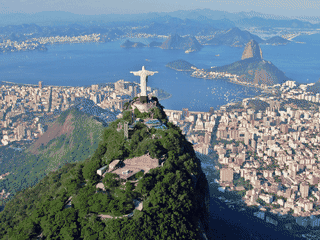
Rio de Janeiro pairs beaches with mountain landmarks such as Sugarloaf and Christ the Redeemer. Samba, capoeira and the Maracanã add cultural stops between coastal walks.
Rio Grande is the oldest city in Rio Grande do Sul state and one of Brazil's most important maritime ports, serving as a counterweight to the larger Pelotas nearby. With approximately 200,000 residents, the city offers a relaxed and authentic Brazilian experience with friendly locals.
Atlas entry
Salvador's cultural life includes Candomblé and capoeira performances at Mercado Modelo. Dendê oil gives Bahian cooking a distinctive flavor.
Santa Cruz do Sul is a charming German-Brazilian city founded in 1844, famous for hosting Rio Grande do Sul's largest Oktoberfest and the ENART festival celebrating gaúcho culture. The city offers a beautiful cathedral, a tree-lined main shopping street, and serves as a gateway to heritage-rich German-colonised rural towns like Sinimbu and Rio Pardo.
Atlas entry
Santa Maria de Jetibá is a small town in Espírito Santo known for its unique Pomeranian heritage. Descendants of immigrants from the Pomerania region (now split between Germany and Poland) have preserved their language, customs, and architecture here since the 19th century.
Atlas entry
Santa Maria is known as the geographic heart of Rio Grande do Sul state, serving as the gateway to Paleorrota, the state's paleontological tourism route with 20 fossil sites discovered since the early 20th century. The city of approximately 285,000 inhabitants maintains a vibrant university-town atmosphere centered on the Federal University of Santa Maria, one of Brazil's most important public universities, resulting in lively nightlife and cultural offerings.
Atlas entry
Santana do Livramento's main draw is its unique border location with Uruguay. Brazilians cross to shop at duty-free stores in Rivera, while Uruguayans come to Livramento for inexpensive goods on the Brazilian side.
Atlas entry
Santarém sits where the Tapajós and Amazon rivers meet. The city makes a useful regional transport base between Manaus and Belém.
Santo André is one of the municipalities composing Greater São Paulo, notable for its sharp contrast between the urban main district and the rainforest-covered Paranapiacaba district. The Paranapiacaba village preserves British railway-era architecture and serves as a gateway to the Atlantic forest with excellent hiking, including a 15km trail to the coast through Vale do Quilombo.
Atlas entry
Coffee-trading heritage and football history give this coastal city its character. A long beachfront garden adds an inviting setting for walks beside the sea.
Caminhos do Mar follows a former motorway through the Serra do Mar forest. The Billings reservoir adds a freshwater beach at Prainha de Riacho Grande.
São Caetano do Sul is a wealthy residential suburb in Greater São Paulo, notable for having the highest Human Development Index (HDI) in Brazil as of 2013. The city offers green spaces, cultural venues, and a quieter atmosphere compared to central São Paulo.
Atlas entry
São Cristóvão is a UNESCO World Heritage Site preserving one of Brazil's most significant colonial urban ensembles. Founded on January 1, 1590 as the fourth-oldest Brazilian city, it served as the capital of Sergipe until 1855.
Atlas entry
São Gabriel da Cachoeira is a compact river town that can be explored on foot. Nearby Ilha do Rei offers a different perspective on the Negro River from rustic wooden chalets.
São Gonçalo is primarily a residential and commercial hub in Greater Niterói, serving as a major commuter city with over 1 million inhabitants. Most travelers pass through en route to or from Rio de Janeiro rather than staying specifically for tourism.
Atlas entry
São João de Meriti is one of the most densely populated municipalities in Brazil, serving as a working-class urban center in Baixada Fluminense rather than a tourist destination. Most visitors pass through on their way to or from Rio de Janeiro, using the train connections from Central do Brasil or the metro Line 2 interchange at Pavuna.
Atlas entry
São João del Rei is the largest of the colonial mining towns in Minas Gerais, offering a more relaxed alternative to its famous neighbor Ouro Preto. While it lacks Ouro Preto's stunning geographical setting and abundance of churches, the town provides a pleasant atmosphere for a few days of relaxation.
Atlas entry
São Jorge is the primary gateway to Chapada dos Veadeiros National Park, a UNESCO World Heritage site famed for its dramatic canyons, waterfalls, and ancient rock formations. The village itself charms visitors with the raw art brut murals of autodidact artist Moacir Faria, depicting sacred and profane figures throughout town.
Atlas entry
São José is a city of 270,000 people in the Grande Florianópolis region of Santa Catarina state. The city was mainly settled by Azoreans in the 18th century, giving it colonial Portuguese heritage.
Atlas entry
São José dos Campos rewards an aviation-focused stop with the Memorial Aeroespacial Brasileiro. Aircraft displays and a Japanese garden at Parque Santos Dumont add an outdoor complement.
São Lourenço is one of Brazil's most important hydromineral resorts, drawing bus caravans from São Paulo and Rio de Janeiro every weekend. The city sits at 875m altitude with a mild tropical climate averaging 18°C, offering mineral water treatments, parks, and a festive atmosphere.
Atlas entry
São Luís rewards slow walks through a colonial center shaped by French foundations and Portuguese building traditions. Azulejo tiles give its historic architecture a distinctive character.
São Luiz do Paraitinga celebrates caipira culture through music and religious festivals. Its Carnaval de Marchinhas and Festa do Divino give the town a strong cultural identity.
São Miguel das Missões preserves the ruins of one of the most significant Jesuit Missions of the Guarani, now a UNESCO World Heritage Site. The 18th-century Church of St.
Atlas entry
São Miguel do Oeste is primarily a transit hub rather than a destination in itself. The city of 41,000 serves as a convenient overnight stopover for Argentine, Paraguayan, and Chilean tourists heading to Santa Catarina's beaches, and for Brazilians traveling to the famous Iguaçu Falls.
Atlas entry
São Miguel dos Milagres is a tiny fishing village on the coast of Alagoas that has earned the nickname "Brazilian Caribbean" for its turquoise, calm waters and coconut-fringed beaches. Unlike Brazil's famous beach destinations, it remains undeveloped and quiet, making it ideal for travelers seeking solitude, natural beauty, and slow-paced days.
Atlas entry
São Paulo offers a dining scene that ranges from street snacks to fine restaurants. It suits travelers who enjoy building a city visit around food.
São Sebastião is a sprawling coastal destination on São Paulo's North Coast, offering over 100 km of beaches with varying personalities—from the world-famous surf breaks at Maresias (part of the international circuit and dubbed the 'Ipanema of São Paulo') to calmer family beaches like Barra do Una. The compact historic center preserves 300-year-old colonial architecture around the Igreja Matriz, while the municipality maintains strict laws preventing tall buildings, preserving its somewhat rustic character.
Atlas entry
São Thomé das Letras attracts pilgrims and spiritual seekers with UFO lore and crystal shops. Cobbled streets, Baroque churches and surrounding rock formations reward a slower visit.
São Vicente is Brazil's oldest city, founded in 1532 by Portuguese settlers. While most historical heritage has been lost over time, the city draws visitors for its beaches along Baía de São Vicente and its proximity to Santos.
Atlas entry
Seropédica is a small municipality in Baixada Fluminense primarily known as a transit point along the BR-116 highway (Via Dutra) connecting Rio de Janeiro and São Paulo. The town is notable for hosting the Federal Rural University of Rio de Janeiro (UFRRJ), whose neocolonial campus with gardens, artificial lakes, and palm trees offers a pleasant green space.
Atlas entry
Serra da Bocaina National Park protects the largest continuous expanse of Brazil's Atlantic Forest within Serra do Mar. The park features waterfalls amid dense vegetation, diverse wildlife including deer, and the challenging 73-km Trilha do Ouro trail that ends at Angra dos Reis in 3 days.
Atlas entry
Serra Negra is a spa town in the Paulista Water Circuit, famous for mineral springs and mountain scenery. The city draws Brazilian families and couples for its cable car to Pico da Fonseca, public parks with drinking fountains, and regional shopping for wool, linen, leather goods, and handmade furniture.
Atlas entry
Serra is a coastal municipality in Central Espírito Santo, Brazil, offering Jesuit colonial architecture and Atlantic forest peaks without the crowds of major destinations. The city sits just north of Vitória, making it accessible for day trips or as a quiet base exploring the greater Vitória metropolitan area.
Atlas entry
Sobral is the state of Ceará's biggest economy outside the capital, yet the heat keeps most tourists away. This makes it an authentic, off-the-beaten-track destination for travelers seeking genuine local experiences rather than tourist infrastructure.
Atlas entry
Sorocaba is a large industrial city in São Paulo's interior that most tourists bypass, but it rewards visitors with one of Brazil's most cycling-friendly urban environments and a well-preserved historic downtown. The city stands out among Brazil's large cities for its relative safety and near-absence of favelas, making it a comfortable stop for budget travelers.
Atlas entry
Tabatinga sits at the meeting point of three South American nations on the Amazon River — Brazil, Colombia, and Peru. This isolated frontier town of roughly 70,000 people is only accessible by plane or boat through dense rainforest, making it a true destination for adventurous travelers.
Atlas entry
Tanguá is a small municipality in the eastern portion of the Rio de Janeiro metropolitan area. Until 1995, it was a district of Itaboraí before gaining independence.
Atlas entry
Taubaté is the second largest city in the Paraíba Valley and serves as an excellent base for exploring the North Coast region of São Paulo state. The city holds cultural significance as the birthplace of actor and film director Amácio Mazzaropi and writer Monteiro Lobato, both major figures in Brazilian culture with dedicated museums.
Atlas entry
Tefé is the last outpost of civilization before the Mamirauá Sustainable Development Reserve, one of the world's largest flooded forests and a UNESCO-recognized sustainable development model. The town sits on a lake formed by the Tefé River meeting the Solimões River (upper Amazon), offering access to extraordinary biodiversity, indigenous communities, and ecological research stations.
Atlas entry
Teixeira de Freitas is a mid-sized city in Southern Bahia serving primarily as a transit hub along the BR-101 highway. The city itself has minimal tourist infrastructure but functions as a practical overnight stop between coastal destinations like Caravelas and northern cities such as Eunápolis.
Atlas entry
Teresina is the capital of Piauí state and the only capital in Brazil not located on the coast. It sits between the Parnaíba and Poti rivers and maintains a small-town atmosphere despite its size.
Atlas entry
Tianguá is a city of 76,000 people in the Serra da Ibiapaba highlands of Ceará, Northeast Brazil. The local economy revolves around agriculture—sugarcane, sweet potato, cashew, strawberry, tomato, and pepper.
Atlas entry
Tibau do Sul is a coastal municipality in Rio Grande do Norte state, Brazil, containing three distinct villages along approximately 15 km of sandy beaches and dramatic cliffs. Pipa is the most developed and tourist-friendly, with bars, restaurants, and natural swimming pools perfect for families.
Atlas entry
Tiradentes invites slow walks through cobbled streets lined with colonial buildings. Regional cooking and an August food festival give the historic town a strong culinary appeal.
Tonantins is a small town on the north bank of the Solimões River in Amazonas, Brazil, located 867 km by river to the west of Manaus. While not a typical tourist destination, it serves as a convenient stopping point for travelers journeying along the Amazon River system.
Atlas entry
Tracunhaém is one of Brazil's main ceramic and clay art production centers, with half the population employed directly or indirectly in artisan work. The town's name comes from the native Tupi-Guarani language, meaning 'Ants Pot'.
Atlas entry
Tubarão is a mid-sized city in southern Santa Catarina state, serving as a regional center and transit point along the BR-101 highway. The city preserves some historical heritage including a railroad museum and 19th-century buildings, though tourist infrastructure is limited.
Atlas entry
Ubajara National Park (Parque Nacional de Ubajara) is the smallest national park in Brazil, yet it delivers an outsized natural experience. The park covers 6,200 hectares and is bordered by other protected natural areas in the state of Ceará in northeastern Brazil.
Atlas entry
Ubatuba spreads beaches along a coast backed by Atlantic rainforest. Surf breaks, forest trails and offshore islands give it variety beyond the town itself.
Uberlândia is Brazil's second-largest city in the state of Minas Gerais, located in the Triângulo Mineiro region. The city offers a sophisticated urban experience with extensive shopping opportunities, vibrant nightlife, and expansive green spaces including the renowned Parque do Sabiá with its zoo, lakes, and sports facilities.
Atlas entry
Uruguaiana is a strategic border town in southern Brazil, once the tripoint meeting point of Brazil, Argentina, and Uruguay. It remains a primary transit hub for travelers crossing between these three countries, offering one of the most affordable gateways into Brazil from Argentina.
Atlas entry
Vale do Capão is a small valley village that serves as one of the main gateways into Chapada Diamantina National Park in Bahia, Brazil. The village has a laid-back, hippie atmosphere with colorful pousadas, vegetarian restaurants, and a strong backpacker community.
Atlas entry
Valinhos sits 73 km from São Paulo in the Campinas Region, offering a counterweight to big-city chaos. The city celebrates its Italian immigrant heritage through historic museums, Gothic-Roman churches, and an annual fig festival drawing thousands.
Atlas entry
Várzea Grande is primarily a transit hub rather than a destination in its own right. The city of roughly 260,000 inhabitants sits directly across the Cuiaba River from Cuiaba, forming a metropolitan area of nearly one million people.
Atlas entry
Vila Velha mixes beach days with colonial heritage on the Espírito Santo coast. The hilltop Convento da Penha gives the city a distinctive historic landmark.
Vitória is the compact capital of Espírito Santo, with beaches and cultural attractions. Its coastal setting suits a relaxed city stay.
In development: the whole atlas offline, a trip planner and a private journal. We'll post here when it ships. No newsletter to join.
_Prefeitura_de_Oinda_-_51899919595.jpg)
.jpg)


