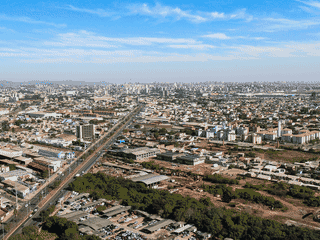
Overview
Pelotas pairs grand mansions with a distinctive tradition of sweets. Its historic streets reveal the wealth once made from the charque trade.
Architecture · Food · History · Lake
Did you know?
- Laranjal Beach lies on the shores of Lagoa dos Patos.
- Quindins and bem-casados feature in the local sweet-making tradition.
- Charque fortunes financed European-style mansions.
Why Go?
Pelotas is a lesser-known gem in Brazil's southernmost state, offering colonial grandeur without the crowds of major tourist destinations. The city is famous for its doces (sweets), earning the title of National Sweet Capital, and its well-preserved 19th-century European-style mansions built by wealthy charque (jerky beef) barons. With around 320,000 inhabitants, it's the fourth largest city in Rio Grande do Sul and provides a authentic glimpse into the region's history and gastronomy.
Understand
Founded in 1812, Pelotas flourished during the 19th century as a center for charque trade, exporting this prized jerky beef worldwide. The wealth generated created opulent neighborhoods with neoclassical, neo-Gothic, and art deco architecture. Today, visitors can explore splendid mansions, charming squares, and cultural centers showcasing local arts. The city also embraces its coastal location, with Praia do Laranjal on Lagoa dos Patos offering serene natural beauty.
When to Go
Pelotas experiences a humid subtropical climate with four distinct seasons. Summer (December to February) brings highs around 30°C but also thunderstorms; spring and autumn offer mild 15-25°C weather ideal for sightseeing. Winter (June to August) is cool (5-15°C) and driest, though snow is extremely rare. The highlight event is Fenadoce in June, a two-week festival celebrating the city's sweet culinary heritage with workshops and live music.
Getting In
Pelotas is accessed via Porto Alegre (POA), the nearest major airport with international connections. The city lies on BR-116 and BR-293 highways connecting to Porto Alegre to the north and Jaguarão to the south. Bus services connect Pelotas to major cities in Rio Grande do Sul and beyond.
Get Around
The Centro Histórico is best explored on foot, with main attractions concentrated in a walkable area. Taxis and ride services (like Uber) are readily available for reaching farther attractions like Praia do Laranjal. The city has no metro or tram system.
See
Pelotas' architectural heritage is centered around its historic downtown. The Cathedral of St. Francis de Paola is a neo-Baroque masterpiece with intricate details and towering spires. The Charqueada São João shows the historic charque production process. Museu da Baronesa displays 19th-century elite lifestyle artifacts in a preserved mansion. Mercado Central offers vibrant market atmosphere with regional produce, handicrafts, and the famous doces de Pelotas.
Do
Nature lovers can visit Laranjal Beach on Lagoa dos Patos for walking, biking, and picnicking. Sports fans can attend soccer matches at Estádio Boca do Lobo (Esporte Clube Pelotas) or Bento Freitas Stadium (Brasil de Pelotas), two of Brazil's oldest football clubs. The annual Fenadoce festival in June features sweet tastings, cooking workshops, and live music performances.
Eat
Pelotas is Brazil's National Sweet Capital, famous for doces de Pelotas made with egg yolks, sugar, and fruit. The iconic pé-de-moleque is a peanut-based treat, while quindins, cameos, and bem-casados are traditional favorites sold at Otto, Doçaria Pelotense, and Café Aquarius. For savory meals, traditional churrasco (barbecue) with rice, beans, and farofa is widely available at steakhouses throughout the city.
Drink
The central and Porto areas have the busiest nightlife with several bars offering live music for all tastes. Traditional Brazilian beverages and local craft beers can be found at bars and restaurants throughout the city center.
Where to Stay
The Centro Histórico is the most convenient base for sightseeing, with easy access to main attractions and restaurants. For a more peaceful atmosphere near nature, consider staying near Laranjal Beach with lake views. Options range from guesthouses to modern hotels, with most mid-range hotels offering air conditioning, breakfast, and cable TV.
Stay Safe
Take standard urban precautions: avoid poorly lit areas at night, keep personal belongings secure in crowded places, and be aware of your surroundings. Like any Brazilian city, petty theft can occur in tourist areas.
Stay Healthy
SAMU (paramedics) can be reached toll-free at 192 for emergencies. UPAs (Unidades de Pronto Atendimento) provide 24/7 urgent care for medium to high complexity cases. Health posts handle mild symptoms Monday to Friday, 08:00-17:00. Hospitals attend to highly complex and emergency cases 24/7. All public health services are free.
Go Next
Rio Grande is a port city 70 km east with magnificent historical architecture and Cassino Beach, the world's longest sea beach. São José do Norte lies on the canal between Lagoa dos Patos and the Atlantic with pristine beaches. BR-116 connects north to Porto Alegre and south to Jaguarão; BR-293 leads west to Bagé; BR-471 runs south to Rio Grande.
Guide text adapted from Wikivoyage contributors under CC BY-SA 4.0.
Where to start
Sleep
Curi Hotel
90-room hotel with luxury, standard, and simple room options
Sleep
Curi Palace Hotel
95-room hotel with disability access, restaurant, gym, and meeting facilities
Sleep
Hotel Estoril
56-room hotel with cable TV and 24-hour room service
Sleep
Hotel Manta
Large hotel near Centro with pool, gym, and air conditioning
Eat
Café Aquarius
Traditional café with regional sweets and pastries
Eat
Doçaria Pelotense
Historic sweet shop specializing in traditional Pelotas sweets
Eat
Mercado Central
Bustling central market with fresh produce, regional delicacies, handicrafts, and sweets
Eat
Otto
Traditional pastry shop serving famous doces de Pelotas
Before you go
Connectivity
Major Brazilian carriers (Vivo, Claro, TIM, Oi) provide mobile coverage. WiFi available at hotels and some restaurants.
Food
Don't miss doces de Pelotas (sweets) like pé-de-moleque and quindins. Traditional churrasco is widely available.
Health
SAMU emergency: 192. UPAs open 24/7 for urgent care. Public health services are free.
Language
Portuguese is the local language. English is limited outside tourist establishments.
Money
Brazil uses the Real (BRL). ATMs are widely available in the city center. Credit cards are accepted at hotels and larger restaurants.
Safety
Standard urban precautions apply. Avoid poorly lit areas at night and secure belongings in crowded areas.
Transport
Walkable Centro Histórico for main attractions. Taxis and ride services available for Laranjal Beach and other distant sites.
Weather
Humid subtropical climate. Summers (Dec-Feb) hot and wet (up to 30°C); winters cool and dry (5-15°C). Pack accordingly by season.