.jpg)
Porto Alegre
South America · Brazil
Did you know?
- Gaúcho regional identity has strong connections to the history of the Ragamuffin War.
- Churrascaria Giovanaz serves all-you-can-eat barbecue in Cidade Baixa.
- Usina do Gasômetro is a waterfront spot for sunset over Lake Guaíba.
See also
Caxias do Sul
Brazil29.17°S 51.18°W · 817 m
Overview
Porto Alegre's Guaíba waterfront invites a pause at sunset. Usina do Gasômetro and Ipanema offer waterside vantage points.
Languages: Portuguese
Why Go
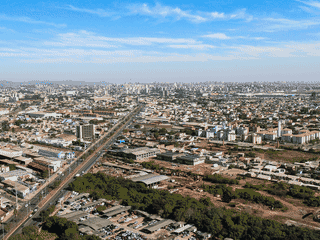
Porto Alegre is the capital of Rio Grande do Sul state, with 4.4 million people in its metropolitan area. It is one of Brazil's richest cities, with the highest literacy rate (97%) and quality of life among state capitals. The city serves as the primary gateway to the Serras Gaúchas region, a major domestic tourism destination. Gaúchos (state natives) are proud of their distinct culture, influenced by Portuguese, Italian, and German immigrants, and the city is known as the Mercosur Capital.
Adapted from Wikivoyage contributors · CC BY-SA 4.0
When to Go
Porto Alegre has a humid subtropical climate with well-defined seasons. Summer (December-February) is hot and humid, with temperatures reaching 40°C, earning the nickname 'Forno Alegre' (Oven Alegre). Winter (June-August) is cool with average temperatures around 15°C during the day and 10°C at night, though 'veranico' (Indian summer) can bring warm spells. Frost occurs occasionally, but snow is rare (last time in 1984). Afternoon thunderstorms are common in spring and summer. The city is sunny year-round, so sunscreen is recommended. March to May tends to be drier.
Adapted from Wikivoyage contributors · CC BY-SA 4.0
Getting In
Salgado Filho International Airport is the main airport in Rio Grande do Sul, among the ten busiest in Brazil, with flights from São Paulo, Rio de Janeiro, Belo Horizonte, Brasília, Curitiba, Florianópolis, Foz do Iguaçu, Montevideo, and Córdoba (Argentina). It is located 7 km from downtown. The Porto Alegre Bus Terminal (Estação Rodoviária) at Largo Vespasiano Júlio Veppo, 70 is the main intercity bus station, connected to the Trensub railway station.
Adapted from Wikivoyage contributors · CC BY-SA 4.0
Getting Around
The city is organized in a semi-circle expanding outward from the Historic District near the harbor. Radial avenues (radiais) connect downtown to outer areas, while circular avenues (perimetrais) connect neighborhoods to each other. Public transport includes buses and the Trensurb metro system. The Historic District is walkable, but to reach neighborhoods like Moinhos de Vento or Cidade Baixa, buses are recommended.
Adapted from Wikivoyage contributors · CC BY-SA 4.0
Where to Stay
The Historic District and Cidade Baixa are the most convenient areas for backpackers. POA Eco Hostel in Cidade Baixa offers dorm beds, swimming pool, and breakfast included. Hotel Ritz near the Historic District has dorm beds from R$35 with breakfast extra. Hotel Ibis Budget is 200m from the central bus station. Budget travelers should expect R$35-80 for hostel dorms and R$145+ for budget hotels.
Adapted from Wikivoyage contributors · CC BY-SA 4.0
Food and Drink
Porto Alegre offers excellent churrascarias (Brazilian steakhouses) like Churrascaria Giovanaz in Cidade Baixa (R$60-80 all-you-can-eat). Lancheria do Parque in Bom Fim has the best cheap eats with fresh juices, sandwiches, and plates under R$30. Reçaka Bar and Tudo Pelo Social in Cidade Baixa serve quality meals at unbeatable prices. Bar do Beto offers Italian dishes like fillet à parmeggiana. For vegan options, try Espaço Veganista (R$26 buffet) or Agridoce café. The city's nightlife centers on Cidade Baixa, Moinhos de Vento, and the Fourth District (Quarto Distrito).
Adapted from Wikivoyage contributors · CC BY-SA 4.0
Things to Do
Watch the sunset over Lake Guaíba from Usina do Gasômetro or Ipanema waterfront—this brief spectacle lasts only five minutes. Board the Cisne Branco boat for a 1.5-hour sunset cruise with live Brazilian music departing from Cais do Porto at 17:30. The Linha Turismo bus covers 28km through 11 neighborhoods with audio guides (R$30 normal fare, R$15 students). Visit MARGS (Rio Grande do Sul Arts Museum) and the Iberê Camargo Foundation for contemporary art. The Metropolitan Cathedral features a 65-metre dome, while the Minor Basilica of Our Lady of Sorrows is the oldest church (built 1807-1904). On Sundays, explore the Brique da Redenção antique fair at Farroupilha Park.
Adapted from Wikivoyage contributors · CC BY-SA 4.0
Safety
Porto Alegre has significantly reduced violent crime: homicide rate dropped from 45.5 per 100,000 in 2018 to 16.6 in 2021. However, use common sense. Avoid Restinga neighborhood and watch for pickpockets in the Historic District, especially on Avenida Voluntários da Pátria. At night, avoid dark and poorly lit areas including the region near UFRGS Central Campus, Rua Sarmento Leite, the Conceição Tunnel, and under the Conceição Viaduct. Parks are dangerous after dark. Don't show valuables or wear expensive jewelry. Most upper-class neighborhoods like Moinhos de Vento, Bela Vista, and Higienópolis are reasonably safe.
Adapted from Wikivoyage contributors · CC BY-SA 4.0
Connectivity
The area code is 51. The entire city is covered by 4G mobile internet via Vivo, Tim, and Claro. Recharging cards are available in supermarkets, pharmacies, and electronics stores. Porto Alegre is the first Brazilian capital to introduce 5G technology in some neighborhoods, with gradual expansion planned until 2025. For international calls, dial 00 + operator code + country code (+55 for Brazil) + city code + number. For national calls, press 0 + operator code + area code (DDD) + number.
Adapted from Wikivoyage contributors · CC BY-SA 4.0
Budget
Budget travelers should plan for approximately R$100-150 per day in Porto Alegre. Hostel dorms cost R$35-80, budget hotels R$145+, and meals range from R$15-30 at cheap eateries to R$60-80 at churrascarias. Public transport is affordable, and many attractions like MARGS, Iberê Camargo Foundation, and the Metropolitan Cathedral are free. Linha Turismo bus tours cost R$30 (R$15 for students). Avoid flashy displays of wealth to blend in with locals.
Adapted from Wikivoyage contributors · CC BY-SA 4.0
Day Trips
Gramado is a German-themed tourist city in the Serra Gaúcha, 105km (under 2 hours) from Porto Alegre, especially popular during Christmas (November through early January). The Aparados da Serra National Park (Monkey Canyons) is 190km away via BR-101, featuring waterfalls, escarpments, and tropical forests. São Miguel das Missões has a UNESCO World Heritage Site Jesuit mission, nearly 500km away (7+ hours by car). The Caminhos de Pedra route through Bento Gonçalves and Caxias do Sul showcases original Italian immigrant houses converted into restaurants and wine shops. The Romantic Route connects several scenic cities in the Serra Gaúcha.
Adapted from Wikivoyage contributors · CC BY-SA 4.0
Etiquette
Gaúchos are proud of their regional identity and may consider themselves distinct from other Brazilians. When discussing the Ragamuffin War or other state history, show respect for local pride. Tipping 10% at restaurants is appreciated but not mandatory. Dress modestly when visiting churches. During winter evenings, bring warm clothing as wind can be strong near Lake Guaíba.
Adapted from Wikivoyage contributors · CC BY-SA 4.0
Go Next
From Porto Alegre, major road routes include BR-116 south to Pelotas and north to Caxias do Sul, BR-290 east to Uruguaiana and west to Osório, RS-040 to Balneário Pinhal, and RS-020 to São Francisco de Paula. The city serves as a transit hub for Southern Brazil, midway between São Paulo and Buenos Aires, with easy connections to Uruguay and Argentina. Bus services connect to all major regional destinations including Gramado, Bento Gonçalves, and the Jesuit Missions.
Adapted from Wikivoyage contributors · CC BY-SA 4.0
Field guide adapted from Wikivoyage contributors · CC BY-SA 4.0. Text has been adapted and organized for this guide. About our sources.
Places to know
A few starting points from the guide. Check current hours and prices before you go.
- sleep
Casa Azul Hostel
(in Portuguese)
Adapted from Wikivoyage contributors
- sleep
Hotel Deville Prime Porto Alegre Airport
Adapted from Wikivoyage contributors
- sleep
Hotel Ibis Aeroporto
Has easy access and also has an international restaurant.
Recorded price: R$ 145 per night
Adapted from Wikivoyage contributors
- sleep
Hotel Ibis Budget Porto Alegre
Has Wi-Fi and breakfast.
Adapted from Wikivoyage contributors
- sleep
Hotel Ritz
Quite a few students, and some others, living here permanently. Clean bedrooms. Internet, Wifi. Free use of kitchen. English and Spanish spoken.
Recorded price: Dorm bed R$ 35, also singles and doubles. Breakfast extra R$ 5
Adapted from Wikivoyage contributors
- eat
Agridoce
Café with a strong antique, slightly quirky atmosphere and almost Alice-in-Wonderland decorations, with old chairs and curtains, dishes and suitcases adorning some of the walls, upside-down lamps on the ceiling of one room and old-fashioned keys on the menu. Tea, quiches, sandwiches, desserts, and other food, including good vegan options.
Recorded price: R$30-50
Adapted from Wikivoyage contributors
- eat
Bar do Beto
Delicious options including typical Italian plates such as Fillet à parmeggiana (bovine meat covered with tomato sauce, cheese and ham). You can also ask for snacks or sandwiches.
Adapted from Wikivoyage contributors
- eat
Churrascaria Giovanaz
An inexpensive churrascaria in the Cidade Baixa. You can eat as much meat (and side dishes) as you like.
Recorded price: R$60-80
Adapted from Wikivoyage contributors
Before you go
Connectivity
4G coverage by Vivo, Tim, and Claro. 5G being introduced. Area code is 51. Recharging cards available at supermarkets and pharmacies.
Culture
Gaúchos are proud of their distinct heritage. The Ragamuffin War and other state history are important cultural touchstones. City known as Mercosur Capital.
Electricity
Power voltage is 127V (unlike rest of Rio Grande do Sul at 220V). Many devices are bi-volt—always check before plugging in.
Health
Lake Guaíba is polluted—bathing not recommended. DMAE publishes regular bathing reports since 2021. Standard precautions for Brazilian cities apply.
Language
Portuguese is the official language. Spanish is understood but not widely spoken. English limited outside tourist areas.
Money
Brazil's currency is the Real (BRL). Credit cards widely accepted at hotels, restaurants, and shops. ATMs available throughout the city. Cash preferred at street markets and some small restaurants.
Safety
Homicide rate 16.6 per 100,000 (2021). Avoid Restinga, dark streets at night, and showing valuables. Upper-class neighborhoods like Moinhos de Vento are safer.
Transport
City uses radial and perimetral avenue system. Trensurb metro connects the airport. Buses are the main public transport. Bus terminal (Rodoviária) near city center.
Weather
Hot humid summers (up to 40°C, 'Forno Alegre'). Cool winters (avg 15°C day, 10°C night). Occasional frost, rare snow. Thunderstorms common in spring/summer.