João Pessoa
South America · Brazil
Did you know?
- Castro Pinto airport sits in the neighboring municipality of Bayeux.
- Mangai serves regional dishes from a buffet priced by weight.
- Coastal walks link Tambaú and Cabo Branco toward Ponta do Seixas.
See also
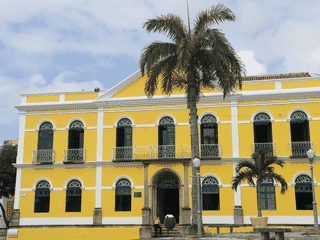
_Prefeitura_de_Oinda_-_51899919595.jpg)
Olinda
Brazil8.00°S 34.88°W · 16 m
Overview
Tambaú and Cabo Branco anchor a beach-focused visit. Coastal walks continue south toward Ponta do Seixas.
Languages: Portuguese
Why go?
João Pessoa remains an undiscovered paradise by Brazilian standards, with few foreign visitors despite its wealth of attractions. The city offers Atlantic beaches like Tambaú and Cabo Branco that stretch virtually deserted for kilometers, colonial churches blending Portuguese, Dutch, and French architectural influences, and Ponta do Seixas — the easternmost mainland point in the Americas. Compared to flashier destinations like Recife or Natal, João Pessoa delivers a more relaxed, authentic northeastern Brazilian experience at lower prices.
Adapted from Wikivoyage contributors · CC BY-SA 4.0
Getting there
The city is served by Presidente Castro Pinto International Airport (JPA), located in the neighboring municipality of Bayeux. Regional buses connect João Pessoa to nearby coastal towns and inland destinations, while the BR-101 highway passes through the city connecting northward to Natal and southward to Recife and Olinda.
Adapted from Wikivoyage contributors · CC BY-SA 4.0
Getting around
Uber and 99 Taxi operate throughout the city and are the recommended transport options for safety-conscious travelers. City buses serve the coastline and downtown areas, though the article strongly advises tourists to avoid bus travel due to frequent robberies targeting foreigners.
Adapted from Wikivoyage contributors · CC BY-SA 4.0
When to go
The climate chart shows João Pessoa stays warm year-round, with temperatures ranging from 21.9°C in July to 31.2°C in March. Rainfall peaks from May to August, with July receiving 284.9mm — the wettest month — while October and November are the driest months with only 21-31mm of rain. The beach season runs year-round for swimming, though the drier months from October to December offer more reliable weather for sightseeing.
Adapted from Wikivoyage contributors · CC BY-SA 4.0
Where to stay
The 5-km beachfront of Cabo Branco and Tambaú hosts hotels across all price ranges, though budget options are limited. Manaíra and Tambaú neighborhoods offer the best selection of hostels and guesthouses, with dorm beds starting around R$ 43-50. Off-peak discounts can reach 40%, so bargaining is worthwhile. Central accommodations near the historic district offer proximity to colonial architecture but require more beach travel.
Adapted from Wikivoyage contributors · CC BY-SA 4.0
Food and drink
Local cuisine includes regional buffet restaurants where food is sold by weight — Mangai on Avenida General Edson Ramalho charges R$ 56.90 per kilo for extensive regional dishes. Vale do Sabugi near the Tambaú beachfront offers buffet with grilled meats starting at R$ 6 during lunch. Hamburger stands cluster around the lagoon, while beachfront shacks along Tambaú and Cabo Branco serve drinks and snacks throughout the day. The feirinha (small fair) in Tambaú features handicraft stalls and informal food vendors.
Adapted from Wikivoyage contributors · CC BY-SA 4.0
Things to do
Beach activities center on Tambaú and Cabo Branco beaches, where you can walk south to Ponta do Seixas. Boat trips to Picãozinho (reef snorkeling) and Areia Vermelha (offshore sandbar) depart from Cabo Branco beach for approximately R$ 25, though both destinations require low tide. The historic center features the Igreja do São Francisco (1589-1779), a church mixing Portuguese, Dutch, French, and Goan architectural influences with Portuguese azulejo tiling and a 40-m-wide mural ceiling. Other sights include the former post office, Teatro Santa Rosa, and the João Pessoa botanical garden (Jardim Botânico).
Adapted from Wikivoyage contributors · CC BY-SA 4.0
Safety
Tourists should avoid city buses entirely due to frequent armed robberies targeting foreigners — thugs easily identify outsiders. Carry a capanga (small frontal pouch) with a small amount of cash to hand over in case of mugging; not having money can escalate violence. ATMs inside shopping malls are safer than street machines. Avoid walking from the beachfront to the city center after dark; take a taxi instead. Even in wealthy neighborhoods like Cabo Branco, Manaíra, and Tambaú, avoid displaying expensive watches, cameras, or phones. Do not resist during robbery. Park cars only on the coast and never leave valuables inside.
Adapted from Wikivoyage contributors · CC BY-SA 4.0
Connectivity
Internet cafes operate at the Centro Turístico Tambau (R$ 3/hour), ice cream bar Pigelatti (R$ 5/hour), and near Pousada Gameleira (R$ 2/hour). Uber and 99 Taxi apps work for ride-hailing. Mobile data requires a local Brazilian SIM card from providers like Claro, TIM, or Vivo, available at shopping malls and phone stores.
Adapted from Wikivoyage contributors · CC BY-SA 4.0
Budget
A backpacker budget in João Pessoa can stretch with strategic choices: dorm beds from R$ 43-50, self-service buffets at R$ 6-57 per kilo, boat trips at R$ 25, and internet from R$ 2-5/hour. Beach shacks serve cheap drinks and snacks, while accommodation discounts of up to 40% are available off-peak. The city offers good value for northeastern Brazil, with meals under R$ 20 for self-service buffets and beach activities costing little beyond transport.
Adapted from Wikivoyage contributors · CC BY-SA 4.0
Day trips
Tambaba beach, 40 km south on Highway PB-008, is northeastern Brazil's first regulated nudism beach. Other accessible destinations include Praia de Pipa (beach town), Natal (capital to the north), Recife with its historic center, Olinda's colonial architecture, and Porto de Galinhas beach. All these destinations have hostel accommodation for overnight stays.
Adapted from Wikivoyage contributors · CC BY-SA 4.0
Go next
BR-101 highway connects João Pessoa north to Natal (reachable via Parnamirim) and south to Recife (via Olinda). Tambaba beach lies 40 km south on PB-008. Beach destinations like Praia de Pipa and Porto de Galinhas offer coastal alternatives, while Olinda provides UNESCO-worthy colonial architecture just south of Recife.
Adapted from Wikivoyage contributors · CC BY-SA 4.0
Field guide adapted from Wikivoyage contributors · CC BY-SA 4.0. Text has been adapted and organized for this guide. About our sources.
Places to know
A few starting points from the guide. Check current hours and prices before you go.
- sleep
Guarany Hotel
.
Recorded price: R$ 72
Adapted from Wikivoyage contributors
- sleep
J. R. Hotel
This hotel has a nice dining area and good continental breakfast. However, the rooms are very simple and dimly lit, the mattresses and pillows eternally damp and the flimsy doors insecure with poor quality locks. The open hallways give the hotel a feel of a government housing project (COHAB) more than a hotel taking advantage of the warm breezes of Brazil. An inexpensive place for some shut eye, but not a hotel for an extended stay.
Recorded price: R$ 83
Adapted from Wikivoyage contributors
- sleep
Manaíra Hostel
Breakfast included.
Recorded price: Shared dorms from R$ 43-50 (May 2021)
Adapted from Wikivoyage contributors
- sleep
Mar Azul Hotel Pousada
Beachfront on a less attractive part of the beach. Small apartments with cooking facilities, TV and fan. No breakfast.
Adapted from Wikivoyage contributors
- sleep
Pousada Alternativa
No breakfast, shared bathroom. Also has larger rooms
Adapted from Wikivoyage contributors
- sleep
Pousada Canta Maré
Adapted from Wikivoyage contributors
- sleep
Tropical Hotel Tambau
Recorded price: Single R$ 200
Adapted from Wikivoyage contributors
- eat
Bahamas Restaurant
Beachfront restaurant in Tambaú
Adapted from Wikivoyage contributors
Before you go
Beaches
Some beaches have unsafe swimming conditions — check SUDEMA's weekly beach quality report (sudema.pb.gov.br) before swimming. Boat trips to Picãozinho and Areia Vermelha require low tide.
Money
Brazilian Real (R$) is the currency. ATMs are widespread; prefer those inside shopping centers. Credit and debit cards widely accepted. Off-peak accommodation discounts reach 40%.
Safety
Avoid buses due to armed robbery targeting tourists. Use taxis or rideshare apps instead. Carry small cash in a capanga pouch to hand over if mugged; never resist. ATMs inside shopping malls are safest.
Transport
Uber and 99 Taxi available throughout the city. City buses are unsafe for tourists due to frequent robbery. Rental cars require parking only on the coast to avoid theft.
Weather
Year-round warmth (21-31°C). Rainy season May-August with July receiving 285mm. Driest months October-November offer best weather for sightseeing.