_Prefeitura_de_Oinda_-_51899919595.jpg)
Olinda
South America · Brazil
Did you know?
- Baked pumpkin stuffed with shrimp appears on the menu at Oficina do Sabor.
- Saturday-night serenades share the calendar with weekly forró and maracatú events.
- The historic center is a UNESCO World Heritage Site.
See also
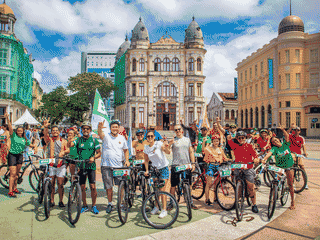

Recife
Brazil8.05°S 34.90°W · 6 m
Porto de Galinhas
Brazil8.50°S 35.00°W · 10 m
Overview
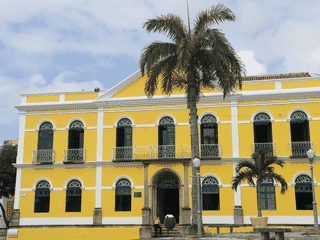
Olinda's colonial streets and churches form a UNESCO-listed historic center. Carnival is a major part of the city's cultural life.
Languages: Portuguese
Why Go
Olinda is a UNESCO World Heritage Site in Pernambuco state, celebrated for its well-preserved 16th and 17th century colonial architecture and one of Brazil's most famous carnivals. The city combines baroque churches, colorful colonial buildings, and vibrant cultural scenes featuring forró and maracatú music, all within a compact historic center perfect for walking exploration.
Adapted from Wikivoyage contributors · CC BY-SA 4.0
Understand
Founded in 1537 by Portuguese Duarte Coelho Coelho Pereira, Olinda rose rapidly due to sugarcane plantations in the surrounding area. Religious missions from the 16th century onward constructed many churches and convents. The Dutch pillaged and burned the city in 1631, with the Church of São João being one of the few surviving buildings. The Portuguese returned in 1654, and most existing buildings date from the 18th century.
Adapted from Wikivoyage contributors · CC BY-SA 4.0
Getting In
Olinda is located 7 km north of Recife and can be easily accessed via Recife's airports and bus stations. Local buses connect Olinda with Recife and surrounding beach areas. The BR-101 highway passes through, connecting Olinda north to Natal and south toward Maceió.
Adapted from Wikivoyage contributors · CC BY-SA 4.0
Get Around
The historic center is compact and can be fully explored on foot. Local buses serve nearby beaches to the north including Pau Amarelo and Maria Farinha, as well as connections to Igarassu and Ilha de Itamaracá.
Adapted from Wikivoyage contributors · CC BY-SA 4.0
When To Go
Olinda hosts one of Brazil's most famous carnivals, typically in February or March. During Carnival, prices triple and reservations are essential. Outside Carnival season, the city features year-round Saturday night serenades and weekly forró and maracatú events in clubs and town squares.
Adapted from Wikivoyage contributors · CC BY-SA 4.0
Where To Stay
Olinda offers accommodation from budget hostels to charming pousadas. Dorm beds start around R$ 35 at Albergue de Olinda, with private doubles ranging R$ 80-100. During Carnival, prices triple and bookings for the full five nights (Friday through Wednesday) are required. The historic center near Praça do Carmo and Rua Prudente de Morais offers the best locations for exploring.
Adapted from Wikivoyage contributors · CC BY-SA 4.0
Food And Drink
Local dining options include Sargação near Praça do Carmo serving sandwiches and burgers late into the night, self-service restaurants like Mourisco at Praça João Alfredo at reasonable prices, and upscale Oficina do Sabor with views of Recife offering dishes like baked pumpkin stuffed with shrimp (R$ 18). Alto da Sé hosts lively food vendors in early evenings, though prices there tend to be inflated for tourists.
Adapted from Wikivoyage contributors · CC BY-SA 4.0
Things To Do
Olinda's churches and museums showcase its colonial heritage: the Olinda Cathedral (first church in Brazil, 1540), Mosteiro de São Bento with exceptional woodcarvings (1582), and Convento São Francisco (1585) with the Capela de São Roque and Igreja de Nossa Senhora das Neves. Cultural venues include the Contemporary Art Museum of Pernambuco (R$ 5, students R$ 2.50), Olinda Regional Museum (R$ 1), and Puppet Museum. Capoeira enthusiasts can visit Angola Mae Capoeira School.
Adapted from Wikivoyage contributors · CC BY-SA 4.0
Buy
Local crafts and artwork are available throughout the historic center. Be wary of making purchases near Alto da Sé as prices are inflated due to tourist traffic. Mercado da Ribeira houses a variety of shops. Musical instruments used in maracatu and forró music are popular souvenirs.
Adapted from Wikivoyage contributors · CC BY-SA 4.0
Nightlife
The prefeitura publishes a monthly nightlife guide available at tourist offices and hotels. Mercado Eufrasio Barbosa hosts cultural presentations and live music. Xinxim da Bahiana near Praça do Carmo features live bands and DJs, with forró on Wednesday and Saturday nights. Every other Saturday, the Amparo neighborhood hosts samba de coco street parties. Casa da Rabeca do Brasil in Cidade Tabajara offers forró every Saturday night. Maracatu nations hold open rehearsals throughout the year.
Adapted from Wikivoyage contributors · CC BY-SA 4.0
Day Trips
Recife is just 7 km away and worth a visit. Take a local bus to Igarassu to see the oldest church in Brazil. Continue to Ilha de Itamaracá for beautiful beaches, the Centro Cultural de Lia specializing in ciranda music, Coroa do Avião sandy island, IBAMA Centro Peixe Boi manatee preservation center, and Forte Orange, a 17th-century Dutch fortress. Local buses also serve beaches north of Olinda including Pau Amarelo and Maria Farinha.
Adapted from Wikivoyage contributors · CC BY-SA 4.0
Go Next
Recife is 7 km south and easily accessible. To the north, take local buses to Igarassu and continue to Ilha de Itamaracá with its beaches and cultural sites. BR-101 connects north to João Pessoa and Natal, south to Maceió and Recife.
Adapted from Wikivoyage contributors · CC BY-SA 4.0
Field guide adapted from Wikivoyage contributors · CC BY-SA 4.0. Text has been adapted and organized for this guide. About our sources.
Places to know
A few starting points from the guide. Check current hours and prices before you go.
- sleep
Albergue de Olinda
Hostel.
Recorded price: Dorm bed R$ 35, doubles R$ 80
Adapted from Wikivoyage contributors
- sleep
Cama e Café Olinda
A ventilated room with a view of Olinda, Recife and Atlantic. Owners speak Portuguese, English and German. Internet Wi-Fi, refrigerator, TV, independent entrance and proper bathroom.
Adapted from Wikivoyage contributors
- sleep
Casa do Hilton
Adapted from Wikivoyage contributors
- sleep
Hotel 7 Colinas
Adapted from Wikivoyage contributors
- sleep
Pousada Alquimia
Charming pousada with a bit worn, but very clean rooms. Excellent location close to the main square. The owner, Djair, is a very friendly sailor-like guy who makes a great breakfast (included). Small book-exchange (a few non-portuguese) and cool decorations.
Recorded price: Double with bathroom R$ 80
Adapted from Wikivoyage contributors
- sleep
Pousada Olinda Bela Vista
Adapted from Wikivoyage contributors
- sleep
Pousada d'Olinda
Recorded price: Dorm bed R$ 25, doubles R$ 80
Adapted from Wikivoyage contributors
- sleep
Pousada de Amparo
Adapted from Wikivoyage contributors
Before you go
Accommodation
Reservations essential during Carnival (February/March) when prices triple. Budget options include dorm beds from R$ 35 at Albergue de Olinda.
Connectivity
Internet cafes available at Praça do Carmo including Olinda Internet Cafe and Olind@.com.
Health
Medical services available including Prontolinda Medical Services. Pharmacies located throughout the city center.
Language
Portuguese is the official language. Some English spoken at tourist-oriented establishments, but Spanish may be more commonly understood for basic communication.
Money
Brazilian Real (R$) is the local currency. ATMs available near Praça do Carmo at Banco do Brasil on Avenida Getulio Vargas.
Safety
Standard urban precautions apply. Avoid flash jewelry or electronics in quiet areas at night. Alto da Sé area can attract petty theft.
Transport
Local buses connect Olinda with Recife and nearby beaches. The historic center is walkable. Taxis available for reaching Cidade Tabajara and areas outside town.