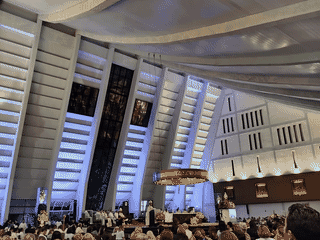

Natal
South America · Brazil
Did you know?
- Forte dos Reis Magos has a star-shaped plan dating to 1598.
- Ginga com tapioca is a signature beach dish.
- Founded on Christmas Day in 1599, its name means Christmas in Portuguese.
See also
João Pessoa
Brazil7.08°S 34.83°W · 40 m
Overview
Natal is a base for beach trips to Pipa and Genipabu. Dunes and lagoons add variety to its coastal setting.
Languages: Portuguese
Why Go
Natal, the capital of Rio Grande do Norte, is one of Brazil's 8 most visited cities and offers a calmer alternative to louder Northeast capitals like Recife or Salvador. Founded on Christmas Day 1599 (Natal means Christmas in Portuguese), the city serves as the primary base for exploring world-class beaches including Pipa, Genipabu, Barra do Cunhaú, and Baía Formosa, plus unique dune-and-lagoon landscapes. The city has superior quality of life compared to regional peers, many beaches, historical sites, and reasonably priced lodging.
Adapted from Wikivoyage contributors · CC BY-SA 4.0
Getting In
The main airport is Governador Aluízio Alves International Airport (IATA: NAT), located 25 km from Natal's center in São Gonçalo do Amarante city. This is the primary gateway for international and domestic flights arriving in the region.
Adapted from Wikivoyage contributors · CC BY-SA 4.0
Getting Around
The city is accessible via the freeway Via Costeira, which links South and East parts. Buses 46 and 54 connect Ponta Negra to the city center in about 45 minutes. A nighttime taxi to Ponta Negra runs close to R$ 50. The Pontinha neighborhood near Alecrim train station is the main center of popular shopping, hosting a traditional farmer's market every Saturday from 06:00 to 15:00 at the crossing of Coronel Estevam and Presidente Quaresma, with over 400 sellers.
Adapted from Wikivoyage contributors · CC BY-SA 4.0
When to Go
Natal has a sunny, warm tropical climate with temperatures averaging 23-30°C year-round thanks to Atlantic trade winds. The rainy season runs from March to July, with June being the wettest month (348.8 mm). The driest period is October (20.6 mm rainfall). Avoid walking alone from Praia do Forte to Forte dos Reis Magos, as the area is scarcely policed.
Adapted from Wikivoyage contributors · CC BY-SA 4.0
Where to Stay
Most tourist lodgings concentrate in Ponta Negra, with dozens of accommodation options lining the beachfront. Posted prices are negotiable in low season. Budget hostels include Agora Hostel (7 min walk to beach, air-conditioned dorms), Nikilfan Hostel (dorms from R$ 30, 6 min to beach), Republika Hostel (rooftop city views, breakfast included, 5% credit card fee), and Kûara Hostel (private bathrooms, lockers). Mid-range options include Pousada Maravista (one block from beach, balcony breakfast) and Esmeralda Praia Hotel on Rua Francisco Gurgel.
Adapted from Wikivoyage contributors · CC BY-SA 4.0
Food and Drink
Seafood restaurants with outdoor seating line the beaches. The most typical beach dish is ginga com tapioca. Budget eats include TOP Lanches (burgers from R$ 6, open from 17:30) and PHOME (local dishes from R$ 13, hamburgers from R$ 6) both on Av. Praia de Ponta Negra. Mangai has two locations serving excellent regional cuisine. For shrimp, Camarão's Restaurante (Av. Engenheiro Roberto Freire) is highly rated but expect long lines from 6:30PM to 9PM. Dolce Latte near Praia Shopping serves gelato without artificial flavors.
Adapted from Wikivoyage contributors · CC BY-SA 4.0
Things to Do
Forte dos Reis Magos (Fortaleza dos Reis Magos) is the star-shaped 1598 fortress protecting against French pirates, open Tu-Su 08:00-16:00 for R$ 3. Parque das Dunas is an 11.7 million-m² nature reserve famous for sandy dunes, with Bosque dos Namorados at its entrance. Parque da Cidade features Oscar Niemeyer's eye-shaped tower. For activities, hire a dune buggy with driver to travel the coast— dunes, lagoons, sandstone cliffs, and vegetation create a rare combination. Take the To a Toa boat cruise on the Potengi River at sunset with English/Portuguese guiding. Forró com Turista at Centro de Turismo (every Thursday, Tuesday in January) teaches this popular Northeast dance style.
Adapted from Wikivoyage contributors · CC BY-SA 4.0
Safety
Main tourist areas are relatively safe, but standard Brazilian precautions apply: watch belongings, travel well-lit streets at night, avoid deserted areas, and don't walk alone in unfamiliar neighborhoods. If driving with GPS, pay close attention to avoid entering slums. Tourists should be particularly careful on East Side and North Side beaches—never walk alone from Praia do Forte to Forte dos Reis Magos; take a taxi or guided tour instead. Ponta Negra is relatively safe as the main tourist hub. Locals at your accommodation are the best source for current safety tips.
Adapted from Wikivoyage contributors · CC BY-SA 4.0
Connectivity
Ponta Negra has limited banking— no Bradesco bank in the neighborhood; the nearest is on the way to Natal Shopping. Supermarkets in Ponta Negra include Fazendinnha (closes 19:00), Ligzarb and São Francisco (closes 20:30), and Extra hypermarket en route to Natal Shopping.
Adapted from Wikivoyage contributors · CC BY-SA 4.0
Budget
Budget accommodation in Natal is excellent value. Dorm beds at hostels like Nikilfan start from R$ 30. Street food such as ginga com tapioca and beach snacks provide cheap meals. Burger stalls offer meals from R$ 6. Mid-range restaurant meals for local dishes start around R$ 13. Public transport via bus costs significantly less than the R$ 50 taxi ride to Ponta Negra.
Adapted from Wikivoyage contributors · CC BY-SA 4.0
Day Trips
Natal serves as a hub for spectacular regional destinations. Genipabu (30 km) features dunes, freshwater lagoons, and dune buggy rides. Parnamirim (20 km) has the Barreira do Inferno rocket launch center and Pirangi do Norte beaches. Nísia Floresta (40 km) offers 22 transparent lakes. Tibau do Sul and Praia de Pipa (80 km) are famous beach villages worth staying overnight. Barra do Cunhaú (90 km) and Baía Formosa (100 km) are unspoiled coastal paradises. João Pessoa is 180 km south.
Adapted from Wikivoyage contributors · CC BY-SA 4.0
Go Next
Distances from Ponta Negra: Parnamirim (20 km) with Barreira do Inferno rocket center and Pirangi do Norte beaches; Extremoz (30 km) with Genipabu beach and Pitangui; Nísia Floresta (40 km) with 22 transparent lakes; Tibau do Sul and Praia de Pipa (80 km), one of Brazil's most famous beach villages; Barra do Cunhaú (90 km); Baía Formosa (100 km) at the Paraíba border, the most unspoiled South Coast paradise; João Pessoa (180 km). BR-101 runs north to Touros via Extremoz and south to João Pessoa via Parnamirim.
Adapted from Wikivoyage contributors · CC BY-SA 4.0
Field guide adapted from Wikivoyage contributors · CC BY-SA 4.0. Text has been adapted and organized for this guide. About our sources.
Places to know
A few starting points from the guide. Check current hours and prices before you go.
- eat
Beira Mar Restaurante
Adapted from Wikivoyage contributors
- eat
Bohemia's Restaurante
Adapted from Wikivoyage contributors
- eat
Camarões Restaurante
Excellent restaurant specialized in shrimp dishes. The only drawback is the long line of people waiting for a table from around 6:30PM to 9PM. Has 3 other branches in Natal.
Adapted from Wikivoyage contributors
- eat
Cia do Caldo
Adapted from Wikivoyage contributors
- eat
Dolce Latte
Gelatos, frappés and more, all made without artificial flavors. Great gelato.
Adapted from Wikivoyage contributors
- eat
Eskinão da Vila
Adapted from Wikivoyage contributors
- eat
Espetinho Da Cleide
Adapted from Wikivoyage contributors
- eat
Espetus Restaurante e Petiscaria
Adapted from Wikivoyage contributors
Before you go
Connectivity
Most tourist infrastructure is in Ponta Negra. WiFi available at hotels and some restaurants. Local SIM cards available for purchase at shops.
Food
Seafood restaurants line the beaches. Ginga com tapioca is the signature beach dish. Budget eats from R$ 6 at beachside burger stalls. Regional cuisine at Mangai. Expect lines at Camarão's shrimp restaurant.
Money
Brazil uses the Real (R$). There is no Bradesco bank in Ponta Negra; nearest is on the way to Natal Shopping. Major credit cards accepted at hotels and restaurants but some hostels charge 5% fee for card payments.
Safety
Standard Brazilian precautions: watch belongings, stay in lit areas at night, avoid unknown deserted neighborhoods. Never walk alone from Praia do Forte to Forte dos Reis Magos. Ponta Negra is safest tourist area.
Transport
Buses 46 and 54 connect Ponta Negra to center in ~45 minutes. Taxis to Ponta Negra run ~R$ 50 at night. Airports: Governador Aluízio Alves International Airport, 25 km from center in São Gonçalo do Amarante.
Weather
Tropical climate with 23-30°C averages year-round. Rainy season March-July (peak June at 349 mm). Driest month October (21 mm). Trade winds keep temperatures pleasant.