Caruaru
South America · Brazil
Did you know?
- São João is celebrated on June 24.
- Alto do Moura is home to more than 200 ceramic artists.
- Buchada, carne de sol and sarapatel feature in the local Northeastern cuisine.
See also
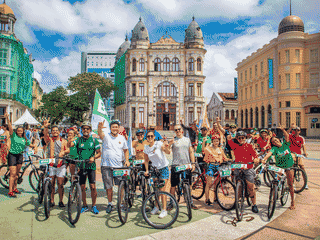

Recife
Brazil8.05°S 34.90°W · 6 m
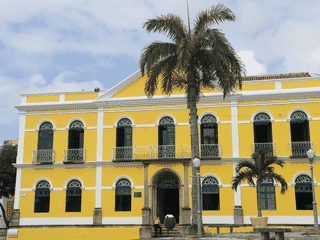
_Prefeitura_de_Oinda_-_51899919595.jpg)
Olinda
Brazil8.00°S 34.88°W · 16 m
Porto de Galinhas
Brazil8.50°S 35.00°W · 10 m
Overview
Caruaru's Alto do Moura neighborhood centers a visit on ceramic art. The Casa-Museu Mestre Vitalino adds a museum stop to time spent discovering local artists.
Languages: Portuguese
Why go?
Caruaru draws visitors for its legendary São João (St. John's) festivities, which the city claims are the world's largest. The UNESCO-recognized Alto do Moura neighborhood is the largest figurative arts center in the Americas, birthplace of famed ceramist Mestre Vitalino. Beyond festivals, Brazil's largest street market and a cluster of specialized museums make this interior city a cultural hub for northeastern Brazil.
Adapted from Wikivoyage contributors · CC BY-SA 4.0
Getting in
Oscar Laranjeiras Airport (operated by Azul Connecta) handles flights from Recife Airport. The city sits along the BR-232 highway, making bus transport from Recife and other regional centers straightforward. Caruaru serves as a commercial and services hub for a large part of Pernambuco's interior.
Adapted from Wikivoyage contributors · CC BY-SA 4.0
Getting around
Caruaru has an active downtown commercial area. Local buses serve neighborhoods, while taxi and rideshare services cover the city. The Alto do Moura ceramic district is walkable from the center.
Adapted from Wikivoyage contributors · CC BY-SA 4.0
When to go
June is peak season: St. Gonçalvo (first Saturday in June), St. Anthony (June 13), São João (June 24), Sts. Peter & Paul (June 29), and St. Martial (June 30) create weeks of continuous celebrations. Accommodation prices spike dramatically during June festivals.
Adapted from Wikivoyage contributors · CC BY-SA 4.0
Where to stay
Hotels cluster in Centro, Maurício de Nassau, Pinheirópolis, and along the BR-232 near Petrópolis. Grande Hotel São Vicente de Paulo (Centro) and Caruaru Park Hotel (BR-232, km 128) serve mid-range travelers. Budget options include Hotel Central and the camping area Empetur (Rua Dois Irmãos, tel.: +55 81 3732-1158). June festival nights require advance booking.
Adapted from Wikivoyage contributors · CC BY-SA 4.0
Food and drink
Northeastern cuisine dominates: buchada (stuffed goat stomach), carne de sol (sun-dried beef), chambarril, and sarapatel. Green beans with melted butter are common side dishes. Alto do Moura offers rustic spots like Bode Assado do Luciano (R. Mestre Vitalino, 511) and Rei do Bode (Rua Mestre Vitalino, 570). Maurício de Nassau has international options including Papillon (Av. Prof. José Leão, 425) and Chinatown in Caruaru Shopping.
Adapted from Wikivoyage contributors · CC BY-SA 4.0
Things to do
Alto do Moura features 200+ ceramic artists and the Casa-Museu Mestre Vitalino (Mon-Sat 08:00-12:00, 14:00-17:00; Sun 08:00-12:00). Memorial de Caruaru (Rua Duque de Caxias, 1000, Centro; tel.: (81) 3721.1039) houses the City Museum, Memorial da Feira, and folk art exhibit (Tue-Sat 08:00-17:00). Museu do Forró Luiz Gonzaga celebrates the region's signature dance, while Museu do Cordel preserves pamphlet literature traditions. Pátio do Forró is the main festival stage during São João and São Pedro.
Adapted from Wikivoyage contributors · CC BY-SA 4.0
Buy
Handicrafts from Alto do Moura's 200 artists are Caruaru's signature purchase. The massive Feira de Caruaru street market offers handicrafts, lace, embroidery, leather goods, traditional medicines, and typical food. Wednesdays and Saturdays feature the unique Feira do Troca-Troca, where you can exchange goods like chickens for watches or parakeets for bicycles. Caruaru Shopping provides modern retail with movie theaters.
Adapted from Wikivoyage contributors · CC BY-SA 4.0
Safety
Standard urban precautions apply in downtown and market areas. Avoid displaying valuables during crowded festivals. Use registered taxis or rideshare services at night.
Adapted from Wikivoyage contributors · CC BY-SA 4.0
Connectivity
Major Brazilian carriers provide 4G coverage in the city. WiFi is available at Caruaru Shopping and most hotels. Power outlets use Brazilian standard (Type C/N, 60Hz, 220V).
Adapted from Wikivoyage contributors · CC BY-SA 4.0
Budget
Budget travelers can manage on R$100-150/day covering dorm accommodation (R$50-80), street food meals (R$15-25), and local transport. Mid-range visitors spending R$200-350/day get private hotel rooms, restaurant meals, and museum admissions. June festival accommodation can cost 2-3x normal rates.
Adapted from Wikivoyage contributors · CC BY-SA 4.0
Day trips
Tracunhaém (one of Brazil's most important ceramic art centers) lies nearby. Lagoa do Carro is famous for tapestry work and hosts a Cachaça Museum. The coastal destinations of Recife (vibrant state capital), Olinda (UNESCO World Heritage colonial town), and Porto de Galinhas (consistently voted Brazil's best beach) are within 2-3 hours by bus.
Adapted from Wikivoyage contributors · CC BY-SA 4.0
Go next
Igarassu, a colonial town housing Brazil's oldest church and Latin America's largest baroque art collection, makes a worthwhile detour. Bus connections to all these destinations are frequent from Caruaru's bus station.
Adapted from Wikivoyage contributors · CC BY-SA 4.0
Field guide adapted from Wikivoyage contributors · CC BY-SA 4.0. Text has been adapted and organized for this guide. About our sources.
Places to know
A few starting points from the guide. Check current hours and prices before you go.
- sleep
Camping Empetur
Official state campground for those seeking outdoor budget accommodation
Recorded price: R$30-50
Adapted from Wikivoyage contributors
- sleep
Caruaru Park Hotel
Roadside hotel convenient for drivers on the BR-232
Recorded price: R$180-300
Adapted from Wikivoyage contributors
- sleep
Grande Hotel São Vicente de Paulo
Historic Centro hotel near the main commercial district
Recorded price: R$150-250
Adapted from Wikivoyage contributors
- sleep
Hotel Central
Budget option in the city center
Recorded price: R$80-120
Adapted from Wikivoyage contributors
- eat
Bode Assado do Luciano
Alto do Moura institution for roasted goat
Recorded price: R$30-50
Adapted from Wikivoyage contributors
- eat
Chinatown (Caruaru Shopping)
Chinese food court option in the modern shopping center
Recorded price: R$25-40
Adapted from Wikivoyage contributors
- eat
Papillon
Diverse local and international cuisine in Maurício de Nassau
Recorded price: R$40-70
Adapted from Wikivoyage contributors
- eat
Rei do Bode
Popular goat restaurant near the ceramic artists' quarter
Recorded price: R$35-55
Adapted from Wikivoyage contributors
Before you go
Culture
São João festivals blend Catholic saints' days with Northeastern folk traditions. Forró music and dance are central to celebrations. Clay sculpture is Caruaru's defining art form.
Language
Portuguese is the language. English is limited outside hotels and Caruaru Shopping.
Money
Brazilian Real (BRL) is the currency. ATMs available downtown and at shopping centers. Cards accepted at Caruaru Shopping and larger restaurants.
Transport
Azul Connecta flies Caruaru from Recife. Long-distance buses connect to Recife (2-3 hours), Olinda, and coastal beaches. Local buses serve neighborhoods.
Weather
Hot, semi-arid interior climate. June (festival season) is relatively cooler with some rainfall. Avoid peak summer heat (October-November) for outdoor sightseeing.