
Recife
South America · Brazil
Did you know?
- Boa Viagem stretches along white sand behind a coral reef.
- Kahal Zur Israel is the oldest synagogue in the Americas.
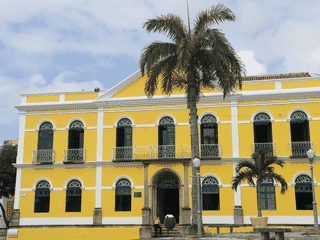
- Neighboring Olinda is a UNESCO site with colonial architecture and handicraft markets.
See also
_Prefeitura_de_Oinda_-_51899919595.jpg)
Olinda
Brazil8.00°S 34.88°W · 16 m
Porto de Galinhas
Brazil8.50°S 35.00°W · 10 m
Overview
Recife is Pernambuco's coastal capital, shaped by rivers, canals and islands. Its waterways give the city the nickname Brazilian Venice.
Languages: Portuguese
Why go?
Recife, the capital of Pernambuco, is one of Brazil's most vibrant coastal cities, known as 'Brazilian Venice' for its network of rivers, canals, and islands. The city offers a unique blend of Dutch colonial history, Afro-Brazilian culture, stunning beaches, and one of the country's most energetic Carnaval celebrations. With 1.7 million inhabitants, it combines big-city amenities with a more manageable scale than Rio or São Paulo.
Adapted from Wikivoyage contributors · CC BY-SA 4.0
Understand
Recife was founded by Dutch colonizers in the 17th century and still bears traces of that era, including the oldest synagogue in the Americas (Kahal Zur Israel). The city sits just two meters above sea level at the estuary of the Capibaribe River. Services drive the economy, and despite poverty, the HDI (0.810) exceeds Brazil's national average. Residents are called recifenses.
Adapted from Wikivoyage contributors · CC BY-SA 4.0
When to go
Recife has a tropical climate with two main seasons: dry (September-March) and rainy (April-August). Average annual temperature is 26°C (78.8°F). The dry season coincides with peak tourism and Carnaval (typically February-March). The Festival de São João in June celebrates northeastern culture with traditional music and food.
Adapted from Wikivoyage contributors · CC BY-SA 4.0
Get in
Guararapes-Gilberto Freyre International Airport (REC) is modern and close to the city center. As of January 2025, there are direct domestic flights from major Brazilian cities and international flights from Buenos Aires (both Aeroparque and Ministro Pistarini). The Terminal Integrado de Passageiros (TIP) is the long-distance bus terminal, connected to downtown via MetroRec subway at the Rodoviária station (about 15 minutes from centro).
Adapted from Wikivoyage contributors · CC BY-SA 4.0
Get around
Recife has a MetroRec subway system connecting the center to the bus terminal and neighborhoods. Local buses are available but can be crowded. Taxis are common, with services like Coopetáxi, Disk Táxi, Ligue Táxi, RádioTáxi Recife, Recife Táxi, and TeleTáxi operating throughout the city. The beach area of Boa Viagem is walkable.
Adapted from Wikivoyage contributors · CC BY-SA 4.0
Where to stay
Most tourists stay along Boa Viagem beach, 10 km south of the center, which offers 8 km of hotels and restaurants. Budget options include Hostel Boa Viagem and Piratas da Praia. Boa Vista, just across Ponte Velha from the train station, has budget and mid-range hotels like Hotel Central (the oldest in Recife).
Adapted from Wikivoyage contributors · CC BY-SA 4.0
Food and drink
Recife's cuisine features regional specialties like moqueca (fish or shrimp stewed with coconut milk), khao soi-inspired dishes, and fresh seafood. For traditional food, try Parraxaxá (Northeast-themed restaurant) or Bargaço (best fish/seafood, famous for moqueca). Street vendors at Boa Viagem beach sell água de coco (coconut water). The city has diverse options from German bakeries (Brotfabrik) to Japanese (Taberna Japonesa Quina do Futuro) and Portuguese (Leite, since 1882).
Adapted from Wikivoyage contributors · CC BY-SA 4.0
Things to do
Beaches include Boa Viagem (8 km of white sand with coral reef protection), Brasília Teimosa, and Pina. Historical sites include the Franciscan Convent with Capela Dourada (Golden Chapel, R$2 entry), Kahal Zur Israel Synagogue (oldest in the Americas), and numerous baroque churches. Museums include the Ricardo Brennand Institute (Dutch occupation artifacts) and Museu do Homem do Nordeste. The Galo da Madrugada parade during Carnaval is the world's largest with 2.5 million participants.
Adapted from Wikivoyage contributors · CC BY-SA 4.0
Safety
Recife has safety concerns common to large Brazilian cities. Street robberies occur; be aware of your surroundings. Avoid downtown on Sundays when streets are deserted. Women traveling alone should sit in the back of taxis. Taxis may not have change for R$50 or 100 notes—tell the driver before entering. Shark warnings exist at Boa Viagem beach; do not swim past the coral reef wall. Olinda is safest during daylight hours.
Adapted from Wikivoyage contributors · CC BY-SA 4.0
Connectivity
Operators Claro, TIM, and Vivo offer 5G coverage throughout Recife. Accommodations and shopping malls typically provide free Wi-Fi. Imperial Internet (Av. Conde de Boa Vista 250) offers internet terminals for R$1-2 per hour.
Adapted from Wikivoyage contributors · CC BY-SA 4.0
Budget
Backpackers can expect to pay R$20-40 for dorm beds, R$80-150 for budget private rooms. Street food and per-kilo restaurants (like Chica Pitanga) offer meals for R$15-30. Local buses cost around R$3-4. Taxis start at approximately R$4-5. Museum entry is often R$2-5, with some free attractions like Parque 13 de Maio.
Adapted from Wikivoyage contributors · CC BY-SA 4.0
Day trips
Olinda (UNESCO World Heritage Site) is just across the bridge—colonial architecture and handicraft markets. Porto de Galinhas offers the best nearby beach with amazing New Year's parties. Itamaracá Island features Coroa do Avião islet, Dutch Fort Orange, and IBAMA manatee center. Igarassu has Brazil's oldest church and Latin America's largest baroque painting collection. Caruaru hosts the largest open-air market in Brazil.
Adapted from Wikivoyage contributors · CC BY-SA 4.0
Go next
Beyond Olinda and Porto de Galinhas, consider Maragogi (famous ocean swimming pools), São Miguel dos Milagres ('Caribbean of Brazil'), and Muro Alto. For culture, Nova Jerusalén is the world's largest theater-city for Easter Passion plays. Serrambi and Tamandaré offer quieter beach experiences. The Sertão region (Serrita) hosts the annual Missa do Vaqueiro cowboy celebration.
Adapted from Wikivoyage contributors · CC BY-SA 4.0
Field guide adapted from Wikivoyage contributors · CC BY-SA 4.0. Text has been adapted and organized for this guide. About our sources.
Places to know
A few starting points from the guide. Check current hours and prices before you go.
- do
Abril Pro Rock
Two-day rock music festival established in 1993, described as one of the largest independent rock festivals in Brazil. The last event took place in April 2024. Because of a lack of funds it will not be held in 2025.
Adapted from Wikivoyage contributors
- do
Agenda de Eventos do Recife
Daily, 16:00 and 20:00. Tour last 1 hour and 15 minutes.
Adapted from Wikivoyage contributors
- drink
Bar Central
A lively and fun place more upmarket than most. The bar attracts a diverse crowd, ranging from writers to musician. Bar Central is also queer-friendly and very famous with indie kids.
Adapted from Wikivoyage contributors
- drink
Biruta
A lovely bar on the north end of the beach that gets a great sea breeze all evening. Get there early to get a table with a view.
Adapted from Wikivoyage contributors
- do
Carnaval Recife
Recife's Carnaval is one of the country's busiest. The Galo da Madrugada parade known for the huge rooster statue which is paraded around, takes place on Saturday morning of the Carnaval and is the largest in the world with 2.5 million participants in 2013. The Carnaval in Recife different from its Rio de Janeiro
Adapted from Wikivoyage contributors
- buy
Casa da Cultura
Once the city prison, it is now a warren of small shops (one in each cell) selling regional arts and crafts.
Adapted from Wikivoyage contributors
- do
Catamaran Rides in the Capibaribe River
Tour lasts 1 hour and 15 minutes.
Adapted from Wikivoyage contributors
- do
Cine Rosa e Silva
Adapted from Wikivoyage contributors
Before you go
Connectivity
Claro, TIM, and Vivo provide 5G coverage. Free Wi-Fi common in accommodations and malls. Internet cafes available.
Culture
Carnaval is the biggest festival with Galo da Madrugada (world's largest parade). June Festival de São João celebrates northeastern culture with forró music.
Health
Check CPRH beach water quality reports before swimming. Some beaches not suitable for bathing. Hospitals include Santa Joana and Real Hospital Português.
Money
Brazilian Real (R$) is the currency. Credit cards widely accepted in hotels and restaurants. ATMs available at banks and shopping centers. Tell taxi drivers if carrying R$50 or R$100 notes as change may be unavailable.
Safety
Avoid downtown on Sundays. Be vigilant against pickpocketing on streets and buses. Shark warnings at Boa Viagem—swim only within reef area. Women should sit in back of taxis.
Transport
MetroRec subway connects center to TIP bus terminal. Local buses are crowded. Multiple taxi services operate citywide. Airport is close to Boa Viagem area.
Visa
Many nationalities receive 90-day visa-free stay. Policia Federal office at airport can extend stays.
Weather
Tropical climate year-round. Dry season (Sept-March) best for tourism. Rainy season (April-Aug) more humid. Average temperature 26°C.