.jpg)
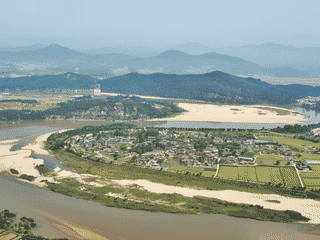
Andong
South Korea36.57°N 128.72°E · 139 m
112 places in the index.
36.57°N 128.72°E · 139 m
37.32°N 126.82°E · 139 m
35.13°N 129.05°E · 30 m
37.87°N 127.73°E
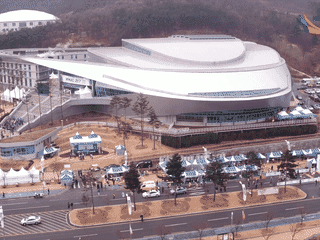
35.87°N 128.60°E
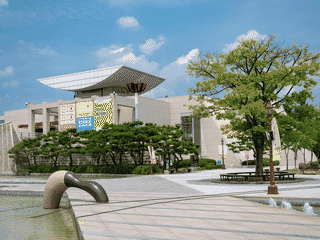
36.35°N 127.39°E
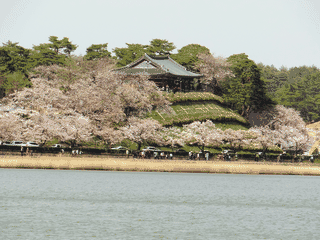
37.75°N 128.90°E · 2 m
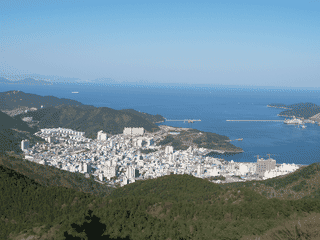
34.85°N 128.58°E
37.62°N 126.71°E
35.17°N 126.92°E
37.48°N 126.87°E
38.07°N 128.23°E
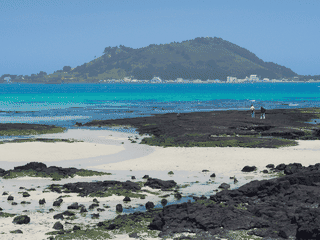
33.37°N 126.53°E · 1,950 m
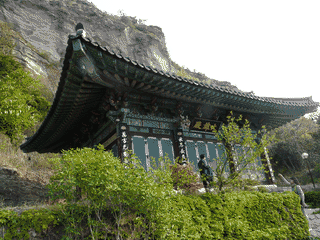
34.49°N 126.26°E · 485 m
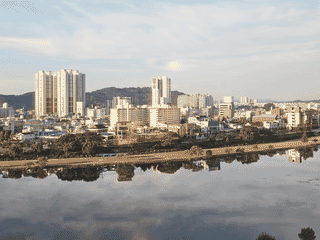
35.20°N 128.00°E · 66 m
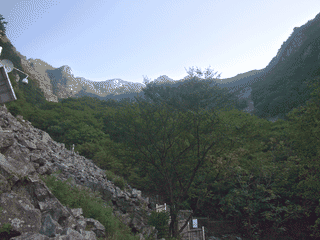
35.49°N 128.75°E
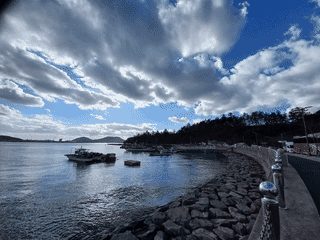
34.76°N 126.38°E · 2 m
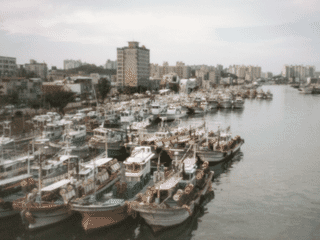
36.03°N 129.37°E
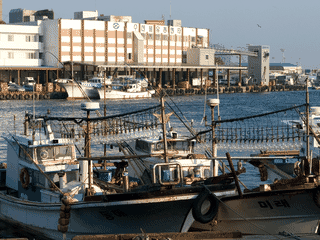
33.25°N 126.56°E
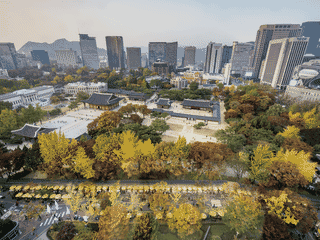
37.57°N 127.00°E · 38 m
38.21°N 128.59°E · 2 m
34.95°N 127.48°E
37.27°N 127.02°E · 66 m
34.85°N 128.43°E
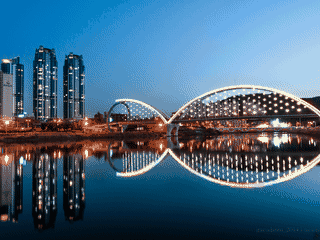
35.55°N 129.32°E
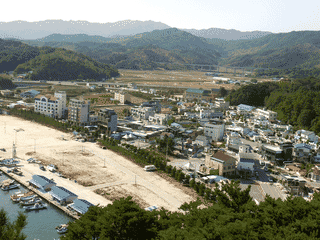
38.07°N 128.62°E
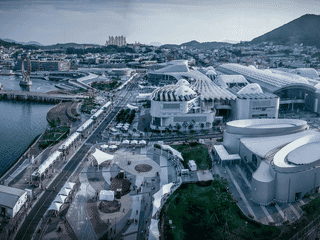
34.76°N 127.66°E
Andong preserves traditional Korean culture through historic villages, Confucian schools, and the Hahoe Folk Village. October brings the Mask Dance Festival in mild autumn weather.
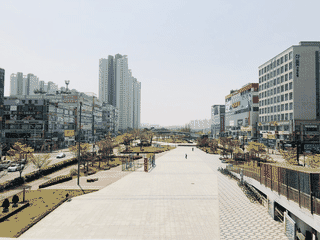
Ansan is an industrial planned city with a notably multicultural food scene. The West Sea moderates its climate, while Daebu Island, botanical gardens, and modern art provide easy detours from the station area.
Anyang is a practical Seoul-metropolitan stop with a central Line 1 network and intercity buses opposite the main station. Its galleries, architecture museum, and Bronze Age site add a compact culture break between larger urban bases.
Asan is a city rich in history and culture. It is home to the oldest hot springs in Korea, Onyang Hot Springs, and the Hyeonchungsa Shrine dedicated to Admiral Lee Sun-shin.
Atlas entry
Baengnyeong Island is South Korea's westernmost point, a remote island in the West Sea that feels worlds away from Seoul despite being administratively part of Gyeonggi province. The island is famous for its dramatic coastal cliffs that turn vivid red at sunset, and it's the legendary backdrop of Simcheongjeon, Korea's beloved fairy tale about filial devotion—a daughter who threw herself into the sea to heal her blind father.
Atlas entry
Boryeong is a city in South Chungcheong Province, South Korea. It is famous for Daecheon beach and its annual mud festival as well as Muchangpo beach, which features a mysterious sea path.
Atlas entry
Bucheon is a satellite city in Gyeonggi Province located 25 km from Seoul, situated between Incheon and the capital. It functions as a transportation hub connecting northeast and western regions, including Siheung and Gwangmyeong.
Atlas entry
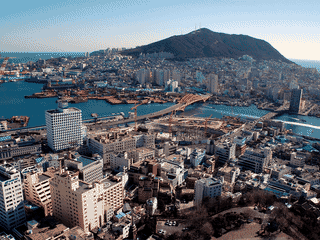
Busan combines beaches, mountains, spas, renowned seafood, and a more laid-back feel than Seoul. Jagalchi Market and Gamcheon Village add working-city character beside the beach skyscrapers.
Buyeo is a county in South Chungcheong. This town is not a major tourist destination, but it has many nice tourist sites.
Atlas entry
Changwon is South Korea's first planned city, developed in the 1970s as an alternative capital. It features the longest straight road in the nation, surrounded by mountains, and is a hub for high-tech industries like LG and Samsung.
Atlas entry
Cheonan is a central city in South Chungcheong, South Korea, known as a transportation hub gateway to Seoul. Its name means 'heaven,' and locals call it the most comfortable place under the sky.
Atlas entry
Cheongju is a historic city credited with creating the world's oldest movable metal type print book, Jikji. It houses a major domestic airport with limited international routes, making it a convenient transit hub for exploring North Chungcheong.
Atlas entry
Chuncheon offers a small-town outdoor pace among rivers and hills, with strong links to Winter Sonata tourism. Dakgalbi, river walks, and nearby Nami Island make it an easy active escape.
Chungju serves as a transport hub for the mountainous central Korea region, connecting travelers to destinations like Danyang's caves, Woraksan National Park, and Suanbo hot springs. The city is notable as the hometown of Ban Ki-moon, former UN Secretary General, and hosts the annual Chungju World Martial Arts Festival every October.
Atlas entry
Daebudo is known as the 'Hawaii of Ansan' — a romantic island escape connected to the mainland by the Sihwa seawall. The island offers tidal power plant vistas, coastal parks, a famous kalguksu noodle street, and access to smaller islands like Gubongdo and Pungdo.
Atlas entry
Daegu is a vibrant metropolis where traditional heritage meets modern city energy. Its central subway hub, local food districts, and KTX links make it a practical stop between Seoul, Busan, and inland destinations.
Daejeon sits at the center of South Korea as a rail-and-road crossroads and a research hub around Daedeok Science Town. Hot, rainy summers and cold, dry winters shape a clear four-season city break.
Damyang is South Korea's bamboo capital — a quiet county in South Jeolla where dense green groves, centuries-old pavilions, and wide agricultural plains create a contemplative atmosphere. The town is famous for Juknokwon, a cathedral-like bamboo garden, and a constellation of historic pavilions built during the Joseon Dynasty to appreciate natural landscapes.
Atlas entry
Dangjin is a coastal city in South Chungcheong Province standing on the south shore of the Bay of Asan, bordering Seosan, Yesan, and Asan by land. It is a significant destination in Korean Catholicism, home to the Sollmae Village (솔뫼성지) where Kim Dae-geon—the first Korean Catholic priest—was born and where Pope Francis visited on August 15, 2014.
Atlas entry
The Korean Demilitarized Zone is the world's most heavily fortified border, a 248-km Cold War scar slicing the Korean peninsula. For travelers, it offers something no other place can: standing within arm's reach of North Korean soldiers at Panmunjeom's 'Peace Village,' crawling through secretly dug infiltration tunnels, and peering into the Hermit Kingdom from mountaintop observatories.
Atlas entry
Dongducheon is a satellite city 40 km north of Seoul, best known for Soyosan Mountain with well-maintained hiking trails and Tapdong Valley, one of the most beautiful vacation spots in Gyeonggi province. The city grew as a US military base village since the Korean War, and hosts the longest-running rock festival in South Korea, founded in 1999.
Atlas entry
Donghae is a midsize port city on South Korea's east coast where rocky beaches, hiking valleys, and a 500-million-year-old cave sit within an hour of downtown. The city serves as the launch point for ferries to Ulleungdo island and offers a quieter coastal alternative to busier Gangwon destinations.
Atlas entry
Ganghwa Island is a rural county of Incheon and South Korea's fourth largest island at 302.6 km². It offers a slower pace than the city with UNESCO-listed prehistoric dolmen sites, Joseon Dynasty fortresses, and mountain trails like Manisan.
Atlas entry
A coastal city beside the Taebaek Mountains, Gangneung combines a distinct regional culture with beaches, museums, and Olympic-era ice-sports history. Coffee, sundubu, and buckwheat noodles give the city a strong food-and-cafe identity.
Gapyeong is a small town of 20,000 people in Gyeonggi-do province, South Korea, famous for pine nuts (잣) and Nami Island (남이섬). The area is very mountainous, making it ideal for hiking and mountain biking.
Atlas entry
Gaya Mountain National Park (가야산) is one of South Korea's premier hiking destinations, ranking among the 100 most beautiful mountains in the country. The park draws Korean families and hikers year-round for its scenic valleys, challenging peaks, and the extraordinary Haeinsa Temple—a UNESCO World Heritage Site housing 81,258 Buddhist scripture printing blocks.
Atlas entry
Geoje is a blue-cove island of pine-forested cliffs, quiet beaches, and coastal excursions. Raw-fish restaurants and the Haegeumgang cruise make the southern coastline especially rewarding.
Gimcheon is a historic transportation hub where major Korean rail lines and expressways meet. Its central position makes it a practical base for temple visits, mountain outings, and onward travel.
Gimhae is often overlooked as just the location of Busan's airport, but this city was the capital of Geumgwan Gaya for 500 years and holds significant archaeological importance. The Royal Tomb of King Suro, Daeseong-dong Tombs (UNESCO World Heritage site), and the Gimhae National Museum showcase the ancient Gaya kingdom's legacy.
Atlas entry
Gimje is a small agricultural city in North Jeolla province known for its fertile rice paddies and distinctive temples. The city is famous for Geumsansa Temple with its unique stupa architecture and the annual Horizon Festival celebrating Korea's traditional farming culture.
Atlas entry
A suburban base in the greater Seoul area, Gimpo mixes waterfront leisure, traditional agriculture, and convenient rail and airport links. It suits travelers who want an urban edge with easy onward access to Seoul.
Gochang County offers a rare combination of UNESCO World Heritage sites and traditional Korean culture in a quiet rural setting. The area is famous for its dolmen sites, which are part of the UNESCO-listed Gochang Dolmen Site, alongside historic fortresses, Buddhist temples, and coastal attractions.
Atlas entry
Gongju is a major tourism drawcard of South Chungcheong, particularly for history buffs and those interested in the Baekje Kingdom. The city boasts the Gongsan Fortress, the Songsan-ri Burial Mounds (including the Tomb of King Muryeong), and the Gongju National Museum with its exquisite gold artifacts.
Atlas entry
Goyang is a planned residential satellite city built in the 1990s to relieve Seoul's overpopulation, now home to over 1 million residents. The city splits into two main areas: Ilsan, with its lakeside parks, shopping complexes, and dining streets; and Deogyang, centered around historic Haengju Sanseong fortress and the KINTEX exhibition center.
Atlas entry
Gumi is a city in North Gyeongsang, located along the Nakdong River and surrounded by mountains such as Geumosan. Though not a popular tourist destination, it provides excellent hiking and cultural opportunities for visitors.
Atlas entry
Gunpo is a small, green city in Gyeonggi Province, sandwiched between Seoul, Suwon, Anyang, and Ansan. It is dominated by Surisan mountain and smaller hills, earning it a reputation for natural scenery within commuting distance of the capital.
Atlas entry
Gunsan is a mid-sized port city in North Jeolla Province that escaped the destruction of the Korean War, leaving it with one of Korea's best collections of Japanese colonial-era architecture. The city has a population of 270,000 and an area of about 396 km².
Atlas entry
Gurye is a rural county in South Jeolla where Jirisan Mountain dominates the landscape, dotted with centuries-old Buddhist temples like Hwaeomsa and Cheonunsa. The Seomjin River carves through basins and valleys, creating scenic bamboo paths and healing ecological trails.
Atlas entry
Gwacheon is a planned commuter city in Gyeonggi Province, developed in the 1980s-90s when government offices relocated from Seoul. It offers a rare combination of cultural attractions— Gwacheon National Science Museum, MMCA Gwacheon art museum, Seoul Grand Park with its zoo and botanical garden— all accessible via Seoul Metro Line 4.
Atlas entry
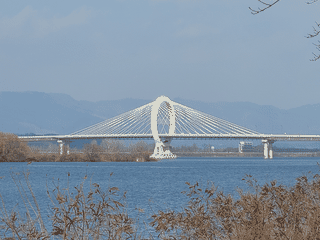
Gwanggyo is a purpose-built new town in Suwon, just south of Seoul, designed with sustainable urban living principles. The city stands out for its striking modern architecture, including the iconic Gwanggyo Lake Park Footbridge, combined with extensive green spaces and walking trails.
Atlas entry
Gwangju combines a modern city feel with a lively youth and arts scene, a huge bus terminal, and a pedestrian district built for dining and nightlife. It also makes a useful base for Jeonju, Mokpo, Yeosu, and Boseong day trips.
Gwangmyeong is a Seoul satellite city with quick KTX and metro access. Its standout stop is a historic cave tunnel developed in 1912, complemented by market food and a compact day-trip budget.
Gwangyang (광양시) offers a rare glimpse into South Korea's industrial heartland, dominated by the POSCO Steel Works — the largest steel mill of its kind in the world. The city is undergoing a cultural transformation in the early 2020s, with the opening of Park1538 Gwangyang complex adding art and education to its industrial identity.
Atlas entry
Gyeongju centers Korea's Silla-era heritage, with burial mounds, temples, an ancient observatory, and museum treasures. Preserved hanok streets and local red-bean pastries make the historic landscape easy to linger in.
Gyeongsan is a satellite city of Daegu in North Gyeongsang province, offering a calmer alternative to the metropolitan hustle. As a university town home to Yeungnam University, it combines a youthful energy with traditional Korean cultural elements—temple hikes, historic sites, and scenic ponds—making it ideal for travelers seeking nature and heritage without urban chaos.
Atlas entry
Hapcheon is a quiet rural county in northwestern South Gyeongsang, best known for Haeinsa Temple—a UNESCO World Heritage Site housing the Tripitaka Koreana (Palman Daejanggyeong). The area surrounds Gayasan National Park, offering scenic mountain hiking, particularly beautiful in spring when Hwangmaesan's azaleas bloom and in autumn for fall foliage.
Atlas entry
Hongseong County offers a peaceful alternative to South Korea's busy cities, with beautiful natural landscapes perfect for hiking, birdwatching, and leisurely walks. The region is famous for its fresh seafood, especially oysters, and unique local kimchi.
Atlas entry
Hwacheon is a quiet rural county in northern Gangwon, offering a slow-paced countryside escape with clear rivers, dense forests, and mountain villages. It draws visitors seeking nature-focused getaways away from South Korea's urban centers.
Atlas entry
Hwaseong blends the convenience of Seoul's satellite new towns—Dongtan—with genuine rural coastlines and historical sites rarely seen by foreign visitors. Jebudo Island offers 1.8 km of white sand beach, while the Yung-Geonleung royal tombs of Crown Prince Sado and King Jeongjo provide quiet Joseon-era history away from the tourist crowds of Gyeonggi.
Atlas entry
Icheon is South Korea's premier ceramics destination, hosting the nation's largest ceramic culture festival annually. Located southeast of Seoul in Gyeonggi-do Province, this small city offers a refreshing countryside escape with rolling rice paddies, traditional temples, peach orchards, and over 300 ceramic workshops.
Atlas entry
Iksan is a mid-sized city of 307,000 people in North Jeolla Province, serving as a transportation hub with Honam and Jeolla KTX rail connections. The city holds significance for its Baekje dynasty heritage, including the UNESCO World Heritage Site of Mireuksa Temple and the National Iksan Museum housing Baekje artifacts.
Atlas entry
Incheon is South Korea’s primary international gateway, anchored by a major airport and port. It also offers a broad metropolitan canvas, with Chinatown-linked jjolmyeon and easy onward movement through the Seoul region.
A mountain county where rugged peaks and valleys dominate the landscape, Inje is built for rafting, trekking, forests, and cold-weather adventures. Birch forests, Hwangtae traditions, and access toward Seoraksan give the area a distinctly outdoors-focused character.
Jebudo is a small island off the west coast of South Korea, southwest of Seoul, renowned for its beach and summer vacation appeal. The island is famous for the "Miracle of Moses" — twice daily, the tide recedes and reveals a road across the sea, allowing visitors to walk across the mud flats.
Atlas entry
Jecheon (제천) is an inland city in North Chungcheong Province, South Korea, offering a slower alternative to major tourist destinations. The city centers on Cheongpungho Lake, an inland sea surrounded by mountains, and Woraksan National Park, designated in 1984 with peaks reaching 1,097 m.
Atlas entry
Jeju combines volcanic landscapes, Hallasan hikes, and coastal trails with distinctive local citrus and lava-tube scenery. Frequent flights and ferries make it a flexible gateway to mainland South Korea and nearby islands.
Jeju City is the administrative and population capital of Jeju Island, serving as the primary gateway via Jeju International Airport and the major domestic ferry terminal. The city sits on the north side of the island sandwiched between Hallasan Mountain and the coast, offering easy access to the island's three UNESCO-rated natural attractions: Hallasan Mountain, Seongsan Ilchulbong, and Manjanggul Lava Tube.
Atlas entry
Jeongdongjin is a beloved destination for young Korean couples seeking romantic seaside scenery and white sand beaches. The town gained fame as the filming location for the television drama 'Hourglass,' and it hosts Korea's most popular New Year's Day sunrise gathering, drawing thousands annually.
Atlas entry
Jeongseon is a quiet mountain town in eastern Gangwon Province with a coal mining heritage that declined with Korea's economic development. The area is famous for the Jeongseon Arirang folk songs and hosts a three-day festival in early October featuring parades, folk events, and cultural performances.
Atlas entry
Jeonju is a cultural center tied to the origins of the Joseon dynasty and known for its traditional hanok quarter. Walkable heritage streets pair with craft workshops, museums, and local snacks.
A scenic island known for a tidal sea road, native dogs, and naval history, Jindo offers a distinctly coastal cultural escape. At extreme low tide, the Mysterious Sea Road becomes a walkable seabed linking Hoedong-ri and Modo Island.
Jinju blends a walkable historic center with fortress views and a distinctive bibimbap style made with raw meat. Its Imjin War history is especially visible around Jinju Fortress.
Jirisan is South Korea's largest and arguably most famous national park, spanning three provinces with its crown jewel being Jiri Mountain—one of the three holy mountains on the Korean peninsula. The park marks the beginning of the Baekdu Deagan Ridge, the 'spine' of Korea running all the way to the border with North Korea.
Atlas entry
Marado Island (마라도) sits 11 km off the south coast of Jeju and marks the southernmost point of South Korea. With roughly 90 residents, it is a quiet, windswept island with a lighthouse first lit in 1915, a modest Catholic church, and Janggun Rock — a coastal formation said to resemble a general standing watch.
Atlas entry
Miryang sits between Busan and Daegu on the Gyeongbu Line, with river views, mountain trails, and a strong Arirang tradition. The compact old city pairs Yeongnamnu Pavilion with regional soups and rice dishes.
Mokpo is a working port and gateway to the Dadohae archipelago, making it a strong base for island-oriented travel. Raw ray-fish cuisine, the marine cable car, and bus links add character beyond the waterfront.
Muju is a small mountain town in the Sobaek Mountains of North Jeolla province, offering a peaceful alternative to Korea's crowded cities. While infrequently visited most of the year, the town comes alive during the Firefly Festival in late August, drawing thousands of domestic tourists.
Atlas entry
Mungyeong is a compact mountain city in northwestern North Gyeongsang Province that flew under most tourists' radars until recently. It packs genuine heritage into a small footprint: the historic Mungyeong Saejae Pass (once the main Seoul–Yeongnam trade route), a restored coal-mining museum and railbike route, Buddhist temples tucked into forested hills, and a local food scene built on wild mountain vegetables, omija (five-flavor berry) drinks, and crisp highland apples.
Atlas entry
Muuido is a small island paradise just south of Incheon International Airport, making it an ideal escape from Korea's busy cities. The island gained fame as the filming location for the 2003-2004 Korean drama "Stairway to Heaven" and remains popular with casual tourists and day-trippers seeking hills to hike and beaches to explore.
Atlas entry
Naju is a mid-sized regional city in South Jeolla, best known for its enormous Naju pear (tastes like a pear, crunches like an apple) and traditional five-day markets that draw crowds from across the region. It offers a genuine taste of provincial Korean life without the tourist infrastructure of larger cities.
Atlas entry
Nami Island (Namiseom Island) sits in the middle of the Bukhan River in Gapyeong-gun, Gyeonggi-do, and is one of Korea's '100 must-visit tourism' locations. Famous as the filming site for the Korean drama Winter Sonata, the island draws visitors year-round with its romantic tree-lined boulevards, especially magical when snow-covered in winter.
Atlas entry
Namwon offers a slower pace of travel compared to major cities, with deep cultural significance rooted in Korean classical arts and romantic folklore. The city provides access to Jirisan mountain, traditional crafts, and authentic local products like lacquered wood containers, pottery, and Namwon kitchen knives.
Atlas entry
Namyangju (남양주) is a city in northeast Gyeonggi Province, South Korea, best known as the birthplace of Jeong Yak-yong (1762-1836), one of Korea's greatest scholars and writers of the Silhak school. The city preserves his legacy through his birthplace, tomb, and the Jeong Yak-yong Ecological Park.
Atlas entry
Nonsan is a mid-sized city (pop. ~125,000) in South Chungcheong Province that combines Joseon Dynasty history with Goryeo-era Buddhist heritage.
Atlas entry
Paju (파주시) is a city of nearly 500,000 residents in Gyeonggi-do Province, located northwest of Seoul near the Demilitarized Zone separating North and South Korea. The city offers a unique blend of historical significance dating back to ancient eras, cultural attractions like Heyri Art Valley with over 40 museums and exhibition spaces, and the rare opportunity to view North Korea from observatories like Dora Observatory and Odusan Unification Observatory.
Atlas entry
Pangyo is a planned city south of Seoul built around Korea's tech economy and the Techno Valley skyline. Its subway link, cafes, and nearby day trips suit travelers who want an urban base.
An industrial east-coast city, Pohang pairs POSCO's steel presence with POSTECH's academic atmosphere. Jukdo Market, beaches, and the Homigot shoreline add fresh seafood and distinctive seaside stops.
Pyeongchang is a highland mountain county known for winter sports, national-park trails, and cool-climate farm experiences. Buckwheat noodles, ranches, and guesthouses add non-skiing reasons to stay.
Pyeongtaek is a mid-sized city in Gyeonggi Province serving as a major transportation hub on the Gyeongbu Line, located roughly 60 km south of Seoul. The city uniquely blends traditional Korean culture with American military influence, particularly in the Songtan area near Camp Humphreys.
Atlas entry
Sacheon (사천시) is a mid-sized city in South Gyeongsang province, often bypassed by tourists rushing between Busan and the historic city of Jinju. It rewards those who stop with the KAI Aerospace Museum (a major attraction for aviation enthusiasts), Korea's first sea-and-mountain cable car system at Samcheonpo, and excellent harbor-side raw fish restaurants.
Atlas entry
Samcheok is a mid-sized coastal city in southern Gangwon-do offering a slower pace than nearby Donghae. Its main draws are two spectacular show caves—Hwanseon Cave and Daegeum Cave—combined with a string of sandy beaches along the Geundeok coastline and access to rugged mountain valleys like Eungbongsan.
Atlas entry
Sangju is a historic inland city in North Gyeongsang Province, serving as the head of Gyeongsang-do during the early Joseon Dynasty and the etymology of the province's name alongside Gyeongju. The city is famous for dried persimmons (gotgam), silk production, rice cultivation, and is known nationwide as the 'City of Bicycles.' Visitors appreciate its slower pace compared to major urban centers, with rich cultural heritage, scenic mountain trails, and authentic traditional markets.
Atlas entry
Sejong City is South Korea's administrative capital, purpose-built since 2002 to disperse government agencies from Seoul. It offers a unique opportunity to explore Korea's modern governance infrastructure, including the Government Complex Sejong with the world's largest rooftop garden spanning 3.6 km.
Atlas entry
Seogwipo is a coastal Jeju base where sashimi is a local draw and island bus connections open the wider coast. April brings yellow canola blooms during the Jeju Canola Festival.
Seosan is a coastal city in South Chungcheong Province along South Korea's west coast, sharing Cheonsuman Bay—one of the country's most famous bird migration staging areas. The city offers a mix of Buddhist temples dating to the Baekje and Joseon dynasties, historic flatland fortresses, and natural attractions like mountain trails overlooking the West Sea.
Atlas entry
Seoul pairs ancient traditions with cutting-edge digital life, endless street food, and large nightlife districts. Its extensive subway and mountain access make it easy to alternate dense neighborhoods with hikes and stream walks.
A compact coastal city and gateway to Seoraksan, Sokcho combines mountain hiking with East Sea beaches and a nearby DMZ. Its fishing-port character adds a lively market scene alongside the national park.
Somaemuldo (소매물도) is a small island off the coast of South Gyeongsang Province. While smaller than its sister island Daemaeuldo, it is considered the more beautiful of the two.
Atlas entry
Suanbo is a historic hot spring village in North Chungcheong with a thousand years of history. It was long a favorite retreat for Korea's emperors and presidents, though development stalled after the 1970s.
Atlas entry
This mid-sized South Jeolla city combines internationally recognized wetlands with gateways to two UNESCO-listed Buddhist temples. Its old town has historic market streets, while a newer district provides modern conveniences.
Suwon is a city of over one million people and the capital of Gyeonggi-do province. It is most easily reached from Seoul by Subway Line 1, making it a straightforward regional base.
Taebaek is a highland city at 850–1,500m elevation where two of Korea's four major rivers—the Han River and Nakdong River—originate. The city is famous for Taebaeksan National Park with its sacred Cheonjedan altar, unique coal mining heritage, and year-round festivals including Korea's premier winter snow festival.
Atlas entry
Tongyeong is a port city spread across 192 islands, with naval history, seafood, mural lanes, and a mountain cable car. The compact waterfront is easy to explore on foot before island ferries.
Udo Island (우도) sits 3½ km off Seongsan-ri on Jeju Island and is South Korea's second-largest satellite island, though only 370 people call it home. The name means "Cow Island" in Chinese, and from certain angles the lava plateau does look like a cow lying down.
Atlas entry
Uijeongbu makes a convenient day trip or overnight from Seoul, offering a contrast to the capital's intensity. The city is famous for budae-jjigae (army base stew), a spicy stew made with SPAM, sausages, ramen noodles, and kimchi that originated from Korean War-era resourcefulness.
Atlas entry
A compact satellite city between Anyang and Suwon, Uiwang pairs forested slopes and reservoir lakes with easy access from the Seoul Capital Area. Walking paths, hiking trails, wetlands, and lakeside birdwatching make it a calm nature break near the city.
Ulleungdo is a remote volcanic island in the East Sea, offering dramatic cliffs, columnar joint formations, and pristine pebble beaches rarely seen in mainstream East Asian travel. The island has a distinct maritime climate with heavy snowfall and fog, creating a moody, isolated atmosphere.
Atlas entry
Ulsan pairs a major industrial waterfront with access to the Yeongnam Alps and dramatic sunrise coast. Beaches, Mt Gaji trails, and the city's whaling heritage give the industrial city a broader travel story.
Wolmyeongdong is a Christian Gospel Mission-run park in South Chungcheong offering a unique blend of natural beauty and religious-themed attractions. The park spans approximately 200 hectares at 3,000 ft above sea level and claims to host perhaps the largest rock landscape in the world—the Ambition Masterpiece, stretching 300 m long and roughly 5 stories high.
Atlas entry
Wonju is a modern city of 365,000 people in Gangwon Province, located east of Seoul. It served as the capital of historical Gangwon during the Joseon Dynasty, giving it cultural depth alongside contemporary amenities.
Atlas entry
Yangpyeong is a scenic county in Gyeonggi Province, cherished by Seoulites as a premier weekend getaway. Defined by the confluence of the Bukhangang and Namhangang Rivers, it offers a perfect blend of natural beauty and outdoor adventure.
Atlas entry
Yangsan serves as a quieter residential alternative to bustling Busan, making it an ideal day trip for travelers seeking cultural depth without big-city chaos. The town is home to Tongdosa Temple, one of Korea's most significant Buddhist monasteries and a UNESCO World Heritage Site inscribed in 2018.
Atlas entry
Yangyang is a compact coastal town with beaches, surfing, and temple-and-ocean scenery. Shoulder-season festivals spotlight pine mushrooms in October and salmon in November.
Yeoju is an urban-rural integrated city in Gyeonggi Province that stands out for its agricultural heritage and historical significance. The city is renowned for its rice and sweet potato production, hosting festivals like the Yeoju OgokNaru Festival that celebrate these traditions.
Atlas entry
Yeongcheon sits along the Gyeongbu Expressway midway between Seoul and Busan, making it a convenient stopover for road trippers. The city is historically significant as the birthplace of Goryeo scholar Choe Mu-seon and the loyalist Jeong Mong-ju, whose poetry is still recited today.
Atlas entry
Yeongdeok County is a small coastal county of 35,000 residents in North Gyeongsang Province, South Korea. It is world-famous for its snow crabs (called Yeongdeok crab), with Gangguhang Port serving as the main distribution center.
Atlas entry
Yeongjong and Yongyu Islands sit just west of Seoul in Incheon, connected by reclaimed land that now houses Incheon International Airport. Most travelers pass through without stopping, but the island rewards those who linger with tidal mud flats, quiet beaches, Japanese-influenced cuisine around Unseo station, and coastal rail bikes along 5.6km of track.
Atlas entry
Yeongju is a small traditional Korean city surrounded by Sobaeksan National Park, offering a slower pace than major tourist destinations. The city takes pride in its Confucian heritage with several UNESCO World Heritage-listed Seowon academies.
Atlas entry
Yeonpyeong Island is a small South Korean island group in the Yellow Sea, about 80 km west of Incheon. The main island Daeyeonpyeongdo has a population of around 2,100.
Atlas entry
A peninsula-and-islands coastal city, Yeosu combines sea views, seafood, temples, and resort-town energy. Its compact core and nearby islands make it a strong base for coastal walks, markets, and short regional trips.
Yokjido is the largest island in Yokji-myeon and the 36th largest island in Korea, with 1,991 residents. The island is known for its pebble beaches rather than sandy shores, offering a quieter alternative to more crowded coastal destinations.
Atlas entry
Yongin is a southern suburb of Seoul that punches above its weight as a entertainment and culture destination. The city is home to Everland, Korea's largest theme park, as well as Caribbean Bay water park and the expansive Korean Folk Village, which draws visitors seeking to experience traditional Korean culture.
Atlas entry
In development: the whole atlas offline, a trip planner and a private journal. We'll post here when it ships. No newsletter to join.


.jpeg)

