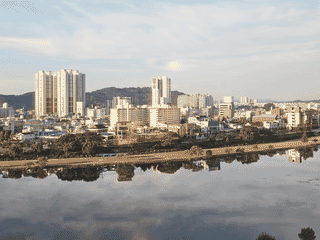

Jinju
East Asia · South Korea
Did you know?
- In 1592, 3,800 defenders are said to have held the fortress against 20,000 attackers.
- The north bank concentrates the fortress and most attractions, making a walking loop practical.
- The local bibimbap clue is raw meat: kkotbap differs from the better-known Jeonju style.
See also
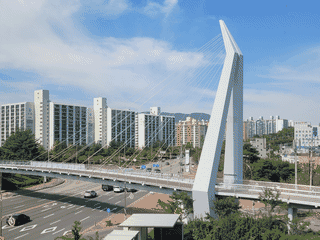

Suncheon
South Korea34.95°N 127.48°E
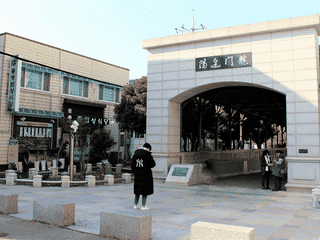

Tongyeong
South Korea34.85°N 128.43°E
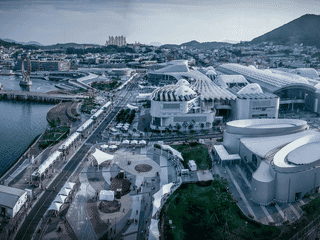

Yeosu
South Korea34.76°N 127.66°E
Overview
Jinju blends a walkable historic center with fortress views and a distinctive bibimbap style made with raw meat. Its Imjin War history is especially visible around Jinju Fortress.
Languages: Korean
Why go?
Jinju is a medium-sized city of 350,000 people in South Gyeongsang province, known for its role in the 1592 Imjin War where 3,800 defenders famously held off 20,000 Japanese soldiers at the fortress. The city is split by the Nam River (Namgang), with Jinju Fortress and downtown on the north bank, and the train/express bus stations on the south bank. It offers a slower pace than Busan while still providing good food, affordable accommodation, and cultural attractions like the annual Nongae Festival and Namgang Lantern Festival.
Adapted from Wikivoyage contributors · CC BY-SA 4.0
Getting there
Jinju has a train station on the south bank (old station visible at listed marker). Intercity buses connect to major destinations including Busan and nearby cities. The express bus terminal is on the south bank, while the intercity bus station is on the north bank. Most visitors arrive from Busan (roughly 1.5-2 hours by intercity bus).
Adapted from Wikivoyage contributors · CC BY-SA 4.0
Getting around
Jinju is walkable, especially the north bank where Jinju Fortress and most attractions are concentrated. Taxis are plentiful and affordable for reaching attractions like Jinyang Lake or the south bank stations. The city is compact enough that most sightseeing can be done on foot within the downtown area.
Adapted from Wikivoyage contributors · CC BY-SA 4.0
When to go
Jinju experiences cold winters (January average -5.5°C to 7.2°C) and hot, humid summers (July-August averaging 29.6-30.6°C with 312mm rain). The shoulder seasons of April-May and September-October offer pleasant weather and two major festivals: the Nongae Festival in May and the Gaecheon Arts Festival (Oct 3-10) plus the Namgang Lantern Festival in October. July-August brings monsoon season with heavy rainfall.
Adapted from Wikivoyage contributors · CC BY-SA 4.0
Where to stay
Most budget accommodation clusters near Jinju Fortress and downtown on the north bank. The Dongbang Tourist Hotel (동방관광호텔) at the east end of the north bank offers rooms from ₩106,000 plus taxes with Korean ondol (floor heating) or Western-style options, plus a spa/sauna and rooftop restaurants with English-speaking staff. The Asia Lakeside Hotel offers rooms from ₩120,000 with views over a reservoir but is 20 minutes from the city center by taxi. Budget hostels and guesthouses are available near the university area.
Adapted from Wikivoyage contributors · CC BY-SA 4.0
Food and drink
Jinju has its own bibimbap style called kkotbap (flower rice) or chilbohwaban (seven-color flower rice), distinguished by using raw meat — different from the famous Jeonju version. Kwan Namgaek Sikdang near the National Museum serves bibimbap sets for ₩5,000. Another local specialty is broiled eel (장어구이 jangeo-gui), bulgogi-style with gochujang and sesame leaf, available at Yujeongjangeo (유정장어) on the north bank where saltwater eel costs ₩22,000 and freshwater conger eel ₩27,000 (both serve two). Central Market offers Subok Bread Restaurant with steamed buns (four for ₩4,000) and honey bread. The Pyeonggeo-dong (평거동) area west of downtown and the area near Gyeongsang National University have bars and clubs including Umbrella Bar (우산).
Adapted from Wikivoyage contributors · CC BY-SA 4.0
Things to do
The centerpiece is Jinju Fortress (진주성), open daily 09:00-18:00 with ₩1,000 admission and commanding views from Chokseongnu Pavilion (at the east end, also ₩1,000). The Jinju National Museum (₩1,000, Tu-Su 09:00-17:00) at the west end covers the Imjin War with a free 3D film shown hourly. Nearby Nongae Shrine commemorates the courtesan who assassinated a Japanese general. The Musical Fountain near the river puts on light-and-water shows after dark. Jinyang Lake (southwest) has cherry blossoms in spring and a zoo (adults ₩1,000). The Gyeongsangnam-do Arboretum (₩1,500 adults) and Jinju Bronze Age Culture Museum (₩1,000) offer additional cultural depth.
Adapted from Wikivoyage contributors · CC BY-SA 4.0
Safety
Jinju is considered a very safe city with minimal pickpocketing and little violent crime. Standard precautions apply in crowded areas, but the city is generally traveler-friendly.
Adapted from Wikivoyage contributors · CC BY-SA 4.0
Connectivity
Internet cafes (PC bang, PC 방) are common, charging ₩800-2,000 per hour with printers available. International phone cards are sold at convenience stores like 7-Eleven, CU, and GS25, or at a Chinese shop next to the Intercity Bus Terminal or a Pakistani shop near City Hall (Homeplus direction, down an alley). Post offices around town sell boxes and packing materials but have limited English. Some say tap water is drinkable; others recommend bottled water, widely available.
Adapted from Wikivoyage contributors · CC BY-SA 4.0
Day trips
Tongyeong, about 1.5 hours south by bus, is a beautiful port city with islands, cable cars, and seafood markets. Busan, 2 hours north by bus or train, offers big-city beaches (Haeundae, Gwangalli), nightlife, the Gamcheon Culture Village, and the largest fish market in Korea. Both make excellent day trips from Jinju or can be combined with an overnight stay.
Adapted from Wikivoyage contributors · CC BY-SA 4.0
Go next
From Jinju, Tongyeong (south, ~1.5 hours by bus) offers scenic coastal views, islands, and fresh seafood. Busan (north, ~2 hours) is the major transport hub of the region with international airports, KTX high-speed rail connections, and extensive tourist infrastructure. Masan and Changwon are also within reach for those exploring South Gyeongsang province further.
Adapted from Wikivoyage contributors · CC BY-SA 4.0
Field guide adapted from Wikivoyage contributors · CC BY-SA 4.0. Text has been adapted and organized for this guide. About our sources.
Places to know
A few starting points from the guide. Check current hours and prices before you go.
- sleep
Asia Lakeside Hotel
A business style hotel with marvellous views over a reservoir — the downside is the location 20 minutes from the city center by taxi.
Recorded price: Both ondol (온돌식) and Western-style (서양식) rooms from ₩120,000
Adapted from Wikivoyage contributors
- sleep
Dongbang Tourist Hotel
East end of north bank. Jinju's premier city centre hotel, getting older but still in good shape. Spa/sauna complex and a number of rooftop restaurants and bars. English spoken.
Recorded price: Ondol (Korean style rooms where you sleep on the floor)/Western rooms from ₩106,000 plus taxes.
Adapted from Wikivoyage contributors
- eat
Emperor's Restaurant
The Emperor's Restaurant is a Nopo restaurant with a tradition of more than 100 years located in the Jinju Central Market. The popular menu, beef tartare bibimbap, is a harmonious combination of fresh raw beef, sesame oil, herbs, and secret sauce. Also, grilled bulgogi and Korean beef jeon are popular menus, with group seats and seating areas, making them suitable for family gatherings and get-togethers.
Adapted from Wikivoyage contributors
- eat
Ha Yeonok Ha Daedong Branch
When you order a meal, you'll get a fresh salad and hot seonjiguk. Jinju Mulnaengmyeon is served with cucumbers, egg garnish, beef jeon, and threaded red pepper. Dolpan beef chamgalbi is a premium grilled rib served with good ribs and delicious seasoning and grilled on charcoal.
Recorded price: Jinju cold buckwheat noodles ₩11,000
Adapted from Wikivoyage contributors
- eat
Kwan Namgaek Sikdang
Coffee, drinks and pretty decent bibimbap sets (₩5000). There's a bizarre collection of totem poles outside to stare at while you wait for your order.
Adapted from Wikivoyage contributors
- eat
Ryo Ci
It is a restaurant where various Japanese menus are popular. Okonomiyaki and jirashisushi are especially popular. There are also a variety of sushi and rice bowls on the menu. It's perfect for dates or small gatherings, and we recommend you visit in time for opening on weekends because there may be waiting.
Adapted from Wikivoyage contributors
- eat
Song Hwa-han set meal
It is a place where you can taste Jinju's unique Korean food. Private dining is possible because it consists of individual rooms, and special dishes such as deep-fried mushrooms with sweet and sour sauce, royal tteokbokki, and vegetable pancakes are especially impressive. Parking is available in the public parking lot in front of the store, and it is convenient to provide free parking when paying.
Adapted from Wikivoyage contributors
- eat
Subok Bread Restaurant
Subok Bread Restaurant is a traditional bakery located in Jinju Central Market in Gyeongsangnam-do, and steamed buns, honey bread, and patbingsu are popular. Steamed buns are soft with a lot of red bean paste, and honey bread is a combination of crispy outside and sweet inside. We recommend you to visit Open Run because waiting can occur on weekends.
Recorded price: Four steamed buns ₩4,000
Adapted from Wikivoyage contributors
Before you go
Connectivity
PC bangs (internet cafes) charge ₩800-2,000/hour. International phone cards available at convenience stores. WiFi common in hotels and cafes.
Culture
Jinju has strong historical ties to the Imjin War (1592-1598). The Nongae Festival in May commemorates the courtesan who assassinated a Japanese general. Respect for historical sites is expected.
Etiquette
Remove shoes when entering homes and some traditional restaurants. Bow when greeting. Don't tip at restaurants. Public transit: give up seats for elderly.
Food
Jinju bibimbap (kkotbap) uses raw meat. Grilled eel (jangeo-gui) is a local specialty. Central Market has budget-friendly options. Convenience stores offer quick meals.
Language
Korean is the primary language. English is limited outside major hotels and tourist sites. Learning basic Korean phrases is helpful. See Korean phrasebook for common expressions.
Money
South Korea uses Korean Won (₩). ATMs are widely available. Credit cards accepted at most hotels and restaurants but carry cash for markets and smaller establishments.
Safety
Jinju is very safe with minimal crime. Standard urban precautions apply. Violent crime is rare.
Transport
Intercity buses connect Jinju to Busan (~2 hours) and Tongyeong (~1.5 hours). Train station on south bank; intercity bus terminal on north bank. City is walkable with taxis for longer distances.
Weather
Hot, humid summers (June-August, 27-30°C) with monsoon rains. Cold winters (December-February, -6 to 9°C). Spring (April-May) and autumn (September-October) offer the best weather for sightseeing.