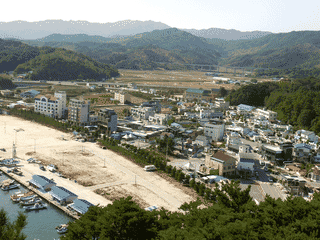

Yangyang
East Asia · South Korea
Did you know?
- The coast mixes swimming and surfing in summer with ocean-view temple grounds at Naksansa.
- Two shoulder-season festivals turn local harvests into clues: pine mushrooms in October, salmon in November.
- Naksan Beach menus lean toward raw fish, while nearby Naksan-sa-ro adds grilled fish and vegetarian deodeok-gui.
See also
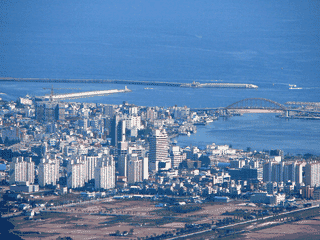

Sokcho
South Korea38.21°N 128.59°E · 2 m

Inje
South Korea38.07°N 128.23°E
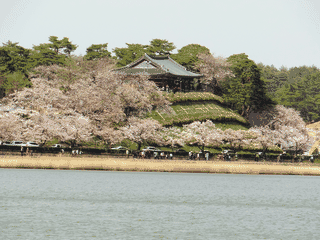

Gangneung
South Korea37.75°N 128.90°E · 2 m
Pyeongchang
South Korea37.56°N 128.49°E · 600 m
Overview
Yangyang is a compact coastal town with beaches, surfing, and temple-and-ocean scenery. Shoulder-season festivals spotlight pine mushrooms in October and salmon in November.
Languages: Korean
Why Go
Yangyang is a small coastal town (population 28,000) in Gangwon province that has transformed from an overlooked destination into a major tourist attraction, drawing 15.22 million visitors annually. The town sits where the southern and eastern coasts meet, offering clean seas, pine-backed beaches, and the famous Naksansa Temple perched above the East Sea. While neighboring Sokcho and Gangneung remain more established, Yangyang's rising fame for surfing and beach activities gives it a fresher, less crowded feel than its rivals.
Adapted from Wikivoyage contributors · CC BY-SA 4.0
Getting In
Yangyang International Airport (IATA: WJU) currently has no scheduled flights as of 2015, though routes to Seoul Gimpo, Busan Gimhae, and Gwangju may resume. The nearest major airport is in Seoul. By bus, Yangyang is accessible via intercity buses connecting to Sokcho, Gangneung, and other Gangwon destinations. The foreign tourism taxi service operates from 10:00-17:00 at the Yangyang General Passenger Terminal, charging ₩20,000 for 3 hours or ₩15,000 per additional hour, accommodating up to four passengers.
Adapted from Wikivoyage contributors · CC BY-SA 4.0
Getting Around
Local buses connect major attractions including Naksan Beach and Naksansa Temple. The area code for Yangyang and all of Gangwon province is 033. Taxis are available, and the foreign tourism taxi can be booked online or at the tourist information center. Car rental is an option for greater flexibility exploring the coastal roads and mountain passes.
Adapted from Wikivoyage contributors · CC BY-SA 4.0
When to Go
Summer (June-August) brings peak beach season with water temperatures ideal for swimming and surfing, though prices rise and crowds peak. The Song-i Mushroom Festival in early October (five days) and Yangyang Salmon Festival in early November (two days) offer cultural experiences during shoulder seasons. Winter is cold (down to -4°C) but draws fewer tourists and offers proximity to Pyeongchang ski resorts. Spring and autumn provide pleasant temperatures for hiking Seoraksan and exploring outdoor valleys.
Adapted from Wikivoyage contributors · CC BY-SA 4.0
Where to Stay
The Naksan Beach area is dominated by motels of varying quality; prices are not cheap for the level of comfort. Booking through Korean websites often yields better deals. Upscale options include Naksan Beach Hotel (four-star, 136 rooms with mountain and sea views) and Sol Beach Yangyang (four-star ocean-view hotel near Songjeon Beach with internal water park). Budget travelers can try Sol Guesthouse, a cultural complex where six people share rooms with ocean views, offering surfing, barbecuing, and pub parties.
Adapted from Wikivoyage contributors · CC BY-SA 4.0
Food and Drink
Naksan Beach restaurants specialize in raw fish dishes; solo travelers can try Hoe-deop-bap (회덮밥), raw fish over rice. The Naksan-sa-ro street nearby focuses on grilled fish and offers Deodeok-gui (더덕구이) for vegetarians. Yangyang Traditional Market (open 06:00-21:00) has 64 stores and 100 stalls selling fresh produce, dried fish, squid, sea cucumbers, and regional specialties including pine mushrooms and Yangyang sand. Notable restaurants include Pine Mushroom Village (shabu-shabu, bulgogi, hot pot with pine mushrooms), Sweet and Sour Pine Chicken near the market, and Naksan Spicy Moray Eel Stew near the temple entrance. The Ingu Beach area has numerous cafes including Please Wait (cafe by day, pub by night), Cafe Pinetree (Korean hanok setting), and P.E.I coffee (₩8,000 macadamia cream latte, ocean views from three-floor windows).
Adapted from Wikivoyage contributors · CC BY-SA 4.0
Things to Do
Naksansa Temple (entry ₩4,000, daily 06:00-17:30) is the main draw, a beautiful temple area with mountain and ocean views at the foot of Obongsan Mountain. The temple offers overnight Temple Stay programs: experience type at ₩50,000 (adults) or ₩40,000 (students); resting type at ₩40,000 (adults) or ₩30,000 (students). Beach activities center on Naksan Beach (4-km white sand, parasol rental, safe depths 1.5m-70m) and Hajodae Beach (1.5-km fine sand, famous for snorkeling, with Hajodae hexagonal pavilion). Surfyy Beach is the surf hub with introductory lessons at ₩50,000-60,000 and food/famous photo zones. Sol Beach Yangyang Ocean Play is a seawater water park (adults ₩40,000, children ₩35,000 in Oct-Dec season). Nature attractions include Namdaecheon River (valleys, Salmon Ecological Park), Mulchi Beach (entrance to Seoraksan, Pine Mushroom Lighthouse), and Osaek Jujeongol Valley (summer 03:00-17:30, winter 04:00-17:30).
Adapted from Wikivoyage contributors · CC BY-SA 4.0
Safety
Yangyang is generally safe for travelers. Standard precautions apply: secure belongings at crowded beaches and markets, be cautious of strong currents when swimming at unguarded beach sections. The area near the 38th parallel (DMZ vicinity) has military restrictions; follow all guidance near Hajodae Beach which sits 1km north of the demarcation line. Mountain hiking on Seoraksan should only be attempted with proper preparation and within marked trails.
Adapted from Wikivoyage contributors · CC BY-SA 4.0
Connectivity
The area code for Yangyang and all of Gangwon province is 033. South Korean mobile carriers (KT, SKT, LG U+) provide reliable coverage throughout the town and major tourist areas. WiFi is available at most hotels, cafes, and restaurants. Power outlets use Type C/F (220V/60Hz, European-style two-pin round plugs).
Adapted from Wikivoyage contributors · CC BY-SA 4.0
Budget
A backpacker can expect to spend ₩30,000-50,000 daily on budget accommodation (shared dorms or cheap motels), ₩10,000-20,000 on meals (market food, street eats, convenience store), and ₩10,000-30,000 on activities (beach rentals, surf lessons, temple entry). Naksan Beach area motels typically cost more than expected for their quality. The foreign tourism taxi at ₩20,000 for 3 hours is good value for groups of up to four.
Adapted from Wikivoyage contributors · CC BY-SA 4.0
Day Trips
Seoraksan National Park is a short journey north, with Daecheongbong Peak (third highest in Korea) offering panoramic views of the national park and East Sea. Osaekryeong Pass (1,004m elevation) provides scenic mountain views and access to hiking trails. Gangneung to the south is the most visited destination in Gangwon-do, known for its beaches, coastal parks, and cultural sites. Pyeongchang to the west offers access to Daegwallyeong sheep ranch and ski resort areas (site of the 2018 Winter Olympics venues). Sokcho to the north is a neighboring tourist hub and gateway to Seoraksan.
Adapted from Wikivoyage contributors · CC BY-SA 4.0
Go Next
Gangneung is a short journey south with more established tourist infrastructure, beaches, and the Gyeongpodae Sea Pavilion. Sokcho and Seoraksan National Park lie to the north, offering mountain hiking and natural scenery. Pyeongchang to the west features Daegwallyeong sheep ranch and former Winter Olympics venues. All destinations are connected by bus via the coastal road or inland routes through the Taebaek Mountains.
Adapted from Wikivoyage contributors · CC BY-SA 4.0
Field guide adapted from Wikivoyage contributors · CC BY-SA 4.0. Text has been adapted and organized for this guide. About our sources.
Places to know
A few starting points from the guide. Check current hours and prices before you go.
- eat
Naksan Spicy Moray Eel Stew
It is a restaurant near the entrance of Naksansa Temple and is recommended by locals. You can enjoy a moray and cod soup. You can taste various Korean fish dishes such as soup and grilled fish.
Adapted from Wikivoyage contributors
- eat
Pine Mushroom Village
It is a restaurant that has appeared in several Korean restaurant broadcasts, and is famous for shabu-shabu, bulgogi, and hot pot with pine mushrooms, a specialty of Yangyang.
Adapted from Wikivoyage contributors
- eat
Samgyori Dongchimi Makguksu
It is a restaurant that sells makguksu that utilizes Dongchimi, a traditional Korean dish. Dongchimi is a type of water kimchi, which is made by putting various spices in salt water as the main ingredient of radish. With white kimchi, you shouldn't think of red kimchi. It also sells sashimi makguksu with sashimi.
Adapted from Wikivoyage contributors
- eat
Sweet and sour pine chicken
It is Yangyang's sweet and sour chicken restaurant, selling mild, spicy, and fried chicken. It is located in Yangyang Traditional Market.
Adapted from Wikivoyage contributors
- see
Daechongbong Peak, Seoraksan
Daecheongbong Peak is the third highest peak in Korea, and is considered a famous mountain with some 700 large and small peaks centering on Daecheongbong Peak. When you climb to Daecheongbong Peak, you can see the entire national park and the East Sea at a glance.
Adapted from Wikivoyage contributors
- see
Hajodae Beach
A 1.5-km-long beach with fine, white sand. It is a famous spot for snorkeling in Yangyang. It is 1.5km long, 100m wide, 7,562.5㎡ wide, and 0.5 to 1.5m deep, 12km south of Yangyang-gun and 1km north of the 38th parallel. Behind the beach, pine forests are dense, and in the pine forest, there is Hajodae, a hexagonal pavilion where Ha-ryun (河崙) and Jo-jo (趙浚), the founding contributors of the Joseon Dynasty, spent their last years.
Adapted from Wikivoyage contributors
- see
Hajodae Scenic Point
The Hajodae Dulle-gil is a few steps away from the Hajodae Observatory, which is good for men and women of all ages. Visitors can see the glass floor and the transparent window, and you can see the waves hitting the rock and the horizontal line in the distance.
Adapted from Wikivoyage contributors
- see
Jukdojeong Pavilion
Jukdo was an island in the past, but now it is said to have been named Jukdo due to the dense pine porridge throughout the year. Jukdojeong Pavilion is a resting place completed in 1965 with the support of local administration and voluntarily raised by residents, and the tranquil space and sea scenery go well together.
Adapted from Wikivoyage contributors
Before you go
Connectivity
Area code 033. Mobile coverage is reliable. WiFi available at hotels and cafes. Type C/F power plugs (220V/60Hz).
Culture
Yangyang is known for pine mushrooms (송이) and salmon from Namdaecheon River. The Song-i Mushroom Festival (early October) and Salmon Festival (early November) celebrate these local products.
Food
Seafood dominates menus: raw fish at Naksan Beach, grilled fish on Naksan-sa-ro. Pine mushroom dishes are a regional specialty. Yangyang Traditional Market is open 06:00-21:00 with 64 stores and 100 stalls.
Money
South Korean Won (KRW) is the local currency. Credit cards are accepted at hotels and larger restaurants, but cash is needed at traditional markets, small eateries, and local attractions.
Safety
Generally safe area. Exercise caution near the DMZ (38th parallel) north of Hajodae Beach where military restrictions apply. Beach swimming is safest at patrolled areas.
Transport
Yangyang International Airport has no scheduled flights currently. Buses connect to Sokcho, Gangneung, and Seoul. The foreign tourism taxi (₩20,000/3 hours) is useful for groups.
Weather
Annual average temperature 10°C, with summer highs around 25°C and winter lows down to -4°C. Annual precipitation 1,557mm. Summer is peak beach season; winter is cold but quiet.