Incheon
East Asia · South Korea
Did you know?
- The metropolis spans eight districts and 37 towns or villages across 1,062 km².
- Jjolmyeon, chewy noodles in spicy sauce, is reputedly a Chinatown invention.
- The airport is the main arrival gateway for most foreign travelers.
See also
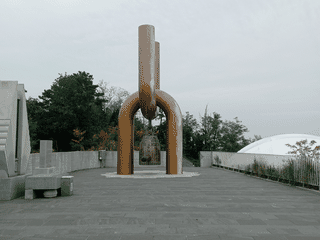

Gimpo
South Korea37.62°N 126.71°E
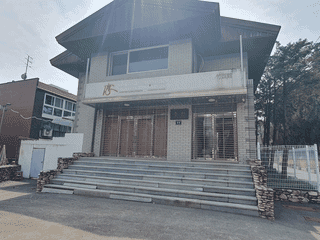

Gwangmyeong
South Korea37.48°N 126.87°E
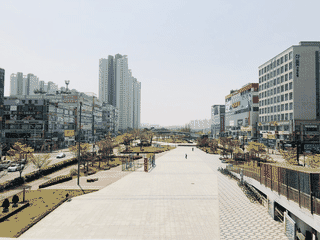

Ansan
South Korea37.32°N 126.82°E · 139 m
Overview
Incheon is South Korea’s primary international gateway, anchored by a major airport and port. It also offers a broad metropolitan canvas, with Chinatown-linked jjolmyeon and easy onward movement through the Seoul region.
Languages: Korean
Why Go?
Incheon is South Korea's primary international gateway, hosting Incheon International Airport and a major port. Beyond its transit role, the city offers a rare mix of accessible islands (Ganghwa, Yeongjong, Wolmido), a historic Chinatown famous as the birthplace of jajangmyeon, sandy beaches at Eulwangni, and cultural sites from the Korean War's pivotal Incheon Landing. The Songdo district showcases ultra-modern urban planning, while traditional markets like Sinpo and Soraepogu reveal local life. With direct metro access from Seoul (under an hour), it's a viable destination for a night or two between flights.
Adapted from Wikivoyage contributors · CC BY-SA 4.0
Getting In
Most foreign travelers arrive at Incheon International Airport (ICN), South Korea's largest hub with connections worldwide. Incheon Port International Ferry Terminal serves ferry routes to China and nearby islands. Seoul Metro Line 1 connects directly to Incheon stations (approximately 50-60 minutes from Seoul Station), making overland arrival from the capital convenient. AREX airport rail links Incheon Airport directly to Seoul Station in about 45 minutes.
Adapted from Wikivoyage contributors · CC BY-SA 4.0
Getting Around
Incheon has 8 city districts and 37 towns/villages spread across a large metropolitan area of 1,062 km². The Seoul Metro system extends into Incheon via Lines 1 and 4, serving key areas including Incheon City Hall, Bupyeong, and Guwol-dong. Inter-island transport requires ferries from Yeonan Pier, while Yeongjong Island is reachable by highway bus or maglev train from the airport area. The area code is 032.
Adapted from Wikivoyage contributors · CC BY-SA 4.0
When to Go
Incheon experiences a temperate climate with annual average temperature around 12°C. Springs (averaging 14°C) offer pleasant weather and cherry blossoms, particularly stunning at Incheon Grand Park and Liberty Park. Summers are warm (averaging 24°C) with the Koryo Mountain Azalea Festival in April on Ganghwa Island. The Songdo Beer Festival and Soraepogu Festival add summer vibrancy. Winters can dip to -6°C in January. Yellow dust from Mongolia occasionally affects air quality in spring.
Adapted from Wikivoyage contributors · CC BY-SA 4.0
Where to Stay
Budget travelers find most options near Incheon International Airport and the historic downtown/Jung-gu area. Guesthouses near Unseo Station (₩20,000-100,000) cater to transit passengers, while hostel-style options near the airport range US$43-78. Mid-range hotels cluster in Guwol-dong and Bupyeong, popular dining and nightlife districts connected to Seoul's metro network. Beach resorts on Yeongjong Island (The Week & Resort, from ₩190,000/night) suit those seeking coastal relaxation near the airport.
Adapted from Wikivoyage contributors · CC BY-SA 4.0
Food and Drink
Incheon is famed for jjolmyeon (chewy wheat noodles in spicy sauce), reputedly invented in Chinatown. Chinatown (open 24 hours, accessible via Metro Line 1) overflows with Chinese-Korean restaurants serving jajangmyeon, baek jajangmyeon (white sauce variant), and dim sum—Yeongyeong is a long-standing favorite. Beyond Chinatown, Bupyeong and Guwol-dong Rodeo Street offer diverse dining from Korean-Chinese fusion to Western fare. Local specialties include sinpo dakgangjeong (sweet crispy chicken), seolleongtang (bone soup), and Bupyeong Hwami Pork Belly. Evening drinking culture thrives at pubs like Dr. Caligari's Cabinet (craft beer) and DIGI Cocktail Bar (all-you-can-drink cocktails, women ₩16,000/men ₩18,000).
Adapted from Wikivoyage contributors · CC BY-SA 4.0
Things to Do
Wolmido Island features a seaside boardwalk, Wolmi Theme Park with a famous pirate ship ride, and fresh seafood restaurants—a short walk from Chinatown. Chinatown (the only official Chinatown in South Korea) offers Chinese restaurants, souvenir shops, and colorful street scenes. Yeonan Pier (연안부두) is the gateway to over 100 West Sea islands including Deokjeok-do and Palmi-do, plus the bustling Incheon Fish Market. Ganghwa Island accessible by bus or ferry holds historical treasures: Jeondeungsa Temple (Korean Treasure No. 178, mid-Joseon Dynasty), Ganghwa Mountain Fortress, and the Ganghwa Peace Observatory with North Korean specialty products. Eulwangni Beach (700m white sand, ₩16,000 entry on Yeongjong Island) provides coastal recreation. Incheon Grand Park (05:00-22:00) offers cherry blossom viewing, botanical gardens, and well-maintained hiking trails.
Adapted from Wikivoyage contributors · CC BY-SA 4.0
Connectivity
Incheon's area code is 032, same as Seoul's metropolitan region for landlines. Mobile carriers in South Korea (SK Telecom, KT, LG Uplus) offer excellent 4G/5G coverage throughout the city and subway system. Free WiFi is available at Incheon International Airport, major hotels, and some public spaces. Power outlets use Type C/F (220V/60Hz, European-style round pins), same as mainland Europe.
Adapted from Wikivoyage contributors · CC BY-SA 4.0
Day Trips
Ganghwa Island (accessible by bus from downtown or ferry) makes an excellent day trip for history buffs—exploring the mountain fortress, Jeondeungsa Temple, traditional Hwamunseok weaving villages, and the Ganghwa Peace Observatory. Yeongjong Island hosts Eulwangni Beach, Wangsan Beach, and historic temples alongside the airport; the maglev train provides easy access. Seoul is a short metro ride away (Line 1, approximately 50 minutes from Incheon Station to Seoul Station), making a day in the capital feasible. For island hopping, ferries depart Yeonan Pier to Deokjeok-do, Palmi-do, and Baengnyeong Island (4 hours each way, weather-dependent).
Adapted from Wikivoyage contributors · CC BY-SA 4.0
Go Next
Seoul is the natural next destination—accessible via Seoul Metro Line 1 directly from Incheon stations, with journey times around 50-60 minutes to central Seoul. International travelers can take ferries from Incheon Port to Chinese cities. Within Gyeonggi Province, the subway extends to Ansan via Oido and Gwangmyeong (home to Costco and IKEA). The broader Korean peninsula awaits by air, bus, or KTX high-speed rail from Seoul.
Adapted from Wikivoyage contributors · CC BY-SA 4.0
Safety
Incheon is generally safe for travelers. Standard precautions apply: guard belongings in crowded markets and tourist areas, particularly around the airport and ferry terminals. Swimming at beaches should respect safety flags and lifeguard guidance; some beaches have gentle slopes suitable for families. Ferries to outer islands may be cancelled in poor weather—check conditions before departing.
Adapted from Wikivoyage contributors · CC BY-SA 4.0
Budget Planning
Budget travelers can manage on ₩50,000-70,000/day for food and local transport, excluding accommodation. Street food and market meals (₩6,000-15,000 per dish), budget guesthouses near the airport (₩20,000-50,000 dorms or basic private rooms), and metro/bus fares (₩1,200-2,500 per ride) form the core costs. Mid-range travelers should budget ₩100,000-150,000/day for comfortable meals, hotel stays, and activities.
Adapted from Wikivoyage contributors · CC BY-SA 4.0
Field guide adapted from Wikivoyage contributors · CC BY-SA 4.0. Text has been adapted and organized for this guide. About our sources.
Places to know
A few starting points from the guide. Check current hours and prices before you go.
- do
Asiad Central Park
The 17th Asian Games were held in Incheon Metropolitan City from September 19 to October 4, 2014. 36 events were held. It is a plaza to celebrate this. The night view park and the ecological park are pretty. There is a nearby hotel, and it is easy to move around because it is in the center of Incheon.
Recorded price: 0
Adapted from Wikivoyage contributors
- buy
Bupyeong Market
It consists of Bupyeong Station Underground Shopping Center, which sells clothing and IT devices, Bupyeong Kkang Market, which sells fruits and fisheries products, and Bupyeong Comprehensive Market, which mainly sells agricultural products, dried fish, and miscellaneous goods.
Adapted from Wikivoyage contributors
- buy
Bupyeong Underground Shopping Center
Bupyeong Underground Shopping Center is 1.8 km from Bupyeong Station to the Bupyeong cultural street. There are 1408 stores . Boasting the largest number of stores in a single area, it was certified as a world record in 2015.
Adapted from Wikivoyage contributors
- do
CGV Bupyeong
10 screens and 1464 seating capacity.
Adapted from Wikivoyage contributors
- do
CGV Incheon
14 screens and 3390 seating capacity.
Adapted from Wikivoyage contributors
- buy
Daeryong Market
Youth Bravo's Puppy-shaped Rice Cake is famous, and there are things to see such as Gyodong Barber Hall, Gyodong Theater, and Farmers Market.
Adapted from Wikivoyage contributors
- buy
Duty Free at Incheon Airport
Duty free shops at Incheon airport before your exit flight is always a good idea. You can find them both at terminal 1 & 2, so just arrive a little bit ahead of time.
Adapted from Wikivoyage contributors
- do
Eulwang-ri Beach
It is a beach in Eulwang-dong, Jung-gu, Incheon, and was designated as a national tourist destination in 1986 as it is also called Neulmok or Eolhang. The length of the white sand beach is about 700 m and the average depth is 1.5 m, which is relatively large.
Adapted from Wikivoyage contributors
Before you go
Connectivity
Area code 032. Excellent 4G/5G coverage. Free WiFi at airport and major hotels. Power: Type C/F (220V/60Hz).
Language
Korean is the primary language. English signage is limited outside tourist areas, airports, and major hotels. Learning basic Korean phrases is helpful.
Money
South Korean Won (KRW) is the currency. Credit cards accepted widely in cities; carry cash for markets and smaller establishments. No currency exchange issues at airport or downtown banks.
Transport
Seoul Metro Line 1 runs directly from Incheon to Seoul in about an hour. AREX airport rail connects Incheon Airport to Seoul Station in 45 minutes.
Weather
Summers are warm and humid; winters cold with occasional snow. Spring (cherry blossom season, April-May) and fall offer the most comfortable temperatures for sightseeing.