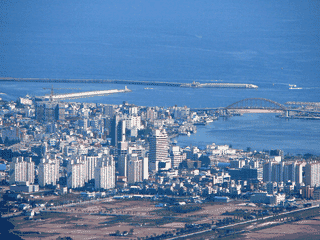

Sokcho
East Asia · South Korea
Did you know?
- A hand-drawn Gaetbae ferry crosses the river for ₩200.
- Abai Sundae stuffs rice, squid, seasonings, and vegetables into a squid casing.
- Seoraksan's Ulsanbawi Rock rises 1,708 m above the park.
See also
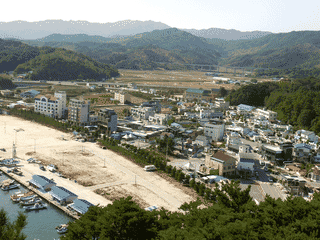

Yangyang
South Korea38.07°N 128.62°E
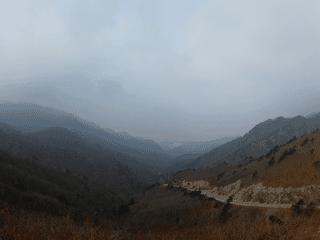

Inje
South Korea38.07°N 128.23°E
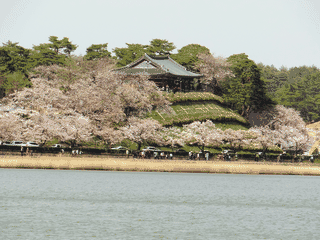

Gangneung
South Korea37.75°N 128.90°E · 2 m

Chuncheon
South Korea37.87°N 127.73°E
Pyeongchang
South Korea37.56°N 128.49°E · 600 m
Overview
A compact coastal city and gateway to Seoraksan, Sokcho combines mountain hiking with East Sea beaches and a nearby DMZ. Its fishing-port character adds a lively market scene alongside the national park.
Languages: Korean
Why go?
Sokcho is a compact coastal city of about 83,000 people, known as the gateway to Seoraksan National Park. It's the largest city north of the 38th parallel and South Korea's northernmost city, even higher in latitude than North Korea's Kaesong. The city combines access to mountain hiking, East Sea beaches, and is within an hour's bus ride of the DMZ.
Adapted from Wikivoyage contributors · CC BY-SA 4.0
Understand
Sokcho ranks as the fifth largest city in Gangwon-do after Wonju, Chuncheon, Gangneung, and Donghae, but has the highest population density in the province. It's one of the major fishing ports on Korea's east coast, and Seoraksan National Park occupies about half of the city's area. The Sokcho fish market is a local attraction, particularly active at night.
Adapted from Wikivoyage contributors · CC BY-SA 4.0
Getting in
Sokcho is accessible by intercity and express bus terminals. The city connects to major destinations in Gangwon-do and serves as a transit hub for Seoraksan National Park and the DMZ. Bus services link Sokcho to Seoul and other Korean cities.
Adapted from Wikivoyage contributors · CC BY-SA 4.0
Getting around
Local buses serve Seoraksan National Park (routes 3 and 3-1) and the DMZ. Bikes can be rented from outside the GS25 Sokcho Tower Branch for approximately ₩20,000/day (as of September 2023, call 0505-929-7000). A hand-drawn ferry called Gaetbae crosses the river to Abai Village for only ₩200.
Adapted from Wikivoyage contributors · CC BY-SA 4.0
When to go
Sokcho Beach officially opens approximately July 10 - August 20 for swimming, though the beach remains accessible year-round. Summer is peak season for beach activities and hiking in Seoraksan. Winter offers fewer crowds but cold temperatures.
Adapted from Wikivoyage contributors · CC BY-SA 4.0
Where to stay
Budget hostels in Dongmyeong-dong area include The House (dorm ₩18,000-30,000, double ₩35,000-60,000) and James Blue (dorm ₩20,000-30,000, double ₩40,000-60,000). Both offer free internet, laundry, and bike rentals. Beach camping near Dome Pensions costs only ₩6,000 per night. Numerous resorts in the area offer larger accommodations with 100+ rooms.
Adapted from Wikivoyage contributors · CC BY-SA 4.0
Food and drink
Sokcho's standout dish is Abai Sundae, a squid-based sausage unique to the region where rice, squid, seasonings and vegetables are stuffed inside a squid casing. The Sokcho Tourist & Fishery Market offers fresh seafood, battered tempura-style crab legs and squid, and steamed crab. All-you-can-eat BBQ at Wangshiprigoihanmadang costs ₩13,000. Beer and soju typically cost around ₩5,000 in restaurants. Local craft beer is available near Abai Village at ₩10,000 per can.
Adapted from Wikivoyage contributors · CC BY-SA 4.0
Things to do
Seoraksan National Park features 1,708m Ulsanbawi Rock with panoramic East Sea views. Sokcho Beach spans 2 km of white sand with Instagram-worthy decorations and a Ferris wheel. The Seorak Hanwha Waterpia is Korea's largest hot springs theme park with natural spring water at 49°C. Bike around Yeongnangho Lake in about an hour, stopping at Bombawi rock shaped like a crouched tiger. The Sokcho Sea Boat (₩500) is the country's only remaining cable ferry.
Adapted from Wikivoyage contributors · CC BY-SA 4.0
Safety
Sokcho is generally a safe city for travelers. Standard urban precautions apply. Beach safety is important during the official swimming season (July-August). Weather conditions can change rapidly in the mountain areas of Seoraksan National Park.
Adapted from Wikivoyage contributors · CC BY-SA 4.0
Connectivity
Both hostels (The House, James Blue) offer free internet access. Tourist information kiosks are located beside both the intercity and express bus terminals. Local SIM cards and WiFi are widely available in the city center.
Adapted from Wikivoyage contributors · CC BY-SA 4.0
Budget
Budget travelers can expect to spend approximately ₩35,000-50,000 per day including dorm accommodation (₩18,000-30,000), street food and market meals (₩10,000-20,000), local transport (₩5,000-10,000), and activities. Camping costs just ₩6,000 per night. Bike rental is ₩20,000/day. Beach entry is free outside official season.
Adapted from Wikivoyage contributors · CC BY-SA 4.0
Day trips
Seoraksan National Park is a 30-minute bus ride away (routes 3 and 3-1), offering day hikes to Ulsanbawi Rock. The DMZ is about an hour north by bus. Gangneung, another major city in Gangwon-do with Daegwallyeong and Gangneung Coffee Street, is accessible by bus. A 2-3 day coastal cycling route leads to the DMZ Unification Observatory, approximately 60km south.
Adapted from Wikivoyage contributors · CC BY-SA 4.0
Go next
The DMZ (about 1 hour north) offers insight into the divided Korean peninsula. Seoraksan National Park (30 minutes south) is the main draw for hikers. Gangneung to the south has tourist spots like Daegwallyeong and Gangneung Coffee Street. The coastal cycling path connects Sokcho all the way to the DMZ Unification Observatory.
Adapted from Wikivoyage contributors · CC BY-SA 4.0
Field guide adapted from Wikivoyage contributors · CC BY-SA 4.0. Text has been adapted and organized for this guide. About our sources.
Places to know
A few starting points from the guide. Check current hours and prices before you go.
- sleep
Beach Camping
There is camping right by the beach in a designated area for only ₩6,000 per night. Look for the "Dome Pensions" the camping area is next to it.
Adapted from Wikivoyage contributors
- sleep
Donghae Condo
140 rooms
Adapted from Wikivoyage contributors
- sleep
Hanwha Resort
1,534 rooms
Adapted from Wikivoyage contributors
- sleep
Hotel Seorak Park
Deluxe, 121 rooms
Adapted from Wikivoyage contributors
- sleep
James Blue
Recorded price: Dorm ₩20,000-30,000, double ₩40,000-60,000
Adapted from Wikivoyage contributors
- sleep
Koresco
153 rooms
Adapted from Wikivoyage contributors
- sleep
Kumho Resort
247 rooms
Adapted from Wikivoyage contributors
- sleep
Sajo Resort
219 rooms
Adapted from Wikivoyage contributors
Before you go
Accommodation
Budget hostels in Dongmyeong-dong area from ₩18,000 dorms. Beach camping ₩6,000/night. Book popular hostels like The House in advance.
Connectivity
Free WiFi at hostels. Tourist information kiosks at both bus terminals. SIM cards available in city center.
Food
Sokcho Tourist & Fishery Market for fresh seafood. Try Abai Sundae (squid sausage) at Abai Village. All-you-can-eat BBQ around ₩13,000.
Money
South Korean Won (KRW) is the local currency. Markets and smaller establishments may be cash-only. E-mart near express bus terminal for ATM access.
Transport
Intercity and express bus terminals serve Sokcho. Local buses (3, 3-1) go to Seoraksan. Bike rental near Sokcho Tower is ₩20,000/day.
Weather
Beach season July 10 - August 20. Seoraksan hiking best in fall (September-November) for foliage. Winter can be cold and snowy.