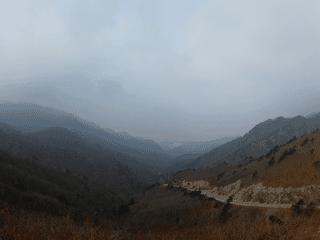

Inje
East Asia · South Korea
Did you know?
- The Naerin-cheon offers grade 3 and 4 white-water rapids.
- Frozen Soyang Lake hosts a Smelt Ice Fishing Festival in winter.
- Over 90% of the land is rugged peaks and valleys.
See also
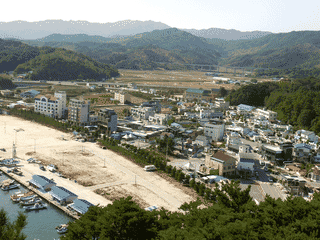

Yangyang
South Korea38.07°N 128.62°E
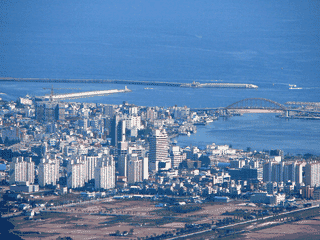

Sokcho
South Korea38.21°N 128.59°E · 2 m
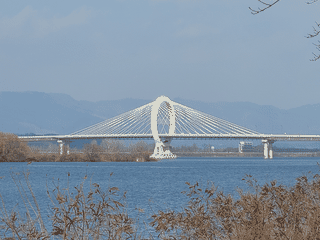

Chuncheon
South Korea37.87°N 127.73°E

Gangneung
South Korea37.75°N 128.90°E · 2 m
Pyeongchang
South Korea37.56°N 128.49°E · 600 m
Overview
A mountain county where rugged peaks and valleys dominate the landscape, Inje is built for rafting, trekking, forests, and cold-weather adventures. Birch forests, Hwangtae traditions, and access toward Seoraksan give the area a distinctly outdoors-focused character.
Languages: Korean
Why go?
Inje is a mountain county in far-northern Gangwon province where over 90% of the land is rugged peaks and valleys. It draws adventure seekers to Korea's most famous white-water rafting on the Naerin-cheon stream, a bungee-jumping site at X-Game Resort, and a Grade 2 FIA-certified racing circuit at Inje Speedium. For nature lovers, the Wondae-ri Birch Forest becomes a dreamy silver-white landscape in winter, while Gombae-ryeong earns its nickname 'garden in the sky' with rare alpine flowers. The county is also famous for Hwangtae (freeze-dried Alaska pollack) produced in the cold valley climate and the legendary Smelt Ice Fishing Festival on frozen Soyang Lake.
Adapted from Wikivoyage contributors · CC BY-SA 4.0
Understand
Inje is famous for its beautiful nature. Over ninety percent of the region is formed of mountains or valleys, such as Mt. Seoraksan, Mt. Bangtaesan, Daecheong Peak, and Naerincheon Valley. You can take a trip to several mineral water springs and natural forest resorts. It is also a great place for the various leisure tours, such as rafting, bungee jumping, mountain biking, paragliding, four-wheel biking, or climbing an artificial waterfall. The northern part of Inje is in the Korean DMZ, and plenty of South Korean military activity in the area. Musk deer and Asiatic black bears can be found in this remote region.
Adapted from Wikivoyage contributors · CC BY-SA 4.0
When to go
Autumn (Sep-Nov) is widely considered the best season: crisp air, vibrant red and gold foliage on Mt. Seorak, and white birch trunks against clear skies. Winter brings extreme cold (below -15°C) essential for local traditions like sun-drying Hwangtae pollack and the famous Smelt Ice Fishing Festival on frozen Soyang Lake (mid-Jan to mid-Feb). Summer is ideal for rafting on the Naerin-cheon as monsoon rains swell the rapids to grades 3 and 4. Spring arrives late due to mountain chill but valleys explode with wild greens and blossoms.
Adapted from Wikivoyage contributors · CC BY-SA 4.0
Get in
Inje is primarily accessible by intercity bus. The Inje Intercity Bus Terminal (인제시외버스터미널) at 12 Inje-ro 188beon-gil is the main arrival point. Direct buses run from Dong Seoul Terminal (approx. 1.5-2 hours), Wonju, Chuncheon (approx. 1.5 hours), and Sokcho. The Wontong Public Bus Terminal (원통공용버스터미널) north of town is the primary terminal for hikers heading to Baekdamsa Temple and inner Seoraksan. There are no train stations within the county.
Adapted from Wikivoyage contributors · CC BY-SA 4.0
Get around
Public transportation is scarce in Inje County. Taxis are the main option for getting around, with plenty waiting outside the bus terminal. Inje Call Taxi and Wontong Call Taxi serve the town center and Seoraksan hiking areas respectively. Self-driving is the easiest way to explore the county's scattered attractions, especially if you have an international driving permit.
Adapted from Wikivoyage contributors · CC BY-SA 4.0
See
The Wondae-ri Birch Forest (원대리 자작나무숲) is Inje's most iconic attraction: a birch forest south of town that is scenic in all seasons but especially magical in winter when white branches create a surreal silver-white landscape. The easy 3-hour trekking loop features photo decorations along the way; crampons required in winter (rentals ₩5,000). Gombae-ryeong (곰배령) is a 1,164m mountain nicknamed 'garden in the sky' for rare alpine flowers: azaleas in spring, water lilies in summer, mugworts in autumn. Visitor numbers are capped at 450/day with advance reservations required. The Naerin-cheon Stream is 70km of pristine water flowing from Mt. Odaesan, famous for autumn foliage reflections and mountain biking along bumpy forest roads. Baekdamsa Temple is a historic gateway to inner Seoraksan, famous for thousands of small stone pagodas built by pilgrims in the surrounding stream.
Adapted from Wikivoyage contributors · CC BY-SA 4.0
Do
Inje brands itself the 'Capital of Adventure' for good reason. White-water rafting on the Naerin-cheon offers grade 3 and 4 rapids through narrow gorges; most operators are clustered along National Route 31 with combined packages for ATV and bungee jumping. The X-Game Resort features Korea's highest bungee jump at 63 meters overlooking the Naerin-cheon river. At Inje Speedium, motorsports fans can experience a professional Grade 2 FIA-certified circuit via 'Circuit Taxi' with professional drivers or even drive their own car after a safety briefing. Winter brings the Inje Icefish Festival (mid-Jan to mid-Feb) on frozen Soyang Lake where visitors catch smelt through holes in the ice, eat fried smelt with gochujang, and walk on thick frozen lake surfaces.
Adapted from Wikivoyage contributors · CC BY-SA 4.0
Buy
Inje is the center of Korea's high-altitude agriculture. The Yongdae-ri Hwangtae Market sells premium Hwangtae (freeze-dried Alaska pollack) considered the best in Korea due to the unique freeze-thaw process in the cold valley. The five-day Inje Traditional Market (dates ending in 4 and 9) offers wild mountain herbs (namul), local honey, and seasonal fruits from Taebaek mountain farmers. Hanaro Mart in the town center stocks supplies for camping and hiking trips. The Birch Forest Souvenir Shop near the forest entrance sells birch wood crafts and birch sap beverages.
Adapted from Wikivoyage contributors · CC BY-SA 4.0
Food & drink
Inje's cuisine is hearty and mountain-oriented. Makguksu (buckwheat noodles) is the regional specialty: Inje Makguksu at 422-8 Sangdong-ri serves it on wooden floor seating with dongchimi (kimchi broth) or dry bibim style (₩9,000-27,000). Hwangtae-haejang-guk (dried pollack hangover soup) with rich milky broth is the legendary breakfast at Yongdae-ri Hwangtae-chon for Seoraksan-bound travelers. Inje Jaelaesik Sondubu specializes in handmade tofu featured on Baek Jong-won's Top 3 Chef King variety show; hot-sellers include jeongol tofu stew and sesame oil-braised tofu (₩12,000). Cafes include Cafe Jajaknamu near the Birch Forest serving seasonal birch sap tea, and trendy Namoo in town with croffles (crossaint-waffle) topped with ice cream and grated cheese (₩3,500-15,000).
Adapted from Wikivoyage contributors · CC BY-SA 4.0
Where to stay
Accommodation options center on pension cabins and resort hotels. Inje Jajaknamu Forest Pension offers cozy wooden cabins within walking distance of the Birch Forest, ideal for early morning hikes. The Coughing of the Stars (별들의 기침) near the birch forest is a rental house operated by Sunshine Blueberry Farm with BBQ facilities. Inje Speedium Hotel & Resort features 'Circuit View' rooms overlooking the racing circuit, plus a spa and classic car museum. For a spiritual retreat, Baekdamsa Temple Stay offers meditation, tea ceremonies, and a chance to experience Buddhist monk life in a beautiful valley setting.
Adapted from Wikivoyage contributors · CC BY-SA 4.0
Connectivity
Internet and telephone services are reliable in Inje-eup town center and major resorts like the Speedium. However, signal strength may fluctuate in deep valleys like the Birch Forest and Seoraksan hiking trails. SIM cards from major Korean carriers (KT, SKT, LG Uplus) provide good coverage in town but mountain coverage is inconsistent.
Adapted from Wikivoyage contributors · CC BY-SA 4.0
Safety
While Inje is generally safe, its mountainous terrain and extreme weather require precautions. The Hangyeryeong and Misiryeong passes have steep inclines and sharp hairpins that become extremely dangerous during heavy rain or winter snow; ensure snow tires or chains from December-February. Winter temperatures can drop below -15°C; multiple layers and awareness of frostbite are essential for Birch Forest visits or the Smelt Festival. During summer monsoon (July-August), mountain streams in the Naerin-cheon area can rise rapidly; follow local guide instructions and avoid low-lying riverbanks during heavy rain. When trekking through the Birch Forest or Seoraksan, stay on marked trails to avoid ticks (SFTS virus risk) and potential wild boar encounters. As a frontline military county, many areas are restricted; do not enter fenced-off zones or photograph military installations.
Adapted from Wikivoyage contributors · CC BY-SA 4.0
Day trips
Seoraksan National Park lies between Inje and the East Sea, offering Korea's most spectacular mountain scenery with excellent hiking trails. Sokcho (approx. 30 min by bus) is the region's most popular coastal city known for fresh seafood and outer Seoraksan access. Yangyang is accessible via the Seoul-Yangyang Expressway, known as Korea's 'Surfing Capital' with a trendy beach vibe. Goseong to the northeast offers the DMZ Museum and Goseong Unification Observatory with views into North Korea. Chuncheon, the provincial capital (approx. 1.5 hours by bus), is famous for Dakgalbi spicy stir-fried chicken.
Adapted from Wikivoyage contributors · CC BY-SA 4.0
Go next
From Inje, Seoraksan National Park is accessible via the northern route toward Sokcho. Sokcho itself is the gateway to outer Seoraksan and offers fresh seafood. Yangyang via the expressway attracts surfers and cafe-hoppers. Goseong's DMZ Museum and Unification Observatory offer rare glimpses into North Korea. Chuncheon's lakes and famous Dakgalbi are an easy 1.5-hour bus ride south. All destinations are connected via intercity buses from the Inje Intercity Bus Terminal.
Adapted from Wikivoyage contributors · CC BY-SA 4.0
Field guide adapted from Wikivoyage contributors · CC BY-SA 4.0. Text has been adapted and organized for this guide. About our sources.
Places to know
A few starting points from the guide. Check current hours and prices before you go.
- sleep
Baekdamsa Temple Stay
Offers a serene and spiritual retreat deep within the mountains. The program includes tea ceremonies, meditation, and a chance to experience the life of a Buddhist monk in one of Korea's most beautiful valley settings.
Adapted from Wikivoyage contributors
- sleep
Coughing of the Stars
Located near a birch forest in Inje County, the Cough of the Stars is a rental house planned and operated by a blueberry farm called Sunshine Farm. It was designed in consideration of the natural environment of a clean area. They have a BBQ space, just make sure to reserve in advance. During summer, you can tour their farm and try out their blueberries.
Adapted from Wikivoyage contributors
- sleep
Inje Jajaknamu Forest Pension
Cozy wooden cabins located within walking distance of the Birch Forest. It is perfect for those who want to experience the quiet of the mountain night and be the first to start their hike in the morning.
Adapted from Wikivoyage contributors
- sleep
Inje Speedium Hotel & Resort
A world-class racing-themed resort. The most sought-after rooms are the "Circuit View" rooms, where you can watch races directly from your balcony. The complex also features a spa and a classic car museum.
Adapted from Wikivoyage contributors
- sleep
Where the Sunset stays
Adapted from Wikivoyage contributors
- eat
Champions Club (Inje Speedium)
Located within the Speedium complex, this restaurant offers a variety of Korean and Western dishes with a view of the racing circuit. It provides a unique atmosphere where you can dine while watching cars zoom past the track.
Adapted from Wikivoyage contributors
- eat
Inje Jaelaesik Sondubu
The name literally translates to 'Inje Traditional Handmade Tofu'. This restaurant gained popularity ever since it appeared on Baek Jong-won's Top 3 Chef King, a famous Korean cooking-variety show. Beside the restaurant is a tofu factory, which directly supplies tofu to them. Hot-sellers include jeongol tofu (tofu stew), jjabak tofu (tofu braised in sesame oil), tofu hotpot, and grilled tofu in sesame oil. Menu in Korean.
Recorded price: ₩12,000
Adapted from Wikivoyage contributors
- eat
Inje Makguksu
A down-to-earth Korean restaurant specializing in makguksu (buckwheat noodle), the specialty dish of Gangwon. You sit on the wooden floor and enjoy their makguksu on a short wooden table. Dishes include dongchimi makguksu (served in a soup with dongchimi kimchi), and bibim makguksu (served dry, you are supposed to mix it up just like bibimbap). For beverages, its either plain water for ₩2,000, or alcoholic drinks for ₩4,000, which is soju, maekju and makgeolli. Menu in Korean.
Recorded price: ₩9,000-27,000
Adapted from Wikivoyage contributors
Before you go
Culture
Inje is a military frontier county with parts of the northern area in the DMZ zone. Respect restricted areas, avoid photographing military installations, and follow all signage. The area is known for Hwangtae (freeze-dried pollack) production and buckwheat noodles (makguksu).
Money
South Korean Won (KRW) is used throughout. Cash preferred in local markets and rural areas; cards accepted at larger hotels, resorts, and restaurants. No ATMs specifically mentioned in town center.
Safety
Mountain passes (Hangyeryeong, Misiryeong) are dangerous in snow; use snow tires/chains Nov-March. Flash floods possible on Naerin-cheon during summer monsoon. Military restrictions apply in northern areas near the DMZ.
Transport
No trains serve Inje. Intercity buses from Dong Seoul Terminal (1.5-2 hours) are the main access. Within the county, taxis are the primary transport; self-driving is recommended for flexibility.
Weather
Inje experiences extreme continental climate with some of Korea's coldest temperatures (below -15°C in winter). Autumn (Sep-Nov) is the best time to visit for foliage; winter is ideal for ice festivals but requires serious cold-weather gear.