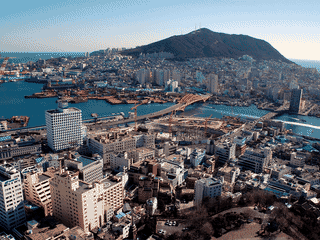

Busan
East Asia · South Korea
Did you know?
- Beaches, mountains, spas, and seafood share the same city profile.
- Jagalchi serves grilled fish and hangover soup from 07:00.
- The Polar Bear Swim takes place in January.
See also
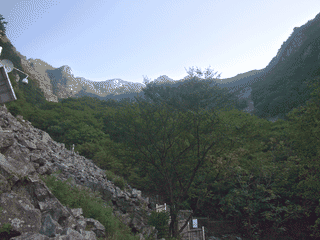

Miryang
South Korea35.49°N 128.75°E
.jpeg)
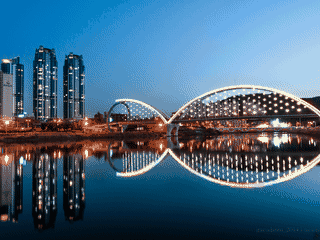
Ulsan
South Korea35.55°N 129.32°E
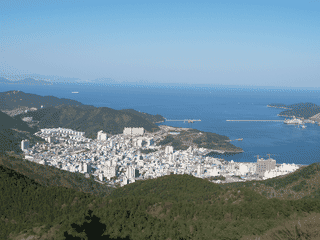

Geoje
South Korea34.85°N 128.58°E
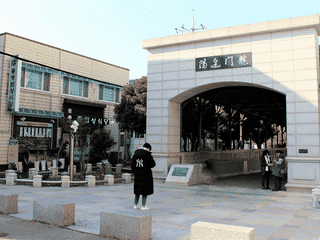

Tongyeong
South Korea34.85°N 128.43°E
Overview
Busan combines beaches, mountains, spas, renowned seafood, and a more laid-back feel than Seoul. Jagalchi Market and Gamcheon Village add working-city character beside the beach skyscrapers.
Languages: Korean
Why go?
Busan is South Korea's second city, offering beautiful beaches, mountains, spas, and renowned seafood. It has a more laid-back atmosphere than Seoul and hosts major events like the Busan International Film Festival. The vibrant Jagalchi seafood market and historic Gamcheon village provide a contrast to luxury skyscrapers along the beaches.
Adapted from Wikivoyage contributors · CC BY-SA 4.0
Getting in
Busan is served by Gimhae International Airport (PUS) and KTX high-speed trains arrive at Busan Station. International ferries from Japan dock at the International Passenger Terminal. Express buses also connect to major Korean cities.
Adapted from Wikivoyage contributors · CC BY-SA 4.0
Getting around
The Busan Metro (Lines 1, 2, 3, and Donghae Line) covers most areas. Buses and taxis are also available. Taxi drivers may not speak English, but a translation service can be called. Be cautious of erratic driving and motorcycles that switch between sidewalk and road.
Adapted from Wikivoyage contributors · CC BY-SA 4.0
When to go?
Busan has a subtropical climate with hot, humid summers (over 30°C) and mild winters. Summer beaches are packed, and typhoons may occur from July to September. Winter is mild with rare snow. The city hosts many festivals, including the Busan International Film Festival in fall and the Polar Bear Swim in January.
Adapted from Wikivoyage contributors · CC BY-SA 4.0
Where to stay?
Budget options are available in Haeundae, Central Busan, and Suyeong. Love motels are common near bus terminals, typically ₩30,000-50,000 per night. Luxury hotels line Haeundae Beach, including Novotel, Paradise, and Westin Chosun, but rates are higher on weekends and during summer or festivals.
Adapted from Wikivoyage contributors · CC BY-SA 4.0
Food and drink
Busan is famous for seafood, especially at Jagalchi fish market where you can have grilled fish and hangover soup from 07:00. The International market offers cheap eats like spicy glass noodles and ssiat hotteok. Sister rice soup near Gwangalli serves pork and rice soup (₩9,000). Vegetarian options are limited. Drinking spots are abundant in Nampodong, PNU area, Kyeongseong University area, and Gwangalli beach. Most bars on Haeundae's Gunam-ro cater to westerners.
Adapted from Wikivoyage contributors · CC BY-SA 4.0
Things to do
Visit Haeundae Beach, Busan Aquarium, Dongbaek Island, and Yonggungsa Temple. Participate in the Polar Bear Swim in January, the Busan International Rock Festival in August, or the Sea Art Festival from September to October. Haeundae has a large leisure marina for sailing. You can also work out at Chicago Fitness Club in Seomyeon or join the Busan Bandits rugby club.
Adapted from Wikivoyage contributors · CC BY-SA 4.0
Stay safe
Busan is generally very safe, even at night. Be cautious around Busan Station after bars close around 03:00. On the metro late at night, you may encounter drunk elderly men; simply move to another car. Sand storms from China occasionally occur; avoid going outside. Driving is erratic; watch for motorcycles and cars ignoring zebra crossings without lights.
Adapted from Wikivoyage contributors · CC BY-SA 4.0
Connect
No specific SIM or WiFi details are provided in the article, but international roaming and local prepaid SIMs are available throughout South Korea. Power outlets are the standard Korean Type C and F plugs (220V).
Adapted from Wikivoyage contributors · CC BY-SA 4.0
Budget
A budget traveler can find love motels for ₩30,000-50,000 per night and meals like pork rice soup for ₩9,000 at Sister rice soup. Local markets offer cheap street food. Daily budget roughly ₩50,000-70,000 including accommodation, meals, and local transport.
Adapted from Wikivoyage contributors · CC BY-SA 4.0
Day trips
Popular day trips from Busan include Gyeongju (1 hour by bus/train), Geoje (1 hour by express bus), Jinju (1.5 hours by bus), Miryang (1 hour), Ulsan (1 hour by Donghae train), and Tsushima Island, Japan (ferry). Fukuoka, Japan is also close (3.5 hours by hydrofoil or 1 hour flight).
Adapted from Wikivoyage contributors · CC BY-SA 4.0
Etiquette
English is not widely spoken; knowing some Korean or Japanese (due to many Japanese tourists) is helpful. Taxi drivers have access to a translation service. As elsewhere in Korea, remove shoes when entering homes and some restaurants.
Adapted from Wikivoyage contributors · CC BY-SA 4.0
Go next
From Busan, travel to Gyeongju, Geoje, Jinju, Miryang, Ulsan, or Jeju Island by train, bus, or plane. International ferries go to Tsushima, Fukuoka, and Osaka in Japan. You can also take the KTX north to Seoul.
Adapted from Wikivoyage contributors · CC BY-SA 4.0
Field guide adapted from Wikivoyage contributors · CC BY-SA 4.0. Text has been adapted and organized for this guide. About our sources.
Places to know
A few starting points from the guide. Check current hours and prices before you go.
- sleep
Love Motels (various locations)
Budget-friendly love motels found near bus terminals and throughout the city, offering good value.
Recorded price: ₩30,000-50,000 per night
Adapted from Wikivoyage contributors
- eat
International Market
Cheap eats including spicy glass noodles, Chungmu-style gimbap, and ssiat hotteok.
Adapted from Wikivoyage contributors
- eat
Jagalchi Fish Market
Busan's famous seafood market; enjoy grilled fish and hangover soup from early morning.
Adapted from Wikivoyage contributors
- eat
Sister Rice Soup
Pork and rice soup near Gwangalli beach, a must-eat local dish at low price.
Recorded price: ₩9,000
Adapted from Wikivoyage contributors
- see
Gamcheon Village
Colorful hillside village with art installations and a sense of old Busan.
Recorded price: Free
Adapted from Wikivoyage contributors
- see
Haeundae Beach
Iconic beach in eastern Busan, packed in summer with a lively atmosphere.
Recorded price: Free
Adapted from Wikivoyage contributors
- see
Yonggungsa Temple
A beautiful seaside temple in Haeundae, offering stunning coastal views.
Recorded price: Free
Adapted from Wikivoyage contributors
- do
Busan Bandits Rugby Football Club
An expat rugby club open to all residents of Busan and surrounding provinces. They play mainly 10's rugby and compete in the Korean Expat Rugby League (KERA). No previous experience required.
Adapted from Wikivoyage contributors
Before you go
Connectivity
No specific info in article, but standard Korean telecoms available.
Emergency
Emergency numbers not listed in article. Standard Korean numbers: 112 (police), 119 (fire/ambulance).
Language
English is less common than in Seoul. Japanese may be understood in tourism areas.
Money
Currency exchange is easy at banks near Nampo-dong and Haeundae. ATMs accept foreign cards with English menus. AmEx is harder to use.
Safety
Very safe overall, but be cautious around Busan Station late at night and during sand storms. Driving is erratic.
Transport
Metro, buses, taxis. Taxi drivers may not speak English but have a translation service.
Water
Tap water is generally safe to drink in South Korea, but bottled water is common.
Weather
Subtropical: hot humid summers (over 30°C) and mild winters. Typhoons possible July–September.