Anyang, Gyeonggi
East Asia · South Korea
Did you know?
- Line 1 passes Indeokwon, Pyeongchon, Beomgye, Seoksu, and more.
- A Bronze Age historic site preserves a piece of local history.
- The intercity bus terminal sits directly opposite the main station’s Exit 1.
See also
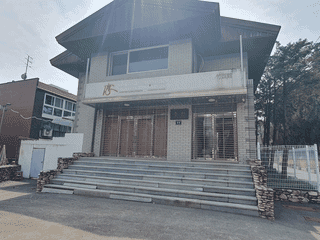

Gwangmyeong
South Korea37.48°N 126.87°E
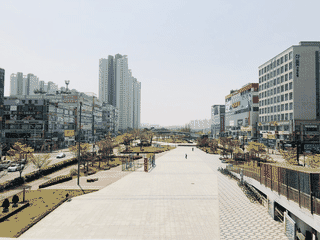

Ansan
South Korea37.32°N 126.82°E · 139 m
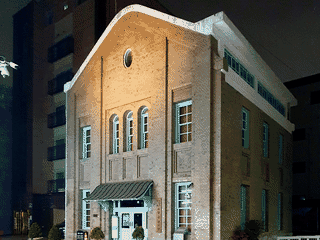

Suwon
South Korea37.27°N 127.02°E · 66 m
Uiwang
South Korea37.33°N 126.97°E
Pangyo
South Korea37.40°N 127.10°E
Overview
Anyang is a practical Seoul-metropolitan stop with a central Line 1 network and intercity buses opposite the main station. Its galleries, architecture museum, and Bronze Age site add a compact culture break between larger urban bases.
Languages: Korean
Why go?
Anyang is a satellite city in Gyeonggi Province that makes a practical stop for travelers exploring the Seoul metropolitan area. The city shifted from an industrial base to a knowledge- and service-based economy, with Pyeongchon New Town famous for its high concentration of private academies and strong education focus. Art enthusiasts will find several cultural venues including Pyeongchon Art Hall and Anyang Art Center, while families appreciate the parks, museums, and children's facilities. The metro Line 1 connection to Seoul (about 45 minutes to Sindorim) makes it accessible as a day trip or base for exploring southern Gyeonggi.
Adapted from Wikivoyage contributors · CC BY-SA 4.0
Getting in
Anyang Station on Seoul Subway Line 1 is the main hub, served by 'Mugunghwa' trains and all Line 1 trains. The Anyang Intercity Bus Terminal is directly opposite Anyang Station (Exit 1), offering variety of intercity buses including express route M5556 connecting Anyang (Seoksu area) to Sadang Station in Seoul. An airport limousine bus runs from Anyang Station to Incheon International Airport Terminal 1 with fares around ₩14,000. The terminal's travel hotline 1330 supports English, Japanese, and Chinese.
Adapted from Wikivoyage contributors · CC BY-SA 4.0
Get around
The primary public transport in Anyang is the Seoul Metro system. Subway Line 1 runs through several stations in Anyang including Indeokwon, Pyeongchon, Beomgye, Seoksu, Gwanak, Anyang, and Myeonghak. All stations have English signage, making navigation straightforward for non-Korean speakers. The city has local buses for reaching areas not covered by the metro.
Adapted from Wikivoyage contributors · CC BY-SA 4.0
When to go
Anyang experiences four distinct seasons typical of humid continental climate. Springs and autumns are pleasant with warm, temperate weather. Summers (June-September) are hot and humid with temperatures peaking in August; the monsoon season brings concentrated rainfall (over 400mm in July) with humidity often exceeding 90%. Winters are cold and dry with January being the coldest month. The city hosts several festivals including the Anyangmanan Culture Festival (traditional weddings and past exam reproductions), Anyang Dance Festival (K-POP dance competitions), Anyang Art Festival, and Anyang Tano Festival (traditional shamanic rites).
Adapted from Wikivoyage contributors · CC BY-SA 4.0
Where to stay
Accommodation in Anyang centers around two main areas: Anyang 1st Street near Anyang Station and Pyeongchon New Town around Pyeongchon Station. Hotels near Anyang Station include Samwon Tourist Hotel (from ₩70,000) and CNC Hotel (from ₩55,000). Pyeongchon area offers 27 Hotel (from ₩45,000), Hotel Avenue 186 (from ₩50,000), and Pyeongchon Jjam (from ₩48,000). Higher-end options include Urban Boutique Hotel near Indeokwon Station (from ₩100,000). Budget travelers can find rooms from ₩45,000 at Koam Tour Hotel or Hotel 月.
Adapted from Wikivoyage contributors · CC BY-SA 4.0
Food and drink
Anyang offers diverse dining options. Local favorites include Cheonokjip (24-hour pork bone stew restaurant, ₩10,000), Original Gopchang (gopchang restaurant popular with locals, ₩25,000), and Sinmen (Japanese ramen featured on TV show 'I Live Alone', ₩11,000). Pyeongchon area has Italian restaurant Casa (₩15,000), Suage Beomgye for tendon, and Myungrang Cheolpan with late-night service (11:30-04:30). For sweets, Dongpyeon Town Café Street near Indeokwon Station has cafes like Gravier, Butterbeaver boutique, and Rabbit's Bread (famous salt bread, ₩2,000). Indeokwon area features izakaya Museubitomo (₩35,000) and modern Korean dessert shop Posil Cake.
Adapted from Wikivoyage contributors · CC BY-SA 4.0
Things to do
Culture seekers should visit Pyeongchon Art Hall (638-seat concert hall with good acoustics), Anyang Art Center (performances and exhibitions), and Kimjungeop Architecture Museum (09:30-17:30). The Anyang Museum hosts rotating planning exhibitions, and Gwanyangdong Bronze Age Historic Site preserves local history. Outdoor spaces include Anyang Art Park (outdoor public art installations in forested area), Pyeongchon Central Park (venue for festivals), and Anyang Saemul Park (sports facilities and walking trails). Families can visit Anyang Children Library, Anyang City Children's Transportation Park, and Byeongmokan Civil Park (built on former quarry site). Movie theaters include CGV Pyeongchon, CGV Beomgye, and LOTTE Cinema locations.
Adapted from Wikivoyage contributors · CC BY-SA 4.0
Safety
Anyang is as safe as most urban areas in South Korea. Standard urban common-sense applies: keep valuables secure and be aware of late-night transport options. Monitor local weather, especially during summer heat/humidity and monsoon rain season from June to September.
Adapted from Wikivoyage contributors · CC BY-SA 4.0
Connectivity
The standard country code for South Korea is +82, with area code +31 for Anyang in Gyeonggi Province. English signage is common in subway stations and on major roads, making communication easier for international visitors.
Adapted from Wikivoyage contributors · CC BY-SA 4.0
Go next
Nearby destinations accessible from Anyang include Gwacheon (south of Seoul with Seoul Grand Park, Seoul Land, and National Science Museum), Uiwang (lakes like Baekun Lake and Wangsong Lake, plus Railway Museum), Gunpo (Royal Azalea Festival at Royal Azalea Hill, hiking on Surisan Mountain), Ansan (coastal scenery at Lake Sihwa and Daebu Island, multicultural village), Gwangmyeong (Gwangmyeong Cave - converted mine into cultural space), Siheung (modern Baegeot New Town alongside Siheung Gaetgol Eco Park), and Seongnam (Bundang and Pangyo new towns, Pangyo Techno Valley dubbed Korea's Silicon Valley). All are within 30-60 minutes by metro or bus.
Adapted from Wikivoyage contributors · CC BY-SA 4.0
Field guide adapted from Wikivoyage contributors · CC BY-SA 4.0. Text has been adapted and organized for this guide. About our sources.
Places to know
A few starting points from the guide. Check current hours and prices before you go.
- drink
3rd Floor Attic
Adapted from Wikivoyage contributors
- drink
98 Percent
Adapted from Wikivoyage contributors
- buy
AK Plaza Geumjeong
This is a shopping mall connected to the nearby apartment shopping mall. It is located right in front of Geumjeong Station, so there is a lot of floating population. It is suitable in size, so many people visit.
Adapted from Wikivoyage contributors
- buy
Anyang 1st street
This is a busy street built around Anyang Station. Some restaurants in Anyang Central Market, which is adjacent to Anyang 1st Street, and tripe alley in the central market are famous among the locals. The ground floor is not small, but the underground shopping mall of Anyang Station is built on a huge scale to cover most of Anyang 1st Street.
Adapted from Wikivoyage contributors
- buy
Anyang Agricultural and Marine Products Wholesale Market
Agricultural and fishery wholesale market located in Pyeongchon-dong, Dongan-gu. Construction began in 1994 when Pyeongchon New Town was in full swing and opened in 1997.
Adapted from Wikivoyage contributors
- do
Anyang Art Festival
It is a festival where art performances and exhibitions are held.
Adapted from Wikivoyage contributors
- do
Anyang Art Park
It is a cultural park known for its outdoor public art installations set within a natural forested area. The park features walking trails, sculptures, and art exhibits by Korean and international artists, making it a popular spot for art enthusiasts and casual visitors. It combines nature and contemporary art, offering a peaceful environment for strolling, sightseeing, and enjoying seasonal scenery.
Adapted from Wikivoyage contributors
- do
Anyang City Children's Transportation Park
It's a park you can enjoy with your children and pets.
Adapted from Wikivoyage contributors
Before you go
Connectivity
Country code +82, area code +31 for Anyang. WiFi available in hotels, cafes, and subway stations.
Language
Korean is the local language. English signage is common in subway stations and on major roads. Tourist hotline 1330 offers English, Japanese, and Chinese support.
Money
Most places accept credit cards, though the intercity bus terminal office requires cash payment. ATMs are widely available throughout the city.
Safety
Anyang is a safe urban area. Standard precautions apply. Summer monsoon season (June-September) brings heavy rain; monitor weather updates.
Transport
Seoul Metro Line 1 stops at Anyang, Indeokwon, Pyeongchon, Beomgye, and other stations. Airport limousine bus to Incheon International Airport costs around ₩14,000 from Anyang Station.
Weather
Humid continental climate with four seasons. Monsoon season June-September brings most annual rainfall (1,198mm average). Summers hot/humid (90%+ humidity), winters cold/dry.