Overview
Daegu is a vibrant metropolis where traditional heritage meets modern city energy. Its central subway hub, local food districts, and KTX links make it a practical stop between Seoul, Busan, and inland destinations.
Food · Transit Hub · Culture
Did you know?
- The main KTX station reaches Busan in 38–44 minutes.
- Samsong Bakery’s addictive corn bread is nicknamed “drug bread.”
- Anjirang Gopchang Town is the clue for an intestines-focused food stop.
Why go?
Daegu is a vibrant metropolis blending traditional heritage with modern energy. It offers a cheaper, less crowded alternative to Seoul, with numerous temples like Gatbawi and Donghwasa, bustling night markets at Seomun, and a lively food scene centered on local specialties like gopchang and spicy octopus. The city is also a hub for festivals, from the Colorful Daegu Festival in May to the Daegu Chimaek Festival in July.
Getting in
Daegu International Airport (TAE) serves domestic flights from Seoul. The main KTX station is Dongdaegu Station, with high-speed trains to Seoul (1 hr 40 min, ₩43,500), Busan (38-44 min, ₩17,100), and Daejeon (₩17,700). Slower Saemaeul and Mugunghwa trains stop at Daegu Station in the city center. Express and intercity buses arrive at Dongdaegu Terminal and other terminals.
Getting around
Daegu has an efficient subway system with three lines. Buses and taxis are also widely available. Banwoldang Station is the central hub where Lines 1 and 2 intersect. Taxi fares are reasonable and drivers are generally honest.
When to go
Daegu has a humid subtropical climate with hot, humid summers (averaging 31°C in August) and cold winters (averaging -4°C in January). Spring and autumn are mild and pleasant. The rainy season is in summer. Many festivals take place in May and July, while cherry blossoms bloom in April and autumn foliage peaks in October.
Where to stay
Budget accommodation includes Danim Backpackers, the city's only hostel, located near Banwoldang Station with free breakfast and a bar. Union Tourist Hotel offers clean, affordable rooms from ₩38,000 per night near Daegu Station. For a unique experience, try LifeSpa jjimjilbang (Korean bathhouse) with entry under ₩10,000.
Food and drink
Daegu's culinary scene features local favorites like Samsong Bakery's addictive corn bread ('drug bread'), gopchang (intestines) at Anjirang Gopchang Town, and spicy stir-fried octopus at Shilla Restaurant (₩15,000). Seomun Market offers a night market with diverse street food. For nightlife, head to Banwoldang or the university areas; Gypsy Rock near Kyungpook National University is a popular rock bar with ₩3,000 draft beer.
Things to do
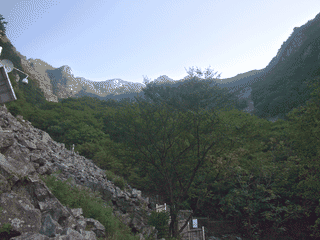
Must-see attractions include the Gatbawi stone Buddha on Palgongsan, which is believed to grant one wish; E-World theme park with the 83 Tower observation deck (₩15,000); and free-entry sights like Daegu National Museum and Duryu Park. Outdoor enthusiasts can hike Apsan Park or visit Suseong Lake. The city also offers many parks and cultural sites.
Stay safe
Daegu is generally safe day and night. Westerners, especially minorities or men with Korean women, may occasionally face hostility from drunken men, but this is rare. Tap water is safe, but those with sensitive stomachs should be cautious with street food and spice. Note that some ATMs close before midnight, and taxi drivers may drive somewhat erratically.
Day trips
Popular day trips from Daegu include Andong (home of Hahoe Folk Village and Mask Festival), Gayasan National Park (with Haeinsa Temple and the Tripitaka Koreana), Gyeongju (Korea's cultural capital with many UNESCO sites), and Gumi (electronics hub with hiking opportunities). All are accessible by KTX or bus.
Go next
From Daegu, KTX trains connect to Seoul, Daejeon, Ulsan, and Busan. Other nearby destinations include Andong, Gayasan National Park, Gumi, and Gyeongju, all within a short trip.
Guide text adapted from Wikivoyage contributors under CC BY-SA 4.0.
Where to start
Eat
Anjirang Gopchang Town
Starting with Chungbuksikdang Restaurant (opened in 1979), livelihood-motivated restaurants and eateries serving marinated gopchang (intestines) began opening up here since the end of the IMF crisis in 1998 until it reached its current size today. Locals enjoy coming to the area because of the affordable prices. The area is also trying to draw in a younger demographic by targeting the younger population. In 2012, Anjirang Gopchang Alley was selected as one of the top five food-themed streets in the nation by the Ministry of Culture, Sports, and Tourism.
Eat
Grilled pork belly meat
There are various menus such as pork belly, pork belly, cold ginseng, and pork ribs, and the special sauce made by the hotel chef creates a richer taste. You can enjoy your meal in a clean and comfortable atmosphere.
Price when recorded: 1 serving of raw pork belly (150g) ₩12,000
Eat
Omuhamu Dongseong-r
A safe restaurant provided by the Ministry of Agriculture, Food and Rural Affairs.
Eat
Samsong Bakery
Samsong Bakery since 1957, is the oldest bakery from Daegu. The corn bread is the most popular bread, it is also known as 'drug bread' due to its addictive taste. Filled with cream and whole kernels of corn, sweet cream cheese and diced vegetables, the store sells about 5000 per day on average.
Eat
Seomun Market
Seomun Market, the largest traditional market in Daegu, was historically referred to as Daegu Market. Along with Pyeongyang Market and Ganggyeong Market, it was known as one of the three largest markets in the Joseon Dynasty. Its night market, opened in 2016, becomes a hot attraction where people come to enjoy delicious food and the romantic atmosphere.
Eat
Shilla Restaurant
The main branch of the Shilla Restaurant is a popular restaurant in Daegu, where stir-fried octopus and Korean bean seafood and soft bean curd jjigae are popular.
Price when recorded: Spicy Stir-fried Octopus on Stone Plate ₩15,000
Eat
Yeonmakchang
Makchang aged with lotus leaves is soft and savory
Price when recorded: Yeonmakchang ₩12,000
See
2.28 Democratic Movement Memorial Park
2.28 Democratic Movement Memorial Park The 2.28 Democracy Movement was a voluntary resistance protest organized by high school students in Daegu to withstand the dictatorship. On February 28, 1960, about 800 high school students refused to comply with the dictatorial to attend schools on Sunday. Instead, they gathered in Banwoldang and the Gyeongsangbuk-do Government Office to rally against the government's illegality and corruption. The movement was initiated with the spirits of Daegu students and citizens, and led to the following democracy revolution in Korea.
Before you go
Language
Korean is the main language; English is not widely spoken except in tourist areas and youth hostels.
Money
Some ATMs close before midnight. Credit cards are widely accepted, but cash is preferred at smaller markets.
Safety
Daegu is very safe, though rare drunken hostility may occur. Taxis drive erratically but are honest.
Transport
Subway and buses cover the city efficiently. Taxis are reasonably priced.
Water
Tap water is safe to drink. Those with sensitive stomachs should be cautious with street food and spice.