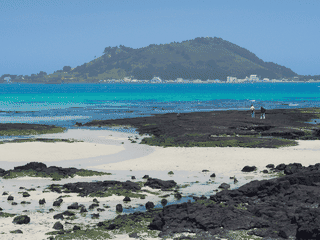

Jeju
East Asia · South Korea
Did you know?
- Ganse dolls are plush ponies made from used clothing, with profits supporting trail maintenance.
- South Korea's highest peak draws hikers to UNESCO-listed volcanic island and lava-tube landscapes.
- The signature hallabong is an oversized tangerine with a bump on top and an easy-peel reputation.
See also
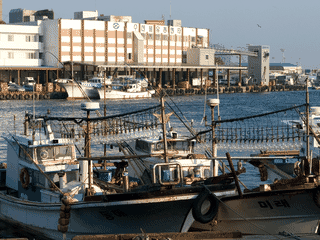

Seogwipo
South Korea33.25°N 126.56°E
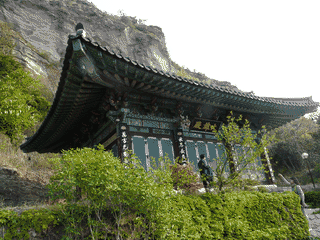

Jindo
South Korea34.49°N 126.26°E · 485 m
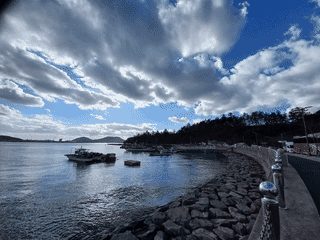

Mokpo
South Korea34.76°N 126.38°E · 2 m
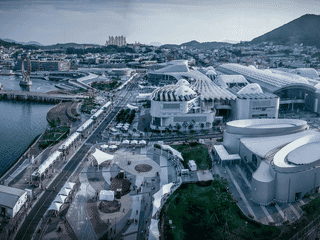

Yeosu
South Korea34.76°N 127.66°E
Overview
Jeju combines volcanic landscapes, Hallasan hikes, and coastal trails with distinctive local citrus and lava-tube scenery. Frequent flights and ferries make it a flexible gateway to mainland South Korea and nearby islands.
Languages: Korean
Why Go
Jeju Island is Korea's largest island and the country's top tourist destination, attracting over 8 million international visitors annually plus millions of domestic tourists. The island offers a unique subtropical-to-temperate climate, volcanic landscapes including Halla-san (South Korea's highest peak), sandy beaches, and the famous Jeju Olle coastal hiking trails. Originally developed as a domestic vacation spot when Koreans couldn't travel internationally until the late 1980s, it remains a traditional honeymoon destination where couples often wear matching outfits.
Adapted from Wikivoyage contributors · CC BY-SA 4.0
Getting In
The Seoul-Jeju route is the most-used flight route in the world, with frequent flights to Jeju International Airport. Low-cost airlines increasingly serve the island, making it more accessible. Ferries connect Jeju to the mainland: ferries to Wando depart daily at 7:20 and 19:30 (3-hour journey), to Nokdong at 16:30, and to Yeosu every afternoon. International flights also connect to Japan (Fukuoka, Osaka, Tokyo, Nagoya), China (Shanghai, Beijing, Hong Kong), and Southeast Asia (Bangkok, Kuala Lumpur, Taipei, Hanoi).
Adapted from Wikivoyage contributors · CC BY-SA 4.0
Getting Around
Public buses connect major destinations across the island. Taxis are readily available, with rides to Shin-Jeju from Jeju city proper costing around ₩5,000. Car rental is popular for exploring at your own pace. The island's two main settlements are Jeju City in the north (where the international airport is located) and Seogwipo in the south (home to the Jungmun Tourist Resort Complex).
Adapted from Wikivoyage contributors · CC BY-SA 4.0
When to Go
Jeju has a subtropical-to-temperate climate with average highs ranging from 3°C in January to 30°C in August. The island is milder than the Korean mainland due to warm surrounding currents but experiences significant wind year-round. Rainfall is heaviest between June and September. Peak tourist seasons include Korean national holidays and July-August summer holidays. Outside these periods, accommodation is more available and affordable.
Adapted from Wikivoyage contributors · CC BY-SA 4.0
Where to Stay
Minbak (guesthouses) abound on Jeju, with abundant rooms in small guesthouses with character in Jeju City, Seogwipo, and smaller towns. Several motels next to the bus terminal in Jeju City offer rooms at around ₩30,000 per night: You-cheong, Oh-cheon, and Nam-san. For budget travelers, jjimjillbangs (Korean public bathhouses with sleeping facilities) are available in Jeju City and under the World Cup Stadium in Seogwipo. Luxury 5-star options are concentrated in Seogwipo's Jungmun Tourist Resort Complex.
Adapted from Wikivoyage contributors · CC BY-SA 4.0
Food and Drink
Jeju's signature citrus is the hallabong (dekopon), an oversized tangerine with a distinctive bump on top known for its sweet taste and easy peelability. Mandarin oranges are also a major local product. The local specialty soju is Hallasan Soju, ranging from ₩1,000 to ₩3,000 per bottle. Jeju kamgyul (citrus wine) costs around ₩5,000 for a 750mL bottle. Various hallabong ades (drinks made from hallabong juice) are popular. The western tip of the island has tea plantations producing green tea.
Adapted from Wikivoyage contributors · CC BY-SA 4.0
Things to Do
Hiking on Halla-san (South Korea's highest peak) is a major draw. The Jeju Olle Trail offers coastal hiking with cute ganse dolls (₩15,000) available as souvenirs—plush ponies handmade from used clothing by local women, with profits supporting trail maintenance. The island features UNESCO-listed Jeju Volcanic Island and Lava Tubes. Other attractions include horseback riding, visiting Korean drama filming locations, and quirky theme parks (sex, glass, and teddy bear museums). Sunrise and sunset viewing over the ocean are popular activities.
Adapted from Wikivoyage contributors · CC BY-SA 4.0
Safety
Jeju has the lowest crime rate in South Korea, with violent crime almost non-existent. However, remain vigilant against pickpockets in tourist areas. Two police forces operate here: the Jeju Municipal Police handles traffic and tourist policing, while the Jeju Provincial Police deals with serious crimes. Watch for rockfall warning signs near cliffs and caves on the south coast—even near Jungmun. Snakes live on Jeju, so be aware when hiking.
Adapted from Wikivoyage contributors · CC BY-SA 4.0
Buy
Jeju specialty products include hallabong chocolate (plain flat chocolate with hallabong flavor or shaped like grandfather statues), brown clothing dyed with persimmon fruit juice, and small basalt stone replicas of the iconic dol hareubang (grandfather stone statues). Citrus products (hallabong and mandarines), Jeju kamgyul wine (₩5,000/750mL), and green tea from western tea plantations are popular. Ganse dolls (₩15,000) from the Olle hiking trails make meaningful souvenirs. Cards are useful but many places remain cash-only; BK Star bank in Seogwipo and Family Mart convenience stores with ATMs accept foreign cards.
Adapted from Wikivoyage contributors · CC BY-SA 4.0
Drink
Hallasan Soju (₩1,000-3,000 per bottle) is the local specialty soju, famed for its unique flavor. Various hallabong ades made from hallabong juice are widely available. For Western-style nightlife, Shin-Jeju area (₩5,000 taxi from Jeju city) has establishments like La Vie, Boris Brewery, Modern Time, Blue Agave, and GP. Led Zeppelin is a vinyl bar with album-oriented rock, massive record collection, and song requests. Except for Gecko's in the south, there aren't other genuine Western pubs on the island.
Adapted from Wikivoyage contributors · CC BY-SA 4.0
Go Next
From Jeju, mainland South Korea is accessible via flights to major cities or ferries to Wando (3 hours), Nokdong, and Yeosu. International destinations include Japan (Fukuoka, Osaka, Tokyo, Nagoya), China (Shanghai, Beijing, Hong Kong, and many other cities), and Southeast Asia (Bangkok, Kuala Lumpur, Taipei, Hanoi). The island is administratively divided into Jeju-Si district (north) and Seogwipo-Si district (south).
Adapted from Wikivoyage contributors · CC BY-SA 4.0
Field guide adapted from Wikivoyage contributors · CC BY-SA 4.0. Text has been adapted and organized for this guide. About our sources.
Places to know
A few starting points from the guide. Check current hours and prices before you go.
- sleep
Jjimjillbang in Jeju City
Korean public bathhouses with sleeping facilities, ubiquitous in Jeju City for budget travelers
Adapted from Wikivoyage contributors
- sleep
Jjimjillbang under World Cup Stadium
Public bathhouse with sleeping facilities under the stadium in Seogwipo
Adapted from Wikivoyage contributors
- sleep
Jungmun Tourist Resort Complex hotels
Luxury 5-star accommodations concentrated in Seogwipo's resort complex
Adapted from Wikivoyage contributors
- sleep
Motel row near Jeju City bus terminal
Three budget motels (You-cheong, Oh-cheon, Nam-san) next to the bus terminal offering rooms around ₩30,000 per night
Recorded price: ₩30,000/night
Adapted from Wikivoyage contributors
- eat
Hallabong (dekopon) citrus
Jeju's signature oversized tangerine with distinctive bump, known for sweet taste and easy peelability
Adapted from Wikivoyage contributors
- eat
Hallabong chocolate varieties
Plain flat chocolate with hallabong flavor or shaped like grandfather statues; also in orange, kiwi, green tea, and purple cactus fruit varieties
Adapted from Wikivoyage contributors
- eat
Hallasan Soju
Local specialty soju brand from Jeju, famed for its unique flavor
Recorded price: ₩1,000-3,000/bottle
Adapted from Wikivoyage contributors
- eat
Jeju green tea
Green tea from plantations on the western tip of the island, though less famous than Boseong
Adapted from Wikivoyage contributors
Before you go
Connectivity
Standard South Korean mobile networks and WiFi available in urban areas. Convenience stores provide internet access. International roaming common.
Language
Korean is standard, though Jeju dialect differs significantly and is nearly incomprehensible to mainland Koreans. English is not widely spoken, but tourist services increasingly offer Japanese and Mandarin. Most locals can speak standard Korean.
Money
South Korean won (KRW) is the local currency. Many smaller establishments remain cash-only, though cards work at BK Star bank in Seogwipo and Family Mart ATMs. Budget accommodations start around ₩30,000/night.
Safety
Jeju has South Korea's lowest crime rate. Violent crime is rare, but watch for pickpockets in tourist areas. Beware rockfall warning signs near cliffs and be aware of snakes on hiking trails.
Transport
Jeju International Airport handles the world's busiest flight route (Seoul-Jeju). Ferries connect to mainland ports including Wando, Nokdong, and Yeosu. Public buses and taxis are available for getting around the island.
Weather
Subtropical-to-temperate climate with average highs of 3°C in January to 30°C in August. Rainy season June-September. Mild climate due to warm ocean currents but significant wind year-round.