Overview
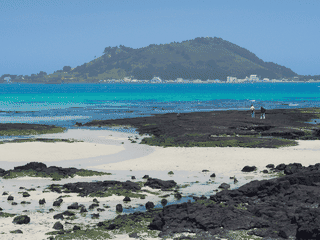
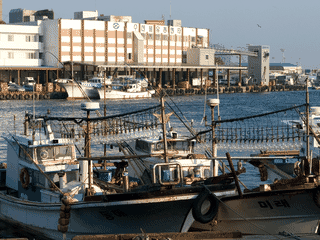
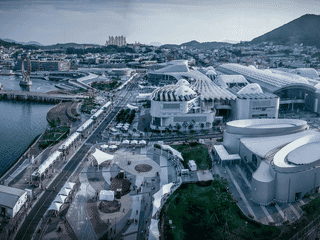
Jeju City is the administrative and population capital of Jeju Island, serving as the primary gateway via Jeju International Airport and the major domestic ferry terminal. The city sits on the north side of the island sandwiched between Hallasan Mountain and the coast, offering easy access to the island's three UNESCO-rated natural attractions: Hallasan Mountain, Seongsan Ilchulbong, and Manjanggul Lava Tube.
Beach · Budget Travel · Museums · Nature · Trekking
Before you go
Food
Jeju black pork (heukdwaeji) is the signature dish, available at restaurants throughout the city and on Black Pork Street in Yeondong. Hallabong citrus, abalone dishes, and local soju (₩3,000) are local specialties.
Money
Cash remains common in Jeju, though card use has increased. Department stores and modern shops accept cards, but traditional markets may require cash. ATMs available throughout the city.
Transport
Jeju International Airport handles the world's busiest air route (Seoul-Jeju). Local buses #36/37/63/300/500 serve major attractions. Taxis to Shin-Jeju nightlife district cost around ₩5,000.
Weather
Jeju has milder winters than mainland Korea (January average 3.7-8.6°C). Summers are hot and humid (23.7-30.1°C in July-August) with heavy rainfall. The Jeongwol Daeboreum Fire Festival occurs in February.