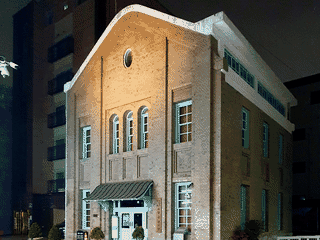

Suwon
East Asia · South Korea
Did you know?
- Its Gyeonggi-do position makes it a base for exploring the surrounding region.
- A bow when greeting remains the traditional form of respect.
- Line 1 from Yongsan reaches the city in approximately 50 minutes.
See also
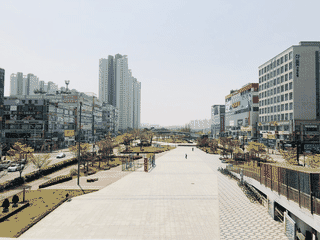

Ansan
South Korea37.32°N 126.82°E · 139 m
Uiwang
South Korea37.33°N 126.97°E
Anyang, Gyeonggi
South Korea37.39°N 126.93°E · 47 m
Pangyo
South Korea37.40°N 127.10°E
Overview
Suwon is a city of over one million people and the capital of Gyeonggi-do province. It is most easily reached from Seoul by Subway Line 1, making it a straightforward regional base.
Languages: Korean
Why Go?
Suwon (수원) is a city of over one million people and the capital of Gyeonggi-do province. Its main draw is Hwaseong Fortress, a UNESCO World Heritage site built in the 1790s under King Jeongjo. The fortress features impressive gates like Janganmun and Paldalmun, plus walking the walls takes 2-3 hours. Beyond history, Suwon is famous for galbi (sweet marinated ribs) and has become a culinary destination thanks to the 'Suwon Wang Galbi Chicken' from the hit movie 'Extreme Occupation.' For visitors based in Seoul, Suwon makes an easy day trip via subway (Line 1 takes about 50 minutes from central Seoul), or you can stay overnight to explore at a slower pace.
Adapted from Wikivoyage contributors · CC BY-SA 4.0
Getting In
From Seoul, Suwon is most easily reached by subway Line 1 from Yongsan or other central stations (approximately 50 minutes). Suwon Station is a major hub on both the subway and Korail networks. If coming from further away, KTX high-speed trains stop at Suwon Station connecting to Daejeon and other cities. By bus, expressways connect Suwon to the wider Seoul metropolitan area. The article notes that for visitors to Seoul, Suwon can be treated like another suburb.
Adapted from Wikivoyage contributors · CC BY-SA 4.0
Getting Around
Suwon has an extensive subway network with stations including Sungkyunkwan Univ., Hwaseo, Suwon (main station), Seryu, and others extending into residential areas. Bus lines are numerous, with routes 11, 13, 13-3, and 36 serving the fortress area. For the fortress specifically, buses from Suwon Station to Paldalmun roundabout take about 10 minutes. Alternatively, it's a 30-minute walk from Suwon Station to Paldalmun Gate. Bike rentals are available through apps like Every Bike (에브리 바이크), TAZO (타조), and elecle (일레클) for eco-friendly transport around the city.
Adapted from Wikivoyage contributors · CC BY-SA 4.0
When to Go
Suwon has a continental climate similar to Seoul, classified as cold-temperate (Dwa). Summers (June-August) are hot and humid with temperatures reaching 30°C and heavy rainfall (385mm in July). Winters (December-February) are cold with temperatures dropping to -6°C and minimal snowfall. Spring (March-May) and autumn (September-November) offer mild weather ideal for walking the fortress walls. The summer monsoon season (late June-July) brings significant rainfall that may affect outdoor activities.
Adapted from Wikivoyage contributors · CC BY-SA 4.0
Where to Stay
Suwon offers accommodation ranging from budget motels to international hotels. Near Suwon Station, you can find options like Suwon Station Hotel A7 (Rooms from ₩30,000), Hash Hotel (Rooms ₩30,000), and Design Hotel Khan (Rooms ₩25,000). For traditional Korean experiences, Hwaseong Guesthouse (₩15,000 per person) and Maeholjae Hanok (₩100,000-120,000 per night for two) near Hwahongmun Gate offer unique stays. Mid-range options include Ibis Ambassador Suwon in Ingye-dong and Novotel Ambassador Suwon. Budget travelers can find motels throughout the city with rooms starting around ₩20,000-25,000.
Adapted from Wikivoyage contributors · CC BY-SA 4.0
Food and Drink
Suwon is famous for galbi (sweet marinated ribs) - restaurants near Yeongtong Square serve the local specialty, and there's an excellent galbi restaurant across from the World Cup Stadium. The train/metro station mall has an extensive food court with meals starting at ₩4,500. For Korean food, Seonggwak (성곽) near Janganmun Gate serves traditional dishes in a yellow building (₩27,000 for two). Near Hwaseong Haenggung Palace, you'll find diverse options including Italian (Un Melo Branch 1), Japanese udon (Yomi Udongyoja, ₩8,900), Korean fusion (Muumuok), and tonkatsu (Hakku, ₩16,000). Vegetarian restaurants exist but are harder to find. Nightlife centers on Ingyedong, Yeongtong, and Nammun (Rodeo Street) areas.
Adapted from Wikivoyage contributors · CC BY-SA 4.0
Things to Do
The centerpiece is Hwaseong Fortress (₩1,000 adults) with its four gates, walking walls (2-3 hours), and SeoJangdae outpost offering panoramic views. Hwaseong Haenggung Palace (₩4,000 adults) was King Jeongjo's temporary residence - the largest of Korean royal palaces. Try traditional Korean archery at Yeonmudae outpost (₩2,000 for 10 shots). Mount Gwanggyo in the north has hiking trails with farm restaurants at the base. Flying Suwon (플라잉수원) offers hot air balloon rides (₩20,000 adults) reaching 150m altitude. For culture, visit the Haewoojae Museum ( poop museum, free), Suwon Gwanggyo Museum (₩2,000 adults), or Samsung Innovation Museum (free). The Haenggung-dong Mural Village offers free colorful street art.
Adapted from Wikivoyage contributors · CC BY-SA 4.0
Safety
Suwon is generally a safe city with low crime rates. Standard urban precautions apply - be aware of your surroundings in crowded markets and keep valuables secure. The fortress walls and hiking trails are well-maintained but exercise caution during wet or icy conditions. Evening nightlife areas like Ingyedong are safe but standard bar safety applies.
Adapted from Wikivoyage contributors · CC BY-SA 4.0
Connectivity
South Korea has excellent mobile coverage with major providers like SKT, KT, and LG Uplus. SIM cards and eSIM options are widely available. Most hotels, cafes, and restaurants offer free WiFi. South Korean power outlets use Type C (two round pins) and Type F (two round pins with grounding clips), 220V/60Hz - bring a universal adapter if needed.
Adapted from Wikivoyage contributors · CC BY-SA 4.0
Budget
Suwon is moderately affordable compared to Seoul. Budget travelers can get meals at food courts from ₩4,500-8,000, street food at traditional markets (Nammun Market, Paldalmun Market) around ₩5,000-10,000. Hostel dorms start around ₩15,000-20,000, while budget motels range ₩20,000-35,000 per room. Subway rides cost around ₩1,400-2,000 depending on distance. Attractions like Hwaseong Fortress (₩1,000) and Hwaseong Haenggung (₩4,000) have modest entrance fees. A daily budget of ₩50,000-80,000 is reasonable for backpackers.
Adapted from Wikivoyage contributors · CC BY-SA 4.0
Day Trips
Suwon's position in Gyeonggi-do makes it a good base for exploring the surrounding region. Head north to Seoul via Anyang or Uiwang (about 50 minutes by subway). Southbound, you can visit the hot springs resort of Ansan or continue to Cheonan, where the Independence Hall of Korea is located. The nearby Everland theme park (in Yongin) is accessible via bus. Gwanggyo Lake Park offers a natural escape within the city boundaries.
Adapted from Wikivoyage contributors · CC BY-SA 4.0
Etiquette
Korean cultural norms apply in Suwon. Bow when greeting, which is the traditional form of respect. Remove shoes when entering homes and some traditional restaurants (check for shoe racks). Tipping is not customary in restaurants and is rarely practiced. Queue orderly at stations and markets. When visiting temples or historical sites, dress modestly and speak quietly. Bargaining is appropriate at traditional markets but not at department stores.
Adapted from Wikivoyage contributors · CC BY-SA 4.0
Go Next
From Suwon, Seoul is the primary destination to the north (50 minutes by subway Line 1). Anyang and Uiwang are nearby suburban cities worth a quick visit. To the south, Ansan offers hot springs resorts, while Cheonan has the Independence Hall of Korea. Daejeon (via KTX) is about 1.5 hours south and makes a good next stop for those exploring beyond the Seoul metropolitan area. Incheon Airport is reachable via subway transfer if heading internationally.
Adapted from Wikivoyage contributors · CC BY-SA 4.0
Field guide adapted from Wikivoyage contributors · CC BY-SA 4.0. Text has been adapted and organized for this guide. About our sources.
Places to know
A few starting points from the guide. Check current hours and prices before you go.
- drink
911 club
Famous for "drunken" tequila parties that it holds on Friday and Saturday night. It's a relaxed hip hop club with a bit of skate style.
Adapted from Wikivoyage contributors
- buy
AK Plaza (Suwon station)
It is a place where you can enjoy a lot of shopping, movies and dining out. Disadvantages include poor traffic, making it difficult to enter the parking lot when crowded, including weekends.
Adapted from Wikivoyage contributors
- drink
Bearike (베어이케)
a charming cafe famous for its bear-shaped desserts and cozy attic-style interior; the 'bear mousse cake' is its signature item and very popular for social media photos
Recorded price: ₩6,000-8,000
Adapted from Wikivoyage contributors
- drink
Butter Book (버터북)
a pastel-colored donut and gelato specialty shop; its vibrant yellow exterior is a well-known photo spot in Haenggung-dong, and it offers a wide variety of flavored milks in glass bottles
Recorded price: ₩5,000-7,000
Adapted from Wikivoyage contributors
- drink
Byeolbam
It is a club that plays songs popular in the 90s.
Adapted from Wikivoyage contributors
- drink
Byeolbam2
Ingyedong is the second point of the night. There is a review that is more fun than the traditional star.
Adapted from Wikivoyage contributors
- buy
COLHAG
It is a great place to browse, featuring many trendy items, and also sells vintage products.
Adapted from Wikivoyage contributors
- drink
Cafe Diaaz
Situated on the 4th floor of the HP Building, this large dessert café offers seasonal fruit-cream cakes and a rooftop terrace — popular for dates, meetings, and group gatherings.
Adapted from Wikivoyage contributors
Before you go
Connectivity
Korea has excellent 4G/LTE coverage. Major providers: SKT, KT, LG Uplus. Prepaid SIMs and eSIMs available at airports and convenience stores. Free WiFi at most cafes, restaurants, and hotels.
Culture
Suwon was built under King Jeongjo in 1794-1796 as a planned city around Hwaseong Fortress. It's the provincial capital of Gyeonggi-do and home to Samsung Electronics headquarters.
Food
Suwon is famous for galbi (marinated ribs) and 'Suwon Wang Galbi Chicken' (galbi sauce fried chicken). Traditional markets offer affordable street food. Station food courts are excellent and affordable (meals from ₩4,500).
Health
Tap water is not generally drunk; bottled water is recommended. Pharmacies and clinics are plentiful.
Local transport
Suwon's subway, buses, and bike-sharing make it easy to get around. The fortress area is best explored on foot.
Money
South Korean Won (KRW) is the currency. Cash is widely accepted but cards work at most hotels, restaurants, and shops. Traditional markets prefer cash. ATMs are plentiful at convenience stores (CU, GS25, 7-Eleven) and banks.
Safety
Suwon is generally very safe. Standard urban precautions apply. The fortress walls and hiking trails are well-maintained.
Transport
Suwon is on Seoul Metro Line 1 and Korail. The subway connects to major attractions and neighborhoods. Buses (₩1,400-2,300) supplement the rail network. Bike-sharing apps (Every Bike, TAZO, elecle) are available. T-money cards work for all public transit.
Visa
Most nationalities can enter South Korea visa-free for tourism purposes (30-90 days depending on nationality). Check current requirements before travel.
Visa context
Visa rules depend on passport; check current entry rules before booking.
Weather
Continental climate with hot humid summers (up to 30°C in July) and cold winters (down to -6°C in January). Spring and autumn are pleasant for sightseeing. July is the wettest month.