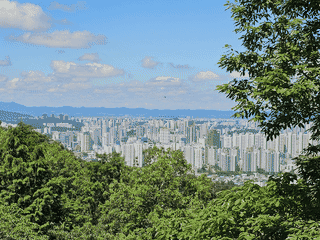

Gwangju
East Asia · South Korea
Did you know?
- A giant U-Square bus terminal anchors a city known for youth culture, arts, dining, and nightlife.
- The 5.18 Memorial Park sits alongside the Asia Culture Center and Art Street in the attraction mix.
- Try tteok-galbi, ori-tang, sangchu-twigim, or yuk-jeon for a distinctly regional food trail.
See also
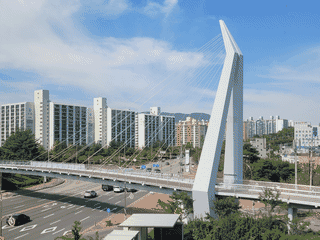

Suncheon
South Korea34.95°N 127.48°E
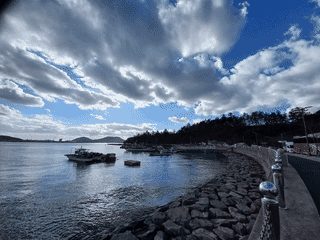

Mokpo
South Korea34.76°N 126.38°E · 2 m
Overview
Gwangju combines a modern city feel with a lively youth and arts scene, a huge bus terminal, and a pedestrian district built for dining and nightlife. It also makes a useful base for Jeonju, Mokpo, Yeosu, and Boseong day trips.
Languages: Korean
Why go?
Gwangju offers a more modern and clean city than many others in South Korea, with a thriving youth and arts scene, the massive U-Square bus terminal, and the largest pedestrian district for dining and nightlife. It is also famous for its cuisine, as Jeolla province is the breadbasket of Korea, and for its historical significance as the site of the 1980 Gwangju Uprising, which shaped the city's proud democratic spirit.
Adapted from Wikivoyage contributors · CC BY-SA 4.0
Getting in
Gwangju is accessible by air via Gwangju Airport, with domestic flights from Seoul Gimpo and Jeju. KTX high-speed trains serve Gwangju Songjeong Station from major cities. Express buses arrive at Gwangju Express Bus Terminal (U-Square), one of the largest and most modern bus terminals in the country.
Adapted from Wikivoyage contributors · CC BY-SA 4.0
Getting around
Getting around Gwangju is easy with buses and taxis. The Gwangju Subway Line 1 runs from southeast to west-southwest, connecting near the bus terminal at Nongseong Station. The subway is never as overcrowded as Seoul. Taxis are generally cheap.
Adapted from Wikivoyage contributors · CC BY-SA 4.0
When to go
Gwangju lies between a subtropical and humid continental climate. November to April are cooler and drier, while June to August are hot and humid with monsoon rains. Winters have occasional light snow. Spring and autumn offer milder weather, but the article does not specify a best season.
Adapted from Wikivoyage contributors · CC BY-SA 4.0
Where to stay
Accommodation options range from budget jjimjilbangs (sauna rooms) like Wellbeing Health Land (₩9,000) to hostels like Oasita Hostel (from ₩22,000) and traditional hanok guesthouses like Misori Guesthouse. Central locations include the downtown area near Geumnam-ro.
Adapted from Wikivoyage contributors · CC BY-SA 4.0
Food and drink
Gwangju is famous for its cuisine as the breadbasket of Korea. Local specialties include tteok-galbi (minced beef ribs), ori-tang (duck stew), sangchu-twigim (fried food wrapped in lettuce), and yuk-jeon (beef pancake). The Geumnam-ro and Chungjang-ro streets are the main pedestrian area for dining and nightlife, with many bars and clubs. The Daein Market holds a Saturday night market with affordable food like soup, pancakes, and skewers.
Adapted from Wikivoyage contributors · CC BY-SA 4.0
Things to do
Top attractions include the Asia Culture Center (ACC), Art Street, Jeungsimsa Temple at Mudeungsan Mountain, and the 5.18 Memorial Park. Outdoor activities include hiking Mudeungsan National Park, walking along the Gwangju River, and watching a KIA Tigers baseball game. The Gwangju Biennale is a major art exhibition in even-numbered years.
Adapted from Wikivoyage contributors · CC BY-SA 4.0
Safety
Gwangju is generally very safe, even at night. There is no gang activity, but avoid extremely intoxicated people. During fine dust storms from China, avoid going outside or wear a mask. Tap water is drinkable but locals often boil or buy bottled water.
Adapted from Wikivoyage contributors · CC BY-SA 4.0
Connectivity
Emergency numbers: Police and Fire Department. English is not as widely understood as in Seoul, but people know enough. Taxi drivers can call a translation service if needed. The Gwangju International Center provides services for foreigners.
Adapted from Wikivoyage contributors · CC BY-SA 4.0
Day trips
Day trips from Gwangju include Jeonju (birthplace of bibimbap and Hanok village), Mokpo and Yeosu (coastal towns), Boseong (green tea plantations), and Unjusa temple about 40 km south.
Adapted from Wikivoyage contributors · CC BY-SA 4.0
Etiquette
Gwangju has a distinct dialect, but locals use standard Korean with foreigners. English is not widely understood, so learning a few Korean phrases can be helpful. Bargaining is possible at Kumho World Electronics Market, but not always successful.
Adapted from Wikivoyage contributors · CC BY-SA 4.0
Go next
Head north to Jeonju to see its Hanok village, or south to coastal towns like Mokpo and Yeosu. Boseong's green tea plantations and Unjusa temple are also nearby. KTX trains connect to Daejeon and Mokpo.
Adapted from Wikivoyage contributors · CC BY-SA 4.0
Field guide adapted from Wikivoyage contributors · CC BY-SA 4.0. Text has been adapted and organized for this guide. About our sources.
Places to know
A few starting points from the guide. Check current hours and prices before you go.
- eat
Alain
French style
Adapted from Wikivoyage contributors
- eat
Alps Restaurant
Western Style
Adapted from Wikivoyage contributors
- eat
Ashley
American/Canadian style
Adapted from Wikivoyage contributors
- eat
Black Stone
Western style. There are 2 more branches in Gwangju (Sangmu and Suwan district).
Adapted from Wikivoyage contributors
- eat
Daisy the Bistro
Western Style
Adapted from Wikivoyage contributors
- eat
First Alleyway
American/Canadian style
Adapted from Wikivoyage contributors
- eat
First Nepal
Nepalese/Indian style
Adapted from Wikivoyage contributors
- eat
Gourmet Kitchen
Western Style.
Adapted from Wikivoyage contributors
Before you go
Language
English not widely understood; taxi drivers can call a translation service.
Safety
Gwangju is very safe, even at night. No gang activity. Beware of fine dust storms from China.
Water
Tap water is drinkable but locals often boil or buy bottled water.