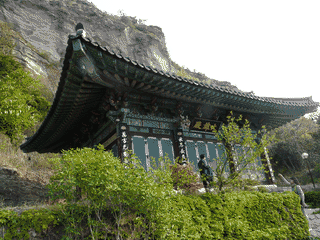

Jindo
East Asia · South Korea
Did you know?
- Local tables lean on miyeok, black rice, fish, octopus, and shellfish.
- The Mysterious Sea Road appears during extreme low tides, usually twice a year.
- Visitors can walk a 2.8 km seabed up to 40 m wide.
See also
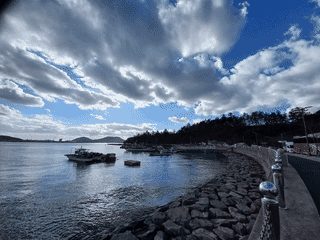

Mokpo
South Korea34.76°N 126.38°E · 2 m
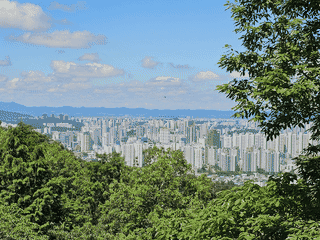

Gwangju
South Korea35.17°N 126.92°E
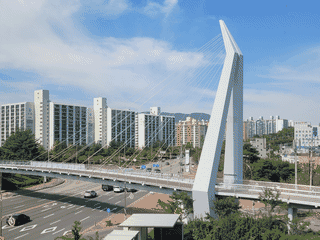

Suncheon
South Korea34.95°N 127.48°E
Overview
A scenic island known for a tidal sea road, native dogs, and naval history, Jindo offers a distinctly coastal cultural escape. At extreme low tide, the Mysterious Sea Road becomes a walkable seabed linking Hoedong-ri and Modo Island.
Languages: Korean
Why go?
Jindo is a scenic South Korean island in Jeollanam Province known for the dramatic Mysterious Sea Road that appears at extreme low tides, the legendary loyalty of the native Jindo dog, and historic sites related to Admiral Yi Sun-sin’s Battle of Myeongnyang. The island offers mountainous hiking trails, coastal viewpoints, traditional temples, and a chance to experience local seafood specialties in a quiet, rural setting away from crowded tourist hotspots.
Adapted from Wikivoyage contributors · CC BY-SA 4.0
Understand
Jindo has been known by several names throughout history, including Haeyangdo and Okjoo-gun, and was renamed Jindo in 1001. The island endured Mongol invasions in the 13th century and Japanese attacks during the Imjin War (1592–1598). Today Jindo County encompasses about 230 islands, with only 45 inhabited by roughly 4,855 residents. The Battle of Myeongnyang in 1597, where Admiral Yi Sun-sin achieved a decisive victory, took place in the Myeongnyang Strait, now spanned by the Jindo Bridge. The Korean Jindo dog, a medium-sized hunting breed native to the island, was designated Natural Monument No. 53 in 1962. The tragic sinking of MV Sewol in 2014 occurred near Donggeochado Island; Jindo Port served as the rescue base, marking a somber chapter in Korean history.
Adapted from Wikivoyage contributors · CC BY-SA 4.0
Climate
Jindo experiences a humid subtropical climate (Köppen Cfa) with mild winters and hot, humid summers. January averages a high of about 6 °C, while August sees highs around 29 °C with high humidity. Rainfall is concentrated during the summer monsoon season, with July receiving over 250 mm—more than the entire winter combined. The best times to visit are spring (April–May) and autumn (September–October), when temperatures range from 17 °C to 22 °C, skies are clearer, and humidity is lower, making outdoor activities such as hiking and sightseeing most comfortable.
Adapted from Wikivoyage contributors · CC BY-SA 4.0
Getting around
Transportation on Jindo requires advance planning. Local buses operate about 10 times per day on the busiest routes, are not numbered, and run on a cash‑only basis (₩1,000 per ride). Timetables are posted at the main bus terminal in Jindo‑eup, which is the most reliable departure point. Intercity buses that cross the island stop at various points, useful for reaching intermediate destinations. Taxis are available but limited; the compact town center of Jindo‑eup is walkable, but for remote sites, arranging a return taxi is advisable. Car rental provides flexibility, especially for visiting multiple attractions or the smaller inhabited islands reachable by ferry. Ferries service the larger islands in the archipelago; schedules are posted at the bus terminal and online.
Adapted from Wikivoyage contributors · CC BY-SA 4.0
Where to stay
Accommodation options in Jindo range from hotels to motels and guest houses. The Sol Beach Progress (쏠비치 진도) is a four‑star hotel certified by the Korea Tourism Association, located at 30‑40 Songgun‑gil, Uisin‑myeon. For budget travelers, there are motels such as First Motel (퍼스트모텔) and Piano Motel (피아노모텔), both within a few minutes’ walk of Jindo Public Terminal. Jindo Star Guest House (진도스타게스트하우스) offers free public parking next door. During the Mysterious Sea Road Festival, demand spikes, so booking ahead is recommended.
Adapted from Wikivoyage contributors · CC BY-SA 4.0
Food & drink
Jindo’s cuisine emphasizes fresh seafood and local agricultural products. Must‑try items include miyeok (brown seaweed) used in soups and salads, locally grown black rice (흑미) with its nutty flavor, and a variety of freshly caught fish, octopus, abalone, and shellfish prepared raw (hoe), grilled, or in stews. Some restaurants serve hongeo, a fermented skate delicacy known for its strong ammonia scent. The main town of Jindo‑eup has numerous Korean fried chicken shops, fast‑food outlets offering Korean‑style Chinese dishes, and traditional Korean restaurants. Gugija tea (구기자차) made from goji berries is a popular traditional beverage and makes a good souvenir. Dining hours are typically lunch 11:30‑14:00 and dinner 17:30‑21:00; many places close between meals. Credit cards are widely accepted in town, but cash is needed for smaller establishments and rural areas.
Adapted from Wikivoyage contributors · CC BY-SA 4.0
Things to do
The island’s most famous attraction is the Mysterious Sea Road (진도 신비의 바닷길), a natural causeway that emerges during extreme low tides, usually twice a year in the lunar calendar. The event draws thousands of visitors who walk the 2.8 km long, up to 40 m wide seabed between Hoedong‑ri and Modo Island, accompanied by folklore of Grandmother Ppong. The Mysterious Sea Road Festival features traditional folk dances, cultural activities, and Jindo dog shows. For outdoor enthusiasts, Cheomchalsan Mountain (485 m) offers the most challenging hike with panoramic views of the archipelago and historic Baekje‑era fortress ruins. Dongseok Mountain (255 m) provides easier family‑friendly trails and excellent sunset views over the West Sea. The Jindo Tourist Boat (₩25,000) departs from Shimi Port and circumnavigates islands including Jugwangdo and Buldo Island, with views of the famous Sebang Nakjo sunset. The Jindo Dog Theme Park (진도개테마파크) showcases the breed’s history and daily dog sports. Jindo Tower (₩1,000) on Manggeumsan Mountain provides café facilities and scenic vistas. The Jindo Marine Ecological Museum (₩1,500) displays local fish species and an aquarium highlighting the island’s coastal marine life.
Adapted from Wikivoyage contributors · CC BY-SA 4.0
Shopping
Visitors can purchase local specialties at cooperative markets. Hanaro Mart’s Advanced Agricultural Cooperative Branch (하나로마트 선진농협군내점) offers a range of goods, while the Jindo‑gun Suhyup Local Food Center (진도군수협로컬푸드센터) operated by the Fisheries Cooperative sells fresh seafood, dried products, turmeric, and black rice at reasonable prices. Both venues are open daily with extended hours, providing opportunities to bring home Jindo’s tasty seaweeds, dried fish, and aromatic black rice.
Adapted from Wikivoyage contributors · CC BY-SA 4.0
Safety
Jindo is generally safe for travelers, but basic precautions apply. Coastal winds can make winter months feel colder than the thermometer suggests; dress in warm layers and protect against wind chill. Mountain trails such as Cheomchalsan and Yeogwisan can be steep and rocky—wear sturdy footwear and check weather conditions before hiking. When using local buses, have exact cash (₩1,000) ready, as change may not be available. Taxis are limited, especially on weekends and festival days; arranging transportation in advance is advisable for remote sites.
Adapted from Wikivoyage contributors · CC BY-SA 4.0
Connectivity
Jindo’s connectivity section is minimal; the island relies on South Korea’s extensive mobile network. For internet access, most hotels, cafés, and restaurants in Jindo‑eup provide free Wi‑Fi. International roaming services are available through major carriers; local SIM cards can be purchased at convenience stores in larger towns. Power outlets follow the standard South Korean Type C/F (220 V, 60 Hz).
Adapted from Wikivoyage contributors · CC BY-SA 4.0
Go next
From Jindo’s main bus terminal in Jindo‑eup, coach buses run to Mokpo (목포) in 1.5–2 hours, where you can explore the National Maritime Museum and take ferries to surrounding islands. The nearby island of Wando (완도) is famed for abalone farming and the scenic Cheongsan Island, accessible by ferry. On the mainland, Haenam (해남) offers historic temples such as Mihwangsa and Daeheungsa, plus the southernmost point of mainland Korea. Dadohae Haesang National Park (다도해해상국립공원) encompasses over 1,700 islands; ferries from Jindo connect to several islands within the park. Further destinations include Jangheung (장흥), known for its literary heritage and clean waters, and Gangjin (강진), celebrated for its celadon pottery tradition and coastal scenery.
Adapted from Wikivoyage contributors · CC BY-SA 4.0
Day trips
Day trips from Jindo include the short ferry ride to Modo Island to walk the Mysterious Sea Road during low tide, a visit to the Jindo Dog Theme Park, and a scenic hike up Cheomchalsan Mountain. Boat tours around Jugwangdo and Buldo Islands depart from Shimi Port and offer panoramic views of the archipelago, especially at sunset from Sebang Nakjo. For cultural immersion, a trip to Ssanggyesa Temple (쌍계사) provides a tranquil Buddhist experience amidst evergreen forests.
Adapted from Wikivoyage contributors · CC BY-SA 4.0
Field guide adapted from Wikivoyage contributors · CC BY-SA 4.0. Text has been adapted and organized for this guide. About our sources.
Places to know
A few starting points from the guide. Check current hours and prices before you go.
- sleep
First Motel
Adapted from Wikivoyage contributors
- sleep
Jindo Star Guest House
You can use the free public parking lot next to the parking lot.
Adapted from Wikivoyage contributors
- sleep
Piano Motel
Adapted from Wikivoyage contributors
- sleep
Sol Beach Progress
This hotel is certified as a four-star hotel by the Hotel Grade Management Bureau of the Korea Tourism Association.
Adapted from Wikivoyage contributors
- eat
Sodam
A Korean restaurant located near Jindo Sol Beach. It serves a variety of dishes including pork cutlet (tonkatsu) and stews (jjigae).
Adapted from Wikivoyage contributors
- eat
Supum-eojang
A place where you can enjoy fresh seafood. Since the menu varies according to the season, it is recommended to check before visiting.
Adapted from Wikivoyage contributors
- eat
TongbalHaeoreum
A seafood specialty restaurant that offers a pick-up service for guests staying at the Sol Beach Hotel.
Adapted from Wikivoyage contributors
- eat
Yongcheon Sikdang
A restaurant specializing in octopus (nakji) dishes. It offers a hearty meal featuring fresh seafood and a variety of side dishes, prepared with great care.
Adapted from Wikivoyage contributors
Before you go
Accommodation
Accommodation ranges from the four‑star Sol Beach Progress to budget motels and a guest house; bookings are recommended during the Mysterious Sea Road Festival when the island draws thousands of visitors.
Connectivity
Free Wi‑Fi is common in hotels and cafés in Jindo‑eup. Mobile data is reliable across the island via major carriers; local SIM cards are available at convenience stores.
Culture
Jindo’s identity is shaped by its naval history, the legendary Jindo dog, and the tragic Sewol ferry disaster. Respectful behavior at historical sites and memorials is expected.
Food
Fresh seafood, miyeok (seaweed) dishes, black rice, and gugija tea are local specialties. Restaurants typically serve lunch 11:30‑14:00 and dinner 17:30‑21:00; many close between meals.
Money
Local buses charge a flat ₩1,000 per ride and are cash‑only. Credit cards are widely accepted in town but bring cash for smaller establishments and rural areas.
Transport
The main bus terminal in Jindo‑eup is the most reliable point for timetables and tickets. Taxis are limited; consider renting a car for flexibility or arranging return taxi contacts in advance.
Weather
The island has hot, humid summers (July–August) with heavy monsoon rains and mild winters (January avg high 6 °C). Spring (April–May) and autumn (September–October) offer the most comfortable temperatures (17‑22 °C) and lower humidity for outdoor activities.