
Pohang
East Asia · South Korea
Did you know?
- Homigot's bronze hands reach from both water and land.
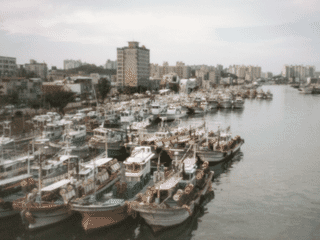
- Jukdo Market is a hub for fresh fish and marine products.
- Gwamegi, snow crab, and kaljebi anchor the local food trail.
See also
.jpeg)
Ulsan
South Korea35.55°N 129.32°E

Daegu
South Korea35.87°N 128.60°E

Miryang
South Korea35.49°N 128.75°E
Gyeongju
South Korea35.85°N 129.22°E
Overview
An industrial east-coast city, Pohang pairs POSCO's steel presence with POSTECH's academic atmosphere. Jukdo Market, beaches, and the Homigot shoreline add fresh seafood and distinctive seaside stops.
Languages: Korean
Why go
Pohang is a major industrial city on South Korea's east coast in North Gyeongsang, home to POSCO—one of the world's largest steel companies—and POSTECH, a highly ranked engineering university. The city is well-known for Jukdo Market, one of the most popular fresh fish markets in Korea. Beyond its industrial reputation, Pohang offers coastal attractions including beaches, the famous Hands of Harmony sculpture at Homigot (Korea's easternmost point where sunrise appears first), and cultural sites ranging from 300-year-old folk villages to modern steel art museums.
Adapted from Wikivoyage contributors · CC BY-SA 4.0
Understand
Pohang sits about 110 km (70 mi) north of Busan and 360 km (230 mi) southeast of Seoul. The city is dominated by POSCO, whose red-and-white-striped smokestacks and multicolored lights at night create a distinctive skyline. POSTECH university contributes to the city's academic atmosphere. The climate chart shows July-August as the warmest period with temperatures reaching 29.5°C, while January is coldest at -1.5°C average.
Adapted from Wikivoyage contributors · CC BY-SA 4.0
Get in
Pohang is accessible via intercity bus terminals connecting to major Korean cities. Bus #200 departs from the Intercity Bus Terminal heading to Guryongpo and Homigot. Train station access is available for KTX and regional rail connections. For specific arrival details, the article references the Intercity Bus Terminal (시외버스터미널) as the primary ground transportation hub.
Adapted from Wikivoyage contributors · CC BY-SA 4.0
Getting around
Local buses serve most attractions including routes to beaches, Guryongpo, and Homigot. Bus #200 connects the Intercity Bus Terminal to Guryongpo and Homigot. Bukbu Beach is accessible via buses #101, #105, #200, #600, and #700. Yeongildae Beach uses bus routes to Duho-dong. Taxis are available from Pohang Train Station for destinations like botanical gardens in Buk-gu (30-40 minutes).
Adapted from Wikivoyage contributors · CC BY-SA 4.0
When to go
The best time to visit Pohang is during summer months (June-August) when beach season is in full swing and temperatures reach 25-29°C. Homigot is particularly popular on New Year's Eve with fireworks and festivities running until dawn (shortly after 07:30), and in summer when sunrise occurs shortly after 05:00 in late June. The Chilpo Jazz Festival is held annually at Chilpo Beach. Winter months can be cold with January averages around -1.5°C.
Adapted from Wikivoyage contributors · CC BY-SA 4.0
Where to stay
Hotels within a ten-minute walk of central Pohang start at approximately ₩40,000 per night, though checkout times can feel early after early sunrise viewing. Pension accommodation on the far side of town past the broadcast stations along the shore starts at about ₩70,000 per night during summer. Specific hotels include Hotel View (₩70,000-90,000 per night) on Haean-ro and Win Hotel (₩55,000-70,000 per night) in Duho-dong, both near Yeongildae Beach. Budget travelers can try jjimjilbang (spa) options like Idongoncheon Sports Rex for ₩7,000.
Adapted from Wikivoyage contributors · CC BY-SA 4.0
Food and drink
Pohang's culinary highlight is Jukdo Market, the largest traditional market in the city, selling marine products, dried fish, vegetables, fruits, and clothing from 08:00-22:00. Recommended foods include Gwamegi (dried half-dried pollack), snow crab, and kaljebi (fried twisted dough). For dining, Hwan-yeo Sashimi restaurant near Yeongildae serves cold raw fish soup and spicy fish stew (Daily 10:00-20:30). Yurim Restaurant in Guryongpo-eup specializes in Mori noodles—seafood kalguksu with fish, seafood, and bean sprouts (Daily 11:30-18:00, closed 15:00-16:00). Korean beer (Hite 500cc) costs around ₩3,000 at bars, while soju cocktails average ₩4,000-7,000.
Adapted from Wikivoyage contributors · CC BY-SA 4.0
Things to do
The Hands of Harmony (or Hands of Living Mutually) at Homigot Sunrise Square is a must-see—a massive bronze sculpture of hands stretching from water and land, Korea's easternmost point. POSCO turns on multicolored lights at night creating a fluorescent show against red-and-white smokestacks. Beach options include Yeongildae (largest east coast beach famous for sunrise), Bukbu Beach (popular summer hangout with International Fireworks Festival), Guryongpo Beach (clear blue water for snorkelers), Chilpo Beach (10km north with clean water and ₩10,000 inner tube rental), and Wolpo Beach (often less crowded, 4km north of Chilpo). Cultural sites include the 15th-16th century Yangdong Folk Village (₩1,500 entry), Oksan Seowon (Confucian academy from 1572, part of UNESCO Seowon World Heritage), and the Guryongpo Gwamegi Culture Museum.
Adapted from Wikivoyage contributors · CC BY-SA 4.0
Safety
Pohang is generally a safe industrial city. Homigot's hand sculpture cove can become crowded with tourists at sunrise, and some visitors venture waist-deep into water holding phones for photos—use caution on wet rocks. Beach water near POSCO (Songdo Beach, Bukbu Beach) may have brown discoloration due to industrial proximity. Mosquito spray is recommended for summer overnight stays at Homigot Sunrise Square. Western-style toilets are available at lighthouse museum restrooms; traditional squat toilets exist near the Hands sculpture.
Adapted from Wikivoyage contributors · CC BY-SA 4.0
Connectivity
South Korea offers excellent mobile connectivity with major carriers (SKT, KT, LG Uplus) providing 4G/5G coverage. WiFi is widely available in cafes, restaurants, and hotels. Power plugs use Type C/F (220V, 60Hz, European-style two-pin round plugs)—visitors from countries with different voltages should bring appropriate adapters.
Adapted from Wikivoyage contributors · CC BY-SA 4.0
Budget
Budget travelers can manage in Pohang with dorm-style jjimjilbang spa accommodation (₩7,000), street food and market meals (₩5,000-15,000), local bus transport (under ₩2,000 per ride), and free or low-cost attractions like beaches, Homigot sculpture, and some museums. Mid-range accommodation runs ₩40,000-70,000 per night. Drinking at local bars costs ₩3,000-7,000 for beer or soju cocktails.
Adapted from Wikivoyage contributors · CC BY-SA 4.0
Day trips
Gyeongju (approximately 45 minutes by bus) is a major UNESCO World Heritage destination famous for ancient Silla dynasty tombs, Bulguksa Temple, and the Gyeongju Folk Village. Yangdong Folk Village (₩1,500) and Oksan Seowon (UNESCO-listed Confucian academy from 1572) are both accessible as half-day trips, roughly halfway between Pohang and Gyeongju. The tomb of King Heungdok (Silla dynasty) is 4 km north of Angangri, between Oksan Seowon and Yangdong.
Adapted from Wikivoyage contributors · CC BY-SA 4.0
Go next
From Pohang, travelers commonly continue south to Busan (110 km, approximately 2 hours by bus or train) or north to Gyeongju for its UNESCO World Heritage sites including Bulguksa Temple and ancient royal tombs. Uljin and Yeongdeok are accessible by intercity bus (50 minutes north) for those continuing along the east coast. Seoul is 360 km southeast and reachable via KTX high-speed rail or intercity buses.
Adapted from Wikivoyage contributors · CC BY-SA 4.0
Field guide adapted from Wikivoyage contributors · CC BY-SA 4.0. Text has been adapted and organized for this guide. About our sources.
Places to know
A few starting points from the guide. Check current hours and prices before you go.
- eat
Hwan-yeo Sashimi restaurant
Cold raw fish soup and spicy fish stew are delicious. It is near Yeongildae. Parking is available in front of the restaurant (paid) or in front of the Heian Cafe (free)/Yeongildae 2 parking lot (paid). You can order as to go.
Adapted from Wikivoyage contributors
- eat
Jukdo Market
It is the largest traditional market in Pohang. It sells a variety of items such as marine products, dried fish, vegetables, fruits, clothing, and furniture. It is composed of various alleys such as a fish market area, agricultural product street, food alley, and rice cake restaurant alley. Parking is available in the nearby public parking lot. It is ₩5,000 for 20 minutes, and ₩200 will be added for every 10 minutes. The maximum parking fee per day is ₩7,000. Guamegi, snow crab, and kaljebi are recommended foods.
Adapted from Wikivoyage contributors
- eat
Yurim Restaurant
It is famous for Mori noodles. It consists of two types: standing and sitting, and you cannot order one serving. Break time from 15:00-16:00. Mori-noodles: It is a local food of Guryongpo-eup in Pohang. It originated from spicy noodles eaten by fishermen in Guryongpo-eup. It is seafood kalguksu boiled with fish, seafood, and bean sprouts. Generally, fish put anglerfish.
Adapted from Wikivoyage contributors
- see
Bogyeongsa Temple
Bogyeongsa Temple in Pohang is an old temple located in Naeyeonsan Mountain. It is beautiful because there is a valley around.
Adapted from Wikivoyage contributors
- see
Botanical Garden Of Gyeongsangbukdo
There are 22 arboretums, which are largely divided into professional arboretum, theme garden, changpo garden, spire garden, and broadleaf garden. The theme garden is a place where flowers are planted in groups separated from each season so that flowers can be seen in four seasons. In Changpo Garden, Coniferous Garden, and Broad Leaf Garden, there are plants that fit each name.
Recorded price: Free
Adapted from Wikivoyage contributors
- see
Deokdong Culture Village
A 300-year-old village where you can experience old games and enjoy the scenery of old Korean villages. Deokdong Folklore Exhibition Hall, which displays relics used in the past, is located inside. Between the village's reservoir and the valley, there is a pine forest designated and managed as a "beautiful village forest.". Experiences such as Seodang Education, Tea Ceremony, Hanok Accommodation, and Making Traditional Food are reserved for more than 20 people.
Adapted from Wikivoyage contributors
- see
Duksil Village
Duksil Village is a historic village in Heunghae-eup, Pohang, known as the childhood home of former President Lee Myung-bak. The village has preserved old Korean rural architecture, wide yards, and signage/exhibits explaining his early life. It offers a peaceful, nostalgic stroll through village life and insight into modern Korean history.
Recorded price: Free
Adapted from Wikivoyage contributors
- see
Guryongpo Gwamegi Culture Museum
At the Gurongpo Gwamegi Cultural Museum, you can learn about Gwamegi, a specialty of Pohang, such as the process of making Gwamegi and the Gwamegi industry. In addition to writing, you can actively feel Guryongpo Gwamegi as an exhibition and experience type.
Adapted from Wikivoyage contributors
Before you go
Accommodation
Hotels near downtown start around ₩40,000/night. Summer pensions near beaches run ₩70,000+/night. Budget options include jjimjilbang spas from ₩7,000.
Connectivity
South Korea has excellent 4G/5G coverage. WiFi widely available in urban areas. Power uses Type C/F plugs (220V, 60Hz).
Food
Jukdo Market (08:00-22:00) is the largest traditional market for fresh seafood, dried fish, Gwamegi, and snow crab. Guryongpo is famous for Mori noodles—seafood kalguksu with anglerfish.
Transport
Pohang has intercity bus connections to Busan, Gyeongju, Seoul, and east coast cities. Local buses #200, #101, #105, and others connect downtown to beaches and Homigot. KTX and regional trains serve Pohang Station.
Weather
Summers (June-August) are warm (25-29°C) and ideal for beaches. Winters are cold (January avg -1.5°C). Best beach season runs June-August with Yeongildae Beach sunrise being a major attraction.