.jpeg)
Ulsan
East Asia · South Korea
Did you know?
- At Ganjeolgot, a lighthouse and hope mailbox frame one of East Asia's earliest sunrises.
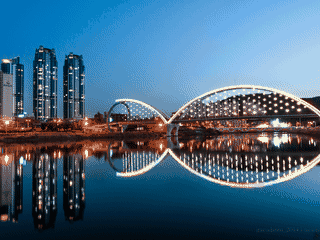
- The skyline belongs to the world's largest shipyard and Hyundai Heavy Industries complex.
- Mt Gaji is both the city's tallest mountain and one of Korea's 100 Most Beautiful Mountains.
See also
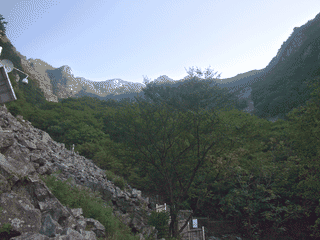

Miryang
South Korea35.49°N 128.75°E
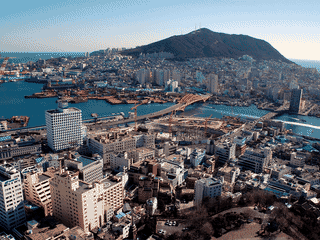

Busan
South Korea35.13°N 129.05°E · 30 m
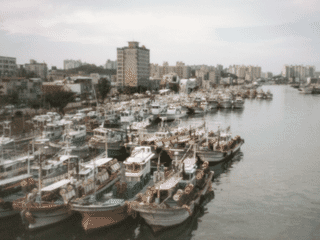

Pohang
South Korea36.03°N 129.37°E
Gyeongju
South Korea35.85°N 129.22°E
Overview
Ulsan pairs a major industrial waterfront with access to the Yeongnam Alps and dramatic sunrise coast. Beaches, Mt Gaji trails, and the city's whaling heritage give the industrial city a broader travel story.
Languages: Korean
Why Go
Ulsan is South Korea's industrial powerhouse, home to the world's largest shipyard and Hyundai Heavy Industries complex. While the industrial zones dominate the skyline, the city is also the gateway to the Yeongnam Alps and has twelve designated Scenic Areas spanning natural icons to architectural landmarks. The city offers a raw, authentic experience far removed from tourist-oriented destinations, with ancient petroglyphs at Bangudae (UNESCO-listed in 2025), traditional onggi pottery workshops, and the country's easternmost sunrise point at Ganjeolgot Cape.
Adapted from Wikivoyage contributors · CC BY-SA 4.0
Understand
Ulsan is a seaside metropolitan city in southeast Korea with a population of 1.2 million. The city is known for its whaling heritage and as the industrial heart of the country, hosting Hyundai Motor, Hyundai Heavy Industries, and SK Innovation. The city lives in a Catch-22 situation: industrial sites are breathtaking in scope but blight the landscape, yet the investment from these industries undeniably makes the city more prosperous. Ulsan was a World Cup 2002 host city. The climate features cold winters (averaging -1.8°C in January) and hot, humid summers (averaging 30°C in August) with significant rainfall from June to September.
Adapted from Wikivoyage contributors · CC BY-SA 4.0
Get Around
Ulsan has an extensive public bus network with plans for a Light Rapid Transit system in the future. The transportation discount card provides ₩50 off regular fares and ₩200 off Chwaseok "seated" buses, plus free transfers within one hour. Cards cost no more than ₩5,000 and can be bought and refilled at vendor shacks next to major bus stops. Place the card over the X and O box upon exiting the first bus to activate free transfers. The card works on other city transport networks across South Korea.
Adapted from Wikivoyage contributors · CC BY-SA 4.0
When To Go
Summer (June-August) brings beach season and the highest temperatures (up to 30°C), ideal for visiting Jinha Beach and Ilsan Beach. Winter offers dramatic coastal scenery at Gangdong Pebble Beach with crashing waves. Ganjeolgot Cape draws thousands on New Year's Day for the first sunrise in Korea. Spring (April-May) provides mild weather for hiking Mt Gaji and Mt Sinbul, both among Korea's 100 Most Beautiful Mountains. The Ulsan Onggi Festival showcases traditional pottery making.
Adapted from Wikivoyage contributors · CC BY-SA 4.0
Where To Stay
Accommodation in Ulsan centers around the Samsan area and Nam-gu district, with the Lotte Hotel offering the most luxurious option in the main downtown area near bars and shopping. The Ulsan Hotel near Ulsan Grand Park provides business-oriented lodging. Express and intercity bus terminals are within walking distance of central hotels. Budget travelers should look for love motels common in Korean cities, offering good value in the Nam-gu area.
Adapted from Wikivoyage contributors · CC BY-SA 4.0
Things To Do
Mt Gaji (가지산) is the tallest mountain in Ulsan and one of Korea's 100 Most Beautiful Mountains, with well-marked trails accessible from Seongnamsa Temple. Ganjeolgot Cape at the easternmost point of the Korean peninsula is one of the earliest sunrise spots in East Asia, featuring a lighthouse and hope mailbox. Bangudae Terrace petroglyphs (UNESCO 2025) display prehistoric carvings of sea animals, land animals, and hunting scenes dating to the New Stone Age. Jinha Beach offers 1 km of sandy shoreline with free camping in pine woods and shallow, warm waters perfect for swimming.
Adapted from Wikivoyage contributors · CC BY-SA 4.0
Food And Drink
Ulsan's Samsan area features diverse dining options including Ulsan Samsan Wheat Noodles (₩8,500), serving the regional specialty milmyeon (cool wheat noodles) found only in South Gyeongsang. The Ulsan Wholesale Fish Market near Lotte Hotel offers fresh seafood including hoe (raw fish), sannakji (live octopus), and whale meat, with beer or soju around ₩4,000. Hamyangjip (est. 1924) serves traditional bibimbap and bulgogi for ₩10,000-25,000. For late-night dining, Mimong on Wangsaeng-ro offers Japanese-style pub fare, while Manjok near Ulsan University provides casual jokbal and bossam until 2 AM.
Adapted from Wikivoyage contributors · CC BY-SA 4.0
Stay Safe
Ulsan, like any city in South Korea, is considered very safe for travelers. Standard urban precautions apply regarding personal belongings in crowded areas. The industrial areas are safe to visit during daylight hours but offer limited tourist infrastructure.
Adapted from Wikivoyage contributors · CC BY-SA 4.0
Connectivity
Korea has excellent mobile connectivity with major carriers offering LTE/5G service. Free WiFi is available at most hotels, cafes, and bus terminals. Korean phrase translation apps are recommended given limited English proficiency, especially among older residents.
Adapted from Wikivoyage contributors · CC BY-SA 4.0
Day Trips
Busan is one hour away by bus from Samsandong, South Korea's second city with beaches, markets, and seafood. Gyeongju (ancient capital of the Silla Dynasty) is a short bus or train ride north, home to Bulguksa Temple and Seokguram Grotto. Daegu offers large city attractions, while Pohang provides industrial character with a marvelous walkable beach downtown.
Adapted from Wikivoyage contributors · CC BY-SA 4.0
Go Next
By bus, Busan is one hour from Samsandong. Gyeongju is accessible by bus or train to the north. KTX high-speed rail connects Ulsan to major cities via the Gyeongbu Line, with Dong-daegu to the northwest and Busan to the south. Pohang offers a different coastal experience for those seeking fewer tourists.
Adapted from Wikivoyage contributors · CC BY-SA 4.0
Field guide adapted from Wikivoyage contributors · CC BY-SA 4.0. Text has been adapted and organized for this guide. About our sources.
Places to know
A few starting points from the guide. Check current hours and prices before you go.
- sleep
Hyundai Hotel
Another 5-star accommodation. It is in Dong-Gu, and unless you are visiting the Dong-Gu area, is very inconveniently located.
Adapted from Wikivoyage contributors
- sleep
Lotte Hotel
The most luxurious place to stay. It is in the center of the main downtown area, just steps away from various bars and shopping. The intercity and express bus terminals are within a few minutes walking distance. One drawback is the lack of food and drink options (two restaurants and no bars in the hotel), however the hotel's location does alleviate this being in the main downtown area with a decent selection of restaurants and bars within 5 minutes walking distance of the hotel.
Adapted from Wikivoyage contributors
- sleep
Ulsan Hotel
A business-oriented hotel at Gongeoptap Rotary, very close to the Ulsan Grand Park.
Adapted from Wikivoyage contributors
- eat
Eonyang Giwa Bulgogi
Classic Eonyang-style bulgogi grilled over charcoal with thin-sliced beef.
Adapted from Wikivoyage contributors
- eat
Gyeongbokgung
A popular spot for premium hanjeongsik and charcoal-grilled beef, suitable for family or business meals.
Recorded price: ₩20,000–60,000 (Korean set menus, galbi)
Adapted from Wikivoyage contributors
- eat
Hamyangjip
Historic Korean restaurant (est. 1924) famous for traditional bibimbap and classic side dishes.
Recorded price: ₩10,000–25,000 (traditional bibimbap, bulgogi)
Adapted from Wikivoyage contributors
- eat
Manjok
Casual, value-friendly jokbal/bossam specialist popular in the college district.
Adapted from Wikivoyage contributors
- eat
Mimong
Late-night Japanese-style pub with small plates and drinks; a local favorite.
Recorded price: ₩15,000–35,000
Adapted from Wikivoyage contributors
Before you go
Language
Korean is the primary language. English is not common, especially among older generations. Many younger Koreans are shy about speaking English and may nod without understanding.
Money
South Korean Won (KRW) is the local currency. Credit cards are widely accepted in hotels and restaurants. Fish market vendors generally do not speak English.
Safety
Ulsan is very safe like other South Korean cities. Standard urban precautions apply.
Transport
Ulsan's bus network is extensive. Buy a transportation discount card at major bus stops (under ₩5,000) for ₩50 off fares and free transfers within one hour.
Weather
Winters are cold (down to -1.8°C in January) with significant snowfall. Summers are hot and humid (up to 30°C in August) with heavy rainfall June-September.