Gyeongju
East Asia · South Korea
Did you know?
- The Silla Kingdom made this its capital for nearly the entire first millennium CE.
- Cheomseongdae is presented as the oldest observatory in East Asia.
- Preserved hanok buildings line Hwangnidan-gil, where cafes and restaurants cluster.
See also
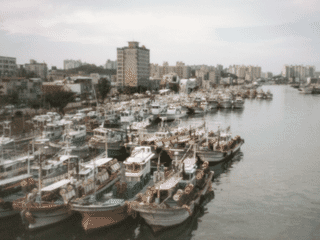

Pohang
South Korea36.03°N 129.37°E
.jpeg)
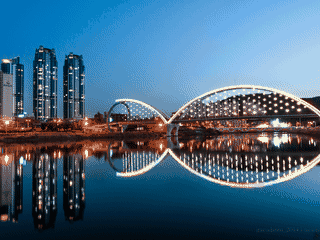
Ulsan
South Korea35.55°N 129.32°E
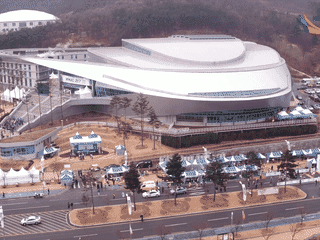

Daegu
South Korea35.87°N 128.60°E
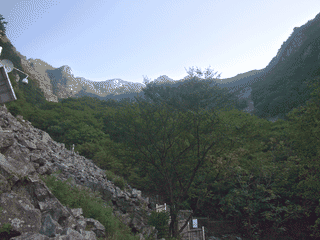

Miryang
South Korea35.49°N 128.75°E
Overview
Gyeongju centers Korea's Silla-era heritage, with burial mounds, temples, an ancient observatory, and museum treasures. Preserved hanok streets and local red-bean pastries make the historic landscape easy to linger in.
Languages: Korean
Understand
Gyeongju was the capital of the Silla Kingdom for nearly the entire first millennium CE. It is possibly the foremost location in Korea for ancient buildings, burial grounds and artefacts. Most visitors are domestic or from East Asia; westerners haven't discovered it yet.
Adapted from Wikivoyage contributors · CC BY-SA 4.0
Climate
Summer is hot (around 30°C) with heavy rainfall. Late fall is the best time with lower temperatures and clear skies. Winter averages -3 to 8°C.
Adapted from Wikivoyage contributors · CC BY-SA 4.0
Get around
There are tourist kiosks near the express bus terminal and Gyeongju Station to get maps and guides. Walking or biking is feasible as signs at intersections point direction and distance to attractions.
Adapted from Wikivoyage contributors · CC BY-SA 4.0
See and Do
Gyeongju is home to UNESCO World Heritage sites like Seokguram Grotto and Bulguksa Temple. Tumuli parks such as Daereungwon contain burial mounds including the Cheonmachong with its golden crown. Cheomseongdae is the oldest observatory in East Asia. The National Museum holds Silla treasures. Other attractions include Donggung Palace and Wolji Pond, and Namsan mountain with Buddha reliefs. Activities include hiking, visiting the Bomun Lake resort area, and festivals like the World Culture Expo.
Adapted from Wikivoyage contributors · CC BY-SA 4.0
Eat
Gyeongju is known for Hwangnam ppang (sweet red bean pastry) and Gyeongju ppang (bean paste between barley pancakes). For seafood, head to Gampo village. Trendy cafes and restaurants are concentrated in Hwangnidan-gil, a street of preserved Hanok buildings.
Adapted from Wikivoyage contributors · CC BY-SA 4.0
Connect
Foreign 3G/4G phones should work. Internet cafes (PC방) are available. There are Wi-Fi hotspots downtown. Call 1330 for tourist info in multiple languages.
Adapted from Wikivoyage contributors · CC BY-SA 4.0
Go next
Buses and trains leave regularly to other cities. Destinations include Busan, Daegu, Pohang, and Ulsan. The intercity and express bus terminals are close together southwest of the city.
Adapted from Wikivoyage contributors · CC BY-SA 4.0
Day trips
Nearby day trips include Gampo fishing village for seafood, the Yangdong Folk Village near Pohang, and the Yeongnam Alps via Ulsan.
Adapted from Wikivoyage contributors · CC BY-SA 4.0
Field guide adapted from Wikivoyage contributors · CC BY-SA 4.0. Text has been adapted and organized for this guide. About our sources.
Places to know
A few starting points from the guide. Check current hours and prices before you go.
- eat
Dosol Maeul
You can experience a Korean traditional meal of Gyeongbuk area here. Located next to the Sarangchae accommodation. The building is a one-hundred-year-old traditional Korean house.
Recorded price: ₩13,000 per head base, plus extra main dishes at ₩10,000 each
Adapted from Wikivoyage contributors
- eat
Gyeongju Cheonnyeon Hanu Bomun
A BBQ restaurant, also specializing in hanu beef. You get to choose your meat at the butcher shop, and as usually with Korean barbecue, it's barbecued on your table. The price includes all-you-can-eat side dishes.
Recorded price: ₩25,000 and up
Adapted from Wikivoyage contributors
- eat
Hwangnam Dagwa-jeom
A trendy dessert cafe in a renovated Hanok. Famous for its financiers and traditional tea, offering a perfect blend of old Gyeongju atmosphere and modern dessert culture.
Recorded price: ₩5,000-10,000
Adapted from Wikivoyage contributors
- eat
Hwangnam Gyeongju Ten-Won Bread
The original shop for the famous '10-won bread'. The bread is shaped like a 10-won coin and filled with melting mozzarella cheese. It has become a viral street food icon of Gyeongju.
Recorded price: ₩3,500
Adapted from Wikivoyage contributors
- eat
Hwangnam Ppang
The bakery where the namesake bread, or rather pastry, was invented in 1939. They are sold in packages of 20 or 30.
Recorded price: ₩16,000-24,000
Adapted from Wikivoyage contributors
- eat
Hyanghwa-jeong
Specializes in Gyeongju-style cockle bibimbap (Kkomak-bibimbap) and Yukhoe-mulhoe (raw beef spicy cold soup). It is highly popular for its generous portions and traditional taste served in a modern Hanok setting.
Recorded price: ₩13,000-28,000
Adapted from Wikivoyage contributors
- eat
Julie's
Eclectic menu (Indian, Italian, Korean) and most dishes can be made vegetarian or vegan
Adapted from Wikivoyage contributors
- eat
Kisoya
A range of Japanese dishes, including bento boxes, sashimi and noodle soups, with a Korean twist.
Recorded price: ₩10,000-30,000
Adapted from Wikivoyage contributors
Before you go
Crowds
Most visitors are domestic or from East Asia; relatively few western tourists.
Info
Call 1330 for tourist information in multiple languages.
Shopping
Best souvenirs are reproductions of Silla craftworks like ceramics and metalwork.
Transport
Buses are more frequent and cheaper than trains for nearby destinations.
Weather
Late fall is the best time to visit with cool temperatures and clear skies.