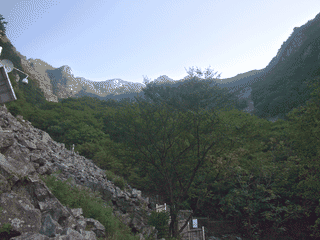

Miryang
East Asia · South Korea
Did you know?
- Yeongnamnu is described as one of Korea's three greatest pavilions.
- The local Arirang tradition was inscribed as UNESCO Intangible Cultural Heritage in 2012.
- At Eoreumgol, ice can remain visible at the top even though the valley is reached by city bus.
See also
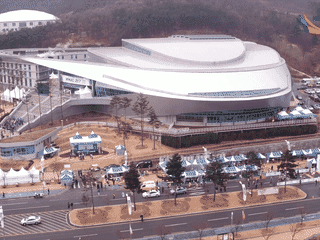

Daegu
South Korea35.87°N 128.60°E
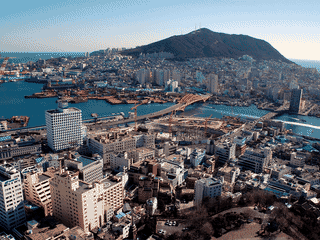

Busan
South Korea35.13°N 129.05°E · 30 m
.jpeg)
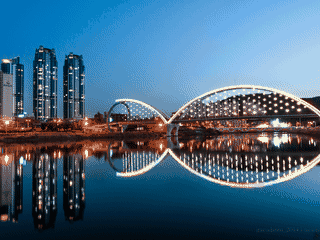
Ulsan
South Korea35.55°N 129.32°E
Overview
Miryang sits between Busan and Daegu on the Gyeongbu Line, with river views, mountain trails, and a strong Arirang tradition. The compact old city pairs Yeongnamnu Pavilion with regional soups and rice dishes.
Languages: Korean
Why go?
Miryang sits equidistant between Busan and Daegu along the Gyeongbu Line, making it an easy add-on for travelers heading through southeastern Korea. The city is renowned for the Miryang Arirang, a local variant of Korea's iconic folk song inscribed as UNESCO Intangible Cultural Heritage in 2012. Yeongnamnu Pavilion, one of Korea's three greatest pavilions, offers commanding views over the Miryang River, while the surrounding mountains including Gajisan and Hwaaksan draw hikers year-round. The city gained international fame as the setting for "Secret Sunshine," which won Cannes 2007 Best Actress — fittingly, 'Miryang' itself means 'secret sunshine.'
Adapted from Wikivoyage contributors · CC BY-SA 4.0
Getting there
Miryang Station on the Gyeongbu Line is served by KTX, ITX-Saemaeul, and Mugunghwa trains from Seoul, Busan, and Daegu. The Miryang Intercity Bus Terminal in Naei-dong handles buses to Busan, Masan, Changwon, Ulsan, and Gimhae. Note that Seoul express bus routes have been discontinued. Neither station is within walking distance of the city center — a taxi or local bus is required.
Adapted from Wikivoyage contributors · CC BY-SA 4.0
Getting around
Neither the train station nor the bus terminal is within walking distance of the city center. Taxis and local buses connect both stations to downtown Miryang. The city is compact enough to walk around the old city area near Yeongnamnu Pavilion once you arrive.
Adapted from Wikivoyage contributors · CC BY-SA 4.0
When to go
Miryang experiences distinct seasons with hot, humid summers (June-August bringing 65% of annual rainfall) and cold, dry winters. The city is a popular summer escape for Busan residents seeking relief from coastal heat. Spring (April-May) brings fringe tree blossoms at Wiyangji Pond and the Miryang Arirang Festival in May. Autumn (October-November) features the Chodong Yeongagil Festival, Jujube and Eoreumgol Apple Festival, and Sunshine Agricultural Products Festival.
Adapted from Wikivoyage contributors · CC BY-SA 4.0
Where to stay
Hotels near Miryang Station offer convenient access for train travelers, with options like Miryang Tourist Hotel (5-minute walk from station) and The van Hotel (walk-in rooms with private parking available). For mountain and valley access, Ever Miracle Hotel near Eoreumgol provides easy access to the cable car and hiking trails. Budget travelers can find modest city-center options like G-D21 Hotel near the old city and Yeongnamnu.
Adapted from Wikivoyage contributors · CC BY-SA 4.0
Food and drink
Miryang's culinary identity centers on Gyeongsang-do regional specialties. Gamasot Chueotang serves three-generation chueotang (pond loach soup) simmered over firewood. Dangoljip is known for pork gukbap (rice soup) and boiled pork dishes, crowded at lunch. Miryang Dol Jjamppong serves jjamppong (spicy seafood noodle soup) on hot stone plates where diners add rice to remaining broth for a second course. Local restaurant Miryang Halmae Megi-tang draws crowds for catfish stew with sujebi (hand-torn noodles) — arrive early as it closes once ingredients sell out. For upscale hanok dining, Yeongnamjeong offers refined seasonal Korean cuisine in traditional architecture.
Adapted from Wikivoyage contributors · CC BY-SA 4.0
Things to do
The Miryang Ice Valley Cable Car (Yeongnam Alps Eoreumgol Cable Car) runs 1.8 km to an upper station at 1,020m altitude, offering access to the Yeongnam Alps and Sky Road to Cheonhwangsan Sky Garden. The Eoreumgol (Ice Valley) itself is unusually cold year-round with ice visible at the top, accessed by city bus from the bus terminal (50 minutes, departing every 40 minutes). Pyochungsa Temple honors the patriotic monk Samyeongdaesa who fought in the Imjin War. Hyesan Seowon offers traditional hanbok experience programs with tea ceremonies and Korean music performances. The Twin Tunnel is a light-themed park inside a Joseon-era abandoned railway tunnel with nearly 100 million lights and 10 themed sections.
Adapted from Wikivoyage contributors · CC BY-SA 4.0
Connectivity
South Korea has excellent mobile coverage with all major carriers (KT, SKT, LG U+) offering SIM cards and eSIM options. Hotels and cafes throughout Miryang offer free Wi-Fi. The city has typical Korean electrical outlets (Type C/F, 220V).
Adapted from Wikivoyage contributors · CC BY-SA 4.0
Day trips
From Miryang's central location, Changwon (31 km, provincial capital with Jinhae Cherry Blossom Festival) and Cheongdo County (bullfighting festival, persimmons, quiet rural atmosphere) are accessible within an hour. Gimhae (rich Gaya Kingdom history, home to Gimhae International Airport) and Yangsan (Tongdosa Temple, modern city with historical sites) are also within easy reach.
Adapted from Wikivoyage contributors · CC BY-SA 4.0
Go next
Miryang sits on the Gyeongbu Line between Daegu to the north and Busan to the south. Northbound KTX reaches Daegu in under an hour; southbound reaches Busan in 30-40 minutes. Changwon (31 km) is the provincial capital with excellent museums and the famous Jinhae cherry blossom festival. Ulsan offers industrial attractions and proximity to nature parks.
Adapted from Wikivoyage contributors · CC BY-SA 4.0
Field guide adapted from Wikivoyage contributors · CC BY-SA 4.0. Text has been adapted and organized for this guide. About our sources.
Places to know
A few starting points from the guide. Check current hours and prices before you go.
- eat
Dangoljip
Dangoljip is a long-standing restaurant well known for its pork gukbap (rice soup) and assorted boiled pork dishes. The gukbap is served with pork slices and sometimes innards, often accompanied by local side dishes. The space is modest and can be crowded at lunchtime.
Adapted from Wikivoyage contributors
- eat
Gamasot Chueotang
It is a Gyeongsang-do style chueotang restaurant that has been simmering in a traditional cauldron over firewood for three generations. The dish features boiled pond loach with bones removed, combined with napa cabbage, bean sprouts, and green onions, resulting in a clear, clean, and refreshing broth.
Adapted from Wikivoyage contributors
- eat
Gullimdang
Gullimdang is a casual restaurant specializing in handmade dumplings, offering traditional flavors. The menu features various types of dumplings, including shrimp dumplings, prepared with care to maintain authentic taste. The atmosphere is simple and practical, suitable for visitors seeking straightforward Korean home-style dining.
Adapted from Wikivoyage contributors
- eat
Gyeongmin Hanwoo Butcher Restaurant
Gyeongmin Hanwoo Butcher Restaurant is a Korean beef place that combines a butcher shop and a dining area. Guests choose cuts such as sirloin or chuck flap tail and have them grilled at the table, with simple side dishes and rice. The restaurant focuses on Hanwoo beef sold by weight, so it may be useful for visitors to check prices and portions in advance.
Adapted from Wikivoyage contributors
- eat
Hyangchon Galbi
Hyangchon Galbi is a long-running Korean barbecue restaurant specializing in marinated pork ribs and other grilled meat dishes. The restaurant uses charcoal grills at the table and serves meat with a set of side dishes and rice in a traditional style. The building is an old Korean house that has been adapted for dining, giving the interior a somewhat classic atmosphere without being formal. It can be busy at mealtimes and is suitable for families or small groups who want to try local-style barbecue.
Adapted from Wikivoyage contributors
- eat
Miryang Dol Jjamppong
Chinese restaurant specializing in jjamppong (spicy seafood noodle soup) served on a hot stone plate. The noodles and broth arrive sizzling, giving the dish a distinctive flavor and texture. Diners can also order dishes like dol-jjajang (black bean noodles), pork cutlet soup, and fried shrimp. The interior is spacious. After finishing the noodles, patrons can add rice to the remaining broth to enjoy a second course.
Adapted from Wikivoyage contributors
- eat
Miryang Halmae Megi-tang
This is a local restaurant recommended by residents. The spicy and hearty catfish stew with sujebi (hand-torn noodles) is incredibly delicious. Since the restaurant closes once ingredients for the day are sold out, it's a good idea to arrive early for dinner. The interior features three large rooms, and there's an annex in addition to the main building.
Adapted from Wikivoyage contributors
- eat
Sansujeong
It is a popular pub known for its cozy atmosphere where visitors can enjoy a variety of drinks and delicious side dishes. It is an ideal place for gatherings with friends or family, offering ample space and friendly service.
Adapted from Wikivoyage contributors
Before you go
Culture
Miryang is the birthplace of Korea's first wool textile industry and famous for the UNESCO-listed Miryang Arirang folk song tradition.
Food
Regional Gyeongsang cuisine — try chueotang (loach soup), pork gukbap, andJjamppong at local restaurants. Sukdae market area has street food options.
Money
South Korea uses KRW. Cash-friendly local markets and restaurants; credit cards accepted at hotels and larger establishments.
Transport
Miryang Station and Bus Terminal are both outside the city center — budget 10-15 minutes by taxi or local bus to reach downtown attractions.
Visa
Most nationalities receive 90-day visa-free entry for tourism. Check current requirements before arrival.
Weather
Hot humid summers with concentrated rainfall June-August; cold dry winters. Spring and autumn offer the most comfortable hiking weather.