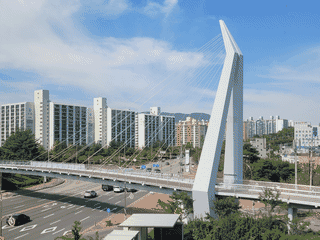

Suncheon
East Asia · South Korea
Did you know?
- At Utjang market, signature pork stew costs ₩6,000 per bowl.
- The city is a gateway to two UNESCO-listed Buddhist temples and internationally recognized wetlands.
- Naganeupseong Castle was built in 1397 during the Joseon dynasty.
See also
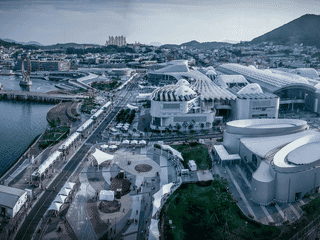

Yeosu
South Korea34.76°N 127.66°E
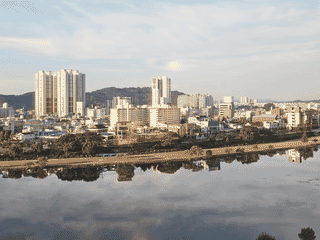

Jinju
South Korea35.20°N 128.00°E · 66 m
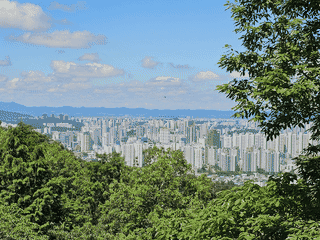

Gwangju
South Korea35.17°N 126.92°E
Overview
This mid-sized South Jeolla city combines internationally recognized wetlands with gateways to two UNESCO-listed Buddhist temples. Its old town has historic market streets, while a newer district provides modern conveniences.
Languages: Korean
Why Go?
Suncheon is a mid-sized city of 280,000 people in South Jeolla province, positioned between Gwangju (1 hour north) and Yeosu (40 minutes south). It serves as a gateway to two UNESCO-listed Buddhist temples—Seonamsa and Songgwangsa—plus the internationally recognized Suncheon Bay wetlands. The city splits into an old town (구도심) with historic market streets and a newer district (신도심) with modern conveniences.
Adapted from Wikivoyage contributors · CC BY-SA 4.0
Climate
Suncheon has a humid subtropical climate with cold dry winters (average -2.8°C in February) and hot humid summers (average 28.4°C in July). Peak rainfall occurs in August (767.9 mm). The most comfortable seasons for sightseeing are spring (April–May) and autumn (September–October), when temperatures range 13–24°C and precipitation is moderate.
Adapted from Wikivoyage contributors · CC BY-SA 4.0
Get In
Suncheon is accessible by intercity bus from major Korean cities. The city has both a train station and a bus terminal as hubs for regional transport. Bus connections to Gwangju take approximately 1 hour. Yeosu is about 40 minutes to the south by bus.
Adapted from Wikivoyage contributors · CC BY-SA 4.0
Getting Around
City buses serve major attractions including Suncheon Bay (routes 66, 67), Naganeupseong Castle (routes 61, 63, 68), and Seonamsa Temple (route 1). Buses depart from Suncheon Station and the bus terminal every 30–60 minutes. The old town and Jungang-dong area are walkable.
Adapted from Wikivoyage contributors · CC BY-SA 4.0
Where to Stay
Budget travelers will find guesthouses near Suncheon Station. Motels are concentrated around the bus terminal and new town district. A newer high-end hotel operates in the new town area for those seeking more comfort. Advance booking is recommended during festival periods.
Adapted from Wikivoyage contributors · CC BY-SA 4.0
Food and Drink
Suncheon's markets showcase Jeolla province's culinary identity. At Utjang market (operates days ending in 5 or 0), pork stew (돼지국밥) is the signature dish at ₩6,000 per bowl. The nearby Duck dish street (오리골목) in Jogok-dong reflects South Jeolla's status as producer of 50% of Korea's duck meat. Mud hopper stew (짱둥어탕) offers a pungent local specialty for adventurous eaters. Regional Ipsaeju (잎새주) soju is available at most restaurants and bars, while reed tea (갈대차) made from Suncheon Bay reeds provides a non-alcoholic local option.
Adapted from Wikivoyage contributors · CC BY-SA 4.0
Historic Sites
Naganeupseong Castle (낙안읍성), a Joseon dynasty fortress built in 1397, is among Korea's best-preserved castles. Reached by citybus 61, 63, or 68 (hourly from Suncheon Station), it takes about an hour from downtown. Suncheon Waeseong Castle (순천왜성) dates to the second Japanese invasion of Korea in 1597. Maesan-road preserves historical buildings constructed by Christian missionaries in the early 20th century.
Adapted from Wikivoyage contributors · CC BY-SA 4.0
Shopping
Two traditional markets operate on rotating 5-day cycles: Utjang (웃장, days ending in 5 or 0) and Araetjang (아랫장, days ending in 2 or 7). Araetjang, a 10-minute walk from the bus terminal, is one of the largest traditional markets in the country, selling seafood, vegetables, fruits, and street food. Jungang-dong is Suncheon's fashion and street food hub (akin to Seoul's Myeongdong). Suncheon Ssinae-mall is an underground arcade in the old town with clothes and souvenirs.
Adapted from Wikivoyage contributors · CC BY-SA 4.0
Safety
Suncheon is a safe mid-sized Korean city with low violent crime rates. Standard urban precautions apply in crowded markets and nightlife areas. Emergency services are accessible throughout the city. The bay and wetland areas have marked paths; stay on designated trails near tidal flats.
Adapted from Wikivoyage contributors · CC BY-SA 4.0
Day Trips
Yeosu is 40 minutes south by bus, known for its maritime museum, cable cars, and scenic coastline. Gwangju, 1 hour north, offers major museums, shopping, and serves as a transport hub. Historic sites in Suncheon's suburbs are reachable within an hour by bus, including the two Joseon-era castles and the outlying temples.
Adapted from Wikivoyage contributors · CC BY-SA 4.0
Go Next
Yeosu lies about 40 minutes to the south with its Yi Sun-sin Plaza, Odongdo island, and cable cars. Gwangju is approximately 1 hour north, serving as a major cultural and transport hub for the region. The coastal route south toward Yeosu passes through scenic rural landscape.
Adapted from Wikivoyage contributors · CC BY-SA 4.0
Field guide adapted from Wikivoyage contributors · CC BY-SA 4.0. Text has been adapted and organized for this guide. About our sources.
Places to know
A few starting points from the guide. Check current hours and prices before you go.
- eat
Byeok-dong
Barley rice restaurant.
Adapted from Wikivoyage contributors
- eat
Duck dish street
South-Jeolla province is famous for its duck dishes. It produces 50% of the duck meat in Korea. Many restaurants serve duck stew and/or duck barbecue.
Adapted from Wikivoyage contributors
- eat
Mud hopper stew
This can be quite a gross dish even for a Korean. It's like another version of maeuntang (매운탕, spicy seafood stew) or Chueotang (추어탕, loach soup).
Adapted from Wikivoyage contributors
- eat
Pork stew street
Ut-jang (웃장) market has a pork stew street.
Recorded price: ₩6000
Adapted from Wikivoyage contributors
- see
Maesan-road
There are some historical buildings built by Christian missionaries in early 20th century.
Adapted from Wikivoyage contributors
- see
Munhwauigeori
Small street that has traditional tea shops, cafes, restaurants and handicraft shops.
Adapted from Wikivoyage contributors
- see
Naganeupseong Castle
A Joseon dynasty era castle built in 1397 and one of the most well preserved in Korea. It takes an hour from downtown.
Adapted from Wikivoyage contributors
- see
Seonamsa Temple
A large temple complex dating from 861, with natural tea fields cultivated for many hundreds of years. It takes an hour from downtown. One out of seven Korean mountain monasteries to be inscribed on the UNESCO World Heritage List in 2018.
Adapted from Wikivoyage contributors
Before you go
Accommodation
Guesthouses cluster near Suncheon Station. Motels available near the bus terminal and in the new town. A newer upscale hotel operates in the new district. Budget: ₩30,000–60,000 for budget options.
Connectivity
South Korea has excellent LTE/5G coverage. Major carriers include SK Telecom, KT, and LG Uplus. SIM cards and portable WiFi available at airports and convenience stores.
Culture
Suncheon has distinct old town (구도심) and new town (신도심) areas. The old town shows traces of Korea's modernization and industrialization. Respect Buddhist temple etiquette: remove shoes, dress modestly, maintain quiet in prayer halls.
Food
Local specialties include pork stew (₩6,000) at Utjang market's Pork stew street, and duck dishes along Duck dish street (오리골목) in Jogok-dong. South Jeolla produces 50% of Korea's duck meat.
Money
South Korea uses Korean Won (KRW, ₩). Cash accepted at traditional markets; credit cards work at hotels, larger restaurants, and modern shops. Traditional markets like Utjang and Araetjang are primarily cash-based.
Transport
City buses 66/67 serve Suncheon Bay every 30 minutes from the bus terminal and station. Temple buses (1, 61, 63, 68) run hourly. Intercity buses connect Suncheon to Gwangju (1 hour) and Yeosu (40 minutes).
Weather
Best visited April–May or September–October. Summers are hot and humid (28°C average July) with heavy August rainfall (767 mm). Winters are cold (-3°C February average) but dry.