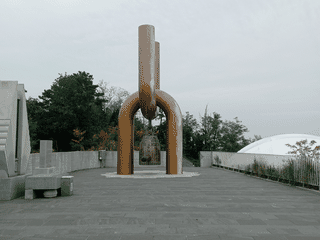

Gimpo
East Asia · South Korea
Did you know?
- AREX or subway can reach Seoul within an hour.
- Laveniche March Avenue pairs free waterfront access with paid boat rides.
- The local table spans rice dishes, buckwheat noodles, and West Sea seafood.
See also

Gwangmyeong
South Korea37.48°N 126.87°E
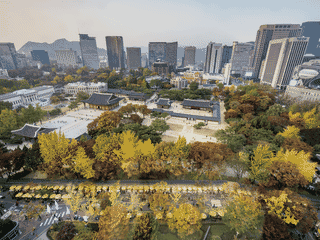

Seoul
South Korea37.57°N 127.00°E · 38 m
Incheon
South Korea37.48°N 126.63°E · 7 m
Overview
A suburban base in the greater Seoul area, Gimpo mixes waterfront leisure, traditional agriculture, and convenient rail and airport links. It suits travelers who want an urban edge with easy onward access to Seoul.
Languages: Korean
Why Go?
Gimpo sits between the Han River and Yellow Sea (West Sea), blending rapid urban development with traditional farmland that produces the prized Gimpo Geumsal rice. The standout attraction is Laveniche March Avenue—a Venetian-inspired canal district with European architecture, cafes, and the Golden Waterway that glows at night. For travelers, Gimpo functions as both a convenient transit hub (connected to Seoul via AREX rail) and a destination in its own right, offering border-area parks with rare views of North Korea, cultural museums, and coastal seafood markets.
Adapted from Wikivoyage contributors · CC BY-SA 4.0
Getting In
Gimpo International Airport (김포국제공항) serves international routes to Taipei-Songshan, Tokyo-Haneda, Osaka-Kansai, Beijing Capital, and Shanghai-Hongqiao, plus domestic flights mostly from Jeju. The AREX airport rail connects directly to Seoul Station in approximately 30-40 minutes. Gimpo also sits along major waterways; the Ara Waterway connects to Incheon via the Ara Canal system. Intercity buses serve routes to various destinations from the Gimpo Bus Terminal.
Adapted from Wikivoyage contributors · CC BY-SA 4.0
Getting Around
Gimpo lacks a government-run public bike system like Seoul's Ttareungyi, but the private shared electric bike service Elecle is widely available via smartphone app—look for red electric bikes throughout the city. Standard bicycle rental shops are located near the Ara Gimpo Passenger Terminal along the waterway (₩5,000 per hour). The city is spread out, so buses and taxis are practical for reaching attractions in different neighborhoods. The subway connects to Seoul's network via Line 5 and the Gyeongui–Jungang Line.
Adapted from Wikivoyage contributors · CC BY-SA 4.0
When to Go
Gimpo experiences four distinct seasons typical of the Korean peninsula. Summers (June-August) are hot and humid with the majority of annual rainfall—carry rain gear if visiting during these months. Winters (December-February) are cold with temperatures dropping to -7°C or lower. Spring (April-May) and autumn (September-October) offer the most pleasant weather for sightseeing. The Laveniche Maritime Festival occurs annually in October with boat parades, street performances, and fireworks. The Marine Corps Culture Festival takes place in November at Gimpo Hamsang Park.
Adapted from Wikivoyage contributors · CC BY-SA 4.0
Where to Stay
Accommodation in Gimpo centers around three areas: the airport district (convenient for early flights and transit), the Hangang New Town area (modern hotels near the river), and the Wolgot/Daegot area (nearer to border parks and nature). Hotel options include Ramada Encore by Wyndham Gimpo Han River (modern, near airport with fitness center), Lotte City Hotel Gimpo Airport (connected to airport, resort-style suites), and JK Hotel Gimpo (city views, hot tubs). For rural stays, consider Gimpo Munsusan Tourist Farm Pension (at Munsusan Mountain foot) or Sangchunjae Hanok Pension (traditional hanok architecture in Tongjin-eup, built 2024).
Adapted from Wikivoyage contributors · CC BY-SA 4.0
Food and Drink
Gimpo's cuisine reflects its agricultural and coastal character: rice dishes, buckwheat noodles, and fresh seafood from the West Sea. Deungchon Kalguksu (near Gurae Station) serves spicy mushroom shabu-shabu kalguksu for ₩10,000-13,000. For premium dining, Daege-Jang (next to Daemyeong Port) specializes in snow crab (대게) with set menus starting ₩30,000-40,000—pick your crab directly from the tank. Budget-friendly options include Gimpo-guksu for Janchi-guksu and Bibim-guksu at ₩7,000-9,000, and Pyeongchang Makguksu for buckwheat noodles in the Geomdan area. The Daemyeong Port Seafood Market sells fresh fish, salted seafood (Jeotgal), and dried fish directly from fishermen.
Adapted from Wikivoyage contributors · CC BY-SA 4.0
Things to Do
Gimpo offers a mix of cultural, natural, and recreational attractions. Aegibong Peace Eco Park (₩3,000 adults) features an observation deck with rare views of North Korea's Kaepung County and the Han River estuary, plus ecological trails and peace-themed exhibitions. The Jangneung Royal Tomb (₩1,000 adults, 7:00-17:30) is a Joseon-era royal burial site designated as a Korean historical monument. Laveniche March Avenue is the centerpiece—a canal-side complex with European-style streets, the Golden Waterway, and gondola rides (₩5,000-10,000). Gimpo Hamsang Park showcases Korea's first battleship-themed park with a retired LST battleship and naval exhibits. The Gimpo Peace Culture Center (inside the International Sculpture Park) is built from shipping containers and offers VR/AR experiences of North Korean life.
Adapted from Wikivoyage contributors · CC BY-SA 4.0
Buy
Laveniche March Avenue is Gimpo's main shopping and cultural district, featuring boutique stores, trendy cafes, restaurants, and live street performances. For outlet shopping, Hyundai Premium Outlet Gimpo (near the airport, over 230 brands) and Gimpo Lotte Mall (connected to airport via underground passage) offer extensive retail options with hours until 21:00-22:00. The traditional Gimpo Market operates on days ending in 2 and 7 (2nd, 7th, 12th, 17th, 22nd, 27th of each month, 08:00-18:30) in the Bukbyeon public parking lot—expect fresh produce, clothing, household goods, and free samples of hot noodle soup and Korean pancakes. For local agricultural products, visit Gimpo Nonghyup Local Food Market for the famous Gimpo Geumsal rice, fresh vegetables, and farm goods.
Adapted from Wikivoyage contributors · CC BY-SA 4.0
Connectivity
South Korea has excellent mobile coverage and internet infrastructure. Major carriers (KT, SKT, LGU+) offer prepaid SIM cards and eSIM options at airports and convenience stores. WiFi is widely available in hotels, cafes, and public spaces. Gimpo International Airport has free WiFi for passengers. South Korea uses Type C and Type F electrical plugs (230V/60Hz), so bring a universal adapter if traveling from regions with different standards. English signage is common in tourist areas but less so in traditional markets and rural neighborhoods.
Adapted from Wikivoyage contributors · CC BY-SA 4.0
Safety
Gimpo is generally a safe city with low crime rates typical of South Korea. The border areas (Wolgot-myeon, Daegot-myeon) near Aegibong Peace Eco Park are safe to visit but are military zones—follow all posted guidelines and avoid photographing military installations. During summer monsoon season, flash flooding can occur in low-lying areas near the river—monitor weather advisories. The Ara Waterway area is well-maintained but use caution near water edges, especially with children.
Adapted from Wikivoyage contributors · CC BY-SA 4.0
Budget
Gimpo is moderately affordable for South Korea. Budget travelers can eat well at local noodle shops (₩7,000-10,000 per meal), use public transit (subway base fare around ₩1,350), and access free attractions like Gimpo Art Village, the International Sculpture Park, and most parks. Mid-range travelers should budget for accommodation (₩80,000-150,000 per night for business hotels), restaurant meals (₩15,000-30,000), and paid attractions (₩1,000-5,000). Gimpo Market and the Nonghyup Local Food Market offer good value for budget groceries and local products. Daily budget estimate: ₩50,000-80,000 for basic travel, ₩100,000-150,000 for comfortable travel including accommodation.
Adapted from Wikivoyage contributors · CC BY-SA 4.0
Day Trips
Gimpo's location makes it an ideal base for exploring the greater Seoul metropolitan area and nearby regions. Seoul is immediately accessible via AREX rail (30-40 minutes to Seoul Station) or subway, offering endless sightseeing, shopping, and dining options. Incheon (accessible via the Ara Waterway or road) is Korea's third-largest city with its historic Chinatown, Songdo district, and the massive Incheon International Airport. Paju to the north offers the DMZ (Demilitarized Zone), Heyri Art Valley, and outlet shopping malls—note that DMZ tours require advance booking through licensed operators. Goyang (Ilsan) is nearby with Lake Park (호수공원), KINTEX convention center, and modern shopping areas. The Ara Waterway itself offers recreational boating and waterfront walking.
Adapted from Wikivoyage contributors · CC BY-SA 4.0
Go Next
From Gimpo, the most common onward destination is Seoul—the vibrant capital accessible within an hour via AREX or subway. Incheon is ideal for those continuing international travel via Incheon International Airport or interested in Chinatown and the Songdo waterfront. Paju offers a dramatically different experience as a border city near the DMZ, with the Heyri Art Valley cultural complex and large outlet malls. Goyang (Ilsan) provides a planned-city experience with Lake Park and the KINTEX convention center. For those heading further afield, Gimpo Airport offers domestic flights to Jeju and other cities, while the Ara Waterway connects to Incheon's port facilities for potential ferry services.
Adapted from Wikivoyage contributors · CC BY-SA 4.0
Field guide adapted from Wikivoyage contributors · CC BY-SA 4.0. Text has been adapted and organized for this guide. About our sources.
Places to know
A few starting points from the guide. Check current hours and prices before you go.
- sleep
Gimpo Munsusan Tourist Farm Pension
A peaceful pension nestled at the foot of Munsusan Mountain, offering a retreat in nature. Visitors enjoy fresh air, spacious rooms, and easy access to hiking trails and local flora.
Adapted from Wikivoyage contributors
- eat
Choigane Hanjeongsik
A popular spot for Hanjeongsik (Korean set course meal). It serves a variety of seasonal side dishes and traditional food using fresh, local ingredients, ideal for groups or formal dining.
Recorded price: Full traditional Korean set menus (Hanjeongsik) start from around ₩30,000 per person up to higher-end course options
Adapted from Wikivoyage contributors
- eat
Daege-Jang
As it is right near the port, this restaurant specializes in extremely fresh snow crab (대게) and other seafood dishes. Guests can select their crab directly from the tank.
Recorded price: Signature dishes like Ganjang Gejang (soy-marinated crab) set menus start around ₩30,000 to ₩40,000 per person
Adapted from Wikivoyage contributors
- eat
Deungchon Kalguksu
Famous for its spicy Mushroom Shabu-Shabu Kalguksu (knife-cut noodles). The set meal includes vegetables, meat, noodles, and fried rice (볶음밥) to finish, offering great value.
Recorded price: Shabu-shabu kalguksu is priced around ₩10,000 to ₩13,000 per person
Adapted from Wikivoyage contributors
- eat
Gimpo Bori-gukbap
Serves hearty Bori-gukbap (barley rice soup) and bibimbap with fresh vegetables. Known for its generous portions and healthy, rustic Korean flavor.
Recorded price: Boribap (barley rice) and similar traditional meals are generally ₩9,000 to ₩10,000
Adapted from Wikivoyage contributors
- eat
Gimpo-guksu (Local Noodle Shop)
A simple, popular spot for inexpensive and delicious Janchi-guksu (feast noodles) and Bibim-guksu (spicy mixed noodles). It's a true local's lunch favorite.
Recorded price: Noodle dishes (Guksu) are very affordable, ranging from ₩7,000 to ₩9,000
Adapted from Wikivoyage contributors
- eat
Minsok Chueotang
A well-regarded spot for Chueotang (loach soup), a nutritious and warming Korean dish. The soup is rich and deeply flavored, perfect for cold weather.
Recorded price: Chueotang (loach soup) costs ₩11,000 to ₩13,000 per serving
Adapted from Wikivoyage contributors
- eat
Pyeongchang Makguksu
Specialized in Makguksu (buckwheat noodles) and Suyuk (boiled pork slices). The simple, clean taste of the broth and chewy noodles makes it a local favorite during summer.
Recorded price: Main dishes like makguksu (buckwheat noodles) are generally ₩10,000 to ₩12,000
Adapted from Wikivoyage contributors
Before you go
Connectivity
South Korea has excellent mobile coverage with 4G/5G widely available. Prepaid SIMs and eSIMs are available at airports and convenience stores. Free WiFi at airport and in most cafes/hotels. Type C/F plugs, 230V/60Hz.
Culture
Gimpo blends modern development (Hangang New Town, Laveniche) with traditional agriculture (Gimpo Geumsal rice) and fishing heritage (Daemyeong Port). The border area has military significance—observe all posted guidelines.
Money
South Korean Won (KRW) is the local currency. Credit cards are widely accepted in hotels, restaurants, and shops. ATMs are plentiful. Traditional markets and some local restaurants may be cash-only.
Transport
Gimpo International Airport handles regional international flights (Taiwan, Japan, China) and domestic routes, primarily from Jeju. AREX rail connects to Seoul Station in 30-40 minutes. Subway access via Line 5 and Gyeongui–Jungang Line.
Visa
Most nationalities receive 90-day visa-free entry to South Korea for tourism purposes. Check current visa requirements based on your nationality before travel.
Weather
Gimpo has four distinct seasons: hot/humid summers with heavy rainfall (June-August), cold winters (December-February) dropping to -7°C or below. Spring and autumn are pleasant. Maritime influence from the Yellow Sea makes conditions slightly milder than inland Seoul.