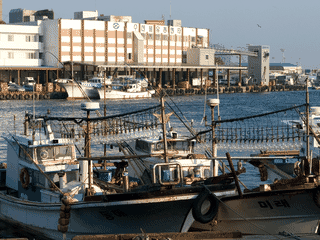

Seogwipo
East Asia · South Korea
Did you know?
- April's yellow canola blooms are tied to the island's Jeju Canola Festival.
- The airport gateway lies north and is linked by intercity buses.
- Fresh sashimi is a natural clue here: this coastal city sits on an island.
See also
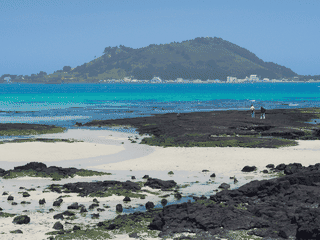

Jeju
South Korea33.37°N 126.53°E · 1,950 m
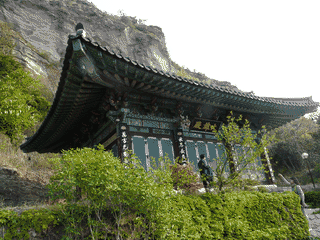

Jindo
South Korea34.49°N 126.26°E · 485 m
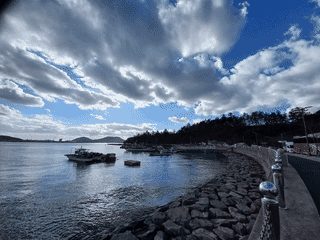

Mokpo
South Korea34.76°N 126.38°E · 2 m
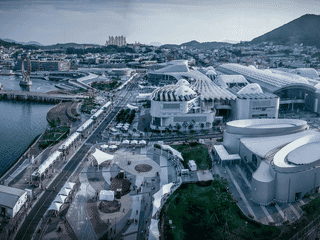

Yeosu
South Korea34.76°N 127.66°E
Overview
Seogwipo is a coastal Jeju base where sashimi is a local draw and island bus connections open the wider coast. April brings yellow canola blooms during the Jeju Canola Festival.
Languages: Korean
Why go?
Seogwipo covers the entire southern half of Jeju Island, offering a dramatic mix of columnar basalt cliffs, black sand beaches, and the island's most famous waterfalls. The city anchors the Jungmun Tourist Resort Complex with Jeju's highest-end accommodation, while the coastal stretch reveals sheepishly swank hotel grounds next to working fishing harbors. Nature lovers will find volcanic formations like Seongsan Ilchulbong, multiple waterfall circuits, and access to Udo Island's volcanic crater, all within easy reach of the urban base.
Adapted from Wikivoyage contributors · CC BY-SA 4.0
Getting in
Most visitors arrive via Jeju International Airport in Jeju City, then travel south by bus along Route 1135 or the coastal highway. The Limousine Bus (Line 600) runs every 10 minutes from 06:20-22:00, connecting the airport directly to Seogwipo harbor area in approximately 1 hour. Intercity buses to Jeju City depart regularly from Seogwipo's central bus terminal.
Adapted from Wikivoyage contributors · CC BY-SA 4.0
Getting around
Seogwipo spreads along a thin coastal strip from downtown to Jungmun in the west, connected by the main arterial road Ilju-ro (Highway #1132). The local bus network is the primary transport for backpackers, with stops well-connected to major attractions. Taxis are readily available but add up for multiple stops. The Jungmun Tourist Resort area is walkable between major hotels and attractions.
Adapted from Wikivoyage contributors · CC BY-SA 4.0
When to go
Spring (April) brings the Jeju Canola Festival with yellow rape flowers blooming across the island. Summer draws beachgoers to Jungmun Beach, while January hosts the Seogwipo Winter Sea International Penguin Swimming Competition at Jungmun Saekdal Beach. The Bangeo Festival runs late November through December at Moseulpo Port with free raw fish samples. Shoulder seasons offer milder temperatures and fewer crowds for waterfall circuits and hiking.
Adapted from Wikivoyage contributors · CC BY-SA 4.0
Where to stay
Budget travelers should look toward downtown Seogwipo near the harbor, where hostels like Jeju Hiking Inn offer beds from ₩22,000 with 3-minute access to the Limousine Bus. MIDO Hostel provides renovated dorms from ₩25,000 with breakfast and wifi included. For luxury, the Jungmun Tourist Resort Complex offers five-star options like The Shila Jeju set in 21-acre cliff-top gardens. The jjimjilbang at Jeju Water World offers sauna access from ₩8,000 with sleeping floor space.
Adapted from Wikivoyage contributors · CC BY-SA 4.0
Food and drink
Being a coastal city on Jeju Island, sashimi (hoe) is excellent. The iconic sea cucumber costs around ₩10,000 from Haenyo (women divers) scattered along the coast near Jungmun. Jeju black pork (오겹살) is a must-try, served at Jeju Black Pork Restaurant for ₩18,000-25,000 per serving, grilled at your table. Seogwipo Olle Market offers street food from ₩3,000-15,000 including black pork skewers and fresh hallabong juice. For nightlife, the strip between the main circle and harbor has western-style bars and Korean clubs.
Adapted from Wikivoyage contributors · CC BY-SA 4.0
Things to do
The three famous waterfalls of Jeju are all accessible: Jeongbang Waterfall (₩2,000) claims to be the only waterfall in Asia falling directly into the sea, while Cheonjiyeon and Cheonjeyeon waterfalls round out the trio. Seongsan Ilchulbong Peak (₩5,000) is a tuff cone rising from the sea, best visited at sunrise with the Sunrise Festival on New Year's Day. Submarine tours from Seogwipo harbor descend to 40m depth for ₩45,000 adults, offering views of soft corals and Haenyo at work. The Jeju Folk Village Museum (₩6,000) reconstructs traditional structures across 150,000 m², with audioguides at ₩2,000.
Adapted from Wikivoyage contributors · CC BY-SA 4.0
Safety
Seogwipo and Jeju Island are generally very safe for travelers with low crime rates. Standard urban precautions apply in crowded market areas. Coastal paths and volcanic cone trails can be slippery after rain. Swimming at unsupervised beaches carries inherent risks. The tap water is safe to drink throughout the city.
Adapted from Wikivoyage contributors · CC BY-SA 4.0
Connectivity
South Korea offers excellent mobile connectivity with major carriers SK Telecom, KT, and LG Uplus providing 4G/LTE coverage across Jeju Island including Seogwipo. Tourist-oriented SIM cards and eSIMs are available at Jeju International Airport. Most hotels, restaurants, and cafes provide free WiFi. Korean power outlets use Type C/F with 220V/60Hz.
Adapted from Wikivoyage contributors · CC BY-SA 4.0
Budget
Backpackers can manage on ₩50,000-70,000 per day excluding accommodation: street food meals ₩3,000-15,000, local restaurant dinners ₩10,000-25,000, attraction entry ₩2,000-12,000, and local bus rides ₩1,150-2,500. Dorm beds range ₩18,000-25,000, while private rooms start around ₩50,000. Subway-style Hanlaem bus passes offer value for multi-day sightseeing.
Adapted from Wikivoyage contributors · CC BY-SA 4.0
Day trips
Udo Island sits off Seongsan Peninsula in eastern Jeju, accessible by ferry from Seongsan village; the volcanic crater of Seongsan Ilchulbong makes an excellent half-day hike. The chocolate factory near Daejeong-eup offers tastings and tours for ₩8,000. The Green Tea Museum (O'Sulloc) near Andeok-myeon is free to enter with tea sampling and plantation walks. Marado Island, Korea's southernmost inhabited island, requires a ferry from Moseulpo Harbor.
Adapted from Wikivoyage contributors · CC BY-SA 4.0
Go next
Jeju City, the provincial capital, is easily reachable by intercity bus and serves as the main gateway via Jeju International Airport. Hallasan mountain dominates the center of the island with multiple trail options. The eastern coast leads to Seongsan village and Udo Island. Western Jeju offers additional beach resorts and the quieter inland oreum (secondary volcanic cones).
Adapted from Wikivoyage contributors · CC BY-SA 4.0
Field guide adapted from Wikivoyage contributors · CC BY-SA 4.0. Text has been adapted and organized for this guide. About our sources.
Places to know
A few starting points from the guide. Check current hours and prices before you go.
- eat
Bomal Kalguksu Restaurant
A local delicacy. Bomal (top shells) are a type of shellfish harvested from Jeju's clean waters. They are used to create a rich and savory broth for the handmade noodles.
Recorded price: A bowl of noodles costs around ₩10,000
Adapted from Wikivoyage contributors
- eat
Chunsimine
Famous for its very long and fresh braised cutlassfish (galchi). They also offer grilled cutlassfish and abalone stone pot rice. A very popular place, so expect a wait.
Recorded price: A large braised cutlassfish (galchi-jorim) dish starts at around ₩60,000 for two people
Adapted from Wikivoyage contributors
- eat
Izen-ga
A fusion restaurant offering modern Korean dishes and unique pizzas with local ingredients like Jeju black pork and seafood. The atmosphere is upscale and great for a special occasion.
Recorded price: Meals range from ₩15,000 to ₩30,000
Adapted from Wikivoyage contributors
- eat
Jeju Black Pork Restaurant
A popular spot to try authentic Jeju black pork, which is known for its chewy texture and rich flavor. Grilled directly at your table.
Recorded price: Prices per serving range from ₩18,000 to ₩25,000
Adapted from Wikivoyage contributors
- eat
Jeju Jinmi Madonga
Renowned restaurant specializing in Jeju’s signature horse meat and black pork barbecue. Offers premium set-course menus featuring horse sashimi, grilled cuts, and soup dishes in a traditional setting. Highly rated for quality and service.
Adapted from Wikivoyage contributors
- eat
Jeju Ma-eum
Specializes in authentic Jeju cuisine, including braised mackerel and okdom (tilefish). The restaurant is known for its home-cooked, flavorful dishes.
Recorded price: A set meal with braised mackerel costs around ₩30,000 per person
Adapted from Wikivoyage contributors
- eat
Marado Jjajangmyeon
A unique experience. Marado, Korea's southernmost island, is famous for its jajangmyeon (black bean sauce noodles). It's a fun novelty to eat it on the island itself.
Adapted from Wikivoyage contributors
- eat
Millmills
Italian sandwiches and pizza in a relaxed environment
Recorded price: ₩13,000
Adapted from Wikivoyage contributors
Before you go
Food
Jeju black pork is the island's signature meat, best sampled at grill-your-own restaurants. Fresh sashimi from the harbor is excellent. The Haenyo (women divers) serve sea cucumber fresh from the water near Jungmun for around ₩10,000.
Language
Korean is the official language. English signage is limited outside tourist areas and major hotels. Basic Korean phrases are helpful. Translation apps assist with menu navigation at local restaurants.
Money
South Korean Won (KRW) is the local currency. Credit cards are widely accepted in hotels, restaurants, and shops. ATMs at Nonghyup and other Korean banks accept foreign cards. Markets and small eateries may be cash-only.
Safety
Jeju Island has very low crime rates. Standard urban precautions apply. Coastal trails can be slippery; volcanic cone hikes require proper footwear. Emergency services are readily available.
Transport
Local buses run along Ilju-ro connecting downtown Seogwipo to Jungmun resort area. The Limousine Bus 600 connects Jeju Airport to Seogwipo harbor every 10 minutes from 06:20-22:00. Taxis are metered and relatively affordable within the city.
Weather
Jeju has a subtropical climate. Summers are hot and humid with monsoon rains in July-August. Winters are mild but windy. Spring brings yellow canola flowers; autumn offers pleasant temperatures for hiking.