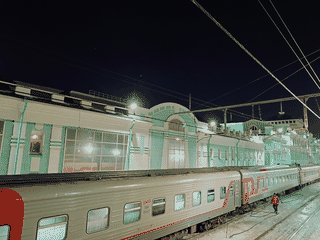

Omsk
Russia54.98°N 73.37°E · 90 m
125 places in the index.
54.98°N 73.37°E · 90 m
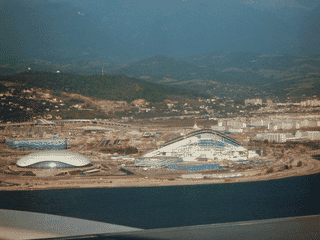
43.60°N 39.73°E · 6 m
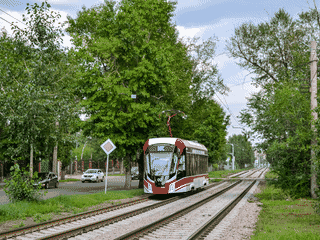
51.83°N 107.60°E · 500 m
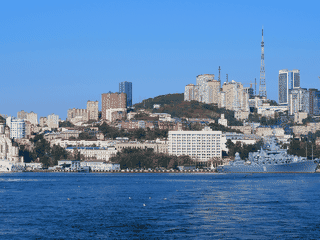
43.13°N 131.90°E · 12 m
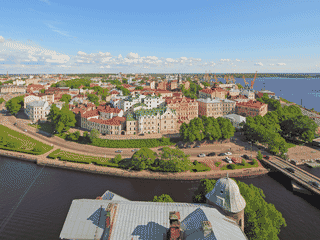
60.71°N 28.74°E · 3 m
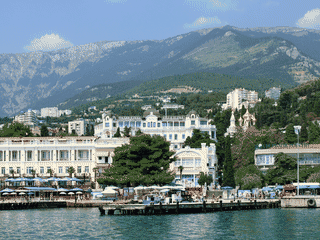
44.50°N 34.16°E · 200 m
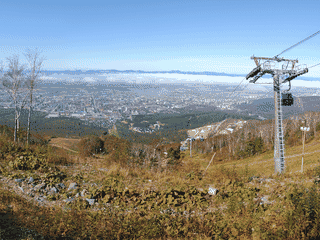
46.97°N 142.73°E · 50 m
Achinsk is a city in Krasnoyarsk region on the Trans-Siberian Railway.
Atlas entry
Adler serves as the historic and administrative center of Adler district, located 22 km from central Sochi along the Black Sea coast. The town hosted the 2014 Olympic and Paralympic Games, leaving modern infrastructure and Olympic monuments.
Atlas entry
Aldan is a remote gold and mica mining town in Yakutia, located in the Aldan Highlands along the Aldan River. Founded in 1923 as the settlement of Nezametny, it remains one of the largest towns in the Sakha Republic with about 21,000 inhabitants.
Atlas entry
Alexandrov is known as a medieval residence of Russian princes, where several important events in Russian history took place. The former palace is now a convent, preserving noteworthy architectural sights such as the Cathedral of St.
Atlas entry
Anadyr is Russia's easternmost major city, capital of Chukotka, offering access to remote Arctic wilderness and indigenous Chukchi and Eskimo cultures. The city, nicknamed the 'summer city' for its colorful houses, serves as the gateway for exploring one of Russia's most isolated regions.
Atlas entry
Arkhangelsk is a regional center in Northwestern Russia, capital of the Russian North, with a rich history as the first Russian port. It is part of the Silver Ring and is a transit point to Solovetsky Islands, but also worth a separate visit for its cultural life and wooden architecture.
Atlas entry
Arshan is a small hot spring resort in Buryatia, nestled at the foot of the Sayan Mountains. It offers Buddhist temples, a waterfall, hiking, and budget accommodation.
Atlas entry
Bakhchysarai was the political and cultural heart of the Crimean Tatar Khanate from the 15th to 18th centuries, and its grand Khan's Palace remains the only Crimean Tatar palace still standing. The town offers a rare window into Crimean Tatar heritage — from artisan workshops to traditional water-pipe lounges — while serving as a base for exploring dramatic cave cities like Chufut Kale and Mangup Kale.
Atlas entry
Balaklava is a small, sleepy harbor town on the Black Sea coast near Sevastopol, known for its remarkable historical layers: Genoese fortress ruins, Crimean War battlefields, and a decommissioned Soviet submarine base. The town is waking up to its tourist potential with new hotels and restaurants opening, offering a quieter alternative to nearby Sevastopol while being easily reachable as a day trip.
Atlas entry
Barnaul is the administrative capital of Altai Krai in Western Siberia, founded in the 18th century as a silver and copper mining center. The city of over 600,000 offers historic Orthodox cathedrals, regional museums, and a practical stop on the Trans-Siberian route.
Atlas entry
Biysk (population 202,000) is Altai Krai's second-largest city and serves as the primary gateway for tourists trekking into the Altay Mountains. The city functions as a naukograd, or science city, with a compact historic core featuring 19th-century merchant houses, Orthodox churches, and a unique Lenin statue fitted with a winter hat due to the harsh climate.
Atlas entry
Blagoveshchensk is the capital of Amur Oblast and one of the oldest cities in the Russian Far East, sitting directly across the Amur River from the Chinese city of Heihe. The city offers a unique blend of Russian and Asian cultures, with an Amur Regional Museum showcasing local history and nature.
Atlas entry
Bratsk is primarily a transit point on the Baikal-Amur Mainline (BAM) rather than a destination in itself. The city sits on the Angara River and serves as a connection hub between western Siberia and the Russian Far East.
Atlas entry
Cheboksary is the capital of the Chuvash Republic in the Volga Region, home to about 600,000 people including the satellite city Novocheboksarsk. The city offers historic Orthodox architecture dating to the 16th-17th centuries, a unique Chuvash cultural identity distinct from mainstream Russia, and Russia's only beer museum, reflecting the region's centuries-old brewing tradition.
Atlas entry
Chelyabinsk is a major industrial city and regional capital with over a million inhabitants in the Ural Mountains region. While primarily known for its heavy industry and the 2013 meteor event, the city offers Soviet-era architecture, local museums, and access to outdoor recreation in the surrounding Urals.
Atlas entry
Cherepovets is the largest city in Vologda Oblast, founded in the 14th century around a monastery. The city thrives due to OAO Severstal (Northern Steel), making it notably wealthier and pricier than typical provincial Russian cities.
Atlas entry
Dmitrov offers a compact, walkable medieval experience just 65 km north of Moscow. Founded in 1154, the city is renowned for its well-preserved kremlin and the striking Assumption Cathedral.
Atlas entry
Dudinka is the capital of Taymyria and Russia's northernmost regularly operating port on the Arctic Ocean, situated near the mouth of the mighty Yenisey River. This closed city serves as the maritime gateway for the Norilsk industrial region, handling metals and ore concentrate exports.
Atlas entry
Elista is a unique stop on the Russian steppe: the only capital in Europe where Buddhism is the primary religion, with golden temples visible across the city. The Golden Temple (Burkhan Bakshin Altan Sume) opened in 2005 with the Dalai Lama's blessing and claims to be the largest Buddhist temple on the continent.
Atlas entry
Gorno-Altaisk is the compact capital of the Altai Republic with around 55,000 residents. It serves as a base for mountain trails with high-elevation views and a ski base operating December-March on hills 641m and 421m high.
Atlas entry
Atlas entry
Igarka is one of Russia's most remote cities, sitting 163 kilometers north of the Arctic Circle in the Krasnoyarsk Region. The city holds a haunting place in Soviet history as the starting point of Stalin's railway to nowhere, a gulag labor project that claimed thousands of lives between 1949 and 1953.
Atlas entry
Irkutsk is a gateway to Lake Baikal and a major stop on the Trans-Siberian Railway. Ornate wooden houses built by Decembrist exiles add historic character among Soviet-era blocks.
Ivanovo offers a rare glimpse into ordinary Russian urban life far from tourist zones. As a former world capital of the textile industry, it developed a distinct character—the city is affectionately called "The City of Brides" because of the hundreds of thousands of women who worked in its factories.
Atlas entry
Izhevsk is a rare off-the-beaten-path destination in Russia. The city is famous worldwide as the birthplace of the AK-47 Kalashnikov assault rifle, and the Kalashnikov Museum offers an unparalleled deep-dive into its history.
Atlas entry
Kaliningrad is the westernmost major city in Russia, a Baltic enclave between Poland and Lithuania with a rich, layered history. Once the German city of Königsberg for 689 years, it was rebuilt after WWII and now blends Prussian architecture, Soviet monumentalism, and modern Russian life.
Atlas entry
Kaluga is a mid-sized Russian city 160 km southwest of Moscow, famous as the birthplace of rocket scientist Konstantin Tsiolkovsky and now housing the world's first space museum. The city preserves 18th-century architecture including Gostiny Dvor and the Church of Cosmas and Damian, while offering a more relaxed, affordable alternative to the capital for backpackers interested in Soviet space history.
Atlas entry
Kazan is the capital of Russia's republic of Tatarstan and the center of Tatar culture, holding the title of "The Third Capital of Russia" after Moscow and Saint Petersburg. With a population of about 1.3 million, the city blends Muslim and Christian cultures harmoniously, featuring both mosques and cathedrals within its UNESCO-listed Kremlin.
Atlas entry
Kemerovo is the administrative capital of Kemerovo Oblast (Kuzbass), a region synonymous with coal mining and heavy industry. The city itself is a working Siberian metropolis with over half a million residents, offering museums documenting regional history, Soviet-era monuments, and access to pristine taiga forests surrounding the city.
Atlas entry
Kerch is one of Crimea’s oldest cities, founded by Greek colonists in the 7th century BC as Panticapaeum, capital of the Kingdom of Bosporus. The city offers layers of history—ancient ruins, Byzantine citadels, Ottoman fortresses, and Soviet War Memorials—all within a compact urban area.
Atlas entry
Khabarovsk is a city on the Amur River in the Russian Far East, near the Chinese border, that could easily be a highlight on the Trans-Siberian Railway. Unlike many dull cities along the route, Khabarovsk offers attractive parks, beaches, outdoor beer tents with live music, and classic architecture - especially when the weather cooperates.
Atlas entry
Atlas entry
Kizhi is a UNESCO World Heritage island in Lake Onega, 68 km from Petrozavodsk, showcasing the finest wooden architecture in Russia. The centerpiece is the 22-domed Church of the Transfiguration at 37 m high, built entirely of wood in the 18th century without a single nail.
Atlas entry
Kizlyar is a small town of roughly 50,000 people in the Terek River delta, best known for its cognac factory and traditional knife-making heritage. It offers a glimpse into daily life in southern Dagestan near the Chechen border, with Cossack cultural influences and regional winemaking traditions.
Atlas entry
Koktebel (also known as Planerskoye) is one of Crimea\'s most popular resort towns, situated on the Black Sea roughly halfway between Feodosiya and Sudak. The town is famous for its literary heritage: Russian poet Maximilian Voloshin made it his home, hosting distinguished guests including Marina Tsvetayeva, Osip Mandelshtam, and Andrey Bely, all of whom wrote remarkable poetry here.
Atlas entry
Komsomolsk-on-Amur is a quarter-million-person industrial city in the Russian Far East, the 3rd largest after Vladivostok and Khabarovsk. It's not a sightseeing destination in the conventional sense, but it works surprisingly well as a short stopover on the Baikal-Amur Mainline (BAM)—especially if you have an interest in photography.
Atlas entry
Korsakov serves as one of only two ferry connections between Russia and Japan, making it a key transit point for travelers crossing the Sea of Japan. The town of 36,652 people has a faded Soviet aesthetic and few conventional tourist attractions, but its remote location and international ferry link give it a unique practical purpose.
Atlas entry
Kostroma is a historic city founded in the 12th century that served as a northern retreat for the powerful in Muscovy when threatened by southern and western invaders. The city's wealth of art and architecture comes from this legacy of royal retreats.
Atlas entry
Kotelnich is primarily a Trans-Siberian Railway junction where branches from Nizhny Novgorod and Yaroslavl meet. Most travelers pass through without stopping, but those who break journey find a sleepy town with a remarkable paleontology museum featuring dinosaur skeletons excavated from the nearby Vyatka River banks.
Atlas entry
Krasnaya Polyana is Russia's most popular ski destination, purpose-built for the 2014 Winter Olympics with nearly 100 km of groomed slopes across three major resorts. The area combines Olympic-grade alpine infrastructure with Caucasian mountain scenery, offering skiing, snowboarding, and heli-ski adventures at altitude up to 2,320 meters.
Atlas entry
Krasnodar serves as the administrative capital of Krasnodar Krai in southern Russia, with a 2018 population of just under 900,000. The city offers a mix of restored 18th-century architecture, unique Soviet-era engineering like the hyperboloid tower, and vibrant nightlife along Krasnaya Street.
Atlas entry
Krasnoyarsk is a major Siberian city of over 1 million people at the confluence of the Kacha and Yenisey rivers, serving as a gateway to wild taiga forests and the Stolby Nature Reserve. Founded in 1628 as a Cossack fort, it grew into an industrial center during WWII and remains an important scientific and educational hub with over 30 higher education institutions.
Atlas entry
Kronstadt is a historic naval fortress founded by Peter the Great in 1704 on Kotlin Island in the Gulf of Finland. The city served as Russia's key maritime stronghold for three centuries and was a closed military city until 1998.
Atlas entry
Kungur is the oldest city in Perm Krai, founded in 1663, with a population of approximately 81,000. The city serves as the gateway to Kungur Karst, a renowned karst region featuring the famous Kungur Ice Cave—discovered in 1703 and the only cave in Russia equipped for guided excursions.
Atlas entry
Kursk is the capital of Kursk Oblast in the Western Russian Chernozemye region, a millennium-old city celebrated as the 'city of nightingale song.' While not a major tourist hub, it offers Soviet-era architecture, the historic Battle of Kursk WWII battlefield at Prokhorovka, and a more authentic Russian experience than larger cities like Moscow or St. Petersburg.
Atlas entry
Lalsk is a tiny, historic market town in the far north of Kirov Oblast where the Totma architectural tradition met the Vyatka tradition, creating a unique northern baroque style perfectly preserved for modern tourists. With only 2,900 residents and virtually no tourists, this is well off the beaten path—the town looks practically unchanged since the 19th century, offering a rare glimpse of authentic Russian North architecture far from the typical Golden Ring circuit.
Atlas entry
Listvyanka is a small Siberian town of under 2,000 inhabitants on the shore of Lake Baikal, serving as the primary gateway to the lake with boat trips and access to the surrounding wilderness. The village dates to 1726 and developed into a tourist resort after the fall of Communism, now comparable to a small Black Sea resort.
Atlas entry
Magadan is one of the most remote cities in Russia reachable by road, serving as the capital of Magadan Oblast with about 92,000 residents. The city is a port on the Sea of Okhotsk, kept open year-round by icebreakers during harsh winters.
Atlas entry
Makhachkala is the capital and largest city of Dagestan, Russia's southernmost North Caucasus republic. With approximately 595,000 residents, it is one of the fastest growing cities in Russia and serves as the main gateway to the region.
Atlas entry
Moscow is Russia's political and financial centre, with a vast metropolitan population. Warm summers and long, cold winters give visits a strongly seasonal character.
Murmansk is the world's largest city north of the Arctic Circle, offering a rare glimpse into Russia's northern frontier and Soviet-era heritage. The city served as a critical wartime port for Allied arctic convoys and later became the Soviet Union's most important submarine base.
Atlas entry
Nakhodka (meaning "lucky find" or "discovery") is a port city in Primorsky Krai, Russia. Unlike nearby Vladivostok, it was never a closed city, and the government designated it a free economic zone to attract foreign investment.
Atlas entry
Nalchik is a calm, walkable Russian city that served as a Soviet spa destination, retaining a more pleasant architectural character than many regional capitals. The city offers a relaxed base for exploring the North Caucasus, with parks, artificial lakes, and access to mountain regions without the intensity of major tourist destinations.
Atlas entry
Nevyansk is a small historic town 75 km north of Ekaterinburg that preserves the legacy of the Demidov industrial dynasty. The main draw is the famous Leaning Tower (Башня Демидовых), a unique 18th-century structure with a 3.5-degree tilt built to entertain factory workers.
Atlas entry
Nizhny Novgorod is Russia's fifth largest city, ranking after Moscow, Saint Petersburg, Novosibirsk, and Yekaterinburg. It serves as the economic and cultural center of the vast Volga economic region and the administrative center of Nizhny Novgorod Oblast.
Atlas entry
Norilsk is one of the world's most remote and inaccessible cities, located above the Arctic Circle with a permanent population of 175,000. It is the northernmost city of its size and the second largest city above the Arctic Circle after Murmansk.
Atlas entry
Novaya Chara is a small city of about 4000 people in Zabaykalsky Krai, roughly halfway between Severobaikalsk and Tynda along the Baikal-Amur Mainline. Built by Kazakhs, it serves as a common stopping point for expeditions into the Kodar Mountain ranges and several local gulag sites.
Atlas entry
Novgorod (Velikii Novgorod) is one of the oldest cities in Russia, first mentioned in manuscripts as early as 859. The city is inscribed on the UNESCO World Heritage List as part of the Historic Monuments of Novgorod and Surroundings.
Atlas entry
Novokuznetsk is the oldest city in Kemerovo Oblast (founded 1617) and serves as the regional transport hub for southern Siberia. It holds historical significance with its multiple incarnations as Kuznetsk (Blacksmith City), Stalinsk during Soviet industrialization, and its current name.
Atlas entry
Novosibirsk is Siberia's largest city and serves as the primary stop on the Trans-Siberian Railway, located two days east of Moscow. The city grew from a small village at the River Ob crossing into a major industrial and scientific center.
Atlas entry
Obninsk is a compact, planned Soviet-era science city that served as the birthplace of Soviet nuclear science. It's best visited as a day trip from Moscow or as a stopover between Moscow and Kaluga.
Atlas entry
Olkhon is by far the largest island in Lake Baikal and one of Siberia's true jewels. The 730 sq km island features an amazingly diverse landscape ranging from steppe to forest, combined with a vibrant Buryat shamanic culture that even Soviet centralism couldn't suppress.
Atlas entry
Omsk pairs a merchant-era centre with museums and an ornate drama theatre. Dostoevsky's exile gives the city an extra layer of literary history.
Orenburg sits on the Ural River at the nominal boundary between Europe and Asia, giving it a distinctive frontier character shaped by centuries of Cossack, Russian, and Turkic influences. The city is world-famous for its impossibly fine Orenburg shawls—sometimes called wedding ring shawls because they can pass through a ring—making it a unique destination for textile enthusiasts and gift shoppers.
Atlas entry
Palekh is a tiny village with a big artistic reputation: birthplace of the 19th-century Palekh school of icon and mural painting, and creator of the distinctive lacquer painted miniatures famous across Russia. Everything worth seeing is concentrated on ul.
Atlas entry
Pereslavl Zalessky is a compact medieval city on the Golden Ring route where Prince Yuri Dolgoruky founded his outpost in 1152, five years before Moscow. The city is the birthplace of Alexander Nevsky and the site where young Tsar Peter I trained his future navy on Plescheyevo lake, creating the cradle of the Russian Fleet.
Atlas entry
Perm is a large industrial city on the Kama River at the western foothills of the Ural Mountains with a population of approximately 1 million. Many pass through on the Trans-Siberian Railway, but few stay—unless seeking a break from train travel.
Atlas entry
Peterhof (Petergof) is a historic town on the Gulf of Finland famous for its grand Peterhof Palace ensemble, often called the Russian Versailles. The site was commissioned by Peter the Great in 1714 and features the monumental Grand Cascade with 64 fountains, the Upper and Lower gardens, and multiple palaces.
Atlas entry
Petropavlovsk-Kamchatsky is the principal entry point to Russia's Kamchatka Peninsula, a remote volcanic wonderland with 300+ volcanoes, brown bear habitats, and dramatic Pacific coastline. The city of roughly 180,000 residents (2018) offers good tourist infrastructure despite its isolation—furthest from Moscow of any Russian regional capital.
Atlas entry
Atlas entry
Pionerskiy is a very small seaside town in Kaliningrad Oblast, Russia's westernmost exclave between Poland and Lithuania. Its main draw is a beach that locals consider noticeably nicer than the one in nearby Svetlogorsk.
Atlas entry
Podolsk is a working-class industrial city about 40 km south of central Moscow that most tourists pass through without stopping. But those who dig deeper find an unexpected mix of early 20th-century merchant architecture, Soviet constructivist blocks, and a remarkable heritage tied to the Singer sewing machine factory.
Atlas entry
Pribaikalsky National Park protects one of Russia's most dramatic landscapes where the ancient Siberian taiga meets the world's deepest and oldest freshwater lake. The park encompasses Olkhon Island—the world's third largest lake island—plus thousands of hectares of coastal cliffs, pine forest, and wetland crucial for migratory birds.
Atlas entry
Pskov is one of Russia's oldest cities, founded in the 9th century and reaching its cultural peak during the 12th-16th centuries. The city is striking for its unique Pskov architecture—light and concise in temple design, impressive in fortifications, and characteristically asymmetrical.
Atlas entry
Pushkin (formerly Tsarskoye Selo, 'Czar's Village') is a royal showcase 24 km south of Saint Petersburg. The town is famous for its imperial palaces, particularly the opulent Catherine Palace with its legendary Amber Room—a German gift to Empress Catherine the Great, reconstructed in Baltic amber after the original vanished during WWII.
Atlas entry
Pushkinskiye Gory is a sprawling open-air museum preserving the rural estates of Alexander Pushkin's family, set among birch forests and the Sorot River in remote Pskov Oblast. The site includes several 19th-century mansions, Orthodox churches, and the poet's grave at Svyatogorsky Monastery, offering a window into prerevolutionary Russian aristocratic life.
Atlas entry
Rostov Veliky is one of Russia's oldest cities, first mentioned in the Primary Chronicle of 862 BC. Part of the Golden Ring circuit, it offers a compact historic center centered on a 17th-century kremlin, lakeside monasteries, and traditional crafts like finift enamel work and black pottery.
Atlas entry
Rostov-on-Don is the administrative centre of Southern Russia and its tenth most populous city, serving as a major trade hub where the Don River meets the Black Sea. The city offers a slower-paced provincial Russian experience compared to Moscow or St.
Atlas entry
Saint Petersburg spreads imperial palaces, cathedrals and museums across a river delta. Baroque facades and bridges over the Neva give walks through its historic centre a distinctive setting.
Salekhard is the only city in the world situated directly on the Arctic Circle, making it a singular destination for travelers seeking geographic bragging rights. As the administrative center of Yamalia, it offers a window into Russia's remote north: reindeer herding culture, Soviet-era history, and the possibility of spotting the Aurora Borealis year-round.
Atlas entry
Samara is Russia's sixth-largest city and a major industrial and cultural center on the Volga River. Founded in 1586, the city served as the USSR's second capital during World War II when government offices were evacuated from Moscow.
Atlas entry
Saratov is a regional center along the Volga River that may surprise visitors with its rich cultural heritage despite its provincial setting. At the beginning of the 20th century it was Russia's third-largest city after Moscow and St.
Atlas entry
Sergiev Posad is the spiritual home of the Russian Orthodox Church, built around the Troitse-Sergiev Lavra monastery founded in 1337 by St. Sergius of Radonezh.
Atlas entry
Sevastopol is a storied Black Sea port and one of Crimea’s major tourist destinations, drawing visitors from Commonwealth of Independent States countries. The city is famous for its Crimean War history, World War II memorials (one of thirteen Hero Cities of the Great Patriotic War), and Byzantine ruins at Chersonesus Taurica, a UNESCO World Heritage Site where Vladimir the Great was baptized in 988 AD.
Atlas entry
Severobaikalsk is a purpose-built railway town on the northern shores of Lake Baikal, serving as a major hub on the Baikal-Amur Mainline (BAM). Founded in 1974 with a population around 26,000, the town offers a glimpse into Soviet-era urban planning with distinctive 5-floor apartment buildings lacking balconies due to seismic safety requirements.
Atlas entry
Simferopol is the capital of Crimea and its undisputed transport hub, where all roads to the peninsula converge. The city is famous for operating the world's longest trolleybus route at 56 km, connecting the city to the coast.
Atlas entry
Slyudyanka is the classic Trans-Siberian stop for passengers heading to or from Lake Baikal. The town sits at the southern tip of the halfmoon-shaped lake where the Trans-Siberian Railway and Highway descend by hairpin turns from the Olkhinsky Plateau.
Atlas entry
Sochi spreads along a subtropical Black Sea coast of palms and shingle beaches. Seaside days and lively nightlife give the resort its holiday rhythm.
The Solovetsky Islands are a true pearl of Russia's north, offering a rare combination of spiritual history, Soviet-era drama, and Arctic nature. The UNESCO-listed Solovetsky Monastery dates to the 15th century and was later converted into the infamous Solovki Prison Camp, the mother of the GULAG system.
Atlas entry
Sortavala sits on the northern shores of Lake Ladoga, making it the gateway to Karelian wilderness and the Ladoga Skerries National Park. The town offers a rare blend of Finnish and Russian heritage, having switched hands between Finland and the Soviet Union multiple times.
Atlas entry
Staraya Ladoga is where Viking Rurik founded Russia's first state capital in 862, and modern restorations have revived its 12th-century kremlin and churches with frescoes by master Andrei Rublev. The village preserves enormous kurgans (burial mounds) including one believed to be Rurik's final resting place, and the Church of St George the Conqueror commemorates the town's 1164 victory over Swedish invaders.
Atlas entry
Staraya Russa is one of Russia's oldest towns, founded in the tenth century as a principal city of the Novgorod Republic. Today it draws visitors primarily for its Dostoevsky connection—the writer spent summers here from 1872 to 1914, and the town inspired his fictional Skotoprigonievsk in The Brothers Karamazov.
Atlas entry
Sudak appeals to travelers seeking a quieter Crimean coast experience away from the busier resorts of Yalta and Alushta. The town preserves tangible remnants of its medieval prosperity, when Genoese merchants made it a major trading hub and Marco Polo noted it in his travels.
Atlas entry
Suzdal is a UNESCO World Heritage site and the crown jewel of the Golden Ring, preserving centuries of Russian architecture that elsewhere fell to war or modernization. With under 10,000 residents, it maintains a rural character—chickens in the streets, unpaved lanes, meadows and streams—that contrasts strikingly with its stunning white-stone cathedrals and monasteries.
Atlas entry
Svetogorsk is a small industrial town of 16,000 people on the Karelian Isthmus, directly adjacent to the Finnish border. The town offers Soviet-era atmosphere and World War II history, including bunkers and mass graves from heavy fighting.
Atlas entry
Svoboda exists almost entirely to serve the Kursk Root Hermitage (Коренная пустынь), one of the most celebrated monasteries of Russia's Black Earth region. Founded in 1597 at the site where the miraculous Kursk Root Icon was discovered in tree roots, the monastery draws Orthodox pilgrims who participate in the annual procession on the 9th Friday after Easter.
Atlas entry
Tambov is a provincial Russian city that has escaped mass tourism, preserving its 18th-19th century architectural heritage including Russian Classicism and Art Nouveau buildings. The city is famous for its 'wolf' culture—originating from 19th-century slang for rough-mannered seasonal workers—which permeates local souvenirs, vodka, and sweets.
Atlas entry
Tiksi is one of the most remote settlements on Earth, located about 1,000 km from the nearest city in the vast Arctic wilderness of Yakutia. Founded as a Soviet-era trade outpost along the northern Arctic shore, it offers a stark, otherworldly experience in a desolate polar wasteland.
Atlas entry
Tomsk is a quieter, more affordable Siberian alternative to Novosibirsk or Krasnoyarsk. The city has an unusually high density of English speakers for Siberia due to its large student population (15% of the 525,000 residents).
Atlas entry
Tuapse is an important Russian port at the Black Sea and the closest neighboring town bordering Greater Sochi. While mostly industrial with fewer tourists than other Russian Black Sea coastal locations, it offers scenic coastal cliffs including the famous Kiselev's Rock and ancient megalithic sites.
Atlas entry
Tula is older than Moscow and was a key military outpost for centuries, withstood a 30,000-strong siege by Khan Devlet Geray in 1552. The city is best known as Russia's historic weapons-making capital, where Peter the Great established a modern arms factory in 1712.
Atlas entry
Tyumen was founded in 1586 as the first Russian settlement in all of Siberia, making it a historically significant destination. The city boasts the highest GDP per capita in Russia due to its plentiful oil and gas resources, even exceeding Moscow.
Atlas entry
Ufa is one of the shortest place names in Russia—only three letters in both Russian and Bashkir. This capital of Bashkortostan sits at the junction of Europe and Asia on the Belaya River, offering a unique blend of Russian, Bashkir, and Tatar cultures.
Atlas entry
Uglich is one of Russia's few well-preserved riverine tourist destinations, sitting on the Volga River 240 km north of Moscow. The town of 32,000 residents doubles its population during summer when Moscow weekenders and organized tour groups arrive by bus and ship.
Atlas entry
Ulan Ude pairs Buryat Buddhist monasteries with wooden streets and Soviet monuments. Local religious traditions also include shamanism and Orthodox Christianity.
Ulyanovsk is the birthplace of Vladimir Lenin (born Ulyanov), offering a window into Soviet history through museums, memorials, and sites tied to his early life. The city sits on the Volga River, providing scenic views from the main street Ulitsa Goncharova and a more relaxed atmosphere than Russia's major metropolitan areas.
Atlas entry
Ust-Nera is a remote gold mining town of about 17,000 people located in Yakutia at the confluence of the Nera and Indigirka rivers. The town is surrounded by tall craggy mountains, glaciers, and endless taiga, offering stark natural beauty for adventurous travelers.
Atlas entry
Veliky Ustyug is an ancient merchant city at the confluence of the Sukhona and Yug rivers in Vologda Oblast, famous as the home of Ded Moroz (Russian Santa Claus). The city preserved its exceptional 18th-century northern Baroque ecclesiastical architecture when much of Russia was destroyed during Soviet times.
Atlas entry
Vladikavkaz serves as the primary gateway to the North Caucasus, sitting at the gateway of Daryal Canyon on the historic Georgian Military Highway. Founded in 1784, the city functions as a major staging post for journeys to both Georgia and South Ossetia.
Atlas entry
Vladimir is one of the most visited destinations on the popular Golden Ring circuit, preserving several of the finest monuments of white-stone medieval architecture in Russia. The city served as the capital of the Vladimir-Suzdal principality in the 12th century and was designated a UNESCO World Heritage Site.
Atlas entry
Vladivostok climbs dramatic hills above sheltered bays. Its viewpoints look across the Amursky and Ussuriysky gulfs and Golden Horn Bay.
Volgograd is a large industrial city stretching more than 60 km along the west bank of the Volga River. The city was formerly known as Stalingrad and remains known by that name on several war-related dates each year.
Atlas entry
Voronezh is the self-proclaimed capital of Chernozemye, Russia's black earth heartland, about 250 km from the Ukraine border. With a population of roughly 1,050,000, it offers a real Russian city experience without Moscow's prices—historic avenues, the imposing Annunciation Cathedral (4th tallest Orthodox church globally), and the quirky Kitten from Lizyukova street monument.
Atlas entry
Vyborg mixes European architecture with a medieval Swedish castle. Its borderland history and quieter setting reward a slow exploration of the centre.
Yakutsk is the capital of Yakutia, a Russian republic the size of India, and one of the oldest cities of Siberia. The city has gained attention as potentially the coldest city in the world, but is worth visiting more for the great natural beauty of its surrounding countryside, unique cryogenic museums, and the spirit of adventure in the most remote lands of the world.
Atlas entry
Yalta is a Crimean resort with tsarist heritage and a long history of Soviet-era tourism. Pebble beaches and nearby historic sights give the seaside town its character.
Yaroslavl is a 1000-year-old city and the second-largest in Central Russia after Moscow, serving as a key point on the Golden Ring itinerary. Its UNESCO-protected historical center at the river confluence features Classicism-era architecture from Catherine the Great's reign.
Atlas entry
Yekaterinburg is Russia's 4th largest city with over 1.3 million inhabitants, serving as the industrial and cultural capital of the broader Urals region. The city is famous for its distinctive architecture, rich Soviet history, and its unique position straddling the Europe-Asia border along the Ural Mountains.
Atlas entry
Yelizovo is a small city of 40,000 on the Avacha River serving as the gateway to Kamchatka through its airport, the only commercial aviation hub on the peninsula. While the city itself has limited appeal for tourists, it functions as a practical transit point and base for exploring the surrounding volcanic wilderness.
Atlas entry
Yoshkar-Ola is the capital of Mari El Republic in the Volga Region, founded in 1584 as a fortification post during Ivan IV The Terrible's reign. The city has a renovated center with a Kremlin, Orthodox churches, and unique monuments including the Mari automatic clock in Nogotkov-Obolensky square.
Atlas entry
Yugyd Va is the largest national park in Europe and the second largest in Russia, encompassing about two million hectares of pristine Subpolar and Northern Urals wilderness. Together with the Pechora-Ilych Nature Reserve, it comprises the Virgin Komi Forests, a UNESCO World Heritage Site and the largest virgin forest remaining in Europe.
Atlas entry
Yuryev-Polsky is an ancient town in northern Vladimir Oblast that sits just outside the traditional Golden Ring route yet offers comparable medieval Russian architecture. The star attraction is the 13th-century Cathedral of St.
Atlas entry
Yuzhno-Kurilsk is the administrative center of the Kuril Islands chain, a remote Russian territory contested with Japan for decades. The town itself was severely damaged by a tsunami in 1994 and offers little in the way of urban attractions, but the surrounding Kunashir Island hosts one of the world's most unique natural environments with free-roaming brown bears and wild horses.
Atlas entry
Yuzhno-Sakhalinsk pairs Japanese-era architecture with regional museums. It provides a base for outings to Pacific coastline, fishing lakes and mud volcanoes.
Zheleznogorsk (formerly Krasnoyarsk-26) is a rare glimpse into Soviet-era secret city infrastructure. As one of the 'closed cities' built specifically for weapons-grade plutonium production, it offers a unique historical experience unavailable anywhere else in Russia.
Atlas entry
In development: the whole atlas offline, a trip planner and a private journal. We'll post here when it ships. No newsletter to join.


-0_3.jpg)


