.jpg)
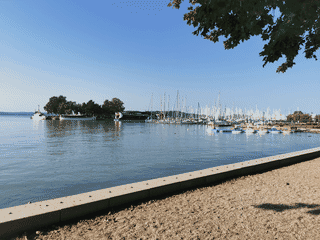
Balatonfüred
Hungary46.97°N 17.87°E · 104 m
94 places in the index.
46.97°N 17.87°E · 104 m
47.47°N 18.82°E
47.46°N 18.95°E
47.49°N 19.08°E · 117 m
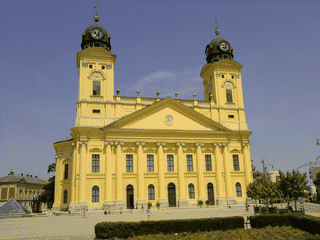
47.53°N 21.64°E · 121 m
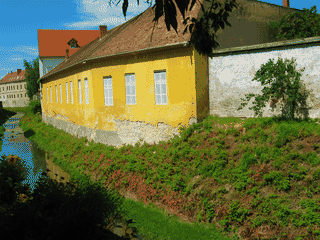
47.90°N 20.37°E · 165 m
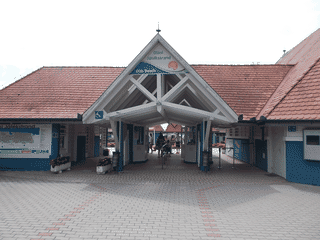
46.77°N 17.29°E
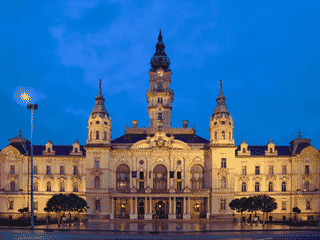
47.68°N 17.63°E · 108 m
46.78°N 17.18°E
47.95°N 22.32°E
48.10°N 20.79°E · 131 m
47.79°N 18.96°E
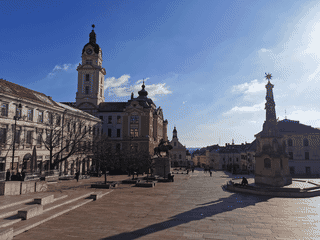
46.07°N 18.23°E · 153 m
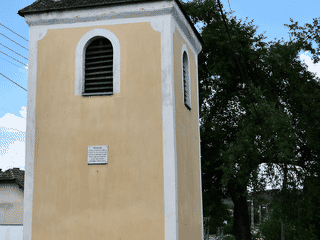
47.93°N 19.14°E
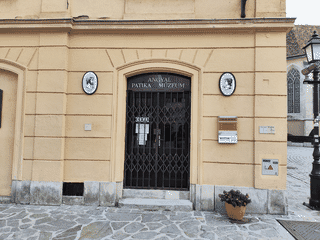
47.68°N 16.58°E · 217 m
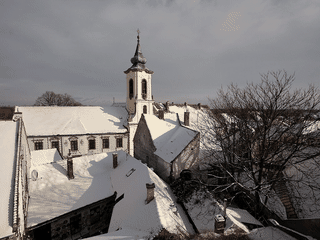
47.67°N 19.07°E · 110 m
47.83°N 19.03°E
47.78°N 18.97°E · 110 m
46.76°N 17.32°E
46.55°N 17.12°E
46.94°N 17.08°E
Baja is a compact Hungarian town where the Sugovica River meets the Danube, offering a peaceful counterpoint to Hungary's tourist-heavy cities. The town is renowned across Europe for its fish soup (halászlé) and hosts the famous Fisherman's Soup Boiling Festival each July.
Atlas entry
Balassagyarmat is a small Hungarian town in Nógrád county that serves as the cultural center of the region. The town lies on the left bank of the Ipoly river, which marks the state border with Slovakia, making it a practical stop for those exploring the Hungary-Slovakia border area.
Atlas entry
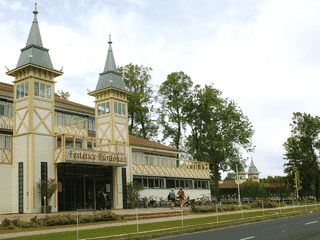
Balatonfüred is a lakeside resort with a refined atmosphere. Its setting on Lake Balaton suits a relaxed stay by the water.
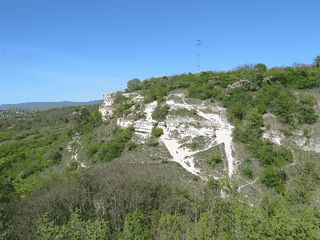
Biatorbágy is known for its railway viaduct in the Zsámbék Basin. The surrounding Buda Hills give a hilly setting to a stop between Budapest and western Hungary.
Atlas entry
Budaörs sits west of Budapest in a basin among the Buda Hills and Tétény Plateau. Its suburban setting places the capital and surrounding hills within reach.
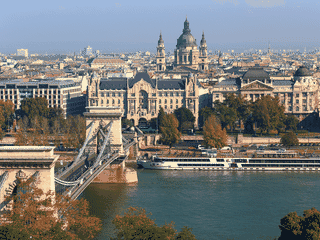
Budapest brings Castle Hill, the Chain Bridge and Parliament into a varied city visit. Thermal baths, riverside walks and Margaret Island add a relaxed side to the sightseeing.
Cegléd is a modest Hungarian city nicknamed "the gate of the Great Plain" (Alföld kapuja), located 70 km southeast of Budapest between the Duna and Tisza rivers. With a population of 35,000 in 2022, it offers a slower-paced alternative to the capital with significant Calvinist heritage—the biggest church in Central Europe, thermal baths with aquapark, and several niche museums including a Drum Museum and Stove Museum.
Atlas entry
Celldömölk is a small town in Vas County, western Hungary, serving as a transit point between Pápa and Sárvár. The town offers access to Ság Mountain, a 5-million-year-old basalt volcano with hiking trails and a museum, making it of interest to nature and geology enthusiasts.
Atlas entry
Atlas entry
Debrecen pairs the Great Church with a strong Protestant heritage. Its university atmosphere adds a lively side to a visit to the Great Hungarian Plain.
Dunakeszi is nicknamed the "Gate of Danube Bend" and serves as a convenient base for exploring the Danube Bend region north of Budapest. The town of 44,000 people sits on the eastern bank of the Danube, offering access to ferries connecting to Szentendre Island and the Slovakian border areas.
Atlas entry
Edelény serves as the gateway to the Bódva Valley, a rural region of Northern Hungary dotted with heritage museums, medieval churches, and castle ruins. The town's main draw is the L'Huillier-Coburg Palace, the seventh-largest palace in Hungary, rebuilt between 2009-2014 and now operating as a museum with guided tours.
Atlas entry
Eger combines a castle, historic buildings and thermal baths. Wine tasting in the Valley of the Beautiful Women adds a distinctive focus to a stay in Northern Hungary.
Encs is a modest Hungarian town in Northern Hungary that serves as a gateway to a cluster of historic villages in Borsod-Abaúj-Zemplén County. The area is notable for its collection of Baroque and Gothic churches, 18th-century manor houses, and quiet rural atmosphere.
Atlas entry
Érd lies southwest of Budapest with a minaret, Baroque churches and a museum devoted to Hungarian travelers. Its historic sights suit a day away from the capital.
Esztergom, the original capital of the Kingdom of Hungary, sits on the Danube Bend. It boasts Central Europe's largest basilica, a medieval castle, and a rich ecclesiastical heritage.
Atlas entry
Fertőd is best known for the Esterházy Palace, sometimes called the "Hungarian Versailles" – Hungary's grandest Rococo edifice. The town serves as a base for exploring the Fertö/Neusiedlersee Cultural Landscape, a UNESCO World Heritage site, and the well-developed bike paths that wind around Lake Neusiedl with hardly any traffic.
Atlas entry
Fonyód is a compact lakeside city on the southern shore of Lake Balaton, Hungary's largest lake. The town offers free public beaches, historic architecture including a beautifully preserved 1928 railway station, and panoramic views from Fonyód Hill over the lake and volcanic-topped northern hills.
Atlas entry
Füzesabony is a small railway town of 7,200 people on the northern edge of the Great Plain (Alföld), serving as a regional transport hub for both road and rail. Its main draw is the railway station, designed by renowned Hungarian architect Ferenc Pfaff.
Atlas entry
Gárdony is a small town next to Lake Velence (Velencei-tó), Hungary's third largest natural lake. It is primarily a summer destination where Hungarian families and budget travelers come for affordable lakeside recreation.
Atlas entry
Gödöllő's Grassalkovich Palace was a summer residence of Franz Josef and Queen Elizabeth, known as Sisi. The Baroque estate gives the city a strong focus on royal history.
Gönc is the northernmost town of Hungary, sitting close to the Slovakia border and 55 km south of Miskolc. The town has been inhabited since the Conquest of Hungary and was once a significant medieval market town and seat of Abaúj county from 1570 to 1647.
Atlas entry
Gyenesdiás combines Lake Balaton beaches with trails in the Keszthely Hills. Historic wine cellars add another reason to linger in this resort village.
Gyöngyös serves as the northern gateway to Mátra, Hungary's highest mountain range, and its surrounding wine region. The town offers Baroque and Art-Nouveau architecture around its main square, vineyard train rides into the hills, and access to Kékestető—Hungary's tallest peak at 1014 m.
Atlas entry
Győr pairs a compact Baroque center with riverside walks and café-lined squares. Its historic streets make a relaxed cultural stop in western Hungary.
Harkány is a medicinal spa town in Baranya County, southern Hungary, welcoming visitors since 1824. The town has approximately 3,400 permanent residents but swells significantly during summer.
Atlas entry
Hévíz centers on a natural thermal lake and its bathing traditions. The Berki Trail adds a walk through the lake's surrounding moorland.
Hollókő is a UNESCO World Heritage Site preserving a complete 18th-century Palóc village with original folk houses, craft shops, and a hilltop castle. The village has no through-traffic and can be explored in an hour, but the museums, Easter festival, and castle views reward slowing down.
Atlas entry
Hortobágy National Park is the first and largest national park in Hungary, established to preserve the unique puszta (Hungarian grassland steppe) ecosystem. As a UNESCO World Heritage Site, it offers a rare glimpse into traditional Hungarian pastoral life with its vast flat landscapes, wetlands, and native wildlife including buffaloes and egrets.
Atlas entry
Isaszeg is a quiet town of 11,000 people in the Gödöllő Hills of Pest County, best known for the decisive Battle of Isaszeg during the Hungarian Revolution of 1848. It offers a handful of modest churches, a local history museum, and several memorials commemorating Hungary's freedom struggle, making it a meaningful half-day excursion from Budapest.
Atlas entry
Jászberény is a small town and district capital in Hungary's Jász-Nagykun-Szolnok county. It serves as the cultural center of the historic Jász region, known for its Franciscan Our Lady Church, local museums, and thermal bath facilities.
Atlas entry
Kapuvár is a town of 10,000 people in Győr-Moson-Sopron County, known for its thermal water which some believe has hydrotherapeutic properties. The town serves as a district center and makes for a quiet rural stop between the larger cities of Győr and Sopron.
Atlas entry
Karcag is a traditional Hungarian market town serving as the administrative center of its district in the Lake Tisza region. The town is notable for its thermal swimming pool complex and serves as a gateway to Berekfürdő, a spa settlement with camping facilities on the shore of fishing lakes.
Atlas entry
Kazincbarcika is an industrial town created during Hungary's Socialist era, built to house workers for the Borsodi Vegyi Kombinát (now BorsodChem). While not a typical tourist destination, it serves as a practical base for exploring the Bükk Mountain region's scattered villages, each with their own historical churches, manor houses, and the world-famous Rudapithecus fossil site at Rudabánya.
Atlas entry
Kecskemét is the county seat of Bács-Kiskun, Hungary's largest county, positioned roughly equidistant between Budapest and Szeged at about 90 km from each. The city is celebrated for its striking Secessionist (Art Nouveau) architecture, earning it the nickname 'City of Art Nouveau.' It serves as the birthplace of composer Zoltán Kodály and hosts numerous museums including Hungary's only Photography Museum.
Atlas entry
Keszthely links its main square to Festetics Palace along a pedestrian shopping street. The compact center makes an easy setting for exploring on foot.
Kiskunfélegyháza offers a glimpse into rural Hungarian life without the tourist crowds of Budapest. The town is famous for Ligetős (main) street, which boasts Europe's longest row of plane trees, and for its historic churches dating back to the 18th century.
Atlas entry
Kiskunhalas is a provincial Hungarian city of 28,000 people that serves as a regional railway junction, offering a window into everyday Hungarian life away from tourist crowds. The town is famous for its traditional Halas lace (handmade since 1902), curative thermal baths rated as a health-resort since 2016, and the alkaline Kunfehértó lake popular with swimmers and fishermen.
Atlas entry
Kőszeg is a charming historic town in western Hungary, just 6 km from the Austrian border. Often called the "jewellery box of the country," it rivals nearby Sopron in beauty but sees far fewer tourists.
Atlas entry
Lenti is a small Hungarian town in Zala County, sitting in the Kerka river valley just 8 km from the Slovenian border. The town was granted city status in 1978 and offers thermal spa facilities, historic churches, and proximity to the narrow-gauge forest railway at Csömödér.
Atlas entry
Letenye is a small border town in Zala County, Hungary, first mentioned in 1341 and high to town status in 1989. It serves as a crossing point into Croatia via Motorway M7 and M70.
Atlas entry
Lillafüred is a small resort town tucked into a forested valley where three streams converge, just 20 minutes from Miskolc. The star attraction is the Palace Hotel (Palotaszálló), a neo-Renaissance castle built between 1927-1930 on the banks of Lake Hámori.
Atlas entry
Marcali sits at the southern edge of Hungary's Lake Balaton holiday region, offering a quieter alternative to busier lakeside towns. The town's main draw is its modern City Spa and Leisure Center, a thermal water park opened in 2010 that attracts visitors seeking relaxation and aquatic activities.
Atlas entry
Martonvásár is a small Hungarian town with a grand cultural legacy tied to the Brunszvik family, who hosted Ludwig van Beethoven in 1800. The Brunszvik Palace complex houses the Beethoven Memorial Museum and Agroversum Science Adventure Center, making it a unique destination for history and music enthusiasts seeking an escape from Budapest.
Atlas entry
Mátészalka mixes late nineteenth-century houses with a center shaped by the socialist era. Walk Kossuth Lajos street for a view of its older bourgeois and Jewish architecture.
Mezőkövesd is a small Hungarian town in Northern Hungary famous for its Matyó culture and folk traditions. The town is known for its distinctive hand-embroidered textiles, traditional folk art, and the historic Hadas district with 19th-century cottages.
Atlas entry
Miskolc combines Diósgyőr Castle with the cave-bathing heritage of Miskolctapolca. The castle's Knight's Hall adds a medieval focus to a visit.
Mosonmagyaróvár draws thousands of dental tourists weekly seeking quality dental care at a fraction of Western European prices, with approximately 150 clinics employing 350 dentists in this city of 30,000 residents. The city sits strategically about 15 km from both Austrian and Slovakian borders, making it a practical transit stop or side trip from Vienna or Bratislava.
Atlas entry
Nagykanizsa is a practical stop in the Somogy-Zala hills near the Croatian and Slovenian borders. Its Ottoman-era history adds interest to a stay along routes between western Hungary and the Adriatic.
Nagymaros sits beside the Danube opposite Visegrád. Its quieter atmosphere makes a relaxed base for exploring the Danube Bend.
Nyíregyháza's Sóstó district brings together an open-air museum, a swimming lake, thermal baths and a zoo. The city also works as a stop between Budapest and eastern destinations.
Ózd is an industrial town in Borsod-Abaúj-Zemplén County, from Miskolc. The area formed from the historic villages of Ózd, Bolyok, and Sajóvárkony during Hungary's socialist industrialization era.
Atlas entry
Pacsa is a small town in Zala County first mentioned in 1256 and high to town status in 2009. The town and its surrounding countryside are dotted with old churches, pilgrimage sites, and historical landmarks dating from the 15th to 18th centuries.
Atlas entry
Pannonhalma draws visitors to its millenary Benedictine Archabbey, founded in 996 and recognized as a UNESCO World Heritage Site. The white abbey complex includes a 13th-century crypt, cloisters, refectory, library, winery, and a Benedictine school still in operation.
Atlas entry
Pápa is a baroque town of 30,000 residents in western Veszprém County, Hungary, lying at the foot of the Bakony hills. The town boasts 13 churches, the famous Esterházy Palace, the Museum of Blue Dyeing, and the nearly 500-year-old Reformed College with Petőfi and Jókai memoirs.
Atlas entry
Pécs is a university town in southwest Hungary. Roman ruins, medieval churches, Ottoman mosques and Art Nouveau ceramics give it a layered historic character.
Pétervására is a sleepy district capital of 2,000 people in the Tarna Valley. Its main appeal is Keglevich Castle, a U-shaped baroque manor built in 1760 for Gábor Keglevich, now housing a vocational school.
Atlas entry
Pilisvörösvár sits 18 km northwest of Budapest in the Danube Bend region, offering a quieter alternative to the tourist-heavy Danube towns. The town preserves one of Hungary's largest German minority communities (approximately 28% of residents), giving it distinct Swabian cultural heritage with traditional festivals and cuisine.
Atlas entry
Pomáz serves as the main entrance to the Pilis Mountains, Hungary's only true volcanic mountain range. The town of 16,000 inhabitants sits in the Dera-stream valley, making it a practical base for hikers and nature lovers seeking escape from Budapest.
Atlas entry
Putnok is a small Hungarian town in Borsod-Abaúj-Zemplén County, situated 40 km from Miskolc between the Bükk Mountains and the river Sajó. The town itself has modest attractions including the Classicist Serényi Mansion and Trinity Church, but its real value lies as a gateway to the Aggtelek Karst, a UNESCO World Heritage Site spanning into Slovakia.
Atlas entry
Ráckeve is a small town on the southern end of Csepel Island, about 40 km south of Budapest, offering a tranquil Danube-side escape with significant historical character. The town is notable for its Serbian Orthodox heritage, featuring the only standing Gothic Serbian Orthodox church in Hungary and Central Europe, dating to 1487.
Atlas entry
Rétság is a small base for exploring the Börzsöny mountains and nearby castle ruins. Surrounding villages add Slovak heritage to a trip through the region.
Salgótarján is the county seat and largest city in Nógrád county, Hungary. Once a small mining town, the city was built in a very modern communist style, leaving much to be desired in terms of classical architecture.
Atlas entry
Sárospatak (often called simply Patak) is a small historic town in the Bodrog river valley, 70 km northeast of Miskolc. It gained town status in 1201 and was an important stop on the medieval trade route to Poland.
Atlas entry
Sátoraljaújhely is a historic border town in Borsod-Abaúj-Zemplén County, 82 km east of Miskolc. The town preserves a rich cultural legacy including Baroque architecture, the former home of Ferenc Kazinczy (Hungarian language reformer), and a significant 19th-century Jewish community of 4,500 residents.
Atlas entry
Siófok is the undisputed party capital of Hungary, a lakeside town where the population swells from 35,000 to over 200,000 every summer weekend. The 15-km lakeshore alternates between thumping beach clubs with live concerts and quieter family strands for those needing a break from the non-stop party scene.
Atlas entry
Sopron is a bilingual city near the Austrian border. Its appeal combines history with local wine culture.
Sümeg is a small historic town in Veszprém County, Hungary, best known for its well-preserved 13th-century castle perched atop a 270-m limestone hill. The castle, one of Hungary's best maintained, offers panoramic views and occasional historical reenactments.
Atlas entry
Százhalombatta is a quiet Danube-side town 27 km southwest of Budapest, best known for its Matrica Museum and Bronze Age archaeological park. The town's name literally means 'One hundred tumuli' referring to the ancient burial mounds at its edge.
Atlas entry
Szécsény is a quiet Hungarian town in Nógrád County that serves as a gateway to the UNESCO-listed Hollókő village. The town preserves Baroque-era architecture including a 19th-century fire tower and historic Forgách Palace, making it appealing for travelers interested in Hungarian rural heritage away from tourist crowds.
Atlas entry
Szeged is Hungary's third-largest city and self-proclaimed "City of Sunshine" with the most sunny days in the country. Rebuilt entirely after the devastating flood of 1879, it now boasts sweeping boulevards, ornate Art Nouveau palaces, and the imposing Votive Church—Hungary's fourth-largest cathedral.
Atlas entry
Székesfehérvár (Latin Alba Regia) was Hungary's medieval capital and the royal seat of King Saint Stephen, the nation's first Christian ruler. The city served as coronation site for 15 Hungarian kings and their burial place from 1038 to 1543.
Atlas entry
Szentendre's houses and churches reflect the Serbian refugees who settled here. Its artist community fills the town with small galleries.
Szigetszentmiklós offers a quieter, suburban alternative to Budapest for those seeking green space and local Hungarian culture. It is popular among Budapest residents relocating for more room, giving the city a garden-town character with residential neighborhoods and nature areas along the Danube.
Atlas entry
Szob is a small border town in Hungary's Danube Bend region, offering access to the scenic Börzsöny mountain range and its network of historic narrow-gauge railways. The town serves as a practical stop for hikers exploring Csóványos (the range's highest peak at 938m) and those seeking quieter alternatives to more touristy Danube Bend towns.
Atlas entry
Szolnok stands where the Tisza and Zagyva meet on the Great Hungarian Plain. The rivers give this regional city a natural focus for a stop in eastern Hungary.
Szombathely is the administrative center of Vas county in western Hungary, lying just 20 km north of the Austrian border. The city was the Roman Savaria and retains the Iseum Savariense, ruins of a shrine to goddess Isis.
Atlas entry
Tapolca is a small Hungarian town serving as a quiet gateway to Lake Balaton's northern wine country. The main draw is the Cave Bath (Barlangfürdő), built into volcanic basalt caves, along with the scenic Mill Pond (Malom-tó) and nearby basalt hills perfect for short hikes.
Atlas entry
Tiszafüred is a small Hungarian town on the southern shore of Lake Tisza, serving as a gateway to both the lake and the nearby Hortobágy National Park. The town offers water skiing, bush walking, thermal baths, and a scenic biking bridge over the Tisza River.
Atlas entry
Tokaj is one of the world's oldest wine regions, producing the legendary Tokaji Aszú since the 16th century. The sweet desert wines, made from grapes affected by noble rot (botrytis cinerea), are unlike anything else on earth.
Atlas entry
Törökbálint serves as a peaceful suburban escape just 15 km west of Budapest, offering Baroque architecture from Jesuit origins and a calm atmosphere. The town is named after Hungarian landlord and aristocrat Bálint Török, and features the historic Tükörhegy (Mirror Hill/Spiegelberg) area, once an orchard now largely built up.
Atlas entry
Vác is a Baroque town on the Danube Bend. Its relaxed atmosphere suits a slower stop along the river.
Várpalota is a small industrial town of 19,000 people in Veszprém County, primarily notable as a transport junction between Székesfehérvár and Veszprém. The main attraction is Thury Castle, which houses the Museum of Chemistry and a collection on coal mining heritage.
Atlas entry
Verőce is a Danube Bend village with a river port and rail access. A public river beach and the nearby Börzsöny mountains make it a base for time outdoors.
Veszprém is one of Hungary's oldest cities, founded in 1009 as the country's first episcopal seat. The city sits on Castle Hill with baroque architecture, historic churches dating to the 10th century, and multiple museums.
Atlas entry
Visegrád is a compact castle town on the Danube Bend. Its medieval citadel and Renaissance Royal Palace make royal history the focus of a visit.
Vonyarcvashegy is a West Balaton resort village with roots in fishing and wine growing. Its bathing traditions add a lakeside focus to a stay in the region.
Záhony is a small Hungarian border town functioning primarily as a crossing point into Ukraine. For backpackers heading east, it serves as a practical gateway, though the town itself offers minimal attractions.
Atlas entry
Zalaegerszeg combines Baroque and Art Nouveau architecture with thermal-bath attractions. The Göcsej Village Museum introduces the rural traditions of western Hungary.
Zalakaros is a quiet spa town focused on thermal wellness. Build a relaxed visit around its bathing culture and unhurried atmosphere.
Zalalövő is a small town in Zala County in the valley of the Zala river, high to town status in 2000. It serves as a quiet base for exploring western Hungary, with access to thermal baths at nearby Lenti and equestrian festivals in the region.
Atlas entry
Zalaszentgrót is a small spa town in Zala County. The Szent Gróth Thermal Bath gives visitors a focus for a relaxing stay.
Zsámbék is a small historic town in Pest County, 30 km west of Budapest, offering a quiet escape from the capital. The main draw is the dramatic ruins of the Premonstratensian monastery and church, a Romanesque basilica begun in 1220 and destroyed by an earthquake in 1763.
Atlas entry
In development: the whole atlas offline, a trip planner and a private journal. We'll post here when it ships. No newsletter to join.

_(1).jpg)
_(14995308504).jpg)

_04.jpg)


.jpg)


.jpg)
