Vác
Eastern Europe and the Balkans · Hungary
Did you know?
- Memento Mori explores naturally mummified remains and decorated coffins.
- The cathedral combines Baroque and neoclassical architecture.
- The chocolate café on the main square makes hot chocolate with real chocolate.
See also
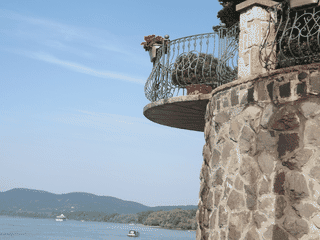

Verőce
Hungary47.83°N 19.03°E
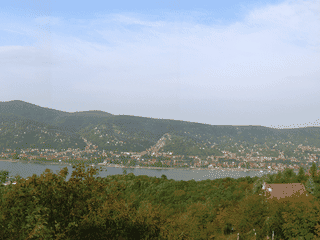

Visegrád
Hungary47.78°N 18.97°E · 110 m
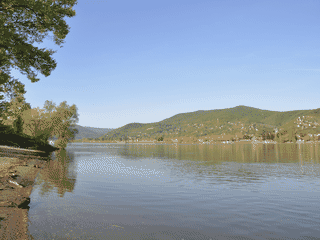

Nagymaros
Hungary47.79°N 18.96°E
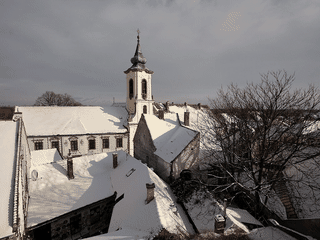

Szentendre
Hungary47.67°N 19.07°E · 110 m

Rétság
Hungary47.93°N 19.14°E
Overview
Vác is a Baroque town on the Danube Bend. Its relaxed atmosphere suits a slower stop along the river.
Languages: Hungarian
Why Go
Vác is a lesser-visited baroque town on the Danube Bend, offering a more relaxed alternative to crowded Szentendre or Visegrád. The town is defined by its grand Cathedral, ornate churches on Március 15. tér square, and the unique Memento Mori exhibition where naturally mummified corpses can be viewed in the Dominican church crypt. Walking along the Danube waterfront promenade provides pleasant views and people-watching opportunities away from tourist crowds.
Adapted from Wikivoyage contributors · CC BY-SA 4.0
Getting In
Vác is easily reached by MÁV commuter trains from Budapest Nyugati station. The faster route via Göd takes 42 minutes and costs Ft 640 (Ft 550 with a Budapest travelcard), running 2 trains per hour. The slower route via Fót takes 85 minutes at Ft 915 (Ft 735 with travelcard)—ignore these trains. Semi-fast and express trains from Budapest Nyugati also serve Vác in just 20-30 minutes at the same Ft 640 fare. International Euro City and Euro Night trains heading to Warsaw, Prague, Berlin, and Hamburg stop at Vác station. Regional buses depart from Vác Bus Station (Szent István tér 4), serving Budapest and Danube Bend settlements. Car ferries from Tahitótfalu dock at the Vác ferry pier (Ft 420 per adult, Ft 1500 per car, Ft 420 per bike), departing hourly from 06:00-20:00.
Adapted from Wikivoyage contributors · CC BY-SA 4.0
Getting Around
All major attractions in Vác are within a 10-minute walk from the train station along Széchenyi utca to Március 15. tér. No public transportation is needed to reach the main square, Cathedral, museums, and riverside promenade. A city bus network map (PDF) is available for those needing to reach areas further from the center.
Adapted from Wikivoyage contributors · CC BY-SA 4.0
When To Go
Vác can be visited year-round, though spring and early autumn offer the most comfortable weather for walking the town and along the Danube. Winter months bring fewer tourists but shorter daylight hours limit sightseeing time. Summer weekends can see local visitors enjoying the riverside promenade and nearby Börzsöny hiking trails. The nearby Nagy-Hideg hill ski resort offers winter activities north of Vác.
Adapted from Wikivoyage contributors · CC BY-SA 4.0
Where To Stay
Accommodation options in Vác include Csillag Panzió northwest of the center (approx. 2 km), offering rooms at €25-35 per night. For more comfort, Camelot Club Hotel is located 7 km northwest between Vác and Verőce on road #12, with rates of €35-85 per night including restaurant facilities. Most visitors choose to stay in Budapest and visit Vác as a day trip.
Adapted from Wikivoyage contributors · CC BY-SA 4.0
Food And Drink
Desszert Szalon (Köztársaság út 21) is a tiny café worth visiting for creative desserts at around €2, located a short walk from the main square and considered among the tastiest in Hungary. Choco Cafe Váci Csokizó on Március 15. tér serves hot chocolates made with real chocolate, coffee specialties, and a wide tea selection. The Tragor Ignác Museum's Wine Museum (Váci Curia Winehouse) offers wine tastings and history exhibitions on Hungarian viticulture.
Adapted from Wikivoyage contributors · CC BY-SA 4.0
Things To Do
The primary waterside promenade (Duna-korzó) along József Attila, Liszt Ferenc, and Ady Endre sétány is the most worthwhile activity, offering Danube views and local atmosphere. Vác's Cathedral (Váci székesegyház, Konstantin tér 11) defines the town with baroque and neoclassical architecture, visitable during mass or by prior arrangement. The Memento Mori exhibition in the Dominican church crypt displays 262 naturally mummified corpses and decorated coffins—unique in Central Europe. The Diocesan Museum (Március 15. tér 4) houses church arts and relics in a frescoed palace with millennial history exhibits. The Triumphal Arch (Diadalív) built in 1764 is Hungary's only surviving arch of its kind, welcoming Empress Maria Theresa at the former town boundary. Sports and music pavilions, rose gardens, and post park offer quieter relaxation opportunities.
Adapted from Wikivoyage contributors · CC BY-SA 4.0
Safety
Vác is a generally safe Hungarian town. Standard urban precautions apply: watch for traffic when crossing streets, secure valuables in crowded areas, and be aware of pickpockets on public transport. The town prison (Köztársaság út 62-64) still functions as a working facility with guard towers; visitors should observe from a respectful distance near the memorial.
Adapted from Wikivoyage contributors · CC BY-SA 4.0
Connectivity
Standard European mobile coverage applies in Vác with Hungarian carriers (Telekom, Telenor, Vodafone). WiFi is available at OTP Bank (Széchenyi István utca 3) and at the Tourist Information Center's EU-information point. Power outlets use standard European Type C/F (230V, 50Hz).
Adapted from Wikivoyage contributors · CC BY-SA 4.0
Budget
Vác is affordable for day trippers. Train from Budapest costs Ft 640 (€42 min express), local meals run Ft 1500-3000, desserts at Desszert Szalon around €2. Museum admissions are generally modest; the Triumphal Arch is free. A comfortable day trip budget from Budapest would be Ft 3000-5000 for transport, food, and minor admissions.
Adapted from Wikivoyage contributors · CC BY-SA 4.0
Day Trips
Börzsöny and Danube-Ipoly National Park north of Vác offer extensive hiking routes through beautiful forests, with Nagy-Hideg hill ski resort operating in winter. Vácrátot (11 km north) contains one of Hungary's best botanical gardens at the Vigyázó Castle manor. The Caves of Naszály Mountain provide underground exploration opportunities.
Adapted from Wikivoyage contributors · CC BY-SA 4.0
Go Next
From Vác, continue north along the Danube Bend to Visegrád (take ferry then bus), a former royal city with castle and citadel ruins. Esztergom (ferry then bus) houses Central Europe's largest basilica. Szentendre (accessible via bus or boat) is the artsy Danube Bend town famous for museums and Serbian Orthodox church. Return to Budapest by train, boat, or bus for the 30-40 minute journey south. Fót, home to a major cathedral, is on the slower train route via Fót.
Adapted from Wikivoyage contributors · CC BY-SA 4.0
Field guide adapted from Wikivoyage contributors · CC BY-SA 4.0. Text has been adapted and organized for this guide. About our sources.
Places to know
A few starting points from the guide. Check current hours and prices before you go.
- eat
Choco Cafe Váci Csokizó
Unique Chocolaterie on main square. Hot chocolates made of real chocolate (worth to try.), coffee specialties, wide tea selection. Classic equipment, friendly atmosphere.
Adapted from Wikivoyage contributors
- eat
Desszert Szalon
This tiny cafe has probably the tastiest, most creative and simply beautiful desserts in Hungary. This place is a reason in itself to make the 30-minute trip from Budapest to Vác. Outstanding.
Recorded price: €2
Adapted from Wikivoyage contributors
- see
Apor Vilmos Catholic College building, former seminary
Adapted from Wikivoyage contributors
- see
Art Collections of Vac, Pannonia House
cast iron exhibition, book binding works collection and works of sugar monumental buildings of Bela Haraszti.
Adapted from Wikivoyage contributors
- see
Bishop's Palace
This is a historic building, built between 1768 and 1775. The garden of the palace is a preserved botanical garden of national importance.
Adapted from Wikivoyage contributors
- see
Bishop's and Collegiate's Archives of Vác
Adapted from Wikivoyage contributors
- see
Calvary
Adapted from Wikivoyage contributors
- see
Cathedral
Vác's cathedral on is the building that defines the town. It was begun in baroque style but completed in Neoclassical. It can only be visited during mass or by prior arrangement for tourists, so you may just have to stand outside, admiring its massive columns and statues.
Adapted from Wikivoyage contributors
Before you go
Connectivity
Standard European mobile coverage (Telekom, Telenor, Vodafone). WiFi at banks and Tourist Information Center. Type C/F power outlets (230V/50Hz).
Language
Hungarian is the official language. English is limited outside tourist areas and the Tourist Information Center.
Money
Hungarian Forint (HUF/Ft) is the local currency. ATMs available 24/7 at OTP Bank and Raiffeisen Bank in the center. Credit cards accepted at most hotels and larger restaurants.
Safety
Generally safe town with standard urban precautions. Working prison with memorial is visible from street.
Transport
MÁV trains from Budapest Nyugati station run 2/hour via Göd (42 min, Ft 640). Express trains take 20-30 min. Regional buses depart from Vác Bus Station. Car ferry to Tahitótfalu runs hourly.