.jpg)
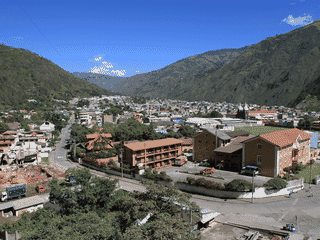
Baños
Ecuador1.40°S 78.42°W · 1,820 m
54 places in the index.
1.40°S 78.42°W · 1,820 m
2.18°S 79.88°W · 4 m
0.25°S 78.58°W · 2,850 m
Agua Blanca is a very calm village near Puerto Lopez, part of Parque Nacional Machalilla. The Catholic community manages tourism communally.
Atlas entry
Alausí is a village in the Andean Highlands of Ecuador. It is the closest station to the train ride Naríz del Diablo (Devil's Nose).
Atlas entry
Ambato is an important industrial hub in Ecuador's central Andean Highlands. Most tourists use it as a stopover on their way to Baños, one of Ecuador's most popular tourist destinations.
Atlas entry
Atacames is a typical Afro-Ecuadorian town on Ecuador's Pacific coast, southeast of Esmeraldas city. It offers hot Caribbean rhythms, fish specialties like ceviche, cheerful inhabitants, and a large 5 km beach with surfing possibilities.
Atlas entry
Babahoyo is the capital of Los Ríos Province in Ecuador. It is a riverfront town with old traditional houses along the river, notable for its Parque 24 de Mayo gardens and the main cathedral with a mosaic mural of the Virgin Mary.
Atlas entry
Baeza is a quiet canton seat in Ecuador's Andean Highlands, home to the Quijos-Quichua indigenous people since its 1559 founding. Its strategic location at The Y fork between routes to Lago Agrio/Coca and Tena makes it a practical transit hub for travelers navigating between the highlands and Amazon lowlands.
Atlas entry
Bahía de Caráquez is a quiet resort town on Ecuador's Pacific coast, ideal for travelers seeking a laid-back beach atmosphere without the weekend crowds that flock to nearby Canoa. The town sits on a peninsula between the Chone River and the Pacific Ocean, offering bird watching on Isla Corazón, paragliding near Canoa's cliffs, surfing, and numerous volunteer opportunities.
Atlas entry
Baños sits beneath Tungurahua and is known for its hydrothermal springs. Waterfalls and outdoor activities in the Pastaza valley make it a base for active trips.
Canoa is a relaxed fishing village on the Pacific coast of Manabí. Its long beach draws travelers for surfing and slow days beside the ocean.
The park draws mountaineering visitors to several mountain peaks, most notably Volcan Cayambe, which at 5,790 meters is the third highest peak in Ecuador and the highest point on the equator. The park offers exceptional opportunities for trekking through paramo landscapes, birdwatching in cloud forests, and exploring Amazon jungle all within a single protected area.
Atlas entry
Chugchilan is a small Andean village nestled in the heart of Ecuador's Quilotoa Loop, making it an ideal base for hikers and nature enthusiasts. The village sits at elevations ranging from 8,500 to 12,800 feet (2,600 to 3,800 meters), offering dramatic high-altitude landscapes with cloud forests and volcanic terrain.
Atlas entry
Cotopaxi is one of the highest active volcanoes on earth at nearly 5,900 m (19,400 ft), offering dramatic Andean scenery with perpetual snow above 4,500 m. The national park provides accessible high-altitude trekking and climbing experiences within 50 km of Quito, making it Ecuador's most popular volcanic park for adventure travelers seeking altitude acclimatization and alpine exploration.
Atlas entry
Cuenca is a colonial city in Ecuador's southern highlands. Its UNESCO-listed historic center combines old architecture with flowers, trees and rushing waterways.
Atlas entry
Esmeraldas is a working Pacific port with a beach scene geared largely toward domestic travelers. Seafood and access to nearby fishing villages and mangrove habitats are key draws.
Fernandina Island is the largest pristine island in the Galapagos archipelago, with no introduced species. It is the youngest island, home to the active La Cumbre volcano which last erupted in January 2020.
Atlas entry
Floreana is one of the most historically layered islands in the Galapagos, with pirate caves, 18th-century whaler shelters, and the odd 1930s mystery story chronicled in A Galapagos Affair. With only about 100 residents in the town of Puerto Velasco Ibarra, it offers a raw, frontier feel that larger islands like Santa Cruz cannot match.
Atlas entry
Guamote is a small indigenous community of about 3,000 people in Ecuador's Andean highlands, situated halfway along the Avenue of the Volcanoes. The village offers an authentic glimpse into Kichwa indigenous culture, most notably through its Thursday market, considered one of the most important indigenous markets in Ecuador.
Atlas entry
Guano is a small, quaint town in a valley near Riobamba.
Atlas entry
Guaranda offers a quiet highland stop with a colonial atmosphere. Local traditions give travelers reasons to linger beyond a quick walk through town.
Guayaquil's riverfront pairs the Malecón Simón Bolívar with the colorful colonial streets of Las Peñas. Parks and museums add iguanas, archaeology and colonial art to a city visit.
Huaquillas exists as one of the primary border crossing points between Ecuador and Peru. While the town itself is described as dirty, noisy, and busy with little appeal for sightseeing, it serves as an essential transit stop for budget travelers moving between the two countries.
Atlas entry
Ibarra is a colonial city of 100,000 inhabitants and the capital of Imbabura province, positioned halfway to the Ecuador-Colombia border at Tulcán. It preserves much of its colonial architecture in the city center with clean, picturesque plazas, offering a quieter alternative for those visiting Otavalo's markets while remaining a short 30-minute bus ride away.
Atlas entry
Isabela is the largest of the Galapagos Islands, comprising six volcanoes and covering 4,585 square km—larger than all other islands combined. Its highest point on Wolf Volcano rises 1,700 m above sea level.
Atlas entry
Laguna Quilotoa is a volcanic crater lake framed by highland mountain scenery. The small village beside it offers basic accommodation run by local indigenous residents.
Latacunga is a compact highland base for exploring Cotopaxi. It also serves as a gateway to the Quilotoa Loop trekking circuit.
Limoncocha National Biological Reserve protects the Limoncocha lagoon and smaller Yanacocha lagoon, surrounded by wetlands, swamp areas, and tropical rainforest. The reserve hosts over 347 species of birds, making it a premier bird watching destination in Ecuador's Amazon.
Atlas entry
Machala is one of the largest cities in Ecuador's Coastal Lowlands, known internationally as the 'banana capital of the world' for its central role in exporting Ecuador's bananas. It's recognized as one of the most modern cities in the country.
Atlas entry
Machalilla National Park is one of Ecuador's largest coastal protected areas, spanning over 75,000 hectares along the Pacific coast. The park offers a rare combination of pristine beaches, excellent snorkeling and diving at Isla de la Plata, and archaeological sites showcasing six pre-Colombian cultures at Agua Blanca.
Atlas entry
Manta combines a working fishing port with seafood restaurants and a waterfront promenade. The city is also a base for Pacific beaches and the nearby craft town of Montecristi.
Mindo is a walkable cloud-forest town with birdwatching at the center of a visit. Butterfly farms, chocolate tours and canopy ziplines provide other ways to spend time here.
Mompiche is a sleepy fishing town on Ecuador's Pacific coast in Esmeraldas province, once a hidden gem that has recently been discovered by tourists. Despite growing hotel and restaurant numbers, it maintains a tranquil vibe perfect for travelers seeking to chill out, surf, and watch sunsets over the bay.
Atlas entry
Montañita grew from a fishing village into a beach town centered on surfing. Nightlife and a mix of international visitors shape its lively atmosphere.
Montecristi is a small town famous for producing the finest Panama hats in Ecuador. Though the hats are incorrectly named after Panama, the town has earned the right to that title through centuries of craftsmanship.
Atlas entry
Nuevo Rocafuerte is a shabby frontier townlet on the Rio Napo near the Peruvian border, accessible only by an 8-hour boat ride from Coca. Despite its unappealing appearance, it offers access to Parque Nacional Yasuni, one of the last larger areas of primary Amazonian rainforest.
Atlas entry
Otavalo draws visitors to the Saturday Mercado Artesanal at Plaza de Ponchos. Its stalls bring together woven textiles, jewelry, wood carvings and handicrafts from across the region.
Puerto López is a coastal base for Isla de la Plata trips and visits to Machalilla National Park. Its promenade and tour pier keep the waterfront at the center of a stay.
Pululahua Geobotanical Reserve protects a settled volcanic crater near Quito. Trails link open highland views with humid cloud forest inside the caldera.
Puyo serves as the gateway to Ecuador's Amazon region, offering a quieter, more authentic alternative to busier destinations. The city provides access to indigenous community tourism projects, jungle excursions, and numerous waterfalls without the tourist crowds of nearby Baños.
Atlas entry
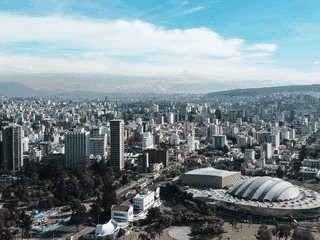
Quito's Old Town invites exploration of colonial architecture, plazas and churches such as San Francisco and La Compañía de Jesus. The TelefériQo climbs above the city for wide views.
Riobamba has a quiet atmosphere and serves as a base for outdoor trips. Chimborazo climbs and Sangay National Park's volcanic landscapes are key draws.
Salinas is Ecuador's premier Pacific beach destination, just 2-3 hours from Guayaquil. The city draws Ecuadorians and foreign tourists with its Malecon promenade, sandy beaches, fresh seafood at low prices, and growing nightlife scene.
Atlas entry
Salinas de Guaranda is a small highland town famous for its premium Salinerito cheese, considered Ecuador's best. The area features distinctive salt formations from historical mining, traditional wool spinning and dye mills, and a thriving sweets industry.
Atlas entry
San Cristobal combines sea-lion colonies, a freshwater lake and snorkeling trips. In Puerto Baquerizo Moreno, wildlife shares the malecón with the town's everyday life.
San Luis de Pambil is a tiny, laidback agricultural town serving as the main access point to the spectacular Piedra Blanca rainforest valley in Bolivar Province. This off-the-beaten-path destination rewards visitors with virgin rainforest, waterfalls, ancient stone inscriptions, and community-run ecotourism projects that offer alternatives to logging.
Atlas entry
San Miguel is a small afro-Ecuadorian community in Esmeraldas Province serving as one of the bases for the Cotacachi-Cayapas Ecological Reserve, designated one of the top 10 biodiversity hotspots in the world. The local community runs an ecotourism project to help preserve the environment while offering visitors a chance to experience pristine rain forest, river ecosystems, and Afro-Ecuadorian and Chachi indigenous culture.
Atlas entry
Santa Cruz is an onshore base for exploring the Galápagos, centered on Puerto Ayora. The town brings together hotels, restaurants, shops and practical services for independent travelers.
Santiago de Bolivar is a quiet colonial town nestled in Ecuador's Central Andes, offering a genuine slice of Andean life without the tourist infrastructure of larger cities. The town serves as a gateway to the 'Route of the Saints' — a series of settlements founded by Spanish conquistadors over 500 years ago, including San Lorenzo, San Simon, San Vicente, and San Jose de Chimbo.
Atlas entry
Tababela exists primarily as an airport layover town for the Aeropuerto Internacional Mariscal Sucre, which opened in 2013 to serve Quito. The airport sits about 90 minutes from central Quito by bus with no stops, making Tababela's proximity invaluable for travelers with extremely early or late flights.
Atlas entry
Tena is a quiet Amazon town used as a base for rainforest trips. Rafting and kayaking on nearby rivers are major draws for visitors.
Tulcán is Ecuador's principal border crossing into Colombia, making it a necessary stop for overland travelers between the two countries. The city is famous worldwide for its extraordinary cemetery (Cementerio de Tulcán), which features what many consider the most elaborate topiary sculpture collection on the planet.
Atlas entry
Vilcabamba is a mountain base surrounded by forest and cloud forest. Trekking, birdwatching and access to Podocarpus National Park shape a stay here.
Yasuni National Park is the most biodiverse place on Earth, where thousands of species concentrate in an area along the equator where the Andes mountains give way to the Amazon basin. Naturalists find 121 reptile species, 382 to over 500 fish species, 596 bird species, 117 bat species, and more than 100,000 insect species.
Atlas entry
Zamora is a small colonial city of about 16,000 inhabitants in southeastern Ecuador, serving as the capital of Zamora Chinchipe province. Located at 970 m elevation in the Andean foothills at the confluence of the Zamora, Bombuscaro, and Jamboé rivers, it offers a quieter, less touristy alternative to larger Ecuadorian cities.
Atlas entry
In development: the whole atlas offline, a trip planner and a private journal. We'll post here when it ships. No newsletter to join.

