Latacunga
South America · Ecuador
Did you know?
- The colonial cathedral is built from pumice stone.
- The Quilotoa Loop leads toward a crater lake and the highland village of Zumbahua.
- Chugchucaras combines fried pork with hominy, plantains, empanadas and popcorn.
See also
.jpg)
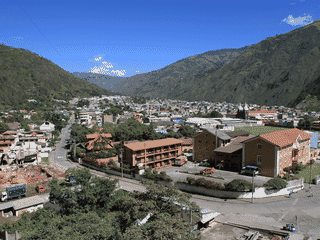
Baños
Ecuador1.40°S 78.42°W · 1,820 m
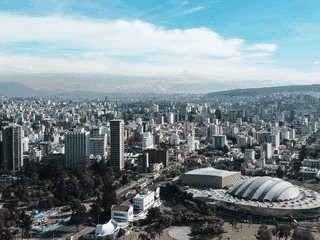

Quito
Ecuador0.25°S 78.58°W · 2,850 m
Laguna Quilotoa
Ecuador0.86°S 78.90°W · 3,800 m
Overview
Latacunga is a compact highland base for exploring Cotopaxi. It also serves as a gateway to the Quilotoa Loop trekking circuit.
Languages: Spanish
Why go?
Latacunga is a compact highland city serving as the practical gateway to Cotopaxi, Ecuador's most iconic volcano, and the Quilotoa Loop trekking circuit. Compared to Quito, it offers cheaper organized mountaineering expeditions and easier access to这两个地区. The city itself has a modest colonial center anchored by a 17th-century cathedral built from pumice stone.
Adapted from Wikivoyage contributors · CC BY-SA 4.0
Getting in
The Cotopaxi International Airport near Latacunga currently has no commercial air service following TAME airline's closure. Most travelers arrive by bus from Quito (2-3 hours, approximately $3-5), with frequent departures from the Terminal Terrestre in Quito. Buses to Riobamba and Baños also connect through Latacunga.
Adapted from Wikivoyage contributors · CC BY-SA 4.0
Get around
Latacunga center is small and easily navigable on foot—expect a 10-minute walk from the city center to the bus terminal. The compact colonial grid makes exploring the main plaza, cathedral, and Mercado Cerrado straightforward without transport. Taxis are available for longer distances but rarely needed for the city center.
Adapted from Wikivoyage contributors · CC BY-SA 4.0
When to go
The dry season (June-September) offers the best conditions for Cotopaxi climbs and Quilotoa treks, with clearer skies and safer trails. The wet season (October-May) brings cheaper accommodation but muddy paths and reduced visibility on volcano summits. Sunday markets draw locals and can be crowded.
Adapted from Wikivoyage contributors · CC BY-SA 4.0
Where to stay
Budget travelers can find dormitory beds at Hostal Tiana (around $10.50) near the cathedral, while Hotel Rosim offers doubles from $10 with helpful staff who assist organizing self-guided park trips. Midrange options include Hotel Rodelu at $45 for a double with an on-site restaurant. Most accommodation clusters near Parque Vicente León and Calle Quito.
Adapted from Wikivoyage contributors · CC BY-SA 4.0
Food and drink
The signature dish is chugchucaras, a hearty plate of deep-fried pork, boiled hominy, potatoes, fried plantains, sweet empanadas, popcorn, and pork rinds served with aji sauce—most restaurants specializing in it line Quijano y Ordonez street. Street vendors sell cebichochos, a vegetarian chickpea ceviche. Budget lunch at Mercado Cerrado on Plaza Chile costs around $2, while sit-down restaurants like Kipi offer set menus with soup, main, and juice for $5.
Adapted from Wikivoyage contributors · CC BY-SA 4.0
Things to do
Latacunga is primarily a base for mountaineering—most agencies on Guayaquil street organize guided climbs to Cotopaxi, Chimborazo, and the Illinizas at prices cheaper than Quito operators. The Reserva Ecológica Los Illinizas offers hiking with an overnight at Refugio Nuevos Horizontes before scrambling to Illiniza Norte (5126m). In the city, visit Parque Vicente León to see the 17th-century cathedral with its pumice altar and the nearby Palacio municipal.
Adapted from Wikivoyage contributors · CC BY-SA 4.0
Go next
From Latacunga, the Quilotoa Loop to Lake Quilotoa (Laguna Quilotoa) and the village of Zumbahua is the most popular multi-day trek. Cotopaxi National Park is reachable as a day trip for acclimatized travelers. Baños, known for adventure sports and hot springs, is a longer journey south. Riobamba offers access to Chimborazo and additional highland destinations.
Adapted from Wikivoyage contributors · CC BY-SA 4.0
Budget
Latacunga is significantly cheaper than Quito for mountaineering expeditions. Accommodation ranges from $10.50 dormitory beds to $45 doubles. Street food and market meals cost $2-5, while restaurant dinners run $5-10. Agency-organized Cotopaxi climbs typically cost less than those booked from the capital. Budget approximately $30-50 per day excluding major excursions.
Adapted from Wikivoyage contributors · CC BY-SA 4.0
Safety
Latacunga is generally safe for travelers but standard urban precautions apply—guard valuables in crowded areas and avoid walking alone late at night in peripheral neighborhoods. The main risks are related to altitude sickness when ascending to Cotopaxi (4,863m) and other high peaks—acclimatization in the city first is strongly recommended.
Adapted from Wikivoyage contributors · CC BY-SA 4.0
Connectivity
Mobile coverage is available through Ecuadorian carriers (Claro, Movistar, CNT). WiFi is common in hostels and restaurants in the city center. Power plugs use standard US-style Type A/B outlets. SIM cards are available for purchase if needed for extended stays.
Adapted from Wikivoyage contributors · CC BY-SA 4.0
Field guide adapted from Wikivoyage contributors · CC BY-SA 4.0. Text has been adapted and organized for this guide. About our sources.
Places to know
A few starting points from the guide. Check current hours and prices before you go.
- sleep
Hostal Tiana
Hostel which offers services for organizing mountaineering to Cotopaxi, Chimborazo, Illinizas and Rumiñahui.
Recorded price: $10.50 for a dormitory bed and $25 for a double room.
Adapted from Wikivoyage contributors
- sleep
Hotel Rodelu
Located next to the Hotel Rosim, it is the midrange version. The hotel restaurant offers tasty and affordable food.
Recorded price: $45 for a double room
Adapted from Wikivoyage contributors
- sleep
Hotel Rosim
Nicely located hotel near the main square. The staff is very helpful to find information to organize trip by yourself to the surrounding parks.
Recorded price: $10 for a double room, $15 with breakfast
Adapted from Wikivoyage contributors
- eat
Ancestral
Cheap and gourmet Ecuadorian restaurant run by lovely people. Delicious vegetarian ceviche, and many other dishes revisited by the chef. You may also find quick eats (piqueos, good Mexican food, burgers) and good drinks (cocktails, beers). Very decent prices ($5-7 for mains).
Adapted from Wikivoyage contributors
- eat
Chugchucaras restaurants
Deep-fried pork dish with hominy, potatoes, plantains, and aji sauce—the city's signature unhealthy specialty.
Adapted from Wikivoyage contributors
- eat
Kipi
Excellent locally-owned place with delicious vegetarian and vegan fare. Set menu that changes each day and includes a soup, a main, and a freshly blended juice for $5 (May 2022). Super friendly owner that is knowledgeable about dietary restrictions and can give you lots of tips on Latacunga and Cuenca. Around the corner from Hostel Tiana.
Adapted from Wikivoyage contributors
- eat
Mercado Cerrado Latacunga
At the first floor of the market building there are plenty of options for a typical and cheap lunch. The market itself is also a nice option to buy vegetables and fruits. The options are reduced on Sundays.
Recorded price: $2 for the lunch
Adapted from Wikivoyage contributors
- eat
Pizzeria Buona
Nice and generous pizzas or pastas to eat in the restaurant or to take away. There are some vegetarian options as well.
Recorded price: $6-10 for a pizza
Adapted from Wikivoyage contributors
Before you go
Culture
Indigenous highland culture with Quechua influences. Sunday markets draw vendors from surrounding villages. Local cuisine centers on pork, hominy, and potatoes. The city has colonial architecture including a pumice-built cathedral.
Health
Altitude sickness risk when ascending to Cotopaxi (4,863m). Spend 1-2 days acclimatizing in Latacunga before high-altitude excursions. Tap water is generally safe but bottled water widely available.
Money
Ecuador uses US dollars. ATMs near the bus terminal and main plaza dispense cash. Credit cards accepted at larger hotels and supermarkets. Budget $30-50/day basic expenses.
Transport
Bus terminal is a 10-minute walk from the central plaza. Frequent buses to Quito ($3-5, 2-3 hours), Baños, and Riobamba. Local transport is walkable within the city center.
Weather
Highland climate at 2,800m altitude—cool nights around 10°C and mild days 18-22°C. Dry season (June-September) best for trekking. Rainy season brings afternoon showers and muddy trails.