Overview
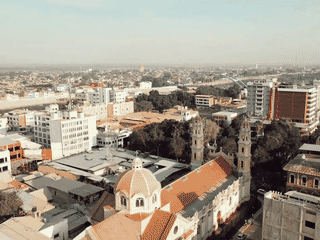
Zamora is a small colonial city of about 16,000 inhabitants in southeastern Ecuador, serving as the capital of Zamora Chinchipe province. Located at 970 m elevation in the Andean foothills at the confluence of the Zamora, Bombuscaro, and Jamboé rivers, it offers a quieter, less touristy alternative to larger Ecuadorian cities.
Budget Travel · Nature · Trekking
Before you go
Connectivity
Mobile coverage and internet are available in Zamora but may be slower than in larger cities. SIM cards from local carriers can be purchased for data access.
Culture
Indigenous Shuar and Saraguro communities live in the area. Shuar and Ashuar people are identifiable by their traditional black shorts. Chicha, a traditional fermented beverage, is offered to newcomers during community mingas.
Health
Zamora is in a tropical region near Amazonia; mosquito protection is advisable. The horchata con savila (herbal tea with aloe) at local markets is noted as a healthy breakfast option.
Money
Ecuador uses the US dollar (USD) as official currency, making budgeting straightforward for USD-carrying travelers. Cash is preferred for small purchases; ATMs are available in town for withdrawals.
Safety
Standard urban precautions apply. The city is small and relatively quiet. When visiting indigenous communities, respect local customs and traditions.
Transport
Buses connect Zamora to Quito (440 km, multiple daily departures), Cuenca, and Loja. Internal flights to Loja or Cuenca can shorten the journey from Quito before taking a bus to Zamora.
Weather
Located at 970 m elevation in Andean foothills, Zamora has a mild climate. The nearby Podocarpus National Park ranges from pre-montane to subtropical zones with varying microclimates.