Laguna Quilotoa
South America · Ecuador
Did you know?
- The crater sits within Reserva Ecológica Los Illinizas.
- A small crafts market sits near the entrance to the lake walk.
- Rim walkers can spot Cotopaxi volcano in the distance.
See also
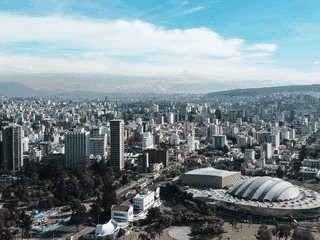

Quito
Ecuador0.25°S 78.58°W · 2,850 m
.jpg)
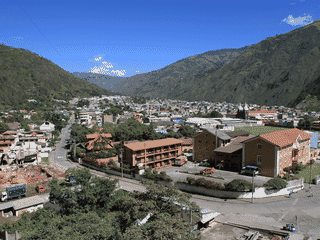
Baños
Ecuador1.40°S 78.42°W · 1,820 m
Latacunga
Ecuador0.93°S 78.62°W · 2,770 m
Overview
Laguna Quilotoa is a volcanic crater lake framed by highland mountain scenery. The small village beside it offers basic accommodation run by local indigenous residents.
Languages: Spanish
Why Go
Laguna Quilotoa is the highlight of the Quilotoa Loop, a spectacular volcanic crater lake sitting at 3,900m elevation with stunning views of the lake and surrounding mountain ranges. The small village of Quilotoa lies southwest of the lake, offering basic accommodation run by local indigenous people. The area has developed into one of Ecuador's most important tourist attractions, with government-provided infrastructure supporting visitors.
Adapted from Wikivoyage contributors · CC BY-SA 4.0
Understand
The Quilotoa crater is protected by the Reserva ecológica Los Illinizas. The volcano consists of a 3-km wide caldera surrounding a 224-meter deep lake. Local communities around the lagoon offer opportunities to experience traditional culture, explore artisan markets, and try regional food.
Adapted from Wikivoyage contributors · CC BY-SA 4.0
When to Go
At 3,800 metres altitude there is a mountain climate that can quickly change from warm and sunny to cloudy and very cold. The nights are cold year-round. The best time for hiking is during the dry season (June to September), though the crater rim offers views in any season.
Adapted from Wikivoyage contributors · CC BY-SA 4.0
Get In
Quilotoa is accessed via the Quilotoa Loop, a ring-shaped trail connecting remote villages in the high Andes in the Cotopaxi region. Most visitors arrive from Latacunga, with shared taxis or buses to Zumbahua, then onward to Quilotoa village. The journey involves winding mountain roads.
Adapted from Wikivoyage contributors · CC BY-SA 4.0
Fees and Permits
Pedestrian entry to the crater area is free, but entering the village with a car costs $2. This fee includes unlimited access to the crater and the lake.
Adapted from Wikivoyage contributors · CC BY-SA 4.0
Get Around
Quilotoa is a very small village where everywhere is a 5-minute walk. The Quilotoa Loop connects remote villages in the high Andes, with the next villages approximately 12 km away in either direction through beautiful Andean mountain scenery.
Adapted from Wikivoyage contributors · CC BY-SA 4.0
Do
Hike along the Quilotoa Loop in either direction through beautiful Andean mountain scenery. The crater lake circuit takes 3½–4½ hours and is about 9.5 km with constant up and downs, passing through Monte Juyende (3940 m), the highest viewpoint. Views of Cotopaxi volcano appear in the distance. Beware of numerous paths—getting lost on narrow trails over huge cliffs can be dangerous; get a map and review it with locals before departing. You can bathe in the lake, though it has a light foul smell and is very cold. Canoes can be rented for $2 per hour.
Adapted from Wikivoyage contributors · CC BY-SA 4.0
Buy
There is a small tourist crafts market near the entrance to the laguna walk. For provisions, there are few small grocery stores in Quilotoa, but the choice is very limited and prices are high.
Adapted from Wikivoyage contributors · CC BY-SA 4.0
Stay Safe
Remember you are at 3,900 meters high and weather can change very quickly from warm and sunny to cloudy and very cold. The crater loop may be problematic if rain starts while you are at the middle. Don't go without a map and knowing precisely which path to take—alternative trails reach maximum levels of technicity, effort and danger according to alpine difficulty rating standards. Acrophobic people should know some parts of the trail are very high with steep cliffs.
Adapted from Wikivoyage contributors · CC BY-SA 4.0
Go Next
Latacunga is the main onward destination, serving as the gateway to the Quilotoa Loop and a jumping-off point for exploring more of the Andean Highlands region of Ecuador.
Adapted from Wikivoyage contributors · CC BY-SA 4.0
Field guide adapted from Wikivoyage contributors · CC BY-SA 4.0. Text has been adapted and organized for this guide. About our sources.
Places to know
A few starting points from the guide. Check current hours and prices before you go.
- sleep
Hostal Chukirawa
Breakfast and dinner are included.
Recorded price: $44 for a double room
Adapted from Wikivoyage contributors
- sleep
Hostal Princesa Toa
Certainly the highest standard you could find in Quilotoa village.
Recorded price: $100 for a double room
Adapted from Wikivoyage contributors
- sleep
Hosteria Alpaka Quilotoa
The hotel offers also guide, transport and horses hiring. The hotel restaurant cooks pizzas and hamburgers.
Recorded price: Dormitory bed from $15.
Adapted from Wikivoyage contributors
- sleep
Quilotoa Cabanas
Wood burner, logs, breakfast and dinner included. Dormitory beds also available.
Recorded price: $15 per person for the basic but comfortable ensuite cabins.
Adapted from Wikivoyage contributors
- eat
Kirutwa
Also on the crater rim you can have the view on the lake if you eat at the first floor. The food is Ecuadorian soup and corn.
Recorded price: Coffee $2
Adapted from Wikivoyage contributors
- eat
Sinchy Tupak
Very small restaurant but the view on the lake is unbeatable. They offer breakfast, standard Ecuadorian lunch and sandwiches.
Recorded price: Coffee $1.5, lunch $5
Adapted from Wikivoyage contributors
Before you go
Altitude
At 3,900m elevation, altitude sickness is a real risk. Take time to acclimatize, stay hydrated, and descend if experiencing severe symptoms.
Money
USD is widely accepted in Quilotoa. Small grocery stores exist but with limited selection and higher prices than larger towns.
Safety
The crater rim hike has narrow paths over steep cliffs. Don't hike without a map and local guidance. Weather can turn dangerous quickly.
Transport
Quilotoa is a 5-minute walk village. The Quilotoa Loop connects villages 12 km apart. Most visitors base themselves in the village.
Weather
Mountain climate can change rapidly from warm and sunny to cloudy and very cold. Nights are cold year-round. Bring layers and rain gear.