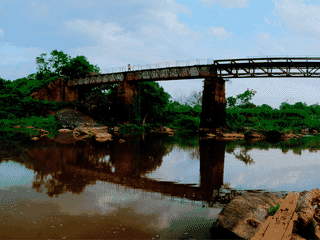

Abeokuta
Nigeria7.15°N 3.35°E · 66 m
113 places in the index.
7.15°N 3.35°E · 66 m
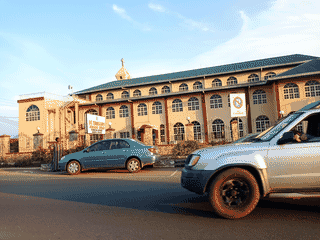
7.26°N 5.21°E · 350 m
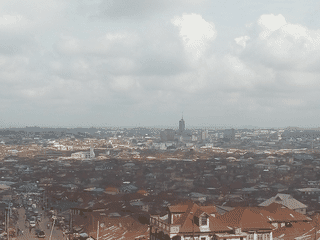
7.40°N 3.92°E · 230 m
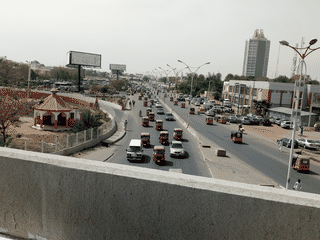
12.00°N 8.52°E · 488 m
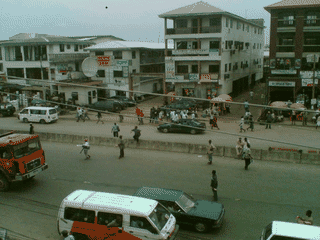
4.75°N 7.00°E · 18 m
Aba is the commercial powerhouse of Abia State and one of the most populous cities in South Eastern Nigeria, with an estimated 2.5 million residents. The city is renowned for its skilled craftsmen and bustling markets, particularly Ariaria International Market—nicknamed the "China of Africa" for its shoe-making and leather works.
Atlas entry
Abakaliki is the capital of Ebonyi State in southeast Nigeria, serving as a major agricultural trade center known for yams, cassava, rice, palm oil, and palm kernels. The city also has mining operations for lead, zinc, salt, and limestone.
Atlas entry
Abeokuta is a historic Yoruba city of roughly 450,000 people (metro 1.1 million) that serves as the capital of Ogun State. The name comes from 'Abé òkúta' (under the rock) referencing the giant granite domes, most famously Olumo Rock, that dominate the cityscape.
Abuja is the capital of Nigeria, a purpose-built city with excellent road networks, rolling terrain, and modern Nigerian architecture. It is surprisingly expensive compared to other Nigerian cities due to the concentration of government agencies and embassies.
Atlas entry
Ada town offers a rare glimpse into rural Southwestern Nigerian life with its traditional compounds, welcoming atmosphere, and the unusual private golf course created by local philanthropists Comfort Olufunke PonnLe and Bode Adediji. The town hosts the biggest market in the Boripe Local Government Area, which serves as the commercial hub for surrounding villages and operates on a five-day cycle.
Atlas entry
Ado Ekiti serves as the capital of Ekiti State in Southwest Nigeria, home to approximately 425,000 residents. The city offers a blend of Yoruba and Edo cultural heritage, with a youthful atmosphere driven by the nearby Ekiti State University.
Atlas entry
Ajegunle is a densely populated neighborhood in Lagos State with roughly 550,000 residents representing many of Nigeria's ethnic groups. The name 'Ajegunle' translates from Yoruba as 'a place where riches dwell.' While often characterized as a slum or ghetto area, it offers authentic local experiences including street food, bustling markets, and the annual December Carnival that runs from the 24th through the 31st.
Atlas entry
Akure is the administrative capital of Ondo State and the largest city in the region with a population of about 570,000 (2011). The city is home to the respected Federal University of Technology Akure (FUTA) with 15,000 students, giving the city a youthful energy with restaurants, stores, and cultural venues.
Argungu draws visitors from around the world for its annual fishing festival, a significant and historic event that showcases the cultural heritage of the Kebbi Kingdom. The town offers a rare glimpse into traditional Hausa-Fulani culture with colorful ceremonies, river competitions, and traditional performances that cannot be found elsewhere in Nigeria.
Atlas entry
Asaba is the administrative capital of Delta State, Nigeria, situated on the west bank of the Niger River. The city was founded in 1884 and served as the colonial capital of the Southern Nigeria Protectorate between 1886 and 1900, hosting the Royal Niger Company.
Atlas entry
Awka is one of the oldest settlements in Igboland, established at the centre of the Nri civilisation, which produced the earliest documented bronze works in Sub-Saharan Africa around 800 AD. The city serves as the capital of Anambra State since 1991 and hosts two major universities, giving it a significant student population and youthful energy.
Atlas entry
Badagry is a historic coastal town in Lagos State, Nigeria, with a 2016 population of about 241,000. Known as the 'gateway of civilization of Nigeria,' it was the key port for the transatlantic slave trade and now preserves that history in several museums and heritage sites.
Atlas entry
Bagwai is a small town and Local Government Area in Kano State, northern Nigeria, lying along the shores of Bagwai Dam. It serves as a peaceful gateway to rural Hausa life, offering eco-tourism experiences, agricultural activities, cultural festivals, and scenic water landscapes.
Atlas entry
Bauchi is the capital of Bauchi State in North East Nigeria with an estimated population of 693,700 (2016). The city was the capital of the historic Bauchi Emirate, an independent state from 1805 to 1904 when it came under British protection.
Atlas entry
Bida is the second-largest city in Niger State, serving as a commercial hub with a 2016 projected population of 260,700. The city is renowned for traditional crafts, particularly glass, bronze, and brass ware production.
Atlas entry
Birnin Kebbi serves as the capital of Kebbi State in North West Nigeria, functioning as a major rice distribution center for the country where neighboring states procure rice and other staple foods including millet, sorghum, fish, goat, and cattle. The city lies along the Sokoto (Kebbi) River at the junction of roads from Argungu, Jega, and Bunza, making it a practical transit hub in the region.
Atlas entry
Biu is a local government area in southern Borno State with over six centuries of cultural heritage. The town, home to around 100,000 residents from the Biu ethnic group, offers a window into regional northern Nigerian life with a vibrant mix of ethnic communities.
Atlas entry
Bonny Island is an island town and Local Government Area in Rivers State, South South Nigeria, with an estimated population of 302,000. It serves as the seat of the traditional Kingdom of Bonny and was a major trading center for fish, salt, palm oil, and palm kernels from the 15th to 19th century.
Atlas entry
Calabar is one of Nigeria's oldest trading centers, offering a blend of colonial history, vibrant markets, and the famous Calabar Carnival. It's a relatively peaceful and charming city with attractions like the Slave Museum, Marina Resort, and the Drill Monkey Rehab Centre.
Atlas entry
Chad Basin National Park is Nigeria's largest protected area, covering 2,258 km² across three spatially remote sectors. The park offers opportunities to see hippopotamus, giraffes, clawless otters, crocodiles, ostriches, and diverse bird species in their natural habitat.
Atlas entry
Cross River National Park is Nigeria's largest protected rainforest area, covering approximately 4,000 km² of primary moist tropical forest. The park protects critical habitat for endangered western gorillas and vulnerable common chimpanzees, making it one of West Africa's most significant biodiversity hotspots.
Atlas entry
Ekwulobia is an Igbo-speaking town in South East Nigeria and one of the largest cities in Anambra State after Awka, Onitsha, and Nnewi. The city is known for its vibrant cultural traditions, including the Achikwu masquerades performed during Christmas and Easter celebrations, as well as the annual New Yam Festival.
Atlas entry
Enugu, nicknamed 'Coal City' after coal was discovered on its plateau in 1909, served as the capital of the short-lived Republic of Biafra and remains the cultural capital of Igboland. The city offers colonial-era British architecture including the Holy Ghost Cathedral with its Greco-Roman stained glass, alongside vibrant Igbo traditions like the November Mmanwu festival featuring masquerade parades at Nnamdi Azikiwe Stadium.
Atlas entry
Epe is a traditional Ijebu-Yoruba fishing town on the north bank of the Lagos Lagoon, founded in the mid-18th century as the chief port for slaves, cloth, and agricultural produce. The town is famous for constructing the motorized, shallow-draft barges that navigate the coastal lagoons, and its fish market is the most famous in Lagos State.
Atlas entry
Erin-Ijesha (also spelled Erin-Ijesa) is a small farming town in Ori-ade local government, Osun State, best known for the Olumirin Waterfalls — a rare seven-step cascade considered one of the best hiking destinations in southwestern Nigeria. The town sits at the edge of Yorubaland, sharing boundaries with Efon-Alaye to the north, Ipetu-Ijesa to the south, Ipole-Ekiti to the east, and Erinmo to the west.
Atlas entry
Eruwa is a small Yoruba market town and the administrative headquarters of Ibarapa East Local Government Area in Oyo State, Nigeria. Its name derives from the historic trade of roasted yams ('eruwa' means 'pieces of yam are available here') with northern caravans.
Atlas entry
Ewekoro is a local government area in Ogun State, Southwest Nigeria, primarily inhabited by the Yoruba ethnic group. The town is notable for being home to two of Nigeria's major cement quarries: Lafarge and Dangote Cement.
Atlas entry
Gashaka Gumti is Nigeria's largest national park, established in 1991, spanning the border region between Nigeria and Cameroon in the northeastern states of Taraba and Adamawa. The park offers a rare combination of pristine wilderness: lush rainforests, sweeping grasslands, cool highland plateaus, and rugged mountains including Nigeria's highest peak, Gangirwal at 7,936 ft.
Atlas entry
Gashua is one of the largest and most developed towns in Yobe State, serving as a regional center for the Bade people. The town lies near the ecologically important Nguru-Gashua Wetlands, making it a destination for nature lovers and bird watchers.
Atlas entry
Gombe is the capital city of Gombe State in North East Nigeria with an estimated population of 262,000 (2001). The city serves as the headquarters of the Gombe Emirate, a traditional state covering most of Gombe State.
Atlas entry
Gwagwalada is one of the fastest growing cities in Nigeria's Federal Capital Territory, with over 1,000,000 residents. It serves as a local government area offering a more affordable alternative to nearby Abuja, with local markets, restaurants, and budget accommodation options.
Atlas entry
Gwarzo offers a rare opportunity to experience rural Hausa life in northwestern Nigeria. The town is an important agricultural hub producing millet, maize, and groundnuts, and its weekly market draws traders from surrounding villages.
Atlas entry
Atlas entry
Ibadan is the capital of Oyo State and one of Nigeria's largest cities, with a metropolitan population exceeding 4 million. Historically significant as a major city of the declining Oyo Empire, it offers colonial-era architecture, bustling markets, and proximity to Yoruba heritage sites.
Ibafo is primarily a transit town along the Lagos-Ibadan Expressway in Ogun State. It serves as a convenient stop for travelers moving between Lagos and Ibadan, offering basic amenities and local food options.
Atlas entry
Ibi is a small traditional town in Taraba State that sees very few foreign visitors. It serves as the headquarters of Ibi Local Government Area and offers access to River Benue, traditional palaces, local markets, and the surrounding Ibi Hills.
Atlas entry
Idanre is a historic hill town about 20 km southeast of Akure, built at the foot of dramatic dome-like hills that rise to nearly 3,000 ft above sea level. The cultural landscape includes Owa's Palace, shrines, burial mounds, and natural features like Agbooogun's footprint and the Omi Apaara (thunder water) springs, integrated with a unique ecosystem.
Atlas entry
Idiroko is a functional border crossing town between Nigeria and Benin, located in Ipokia Local Government Area of Ogun State. The town serves primarily as a transit point for travelers crossing between the two countries, and visitors walk directly to the border on the edge of town.
Atlas entry
Ido Ekiti is a small Yoruba town in Ekiti State where visitors experience authentic Nigerian village life away from major tourist circuits. The town is known for its warm, hospitable residents and traditional Ekiti culture.
Atlas entry
Igbeti is known as the Marble City for its rich marble deposits and is surrounded by 16 major rock formations offering captivating scenery. The most notable is Agbele Rock, a naturally formed statue depicting a mother carrying her child, surrounded by local legend that she was turned to stone for stealing yam tubers.
Atlas entry
Igbo-ora draws curious travelers as the self-proclaimed Twin Capital of the World, where twin births occur at an unusually high rate—earning the town nicknames across global media. Beyond this genetic curiosity, the town offers a slice of Yoruba rural life with Oyo State College of Agriculture anchoring the local economy.
Atlas entry
Ijebu-Ode is the cultural capital of Ijebuland, a sub-group of the Yoruba people known for their mercantile reputation and historical wealth. The town is best known for Sungbo's Eredo, a massive 800-1000 AD defensive system of walls and ditches that is among the largest in West Africa and on Nigeria's UNESCO tentative list.
Atlas entry
Ijoko is a small Yoruba trading town in Ogun State, Southwest Nigeria, offering an authentic off-the-beaten-path experience. The town is known for its central market, local restaurants serving Nigerian staples like rice, beans, amala, and eba, and budget accommodations.
Atlas entry
Ikare is a major trading and cultural hub in Akoko North-East Local Government of Ondo State, with an estimated population of 1.1 million. The city offers visitors a chance to experience authentic Yoruba culture through its three major annual festivals: the New Yam Festival on June 20, the Aringiya Festival in May, and the Ijeroba Festival.
Atlas entry
Ikeja is the capital of Lagos State in South-West Nigeria with a 2022 population of about 470,000. Before the emergence of military rule in the early 1980s, Ikeja was a well-planned, clean and quiet residential and commercial town with shopping malls, pharmacies and government Reservation Areas.
Atlas entry
Ikire is a historic Yoruba trading town in Osun State between Ibadan and Ile-Ife. The town is known for Dodo Ikire, a famous local fried plantain delicacy that has become commercially viable beyond the town.
Atlas entry
Ikole is a relatively large Yoruba town in Ekiti State where traditional culture remains active, including an August masquerade festival practiced by local youths. The town offers authentic Nigerian local food, particularly pounded yam (Iyan), and serves as a practical stop for travelers moving through Ekiti State.
Atlas entry
Ikom is a developing local government area in Cross River State, South South Nigeria, known primarily for banana and plantain production. The majority of its 162,000 residents (2006 census) are farmers, giving the town a rural, agricultural character.
Atlas entry
Ikorodu is a rapidly growing city on Lagos Lagoon, serving as a commuter hub for Lagosians seeking more affordable housing outside the metropolis. The city retains Yoruba heritage and local market culture while offering riverside access and nearby natural springs.
Atlas entry
Ile Ife is the cradle of the Yoruba civilisation, the ancestral home of the race and therefore called 'Land of the Source'. The city holds deep spiritual significance as the origin point of the Yoruba people, with the progenitor Oduduwa believed to have descended at the Oduduwa Groove.
Atlas entry
Ilesa is the largest city and cultural capital of Ijeshaland in Osun State, Nigeria. Founded in the 12th century by Owaluse, a descendant of Oduduwa, the city offers traditional Yoruba heritage with sites like the Owa Obokun Adimula Palace and Erin Ijesa Waterfalls.
Atlas entry
Ilobu is a traditional Yoruba town and administrative headquarters of Irepodun Local Government Area in Osun State. It is renowned across Nigeria for adire cloth—a distinctive art of tying and dyeing fabric to create unique patterns—alongside metal crafts, weaving, painting, sculpturing, and leather work.
Atlas entry
Ilorin is a cultural crossroads where Fulani, Yoruba, Hausa, Nupe, Bariba, and Kanuri peoples mix in the markets and streets. The city offers Nigeria's largest traditional pottery workshops in the Dada area of Okelele, and flourishing aso-oke textile workshops where hand-woven fabrics are sold to traders from across Nigeria and abroad.
Iyana-ipaja is a bustling commercial hub within Lagos State's Alimosho Local Government Area. It serves as a landmark area with direct accessibility from Ikeja and the airport, making it convenient for travelers arriving in Lagos.
Atlas entry
Jalingo is the administrative capital of Taraba State and serves as a gateway to Nigeria's eastern frontier attractions. The city sits in the savanna-covered foothills of the Shebshi Mountains, about 25 miles southeast of the Benue River, offering access to the Mambilla Plateau and Gashaka-Gumti National Park.
Atlas entry
Jama'are is a traditional emirate town in Bauchi State, North East Nigeria, offering insight into rural Hausa-Fulani culture. The town sits along the Jama'are River (also known as the Bunga River in its upper reaches), which flows through the region before joining the Yobe River system.
Atlas entry
Jos is a colonial-era city in Nigeria's Plateau State, notable for its cooler climate compared to the surrounding lowlands. The city of about 810,000 people (2015) offers access to natural attractions including Shere Hills, waterfalls, and former tin mines now turned into lakes.
Atlas entry
Kaduna is the capital of Kaduna State in North West Nigeria and serves as a major trade centre for surrounding agricultural areas. The city is a key transportation hub with rail and road junctions, making it a strategic stop for travelers exploring northern Nigeria.
Atlas entry
Kafanchan is a strategic junction town where three Nigerian Railway lines converge: Kaduna-Zaria-Kaura Namoda, Akwanga-Enugu-Port Harcourt, and Kuru-Jos-Bauchi-Maiduguri. It serves as the economic capital of Southern Kaduna, offering access to the spectacular Matsirga Waterfalls and the traditional homeland of the Fantswam people.
Atlas entry
Kagoro (also called Gworok) is a large town in southern Kaduna State renowned for its dramatic mountainous scenery and cool highland climate. The town is the seat of one of the oldest chiefdoms in the area and offers cultural experiences centered around the annual Afan National Festival.
Atlas entry
Kaiama is a small rural town in northwestern Kwara State, serving as the headquarters of Kaiama Local Government Area. It is known as the "Food basket of Kwara" for its abundant agricultural production including yams, yam flour, guinea corn, soya beans, cassava, and beans.
Atlas entry
Kajuru is a small local government area in southern Kaduna State, primarily known for Kajuru Castle—a medieval-inspired stone fortress built by a German expatriate between 1981 and 1989. The Adara people (also called Kadara) form the majority ethnic group, offering cultural interest for travelers seeking off-the-beaten-path destinations in Nigeria.
Atlas entry
Kano is an ancient trading city in northern Nigeria with over a thousand years of history and a population of around 3.6 million, creating a busy, energetic atmosphere. Despite having an international airport, the city sees little tourist trade, meaning visitors experience authentic Hausa culture rather than tourist-oriented services.
Karu is a local government area in Nasarawa State with headquarters in New Karu. Its proximity to Abuja (approximately 150 km) makes it a practical side trip for travelers seeking lower prices than the capital.
Atlas entry
Katsina is one of Nigeria's oldest cities, dating back over 900 years, and served as a major center of the ancient Hausa city-states. The city preserves impressive remnants of its past including the Gobarau Minaret—one of West Africa's largest historical structures—and a series of ancient city gates surrounded by original walls.
Atlas entry
Kazaure is a historic Hausa town in Jigawa State that serves as the seat of the Kazaure Emirate. It's an important regional trading center known for its agricultural activities, traditional crafts like leatherworking and weaving, and cultural displays such as the Durbar horse riding during Islamic festivals.
Atlas entry
Keffi is the capital of Nasarawa state and home to Nasarawa State University, making it a university town with a youthful energy. Located just 50 km from Abuja along the Keffi-Akwanga expressway, it serves as a practical stop for travelers exploring North Central Nigeria.
Atlas entry
Ketu is a heavily populated commercial and residential area in Kosofe LGA, Lagos. It serves as a critical transit hub connecting Ikorodu to the mainland, with routes to Maryland, Ikeja, Oshodi, and other key destinations.
Atlas entry
Kisi town serves as the headquarters of Irepo Local Government Area in northern Oyo State. The town sits amid streams, rivers, and diverse vegetation including rainforest and savannah landscapes, making it a peaceful destination for visitors interested in rural Nigerian life, farming communities, and natural scenery.
Atlas entry
Kumo is a traditional trading town in Gombe State, serving as the administrative headquarters of Akko Local Government Area. The town is notable for its agricultural production, particularly groundnuts (peanuts), cotton, and corn, and functions as a local trade centre for the surrounding region.
Atlas entry
Lagos is Africa's most populous city with 8.8 million residents (16 million in the metro area), overtaking Cairo as the continent's largest urban conurbation. Formerly Nigeria's capital from 1914 to 1991, it remains the country's financial and economic hub, famous throughout Africa for its music scene and vibrant nightlife centered on Victoria Island.
Atlas entry
Lekki Conservation Centre (LCC) is one of Nigeria's most visited tourist attractions and the only actively protected natural area in Lagos State. Established in 1990 by the Nigerian Conservation Foundation, this 78-hectare coastal reserve offers an extraordinary escape from Lagos's urban chaos, featuring Africa's longest 401-metre canopy walkway suspended 22 feet high through diverse vegetation.
Atlas entry
Mai'Adua serves as a vibrant hub of trade and cultural exchange at the Nigerian-Niger border. The town offers visitors a glimpse into authentic Hausa-Fulani life in northern Nigeria, with bustling border markets where traders from both countries converge.
Atlas entry
Maiduguri is the principal trading hub for Northeastern Nigeria, with an economy based on services and trade. The city of 800,000 people (2021 estimate) is home to three markets including a modern Monday market.
Atlas entry
Makurdi is a political and administrative capital of Benue State with 365,000 residents, sitting along the Benue River. The city is known as the food basket of the nation due to its very agricultural surroundings.
Atlas entry
Minna is the capital of Niger State in Nigeria's North Central region, historically significant as a railway junction connecting northern Kano to southern Lagos. The city dates back 47,000-37,000 years archaeologically, making it one of Africa's oldest settlement areas.
Atlas entry
Nguru is a historic trade town founded in the 15th century that became part of the Bornu kingdom. Today it serves as a major collecting point for gum arabic and ships peanuts, cotton, meat, hides, and skins by rail.
Atlas entry
Ningi is one of 20 local government areas in Bauchi State, serving as a gateway between Bauchi and Kano regions. The semi-savanna town is known for its rocky hill outcrops, traditional Hausa-Fulani mud-brick compounds with decorative patterns, and lively weekly markets trading food, livestock, and crafts.
Atlas entry
Nnewi is a major commercial and industrial city in Anambra State with an estimated population of 1.1 million (2021). It is renowned for hosting West Africa's largest spare parts market at Nkwo Nnewi, as well as significant manufacturing in palm oil, cosmetics, motorcycles, textiles, and cables.
Atlas entry
Nsukka is a university city and Local Government Area in Enugu State's Udi Hills. The University of Nigeria (UNN), founded in 1960 by Nigeria's first President Dr.
Atlas entry
Obafemi-Owode is a local government area in Ogun State where large-scale agriculture drives the local economy. Visitors interested in Nigeria's agricultural sector will find palm oil and cocoa cultivation of interest.
Atlas entry
Offa is a historic Yoruba community founded in 1395 by Olalomi Olofa-Gan Gan, making it one of the oldest settlements in Kwara State. The city is renowned for its traditional cotton-weaving and indigo-dyeing industries, using locally farmed indigo.
Atlas entry
Ogbunike is a small Igbo town in Oyi Local Government Area of Anambra State, famous for the Ogbunike Cave—a UNESCO World Heritage Tentative List site located in a forested valley. The town is unique for its reverence of pythons (Eke) and tortoises as sacred animals that cannot be harmed; violators must undergo traditional cleansing rituals.
Atlas entry
Ogoja is a Local Government Area and town in Cross River State, South South Nigeria, with an estimated population of 242,259. The town lies on the A4 highway and serves as an agricultural hub known for its yam, cassava, palm oil, and kola nut production.
Atlas entry
Atlas entry
Ojota is a modest working-class suburb in Lagos State known primarily for its bustling market and proximity to the Gani Fawehinmi Park, a freedom park honoring Nigerian civil rights activist and lawyer Gani Fawehinmi. The area offers authentic local food—amala, eba, rice and beans—at small eateries and a chance to experience everyday Lagosian commerce away from the tourist zones.
Atlas entry
Okigwe is a transit hub and market center in Imo State, serving as the third largest city after Owerri and Orlu. The city is notable for the Ikeji festival celebrated annually in September, featuring thanksgiving and merriment for a good harvest.
Atlas entry
Atlas entry
Old Oyo National Park is Nigeria's only national park combining archaeological, cultural, and natural attractions. Spanning 2,512 km² (970 sq mi) across Oyo and parts of Kwara State, it preserves the ruins of Oyo-Ile—the political capital of the Oyo Empire from the 16th-18th centuries.
Atlas entry
Ondo City is the second largest city in Ondo State and serves as the commercial hub for the surrounding agricultural region. It is the largest producer of cocoa products in the region, with the local economy driven by farming of yams, cassava, grain, tobacco, and cotton used for weaving Aso Oke fabric.
Atlas entry
Onitsha is a city of 1.5 million people in Anambra State, Southeast Nigeria. It claims two distinctions: the largest market in Africa by geographical size and volume of goods, and the navigable endpoint for most shipping up the Niger River.
Atlas entry
Oron is a mid-sized city of approximately 250,000 people lying on the Cross River with its own seaport and maritime academy. The city is best known for the Oron Museum, which houses some of the oldest and finest surviving wood carvings in Africa — the eight hundred ancestral Ekpu figures.
Atlas entry
Oshodi is a commercial town in Lagos known for its bustling market atmosphere. Although the famous Oshodi Market was demolished in 2016, the area remains a major transit hub and commercial center in Lagos.
Atlas entry
Osogbo is the cultural heart of Osun State and one of Southwest Nigeria's most important arts centers. The city is famous for Adire traditional dyeing, earning the nickname 'Ile Aro' (home of dyeing), and hosts the highest concentration of art galleries in the region.
Atlas entry
Owerri is the capital of Imo State in South East Nigeria, home to 1.4 million people and known as the Eastern Heartland. The city is called the entertainment capital of Nigeria due to its high density of spacious hotels, high street casinos, production studios and quality relaxation centers.
Atlas entry
Owo is one of the largest cities in Ondo State, South West Nigeria, with a population of approximately 220,000 (2016). The city traces its origins to the ancient city of Ile-Ife, the cradle of Yoruba culture, and claims descent from the Yoruba deity Oduduwa.
Atlas entry
Port Harcourt is Nigeria's oil capital and the largest city in the Niger Delta, offering a distinct alternative to Lagos with its own character shaped by the petroleum industry and Rivers State culture. The city draws business travelers and those interested in Nigeria's energy sector, but also attracts curious travelers with its Carnival (Carniriv Festival), waterfront parks, and thriving restaurant scene.
Potiskum is one of the largest cities in Yobe State with a population of approximately 483,000 (2022). The city is famous for hosting one of the largest cattle markets in Africa and the largest in West Africa, along with substantial grain and millet markets.
Atlas entry
Sagamu is a commercial crossroads city in Ogun State with a population of 355,900, strategically positioned between Lagos and Ibadan along the Ibu River. The city is Nigeria's largest kola nut collecting center, supported by secondary industries like basket and rope manufacturing.
Atlas entry
Saki town (also spelled Shaki) is a historic Yoruba settlement in northern Oyo State, western Nigeria, established after the destruction of Old Oyo in 1835. The town is renowned for its Thursday markets—Shaki Sango Market and Owode Market—where buyers and sellers gather from across the region.
Atlas entry
Sapele is an industrial port town in Delta State, South South Nigeria, lying along the Benin River. By the mid-19th century it was established as a trading centre occasionally visited by Europeans.
Atlas entry
Ukhun is a small rural community in the Plateau region of Esan Land within Edo Central Senatorial District. The town offers cultural experiences including ancient shrines and mystical natural sites.
Atlas entry
Umuahia is a city of about 774,000 (2020) in Abia State, South East Nigeria. It is renowned for being a railway and agricultural market center, which attracts traders and farmers from neighbouring towns to sell their produce such as yams, cassava, corn, taro, citrus fruits, and palm oil.
Atlas entry
Atlas entry
Uyo is the capital of Akwa Ibom State in South South Nigeria, home to approximately 428,000 residents. The city serves as a regional hub with the University of Uyo and features Ibibio culture, coastal seafood markets, and annual festivals including the Akwa Ibom Christmas Carols Festival and Orange September cultural celebration.
Atlas entry
Warri is a major city in Delta State, Nigeria, with an estimated population of 2 million people. Founded in the late 15th century by Prince Ginuwa from Benin, it was once the political and trading capital of the Itsekiri kingdom.
Atlas entry
Wudil is a traditional Hausa town located approximately 38 km southeast of Kano city in North West Nigeria. The town is known for its agricultural activities, including farming and fishing, and offers visitors an authentic glimpse into northern Nigerian rural life.
Atlas entry
Yankari Game Reserve is Nigeria's most popular tourist destination and one of West Africa's premier eco-destinations, offering wildlife viewing in the heartland of the West African savanna. The reserve spans about 2,244 km² and houses the largest surviving elephants in Nigeria, along with antelopes, lions, hyenas, leopards, and crocodiles.
Atlas entry
Yenagoa is the capital city of Bayelsa State with a population around 350,000 (2006 census). It serves as the administrative center of Nigeria's oil-rich Niger Delta region.
Atlas entry
Yola is the capital of Adamawa State in Northeast Nigeria, serving as the seat of the traditional Adamawa emirate. The city is split between the old town where the Lamido resides and Jimeta (5 km northwest), the administrative and commercial centre.
Atlas entry
Zangon Kataf is a historic trading town founded by the Atyap people circa 1767, serving as an important stop for trans-Saharan traders from Hausaland and Kanem-Borno. The town holds cultural significance as the seat of the Agwatyap, chief of the Atyap people, and hosts the annual Ayet Atyap cultural festival at the chief's palace grounds in Atak Njei.
Atlas entry
Zaria is one of the original seven Hausa city-states and a major city in Kaduna State, North West Nigeria. The city was founded in 1536 and later renamed after Queen Zaria (Queen Amina), a legendary ruler who established a tributary region including the kingdoms of Kano and Katsina through her military campaigns.
Atlas entry
Zonkwa serves as a practical transit hub sitting on the railway line between Kaduna and Kafanchan, making it useful for travelers moving through southern Kaduna State. The town is the headquarters of Zangon Kataf local government area and the seat of the paramount ruler of the Bajju chiefdom.
Atlas entry
In development: the whole atlas offline, a trip planner and a private journal. We'll post here when it ships. No newsletter to join.


