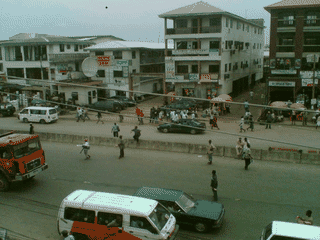

Port Harcourt
Africa · Nigeria
See also
Overview
Port Harcourt is Nigeria's oil capital and the largest city in the Niger Delta, offering a distinct alternative to Lagos with its own character shaped by the petroleum industry and Rivers State culture. The city draws business travelers and those interested in Nigeria's energy sector, but also attracts curious travelers with its Carnival (Carniriv Festival), waterfront parks, and thriving restaurant scene.
Languages: English
Why go?
Port Harcourt is Nigeria's oil capital and the largest city in the Niger Delta, offering a distinct alternative to Lagos with its own character shaped by the petroleum industry and Rivers State culture. The city draws business travelers and those interested in Nigeria's energy sector, but also attracts curious travelers with its Carnival (Carniriv Festival), waterfront parks, and thriving restaurant scene. English is widely spoken, and Pidgin English dominates casual conversation, making basic communication accessible for English speakers.
Adapted from Wikivoyage contributors · CC BY-SA 4.0
Getting in
Port Harcourt International Airport (OMAGWA) in the Omagwa area is Nigeria's third-busiest airport by passenger volume, handling domestic flights and some regional international connections. The article lists Port Harcourt railway station on Station Rd as another arrival option, though Nigerian rail infrastructure remains limited. Most overland travelers arrive by bus from cities like Lagos, Benin City, or Calabar, with journey times varying by traffic and road conditions.
Adapted from Wikivoyage contributors · CC BY-SA 4.0
Getting around
Port Harcourt spreads across several districts including Old GRA, GRA Phase I and II, Trans Amadi, and Rumuola. Local transport options include shared taxis (marwa), motorcycle taxis (okada), and occasional ride-hailing services, though organized public transit is minimal. The city is known for traffic congestion, particularly during rush hours. Key landmarks like Port Harcourt Pleasure Park sit between Army Bori Camp and Air Force Base Junction, while the Port Harcourt Zoo is located on Peter Odili Rd in Trans Amadi.
Adapted from Wikivoyage contributors · CC BY-SA 4.0
When to go
The city experiences a tropical monsoon climate (Köppen Am) with lengthy, heavy rainy seasons and very short dry seasons. December through February are the truly dry months, offering more comfortable conditions for sightseeing and outdoor activities. The Carniriv Festival, Nigeria's oldest carnival established in 1988, typically begins several weeks before Christmas and runs for seven days, combining Caribbean-style carnival festivities with cultural celebrations that transform the Garden City into a colorful destination. Harmattan winds affect Port Harcourt less severely than other West African cities.
Adapted from Wikivoyage contributors · CC BY-SA 4.0
Where to stay
Accommodation in Port Harcourt ranges from international hotel chains to locally-owned options. The Old GRA and GRA districts are popular areas for travelers, with options like Swiss Spirit Hotel & Suites Danag on Ken Saro Wiwa Rd (from US$50) and Hotel Novotel on Stadium Road. Mid-range options include SS3 Boutique Hotel in Rainbow Town district (₦12,359 per night, featuring pool, hot tub, spa, A/C, WiFi, restaurant, and free breakfast). Budget-conscious travelers should note that prices are often quoted in US dollars at upscale establishments, while local hotels may quote in Nigerian Naira (₦).
Adapted from Wikivoyage contributors · CC BY-SA 4.0
Food and drink
Port Harcourt's food scene reflects Nigeria's culinary diversity with abundant options for local and international cuisine. Staples include jollof rice, egusi soup with eba or fufu, pounded yam, pepper soup, and ogbono soup. The city has numerous restaurants across districts: Spice Route at Mall Spar in Old GRA offers Asian fusion with balcony views; Asia Town on Forces Avenue provides Nigerian, continental, and Asian options with a 500-seat event centre; Bahamas Cuisine in GRA Phase 2 serves garden-style African and continental meals including afang soup and bitter leaf soup. For local favorites, Big Treat on Stadium Road combines local and continental menu with a game centre. Street food and local joints are available throughout markets.
Adapted from Wikivoyage contributors · CC BY-SA 4.0
Things to do
Port Harcourt Pleasure Park represents the city's main tourism investment, featuring amusement rides, boat rides, waterways, gardens, playgrounds, restaurants, bars, and concert venues. The Port Harcourt Zoo on Peter Odili Rd in Trans Amadi charges ₦200 admission and is open Su-F 8AM-6PM, Sa 8AM-6:30PM (though descriptions note animal conditions may be poor). Borokiri Market near the Bonny Jetty offers fresh seafood. The annual Carniriv Festival, held starting several weeks before Christmas for seven days, is Nigeria's oldest carnival combining contemporary Caribbean and cultural celebrations. The Izumini River is accessible about an hour's drive from the city for nature excursions.
Adapted from Wikivoyage contributors · CC BY-SA 4.0
Safety
Port Harcourt carries significant security concerns due to its position as Nigeria's oil industry centre. The article explicitly warns about frequent riots, worker strikes, and regular reports of kidnapping in the Niger Delta region. Tensions exist around perceptions that oil revenues are being 'stolen' from local communities by government and foreign companies. Travelers should exercise heightened caution, avoid political gatherings and strike locations, limit nighttime movement in unfamiliar areas, and consider consulting current travel advisories before visiting. That said, some nightlife venues in the GRA districts appear to function safely even during evening hours, though this should not create false complacency.
Adapted from Wikivoyage contributors · CC BY-SA 4.0
Connectivity
Mobile network coverage exists in Port Harcourt through major Nigerian carriers, though the article does not specify providers, data speeds, or SIM card purchase details. WiFi is available at hotels and some restaurants, particularly in the GRA districts where upscale establishments like Spice Route, BCON Restaurant, and hotels offer internet access. Travelers should plan for intermittent connectivity and have offline resources available. Power plug information is not specified in the article, though Nigeria uses Type D and Type G plugs (230V/50Hz) as a regional standard.
Adapted from Wikivoyage contributors · CC BY-SA 4.0
Budget
Port Harcourt is not a budget destination; the oil industry and expatriate community drive prices higher than many Nigerian cities. Mid-range hotel rooms start around ₦12,000-15,000 for local options, while international chains begin at US$50-80 per night. Street food and local restaurant meals can be more affordable (₦500-2,000), while upscale dining in GRA establishments typically costs more. Transport within the city involves negotiable fares for taxis and okada. Budget travelers should expect to spend significantly more than in other parts of Nigeria due to the city's commercial nature.
Adapted from Wikivoyage contributors · CC BY-SA 4.0
Day trips
The Izumini River is mentioned as an hour's drive outside Port Harcourt, offering nature excursion opportunities. Travelers could potentially arrange day trips to nearby oil facilities (though security considerations apply), or explore other Rivers State destinations like Onne (home to major port facilities). The article lists onward connections to Calabar, Nnewi, and Warri for those continuing their Nigeria journey. Nearby attractions depend heavily on current security conditions in the Niger Delta region.
Adapted from Wikivoyage contributors · CC BY-SA 4.0
Go next
From Port Harcourt, travelers can continue to Calabar (Nigeria's first capital with beaches and Cross River attractions), Nnewi (industrial city in Anambra State), or Warri (another Niger Delta city). Bus connections and potentially flights link Port Harcourt to these destinations. For international travel, the Port Harcourt International Airport handles flights to Lagos and some regional destinations. Those continuing east may explore the Cameroon border regions, though security should be verified.
Adapted from Wikivoyage contributors · CC BY-SA 4.0
Field guide adapted from Wikivoyage contributors · CC BY-SA 4.0. Text has been adapted and organized for this guide. About our sources.
Places to know
A few starting points from the guide. Check current hours and prices before you go.
- eat
12:11 Restaurant
12:11 Restaurant is a bar and grill outlet that serves tasty local and international delicacies such as ewedu, jollof rice, chicken and chips, barbecue and lots more, in a beautiful ambiance.
Adapted from Wikivoyage contributors
- eat
Asia Town
Asia Town is an Asian fusion restaurant, also offering Nigerian and continental cuisines with a menu ranging from finger food, buffet, cocktail etc., and an event centre of 500 seating capacity.
Adapted from Wikivoyage contributors
- eat
BCON Restaurant and Hotel
Buffet and à la carte international cuisine and bar next to pool at a hotel.
Adapted from Wikivoyage contributors
- eat
Bahamas Cuisine
Bahamas Cuisine is a garden restaurant that provides fresh African and continental meals including afang soup, atama soup, bitter leaf soup, yam porridge and much more.
Adapted from Wikivoyage contributors
- eat
Beth Plus Restaurant
Beth Plus Restaurant sell all kinds of African dishes garri and different soups and also different kinds of pastries ranging from meat pie doughnut fish roll to small chops.
Adapted from Wikivoyage contributors
- eat
Big Treat
Big Treat is a restaurant with local and continental meals in their menu as well as a game center with different kinds of gaming equipment among other services.
Adapted from Wikivoyage contributors
- eat
Blue Elephant
Blue Elephant is a pool side restaurant that serves varieties of professional prepared local and continental meals, and also offers cake bakery and catering services for all events.
Adapted from Wikivoyage contributors
- eat
Casablanca Restaurant & Lounge
Casablanca Restaurant & Lounge is a restaurant and bar that serves that cooks African and continental meals such as banga soup, spaghetti, sharwarma, home delivery and lots of other products.
Adapted from Wikivoyage contributors
Before you go
Culture
English is widely spoken. Pidgin English is common in informal settings. Ikwerre is the indigenous language. The city has a diverse expatriate community due to the oil industry.
Food
Port Harcourt offers diverse cuisine from Nigerian staples to Asian fusion. Street food is available at markets. The GRA district has the highest concentration of upscale restaurants.
Money
Cash is king in Port Harcourt; while some hotels and upscale restaurants accept cards, markets and local establishments require Naira (₦). US dollars are sometimes accepted at international hotels.
Safety
Exercise extreme caution in Port Harcourt. The city experiences riots, strikes, and kidnapping targeting both locals and foreigners. Avoid political gatherings, monitor local news, and consider travel insurance covering security evacuation.
Transport
Port Harcourt International Airport (OMAGWA) is Nigeria's third-busiest. Within the city, okada (motorcycle taxis) and marwa (shared taxis) are common but can be hazardous. Traffic congestion is significant.
Weather
Tropical monsoon climate with heavy rains March-October and dry season December-February. Harmattan less pronounced than in northern Nigeria. Humidity is consistently high year-round.