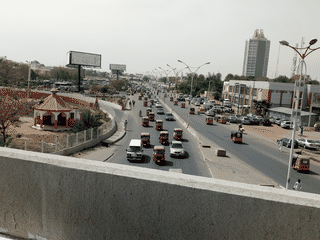

Kano
Africa · Nigeria
See also
Overview
Kano is an ancient trading city in northern Nigeria with over a thousand years of history and a population of around 3.6 million, creating a busy, energetic atmosphere. Despite having an international airport, the city sees little tourist trade, meaning visitors experience authentic Hausa culture rather than tourist-oriented services.
Languages: English
Why go?
Kano is an ancient trading city in northern Nigeria with over a thousand years of history and a population of around 3.6 million, creating a busy, energetic atmosphere. Despite having an international airport, the city sees little tourist trade, meaning visitors experience authentic Hausa culture rather than tourist-oriented services. The joy lies in exploring bustling markets like Kantin Kwari, visiting the 500-year-old indigo dye pits, and soaking in the street life of one of West Africa's most historic cities.
Adapted from Wikivoyage contributors · CC BY-SA 4.0
Getting in
Foreign visitors require a visa costing around US$70, applied for at least four weeks in advance through the relevant embassy or high commission. Required vaccinations include yellow fever, cholera, and malaria medication. Mallam Aminu Kano International Airport, the country's first airport, receives flights from Egypt (EgyptAir), Ethiopia (Ethiopian Airlines), Saudi Arabia, and Sudan. The Kano railway station on Fagge Road offers train connections within Nigeria.
Adapted from Wikivoyage contributors · CC BY-SA 4.0
Getting around
Yellow and blue taxis cruise the roads; always negotiate and agree on a price before departure. Motorbike rides are common, with passengers sitting behind the driver. Motorized rickshaws called Daidaita Sahu serve Muslim women who prefer not to sit close to a motorbike driver. The city is walkable in central areas, though traffic can be chaotic.
Adapted from Wikivoyage contributors · CC BY-SA 4.0
When to go
The coolest period is November to February with temperatures around 13-16°C, ideal for sightseeing. March to May brings extreme heat reaching 37-39°C. The rainy season runs June to September, with August being the wettest month at 400mm precipitation; some attractions may be harder to access during heavy rains. Fridays see over 50,000 worshippers at the Great Mosque, offering a remarkable cultural experience.
Adapted from Wikivoyage contributors · CC BY-SA 4.0
Where to stay
Like all Nigerian hotels, Kano requires upfront payment of 125% of the room rate before getting your key, which is deducted at checkout. Mid-range options include Prince Hotel on Tamandu Road (from US$100) with air conditioning, satellite TV, pool, and WiFi for US$3/day. Tahir Guest Palace offers large air-conditioned rooms around US$100 with a gym (US$7/session), buffet restaurant, and free internet. Budget travelers should expect to pay US$30-50 for basic accommodations.
Adapted from Wikivoyage contributors · CC BY-SA 4.0
Food and drink
Sharia law means alcohol is scarce outside Sabon Gari, though most hotels will procure beer for a small fee if requested. Sabon Gari neighborhood has bars and nightclubs where alcohol is freely sold. Local non-alcoholic drinks include zobo (sorrel) and kunun aya (tiger nut drink), but avoid these from unknown sources due to hygiene concerns. Western brands like Coca-Cola and Nescafe are widely available. Restaurants include Palace Restaurant (good Chinese food, serves beer), Lebanon Club (Lebanese fare with membership available for N200), and Falamanki (known for the best Chapman drink in Kano).
Adapted from Wikivoyage contributors · CC BY-SA 4.0
Things to do
The ancient dye pits of Kano are over 500 years old, using indigo fermented with potassium and ash; tours are available and vendors sell dyed cloths. Climb Dalla Hill (Goron Dutse) for 360-degree views of the city and see where iron working once flourished. The Gidan Makama Museum occupies a 15th-century building with collections on Kano's history, art, and culture. Visit the Great Mosque in the city centre (Friday prayers draw 50,000+ worshippers) and explore Emir's Palace, an 18th-century architectural gem. The ancient city walls span 14km and are a National Monument, with some entrance gates restored. Football fans can watch Kano Pillars FC at Sani Abacha Stadium for as little as US$5.
Adapted from Wikivoyage contributors · CC BY-SA 4.0
Safety
Kano is largely safe for foreigners with theft and violence being rare, though standard precautions apply. Keep valuables in a zipped pocket and avoid overly revealing clothing. When shopping at markets, haggle and walk away if unsure; check prices before agreeing to deals as scams occur. Do not use internet banking except on private computers. HIV prevalence is extremely high (over 30%), requiring appropriate precautions.
Adapted from Wikivoyage contributors · CC BY-SA 4.0
Connectivity
Electricity brownouts are common throughout Kano, making power banks and backup charging solutions valuable. Mobile data is the primary internet option, with major providers operating in the area. WiFi is available at some hotels and restaurants, often for an additional fee.
Adapted from Wikivoyage contributors · CC BY-SA 4.0
Budget
Daily backpacker budget in Kano ranges from N5,000-15,000 (US$12-35) covering basic accommodation, street food meals (N200-500), local transport (N100-300 per ride), and incidentals. Mid-range travelers should budget N15,000-40,000 daily. Street food and local restaurants offer the best value; international cuisine at hotels costs significantly more. ATMs dispense Nigerian naira at banks.
Adapted from Wikivoyage contributors · CC BY-SA 4.0
Day trips
Nearby destinations accessible from Kano include Katsina (birthplace of Arewa culture), Zaria (historic city with the Great Mosque and dye pits), Kaduna (southern gateway), and Hadejia (known for rice farming). These cities are reachable by bus or taxi within 1-3 hours and offer opportunities to explore more Hausa-Fulani culture outside busy Kano.
Adapted from Wikivoyage contributors · CC BY-SA 4.0
Etiquette
Kano is predominantly Muslim with Sharia law applying to Muslims since 2001; dress modestly, especially at religious sites. Remove shoes when entering mosques. Greet with the right hand; the left hand is considered unclean. Bargaining is expected and enjoyed at markets. Avoid photographing people without permission, particularly women. Refrain from eating, drinking, or smoking in public during Ramadan.
Adapted from Wikivoyage contributors · CC BY-SA 4.0
Go next
From Kano, travelers continue to Katsina to the northwest, Kaduna southward, Zaria east of the railway line, Bichi north, Hadejia northeast, and Dutse to the southeast. Bus stations offer regular departures to these destinations; the railway connects eastward. Mallam Aminu Kano International Airport provides onward flights to other Nigerian cities and international destinations.
Adapted from Wikivoyage contributors · CC BY-SA 4.0
Field guide adapted from Wikivoyage contributors · CC BY-SA 4.0. Text has been adapted and organized for this guide. About our sources.
Places to know
A few starting points from the guide. Check current hours and prices before you go.
- eat
Bob's Restaurant
Dine-in.Takeaway.Delivery.
Adapted from Wikivoyage contributors
- eat
Chicken Paradise Restaurant
Chicken Paradise Restaurant is a fast food restaurant serving a wide variety of menus such as fried rice with chicken, jollof rice, meat pie, pizza and noodles.
Adapted from Wikivoyage contributors
- eat
Chickenza
Dine-in.Takeaway.Delivery.
Adapted from Wikivoyage contributors
- eat
Cilantro Restaurant & Lounge
Dine-in.Takeaway.Delivery.
Adapted from Wikivoyage contributors
- eat
Cilantro Tahir Restaurant
Dine-in.Takeaway.Delivery.
Adapted from Wikivoyage contributors
- eat
Daily Fresh Restaurant
Daily Fresh Restaurant serves fresh, delicious mouthwatering Nigerian dishes such as rice with tomatoes stew and banga stew, swallow with any soup of your choice, meat and drinks.
Adapted from Wikivoyage contributors
- eat
Falamanki
A nice place where you can spend time alone or with your loved ones. Their food is amazing and they serve the best Chapman in the whole of Kano. Service options: delivery, dine-in and takeaway.
Adapted from Wikivoyage contributors
- eat
Gurasa Food Restaurant
Dine-in. Takeaway.
Adapted from Wikivoyage contributors
Before you go
Connectivity
Electricity brownouts are frequent. Mobile data is the main internet option. Hotel WiFi often costs extra.
Culture
Kano is predominantly Muslim; dress modestly, particularly at mosques. Photography requires permission, especially of women. Sharia law affects alcohol availability outside Sabon Gari.
Health
HIV prevalence is extremely high (30%+). Ensure all vaccinations are current and bring malaria prophylaxis. Avoid tap water and street food from questionable sources.
Money
Foreign currency is not accepted; exchange money to Nigerian naira at banks or ATMs. Most establishments require cash payment.
Safety
Kano is generally safe for foreigners, but petty scams occur at markets. Keep valuables secure and avoid walking alone late at night in quiet areas.
Transport
Agree on taxi fares before departing. Motorbike rides are common and affordable. Yellow-blue taxis and keke (tricycles) provide options for getting around.
Visa
Visas required for most nationalities; apply four weeks in advance at Nigerian embassies. Processing fee around US$70.
Weather
Visit November-February for cooler temperatures (13-16°C). March-May is extremely hot (up to 39°C). Rainy season June-September can flood streets.