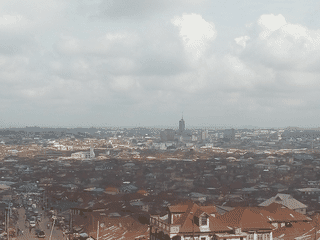

Ibadan
Africa · Nigeria
See also
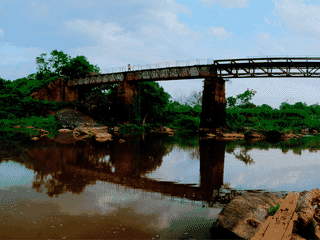

Abeokuta
Nigeria7.15°N 3.35°E · 66 m
Overview
Ibadan is the capital of Oyo State and one of Nigeria's largest cities, with a metropolitan population exceeding 4 million. Historically significant as a major city of the declining Oyo Empire, it offers colonial-era architecture, bustling markets, and proximity to Yoruba heritage sites.
Languages: English
Why go
Ibadan is the capital of Oyo State and one of Nigeria's largest cities, with a metropolitan population exceeding 4 million. Historically significant as a major city of the declining Oyo Empire, it offers colonial-era architecture, bustling markets, and proximity to Yoruba heritage sites. The city serves as an ideal base for exploring the Yoruba heartland, with better-developed facilities for foreigners than many neighboring cities.
Adapted from Wikivoyage contributors · CC BY-SA 4.0
Climate
Ibadan has a tropical wet and dry climate (Köppen Aw) with a lengthy wet season from March through October. Mean annual rainfall is approximately 1,230 mm over about 123 days. Average temperature is 26.5°C with humidity around 75%, making the cooler dry season (November-February) more comfortable for sightseeing.
Adapted from Wikivoyage contributors · CC BY-SA 4.0
Get in
Shared buses from Lagos cost from ₦2,000 and take 3-4 hours along the busy Lagos-Ibadan Expressway, arriving at the southern part of the city. Popular alighting point is IWO-ROAD. Regional buses connect from Abeokuta, Ile-Ife, Ogun, Ekiti, and Oyo. Night buses run north to Abuja, Kaduna, Sokoto, Katsina, and eastern Nigeria. Private taxis from Lagos cost USD 30-50.
Adapted from Wikivoyage contributors · CC BY-SA 4.0
Get around
Ibadan has an extensive network of minibuses and shared cars. A journey across the city costs around ₦100. Okadas (motorcycle taxis) are cheap and ubiquitous, though riders can be erratic. The city is large and spread out, so budget extra time for travel between districts.
Adapted from Wikivoyage contributors · CC BY-SA 4.0
Where to stay
Accommodation ranges from budget options near the University of Ibadan to mid-range hotels on Ring Road and the GRA (Government Reserved Area). Budget travelers can find basic rooms near Bodija Market from around ₦15,000-25,000. Mid-range hotels like Premier Hotel (₦25,000-80,000) and Kakanfo Inn (₦20,000-80,000) offer better facilities. Upscale options include Golden Tulip Ibadan (₦44,000) and Best Western Plus Ibadan (₦36,751-44,263).
Adapted from Wikivoyage contributors · CC BY-SA 4.0
Food and drink
Ibadan offers diverse dining from street food to international chains. Local dishes like amala, pounded yam, and rice with various soups are available at canteens like Ose Olorun (₦500) and Aroma Eatery (₦300). Chain restaurants include Chicken Republic (₦1,000), Mr Biggs (₦500), and Domino's Pizza (₦2,000). For nightlife, try Club Switch or Plat'num Nite Club (₦1,000 cover) on Ring Road.
Adapted from Wikivoyage contributors · CC BY-SA 4.0
Things to do
Key attractions include the National Museum of Unity with its collection of Yoruba art and Egungun costumes (off Dick Road, M-F 8AM-4PM). Cocoa House in Dugbe was Nigeria's first skyscraper and West Africa's first building over 20 floors (completed 1965). The University of Ibadan, Nigeria's oldest university (1948), features beautiful campus grounds with botanical and zoological gardens. Nature lovers can visit IITA's forest reserve with over 450 plant species and 272 bird species.
Adapted from Wikivoyage contributors · CC BY-SA 4.0
Safety
Standard urban precautions apply in Ibadan. The old quarter around Mapo Hall is not in the best neighbourhood; take care when visiting for views. Use registered taxi services rather than hitchhiking. Keep valuables secure in crowded markets like Bodija and Bere Bodija.
Adapted from Wikivoyage contributors · CC BY-SA 4.0
Day trips
The Ado Awaye Mountains and Suspended Lakes offer excellent hiking 110 km northwest of Ibadan, with 600 steps to climb and panoramic views of the Nigerian countryside. Old Oyo National Park is 57 km north (park office) with interesting rock formations, though wildlife has declined. Ideere Hills near Igbo Ora features caves, rock formations, and hiking trails.
Adapted from Wikivoyage contributors · CC BY-SA 4.0
Go next
Ibadan serves as a hub for the Yoruba heartland. Eruwa is 77 km northwest. Igbo Ora is 117 km northwest. Iwo is 30 km east. Oyo town (historic Oyo Empire capital) is 85 km east. Buses and shared cars connect to all these destinations.
Adapted from Wikivoyage contributors · CC BY-SA 4.0
Field guide adapted from Wikivoyage contributors · CC BY-SA 4.0. Text has been adapted and organized for this guide. About our sources.
Places to know
A few starting points from the guide. Check current hours and prices before you go.
- eat
Aroma Eatery
Aroma restaurant is a fast food and take away food a restaurant that has a conducive environment for eat out.
Recorded price: ₦300
Adapted from Wikivoyage contributors
- eat
Belifill Restaurant
Belifill Restaurant specializes on offering a wide range of Nigerian, African and continental delicacies.
Adapted from Wikivoyage contributors
- eat
Bitemore Moniya
Adapted from Wikivoyage contributors
- eat
Chicken Republic
Adapted from Wikivoyage contributors
- eat
Chronicles Restaurant & Karaoke Bar
Great place to eat, drink and relax.
Adapted from Wikivoyage contributors
- eat
Country Kitchen
Adapted from Wikivoyage contributors
- eat
Crystal House International Hotel.
Adapted from Wikivoyage contributors
- eat
Cuisine n Chops
Cuisine n Chops is a fast food outlet providing delicious delicacies, drinks and catering services.
Adapted from Wikivoyage contributors
Before you go
Connectivity
Major Nigerian mobile networks (MTN, Airtel, Glo, 9mobile) provide coverage in Ibadan. SIM cards are readily available. WiFi found in hotels and some restaurants but don't expect ubiquitous coverage.
Money
Nigeria uses the Nigerian Naira (₦). Cash is widely preferred for small purchases. ATMs are available but may have limits or be out of service. Cards accepted at larger hotels and some restaurants but always carry cash for markets and transport.
Safety
Normal urban safety precautions apply. Avoid显示穷小巷 at night. Use registered transport. Keep copies of documents. The city is generally welcoming to visitors.
Transport
Minibuses and shared cars (₦100 across city) are the cheapest way to get around. Okadas (motorcycle taxis) are faster but more hazardous. Ride-hailing apps may be limited. Inter-city buses depart from various terminals.
Weather
Visit November-February for drier, cooler weather. March-October brings heavy rains that can cause flooding. Average temperature 26.5°C year-round with high humidity.