.jpg)
Alishan
Taiwan23.52°N 120.80°E
64 places in the index.
23.52°N 120.80°E
23.97°N 121.61°E · 21 m
25.11°N 121.84°E

22.63°N 120.26°E · 9 m
22.00°N 120.81°E
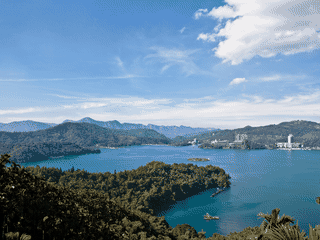
23.87°N 120.92°E · 748 m
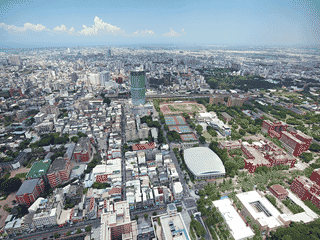
22.98°N 120.18°E · 1 m
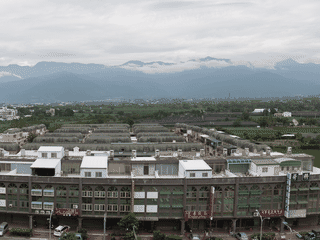
22.76°N 121.14°E · 37 m

24.17°N 121.33°E
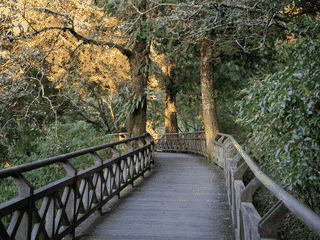
A mountain park reached through ancient cypress groves and Fenqihu, Alishan is built around forest railway journeys and sunrise over Yushan. Cool temperatures, misty trails, and highland tea make an overnight stay worthwhile.
Baisha is a rural township on Penghu's main island, offering a quieter alternative to the busier ports of Makung. The area features traditional temples, coastal villages, and serves as a gateway to surrounding islands via ferry connections from multiple wharves.
Atlas entry
Beigan (北竿; Běigān) is a small outlying island in the Matsu archipelago off Taiwan's west coast, directly facing mainland China across the Taiwan Strait. The island preserves a quieter, more rural atmosphere than its neighbor Nangan, with traditional stone houses, coastal temples, and Cold War-era military installations.
Atlas entry
Caotun (草屯) is the most populous urban township in Taiwan, serving as a practical base for exploring Nantou County's central mountains. The town preserves Qing dynasty heritage sites like Dengying Academy and a quiet old street of brick houses, offering a low-key alternative to more touristed destinations in Taiwan.
Atlas entry
Changbin is a quiet Amis township on Taiwan's Pacific coast, the northernmost settlement in Taitung County. With only 7,200 residents, it offers an authentic alternative to more touristed east coast destinations.
Atlas entry
Changhua is the county seat of Changhua County in central Taiwan, often bypassed by travelers heading between Taipei and Kaohsiung. The city rewards visitors with authentic local flavor: traditional temples, historic old streets, and famous street food like ba-wan (肉圓) that has been perfected here over generations.
Atlas entry
Chenggong is a quiet rural township on Taiwan's Pacific Coast offering access to the Amis indigenous culture and Japanese colonial-era sites. The town serves as a practical base for visiting Sanxiantai, one of Taiwan's most iconic coastal landscapes with its bridge to offshore islands.
Atlas entry
Chiayi City is a laid-back, friendly country town of around 270,000 people. It serves as the main access point for trips to the scenic mountain area of Alishan.
Atlas entry
Chishang is a small rural township in Taitung County that has become famous across Taiwan for its high-quality rice and the beloved boxed lunch (飯包). The area is characterized by flat, expansive rice paddies bordered by the Coastal Mountain Range, making it ideal for cycling along quiet country roads.
Atlas entry
Chupei (Zhubei) serves as the administrative capital of Hsinchu County, offering a blend of Hakka heritage and modern urban development. The city is known for its traditional temples, Hakka cultural sites like the New Tile House Hakka Cultural District, and easy access to both the Hsinchu HSR station and coastal beaches.
Atlas entry
Datong Township serves as the gateway to Taiwan's northern mountain forests and the Taipingshan scenic area, one of the country's three major forest recreation zones. The area appeals to nature lovers seeking hiking trails, hot springs, and indigenous cultural experiences away from urban centers.
Atlas entry
Donghe is a small Amis indigenous township on Taiwan's east coast, offering a quieter alternative to Taitung City. The area is known for surfing at nearby Dulan Beach, the atmospheric Dulan Hsintung Sugar Factory cultural park, and access to Dulan Mountain hiking trails.
Atlas entry
Dongyin is Taiwan's northernmost inhabited island, a remote frontier post with dramatic sea-carved landscapes and Cold War-era military infrastructure. The island offers a stark, windswept atmosphere unlike Taiwan's main tourist destinations: erosion-formed cliffs like Yixiantian ("Thread of Sky"), Suicide Cliff's tragic legend, and tunnel complexes like Andong Tunnel with 640 meters of underground passages, dormitories, and viewing platforms.
Atlas entry
Douliu (斗六) is the county seat of Yunlin County with a population of 108,000 (2022). While located in one of Taiwan's least touristy regions and not a destination in its own right, it serves as a useful transit hub between major attractions.
Atlas entry
Dounan (斗南鎮) is a small township in Yunlin County, Taiwan, serving as a local transit hub. The town holds historical significance as the former aboriginal settlement of Taliwu (他里霧), named after a branch of an indigenous tribe.
Atlas entry
Fengbin is a rural coastal township in Hualien County home to indigenous Taiwanese peoples including the Amis, Kavalan, and Sakizaya. The area offers dramatic Pacific coastline along Highway 11, geological wonders at Shitiping, and access to Taiwan's most popular rafting stretch on the Xiuguluan River.
Atlas entry
Green Island (Lüdao) is one of Taiwan's most remote island destinations, located off the coast of Taitung County. It offers one of only three saltwater hot springs in the world where rocks surround the pools, set alongside pristine coral reefs for diving and snorkeling.
Atlas entry
Guanzihling is one of only three places in the world with muddy hot springs, alongside Kagoshima, Japan and Vulcano, Italy. The dark, mineral-rich mud reputedly treats skin allergies and offers a uniquely therapeutic experience.
Atlas entry
Hsinchu is the oldest city in northern Taiwan with nearly 400 years of history, yet it is best known today as the island's technology capital. The Science-based Industrial Park (founded 1980) hosts TSMC, UMC, and AU Optronics, making Hsinchu the highest-earning city in Taiwan by average wage.
Atlas entry
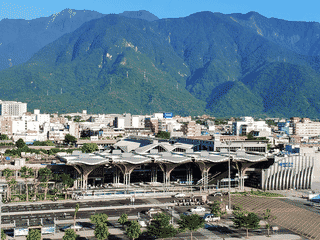
Hualien sits between the Pacific Ocean and the Central Mountain Range, serving as a base for Taroko Gorge. The city also rewards a stay with indigenous culture, night markets, stone sculpture art, and a relaxed east-coast atmosphere.
Huwei is a modest township in Yunlin County that offers a glimpse into Taiwan's industrial and cultural past. The town is best known for its sprawling sugar factory, one of the largest in Taiwan, which remains an active part of local industry.
Atlas entry
Jhushan (竹山), meaning "Bamboo Mountain," is a city of about 55,000 people in southwestern Nantou County, Taiwan. The city is known for its abundant bamboo shoots, sweet potatoes, and tea production.
Atlas entry
Jiaoxi is a scenic hot spring destination in northeastern Taiwan's Yilan County, famous for its ground-level thermal springs that emerge naturally throughout town. The completion of the Hsuehshan tunnel has made Jiaoxi easily accessible from Taipei, transforming it into a popular weekend getaway.
Atlas entry
Jibei (吉貝) is a small island 5.5 km off the coast of Penghu main island, covering just 3.05 km². It's known for its traditional stone tidal weirs (石滬), pristine beaches on a long peninsula, and a surprising go-kart track near the main wharf.
Atlas entry
Jiji is a charming small railway town in Nantou County that flourished during the Japanese colonial era. The historic narrow-gauge Jiji Line, built in the early 20th century, remains a draw for train enthusiasts and offers a nostalgic way to explore the area.
Atlas entry
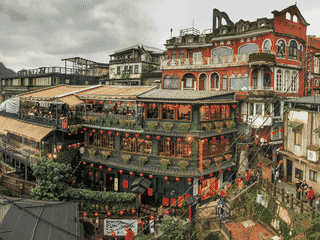
Jiufen is a preserved gold-mining village in Taiwan's northeast hills, known for lantern-lined lanes, tea houses, and taro-ball desserts. Its atmospheric alleys and Pacific panoramas make a compact half-day visit with a strong sense of mining history.
Jyuguang is a remote island township in the Matsu archipelago, offering a glimpse into Taiwan's front-line military history and quiet coastal life. The township spans two main islands, Dongju (East Ju) and Xiju (West Ju), connected by a short ferry.
Atlas entry
Kaohsiung is a relaxed southern Taiwan metropolis with beautified waterfronts along the Love River. Its wider streets, lighter traffic, and lower prices create an easygoing base for exploring southern Taiwan.
Keelung is a working port city that offers a grittier, more authentic alternative to polished Taipei. Its Miaokou Night Market is famous across Taiwan for food variety, and the surrounding hills hold a cluster of historic forts from the Qing Dynasty and Sino-French War.
Atlas entry
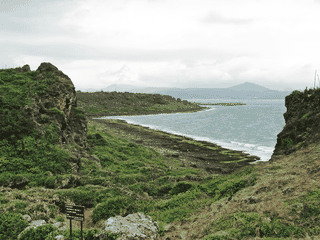
Kenting National Park combines southern Taiwan beaches, coastal cliffs, tropical forests, and dramatic geological landscapes. It suits travelers seeking surfing, forest walks, fresh seafood, and a relatively local beach-town atmosphere.
Kinmen is a unique frontier destination where military history meets traditional Minnan architecture on islands just kilometers from mainland China. The county offers museums, restored historic houses, and the famous Wind Lion God statues scattered across rural villages.
Atlas entry
Luodong is a practical transit hub rather than a destination in itself. The city serves as the main interchange for exploring Yilan County, with its train station and bus terminal providing easy connections.
Atlas entry
Makung (Magong) is the only city on Taiwan's Penghu archipelago and serves as the main gateway for exploring the scattered islands. The city preserves Ming Dynasty heritage including Taiwan's oldest temple at Mazu Temple and historic streets mixing Western and Fujianese architecture.
Atlas entry
Matsu Islands are a remote National Scenic Area off China's Fujian coast, administered by the Republic of China and forming the front lines between ROC and PRC. The islands offer unique Cold War history, traditional Fujian-style architecture distinct from Taiwan proper, and the famous Blue Tears bioluminescent algae bloom from April to July.
Atlas entry
Miaoli is the main center of Hakka culture in Taiwan, offering a distinct culinary and linguistic experience unlike the rest of the island. The compact city provides easy access to Hakka heritage sites, local temples, and historic railway attractions without the crowds of major tourist destinations.
Atlas entry
Nanao (南澳; Nán'ào) is a small rural township in Yilan County with a significant Atayal aboriginal population. It serves as the eastern gateway to Taroko Gorge and offers hot springs, waterfalls, and a slower pace of life compared to Taiwan's major cities.
Atlas entry
Nangan is the largest and primary island of the Matsu archipelago, serving as the main entry point for visitors. The island sits just miles from mainland China, creating a unique frontier atmosphere with a heavy military presence.
Atlas entry
Nantou City is the administrative center of Nantou County in central Taiwan, serving primarily as a transit hub for travelers heading to Sun Moon Lake. The city itself offers traditional temples like Bishan Temple (dating to 1752), academic sites like Lantian Academy, and a lively Wednesday night market around Carrefour.
Atlas entry
Orchid Island (Lanyu) is a volcanic island in Taitung County, Taiwan, home to about 5,000 Tao (formerly Yami) people—an indigenous group culturally closer to northern Philippines than to Han Chinese. The island offers traditional underground houses (yamin), unique rock formations like Jimavonot (Torch Rock), a crater lake (Datienchih), and small local museums showcasing the annual Flying Fish Festival.
Atlas entry
Pingtung is not a main tourist destination but offers a genuine slice of southern Taiwanese life with friendly locals, robust night markets, bright neon lights, and numerous Buddhist temples. The city has palm-lined streets and Zhongshan park in the center with a soccer field, pond, fountains, and playground.
Atlas entry
Puli is a midsize town at the geographic centre of Taiwan, serving as a practical base for visiting Sun Moon Lake and the mountain ranges of central Taiwan. The town is famous for its exceptionally pure mineral water, which inspired local specialties including water bamboo, Shaoxing wine, and handcrafted paper.
Atlas entry
Ruisui is a quiet rural township in southern Hualien County that serves as an off-the-beaten-path destination for travelers seeking Taiwan's natural hot springs and adventure activities. The township is famous for Ruisui Hot Springs, where alkaline sodium carbonate waters attract visitors seeking relaxation and detoxification benefits.
Atlas entry
Shei-pa National Park (雪霸國家公園) is Taiwan's fifth national park, established in 1992 at the border of Hsinchu, Miaoli, and Taichung Counties. The park encompasses magnificent mountain ranges, creek valleys, and rare animals and plants, making it ideal for nature lovers and serious trekkers seeking to climb Taiwan's Top 100 Mountains.
Atlas entry
Shuili (水里) is a township of approximately 20,000 residents spread over 107 km² in central Taiwan. The town serves as a practical base for exploring Sun Moon Lake and the hydroelectric installations along the Shuili River.
Atlas entry
South Penghu Marine National Park is Taiwan's only marine national park in the Penghu archipelago, offering pristine volcanic islands with striking basalt formations, clear waters for snorkeling and stand-up paddleboarding, and WWII-era Japanese military installations. The four main islands—Dongjiyu, Xijiyu, Dongyupingyu, and Xiyupingyu—are largely undeveloped, providing an authentic remote island experience far from Taiwan's urban centers.
Atlas entry
Suao (蘇澳) is a small coastal city in Ilan County famous for its cold springs and fresh seafood. Unlike Taiwan's more developed tourist destinations, Suao remains largely unfrequented by western tourists, offering a more authentic local experience.
Atlas entry
Set 760 metres above sea level amid a mountain backdrop, the lake is a peaceful base for cycling and boat trips. Ita Thao village, temples, and the Thao people's living culture add depth to a slower escape from Taiwan's major cities.
Taichung is Taiwan's second-largest city with 2.8 million residents, offering a compelling alternative to the capital without the crowds or costs of Taipei. The city combines manufacturing heritage with rapidly growing cultural offerings, including a world-class science museum and renowned night markets.
Atlas entry
Tainan layers Dutch forts, Qing temples, and Japanese buildings with a famously snack-focused food scene. A compact old center makes it easy to combine historic sites, night markets, and local noodles on foot.
A slower, cheaper counterweight to major Asian capitals, Taipei blends tea houses, night markets, galleries, and historic landmarks with modern districts. Its MRT and rail links make city neighborhoods and mountain escapes easy to combine.
A relaxed East Rift Valley city between mountains and ocean, Taitung combines quiet fields with Japanese-era houses and Indigenous communities. Its artistic atmosphere, bike loop, markets, and nearby islands reward a slower stay.
Taoyuan City is Northern Taiwan's second most populated municipality, best known as the home of Taiwan Taoyuan International Airport. While primarily industrial, it offers a practical alternative to expensive Taipei hotels for overnight stopovers.
Atlas entry
A 19-km rocky canyon surrounds a blue-green river and tree-lined hiking routes, from easy walks to strenuous trails. Staying overnight in Tianxiang or Xincheng can help hikers start earlier and beat crowds.
Toucheng is a quiet coastal township in northern Yilan County, offering a slower pace than nearby Luodong or Jiaoxi. The area is known for its surfing beaches at Da-xi Honeymoon Bay, historic Qing-dynasty architecture along Heping Street, and access to Guishan Island offshore.
Atlas entry
Tuku (土庫鎮) is a small agricultural township of 29,000 people in Yunlin County, Taiwan. It produces about 80% of Taiwan's garlic and is known for its honey industry.
Atlas entry
Wangan Township is one of the smallest and most rural townships in Penghu County, comprising 18 islands with only six inhabited. The area is known for its sea turtle nesting grounds, making the Wangan Green Turtle Tourism and Conservation Center a key attraction.
Atlas entry
Wulai is a small Atayal aboriginal town nestled in the mountains of New Taipei, famous for its natural hot springs and stunning 80-m-high waterfall. The name derives from the Atayal phrase kirofu ulai meaning "hot and poisonous," though visitors have nothing to fear from this lovely destination.
Atlas entry
Xiluo (西螺鎮) is a township in Yunlin County that offers a glimpse into traditional Taiwanese rural life. The town was originally called Sailei by the native Babuza people before being translated from Hokkien to Mandarin as Xiluo.
Atlas entry
Xiyu Township (Xiyu Xiang) is a rural, less-developed part of Penghu County that rewards visitors with 19th-century forts, dozens of Wang-Yeh temples, and spectacular columnar basalt formations. The island's western position offers good sunset views, and the area feels authentically local compared to Magong.
Atlas entry
Yangmingshan is Taipei's closest highland escape: volcanic fumaroles at Xiaoyoukeng, free public hot springs at Lengshuikeng, and spring azalea displays at Yangming Park. The park's tallest peak, Mount Qixing (Seven Star Mountain), reaches 1,120 m and is the highest point in Taipei City.
Atlas entry
Yilan is a coastal city on Taiwan's east coast, historically isolated by mountains from the west and facing the Pacific Ocean. The area preserves local traditions, dialects, and performing arts, including Taiwanese opera (gezaixi), which remains central to Yilan's cultural identity.
Atlas entry
Yuli is a quiet farming township in the Huatung Valley flanked by mountains on two sides. It serves as a gateway to Yushan National Park and offers access to the historic Walami hiking trail, nearby hot springs, and waterfalls without the tourist crowds of larger Taiwanese cities.
Atlas entry
Yushan (Jade Mountain) is Taiwan's highest peak at 3,952 meters and has been claimed as the tallest mountain in East Asia depending on how one defines the region. The mountain draws climbers from all over Taiwan and the world, attracted by its panoramic views, overlapping mountain ranges, deep plunging valleys, and the famous 'sea of clouds' (yúnhǎi) that fills the valleys below.
Atlas entry
Zhunan (竹南) is a coastal township in Miaoli County where Taiwan's mountain and coastal train lines intersect. The name means 'bamboo south' — short for Hsinchu — placing it strategically south of the tech hub.
Atlas entry
In development: the whole atlas offline, a trip planner and a private journal. We'll post here when it ships. No newsletter to join.


.jpg)

