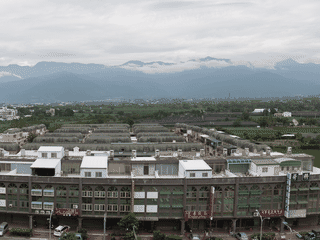

Taitung
East Asia · Taiwan
Did you know?
- The prehistory museum displays 1,500 stone coffins and 20,000-plus artifacts.
- Bombing of Master Han Dan arrives on the 15th day of the first lunar month.
- The city bikeway makes a 32-km loop through parks and along the river.
See also
Overview
A relaxed East Rift Valley city between mountains and ocean, Taitung combines quiet fields with Japanese-era houses and Indigenous communities. Its artistic atmosphere, bike loop, markets, and nearby islands reward a slower stay.
Languages: Chinese
Why Go
Taitung offers a refreshing counterpoint to Taiwan's busier cities. The city sits on a plain between mountains and ocean at the southern mouth of the East Rift Valley, giving it spectacular scenery and a cooling ocean breeze that makes this tropical destination surprisingly comfortable. Its economy has lagged behind Taiwan's major cities, which has preserved authentic neighborhoods of Japanese-era houses, single-story Chinese-style dwellings, and aboriginal communities with their own celebrations. The result is a genuinely artistic, relaxed atmosphere surrounded by miles of quiet rice fields and orchards.
Adapted from Wikivoyage contributors · CC BY-SA 4.0
Getting In
Taitung station (台東車站) is the main train hub on the South Link line. The station is a walk from downtown but a mini-bus to the right as you exit will take you to Taitung Bus Station in the centre. The bus ride appears free with an EasyCard if you've just used it for the train. Taitung Airport (臺東機場) on Minhang Rd is within walking distance southeast of Kangle Station, open 07:00 until last flight departure. Fugang Fishery Harbor (富岡漁港) on Fugang Street serves as the gateway to offshore islands including Orchid Island and Green Island, operating 08:00-17:00.
Adapted from Wikivoyage contributors · CC BY-SA 4.0
Getting Around
The Taitung City Bikeway offers a 32-km loop around the city, following the old train track out to near the new station before returning along the river through Forest and Seashore Parks. Bicycles can be rented at the beach and at Forest Park entrances. Walking is pleasant in the compact downtown area where fruit night markets, Zhonghua Road Section 1, and Jhongjheng Road offer dense options.
Adapted from Wikivoyage contributors · CC BY-SA 4.0
When to Go
Taitung hosts unique cultural festivals worth timing a visit around. The Bombing of Master Han Dan occurs on the 15th day of the first lunar month (right after Chinese New Year), where a performer on a sedan chair is targeted with lit firecrackers - a spectacle unique to Taitung. Every mid-July, several aboriginal groups celebrate the millet harvest with colorful dancing; the Amis celebrations are particularly significant. Tianhou Temple draws crowds on Mazu's birthday (23rd day of the 3rd lunar month, generally April or May).
Adapted from Wikivoyage contributors · CC BY-SA 4.0
Where to Stay
Budget travelers have several hostel options in central Taitung. La Pace Hostel (欲望旅人) on Zhongshan Rd offers dorms for NT$1499, about a 10-minute walk from Taitung Bus Terminal. Hostel Who Knows (遊民公社) on Zhonghua Rd provides dorms from NT$500 with A/C and free WiFi, a 5-minute walk from the old central train station - though it may close early, so calling ahead is advised. Machiya Posong (寶桑町屋) on Baosang Rd offers double rooms at NT$1888. Most accommodations apply a 10-30% surcharge on weekends and holidays, with Chinese New Year rates potentially doubling. Camping is available at a small observation tower between Forest Park and the beach for NT$20-30.
Adapted from Wikivoyage contributors · CC BY-SA 4.0
Food and Drink
Taitung's food scene reflects its multicultural population. The area grows sugar-apples (釋迦 shìjiā), a sweet local fruit worth trying. Jhongjheng Road is known for its concentration of goat meat restaurants. Several aboriginal restaurants serve indigenous cuisine - Mibanai (米巴奈) on Chuanguang Rd offers Amis food in the Malan section, while Yun Jhan (雲棧) on Sing'an Rd provides Puyuma cuisine with dance performances. For casual dining, Seaweed Deli Dessert (海草手作) on Jhengci Rd serves noodle dishes and dumplings for NT$70-180. The night market near the beach, starting on Zhonghua Road Section 1 and continuing to Jhongjheng Road, offers street food variety. Taitung County produces coffee beans, so local coffee is available at cafes like Denim Elephant on Jhongjheng Rd and the artsy cheela cafe on Sinsheng Rd, conveniently located on the bikeway.
Adapted from Wikivoyage contributors · CC BY-SA 4.0
Things to Do
The National Museum of Prehistory (國立臺灣史前文化博物館) displays over 1,500 stone coffins and 20,000+ artifacts from the Peinan culture, with admission at NT$100 for the main museum and NT$30 for the Peinan cultural park. Adjacent Beinan Cultural Park contains Taiwan's largest prehistoric archaeological site with free admission (NT$30 for visitor center), offering panoramic views and Chinese-language tours at 10:00 and 15:00. Liyushan Park (鯉魚山公園) near the old train station provides trails and lookouts with panoramic city views. Taitung Seashore Park and Forest Park offer miles of cycling and walking trails along an undeveloped seashore; bicycles rent at several beach locations, with a small observation tower charging NT$20-30. The Taitung Railway Art Village on Tiehua Rd at the old station showcases local artists in converted railway buildings.
Adapted from Wikivoyage contributors · CC BY-SA 4.0
Buy
Ata Aboriginal Culture Craft (東台灣卡塔文化) on Jhongsing Rd operates from a defunct sugar factory, selling aboriginal handicrafts including textiles, leather work, and handmade glass beads with on-site bead-making demonstrations, open 10:00-17:00 closed Monday. The 陈記 'Mochi' shop on Boai Rd has sold glutinous rice desserts since the 1940s and remains popular with Taiwanese tourists, operating 07:00-18:00. Carrefour on Jhengci Rd near the fruit market provides the best selection of imported foods in town. Eslite Bookstore on Boai Rd is Taitung's largest bookstore.
Adapted from Wikivoyage contributors · CC BY-SA 4.0
Safety
Taitung is considered one of the safest places in Taiwan. Standard precautions apply: be careful navigating traffic, and avoid confrontations in bars. A practical consideration is that very few residents speak even basic English - most expect visitors to speak Chinese, and many only speak Taiwanese Hokkien. Carrying a phrasebook or translation app is helpful.
Adapted from Wikivoyage contributors · CC BY-SA 4.0
Connectivity
The iTaiwan Wi-Fi network is available virtually everywhere in Taitung, making internet access convenient for travelers. For mobile data, standard Taiwanese SIM cards from major providers work throughout the city and along major tourist routes. Power plugs use the standard Taiwanese Type A/B sockets (two-pin flat or two-pin perpendicular), matching US/Japanese standards.
Adapted from Wikivoyage contributors · CC BY-SA 4.0
Go Next
Zhiben (知本), accessible by train to Zhiben station, is popular for its hot springs. Luye, north in the Inner Rift Valley, offers tea plantations and is especially known for paragliding, with easier cycling options for less adventurous visitors. Donghe, on the coast north of Taitung, has an abandoned sugar factory now hosting an artist community with a cafe and gift shop; secluded beaches here offer surfing for those with their own boards. Siaoyeliou, just a couple kilometers north, features the most beautiful rock formations on the southern coast with good snorkeling in the surrounding waters. By train, several services daily run to Kaohsiung and Tainan (about 3 hours, NT$500) and to Hualien and Taipei (about 3 hours, NT$400) - advance booking is advisable for weekends. A scenic commuter train runs to Fangliao for access to Kenting National Park in Pingtung County.
Adapted from Wikivoyage contributors · CC BY-SA 4.0
Field guide adapted from Wikivoyage contributors · CC BY-SA 4.0. Text has been adapted and organized for this guide. About our sources.
Places to know
A few starting points from the guide. Check current hours and prices before you go.
- sleep
Hostel Who Knows
Friendly hostel, clean dorms with A/C. Free Wi-Fi in the lobby. The hostel is not always open (e.g., it may be closed at 4PM when you want to check in) so it is advised to call them first.
Recorded price: From NT$500
Adapted from Wikivoyage contributors
- sleep
La Pace Hostel
A small and homey place for budget stay.
Recorded price: Dorm: NT$1499
Adapted from Wikivoyage contributors
- sleep
Machiya Posong
Recorded price: Double room: NT$1888
Adapted from Wikivoyage contributors
- sleep
Naruwan Hotel
This is five-star hotel for those with a large budget and an appreciation for amenities. It offers all the things a hotel of its stature should including spa and free gym.
Recorded price: From NT$9,020
Adapted from Wikivoyage contributors
- sleep
Vacation Hotel
Adapted from Wikivoyage contributors
- eat
Mibanai
This Amis restaurant located in the Malan section of town provides a taste of aboriginal food not too far from the center of the city. It is set up groups so once again bring friends or family.
Adapted from Wikivoyage contributors
- eat
Mutton Barbecue
Proper goat, grilled, fried, as you want it. Highly recommended.
Adapted from Wikivoyage contributors
- eat
Seaweed Deli Dessert
A very popular and excellent quality noodle house; Offering a variety of fresh, healthy noodle dishes and dumplings in a friendly and clean environment.
Recorded price: NT$70-180
Adapted from Wikivoyage contributors
Before you go
Accommodation
Weekend surcharges of 10-30% are standard; Chinese New Year can double prices. Budget hostels available; camping possible at Forest Park.
Culture
City blends indigenous, Hakka, Hoklo, and Japanese influences. Aboriginal communities maintain distinct traditions and celebrations.
Language
Mandarin is official; Taiwanese Hokkien is commonly spoken. Very limited English outside tourist establishments.
Money
Taiwan Dollar (NT$) is the local currency. Most establishments accept credit cards but smaller markets and street vendors prefer cash. ATMs are widely available downtown.
Safety
Taitung is very safe by Taiwanese standards. Traffic requires caution. Few English speakers - bring translation resources.
Transport
Taitung Airport serves flights; Taitung station connects to the South Link rail line. Local bus and bike rental are main transport options.
Weather
Tropical climate moderated by ocean breeze. Best visited spring or fall to avoid summer heat and typhoon season.