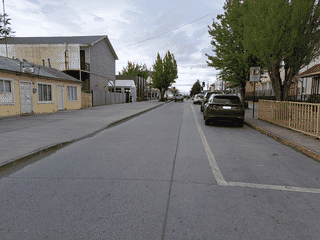

Puerto Natales
Chile51.73°S 72.52°W · 3 m
50 places in the index.
51.73°S 72.52°W · 3 m
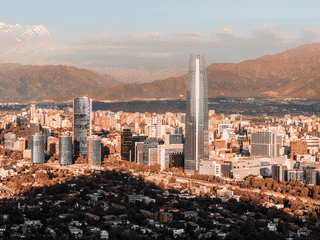
33.44°S 70.65°W · 575 m
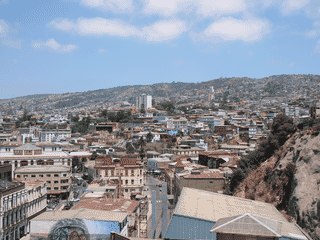
33.05°S 71.62°W · 21 m
Achao is a small coastal town on Quinchao island with a historic wooden chapel, affordable crafts, and a folklore festival.
Atlas entry
Altos de Lircay National Reserve is a 121-km² protected area in the Andean mountain skirts of San Clemente (Vilches Alto) that offers one of Chile's most affordable options for nature-based activities. Created in 1996, the reserve features Mediterranean climate, rich biodiversity including pumas, condors, and ancient Pehuenche cultural sites, and attracts visitors seeking hiking, horseback riding, and mountain biking away from crowded tourist destinations.
Atlas entry
Ancud is the first town most visitors encounter when arriving on Chiloé Island from Puerto Montt. The 41,000-person town serves as a convenient gateway and transit hub for exploring the archipelago.
Atlas entry
Antofagasta is an industrial city in Northern Chile known as the 'Pearl of the North.' While it may be the least pleasant city in the north, a refurbished seafront has made it more attractive for tourists. It serves as a convenient stopover for travelers heading to San Pedro de Atacama and those traveling between the far north and central Chile.
Atlas entry
Arica is a relaxed seaside resort town of 223,000 people in Northern Chile, consistently sunny with mild weather year-round. Known as the "city of the eternal spring," it offers good beaches, surfing, and a calm atmosphere without the chaos of larger cities.
Atlas entry
This is destination for real adventurers seeking remote wilderness experiences at the end of the world. The park offers access to the Southern Hemisphere's largest glacier (Pío XI), pristine fjord landscapes, and opportunities to see whales, dolphins, and seals from the ferry.
Atlas entry
Calama is a working mining city and gateway to the Atacama region. Plaza 23 de Mayo and the cathedral offer a brief city stop between desert journeys.
Caldera is a historic coastal town of 16,000 people that served as Chile's first railway port, connected to the mining district centered on Copiapó. The town offers a pleasant main square (Plaza Condell), atmospheric 19th-century architecture, and easy access to the spectacular white-sand beach at Bahía Inglesa just 6 km away.
Atlas entry
Castro's colorful wooden palafitos stand on stilts along the waterfront. The town is a base for exploring Chiloé's churches, nature reserves and nearby islands.
Chaitén serves as the main transportation hub on the Carretera Austral, connecting travelers to ferry services for Chiloé Island and Puerto Montt. The town itself is slowly rebuilding after the catastrophic 2008 volcanic eruption that destroyed much of the city, creating a unique atmosphere where abandoned houses stand alongside functioning businesses.
Atlas entry
Chillán is the capital of the Region of Ñuble in Southern Chile and serves as a popular destination for skiing and hot spring bathing in the nearby Andes Mountains. The city of 175,000 people (2012) is an important transportation hub for surrounding agricultural districts.
Atlas entry
Concepción is a base for coastal outings to Dichato and Lenga. Seafood empanadas and mariscal caliente are among the dishes to seek out in Lenga.
Copiapó is a historic mining town of 150,000 people in Northern Chile, often bypassed by travelers rushing between destinations. Those who stop find a pleasant town surrounded by beautiful hills and vineyards at the southern edge of the Atacama Desert.
Atlas entry
Coquimbo is a working port city of 257,000 people on Chile's northern coast, sitting on a triangular peninsula with the old sector extending east. While first impressions may be a jumble of concrete, the city is an active industrial and fishing port with a reportedly growing nightlife scene concentrated in the English Quarter.
Atlas entry
Coyhaique is the main city in Northern Chilean Patagonia with 55,000 residents (2012), serving as the essential gateway for travelers heading north or south along the Carretera Austral. The handsome city sits surrounded by dramatic mountain ridges and offers access to some of Chile's most beautiful and unspoiled landscapes without the crowds found further south.
Atlas entry
Curacautín is a small town of 16,500 people serving as the gateway to some of Southern Chile's most dramatic volcanic landscapes. The area is known for its natural environment, with Conguillío and Tolhuaca National Parks nearby, plus Malleco and Malalcahuello-Nalcas National Reserves.
Atlas entry
Easter Island is one of the most isolated islands on Earth, a territory of Chile far in the Pacific. It is most famous for its enigmatic giant stone statues or moai, carved centuries ago, reflecting the rise and fall of a unique Polynesian culture.
Atlas entry
El Colorado is a ski resort hamlet located about 40 km outside Santiago in Central Chile, offering direct access to ski slopes without the need to stay in the capital. The resort features equipment rental, ski and snowboard schools, and several restaurants at the base and on the mountain.
Atlas entry
Frutillar is a German-heritage town on the shores of Lake Llanquihue, founded in 1856 by German immigrants. The town is known as the "City of Music" and is part of the UNESCO Creative Cities Network.
Atlas entry
Futaleufú (locally called 'Futa') is a remote frontier town in Northern Chilean Patagonia, 10 km from the Argentinian border. It has become a growing adventure tourism hub specializing in whitewater rafting, fishing, mountain biking, hiking, and canyoning.
Atlas entry
Iquique is a free port and duty-free shopping destination in Northern Chile, best known for the Zofri zone and high-rise beach hotels. The city grew during the 19th-century saltpetre mining boom, leaving behind a historic center with Victorian and Georgian architecture grouped by national colonies (Spanish, Croatian, Chinese).
Atlas entry
La Serena combines a neocolonial center, small plazas and stone churches with a long coastal beach strip. University life gives the city a different rhythm outside the summer holiday season.
Lauca National Park offers one of South America's most dramatic high-altitude landscapes, with volcanic peaks exceeding 6,000 meters framing emerald Lake Chungará at 4,520 meters. Wildlife enthusiasts spot vicuñas, viscachas, flamingos, and occasionally condors against a backdrop of alpine tundra and wetlands.
Atlas entry
Los Andes is a tranquil town of 67,000 people in the fertile Aconcagua valley, about 80 km north of Santiago. Beautiful snow-capped nevados dot the horizon and the surrounding vineyards make for scenic day trips.
Atlas entry
Pichilemu is Chile's 1 surfing destination, where the Pacific Ocean delivers consistent waves at spots like Punta de Lobos and Puntilla. It's a crossbreed of a sleepy fishing village and an international surf town—the beaches are big and easily accessible, the people are friendly, and prices are reasonable compared to Santiago.
Atlas entry
Pisco Elqui draws travelers to the heart of Chile's pisco country, where family distilleries have produced this grape brandy for generations. The town sits in Valle de Elqui, a valley flanked by mountains ideal for daytime hiking and clear-sky stargazing at night.
Atlas entry
Pucón is a base for volcano outings, rafting and hot springs. Huerquehue National Park adds forest trekking to the surrounding adventures.
Puerto Montt serves as the main gateway to Chilean Northern Patagonia and the Chiloé Archipelago. Founded in 1853 during German colonization, the city blends Chiloé culture with European heritage in a dramatic setting of ocean views and Andean peaks.
Atlas entry
Puerto Natales is a practical base for trips into Torres del Paine and Bernardo O'Higgins national parks. Gear shops and supermarkets make it a convenient place to prepare for trekking.
Puerto Rio Tranquilo is a small tourist town on the Carretera Austral in Chilean Patagonia. Its fame comes from the Marble Caves (Cuevas de Mármol) on Lake General Carrera, the largest lake in Chile.
Atlas entry
Puerto Varas sits on Lake Llanquihue with views toward Osorno and Calbuco. German settler heritage appears in its church architecture and baking traditions.
Puerto Williams is one of the southernmost inhabited settlements on Earth, often called the 'real end of the world' by globetrotters seeking raw, untamed nature over tourist crowds. The city sits on Navarino Island along the Beagle Canal, offering dramatic mountain views, dense rainforests, glaciers, and diverse trekking opportunities that draw nature-lovers and adventure hikers alike.
Atlas entry
Punta Arenas is a Patagonian port with grand mansions from its maritime and sheep-ranching past. The city also serves as a departure point for journeys farther south.
Putre is a small high-altitude village at 3,500 m (11,483 ft) that serves as the main gateway and acclimatization point for visitors to Lauca National Park. The town sits in the shadow of the Taapaca volcanic complex and offers colonial architecture, alpaca wool shopping, and access to thermal hot springs.
Atlas entry
Quellón is a working fishing town of 24,000 people at the southern end of Chiloé Island, serving as a transportation hub for the area. While not a major tourist destination in itself, it offers a unique claim to fame: the southern terminus of Chile's Ruta 5 (Panamericana), marked with a plaque and monument at Punta de Lapas.
Atlas entry
Queulat National Park is a remote Patagonian wilderness where hanging glaciers cascade into temperate rainforest and deep fjords cut through coastal mountains. The park's signature sight is the Ventisquero Colgante (Hanging Glacier), a dramatic mass of ice that appears to float above the valley floor.
Atlas entry
Rancagua is the capital of Chile's O'Higgins Region, sitting on the Cachapoal River about 85 km south of Santiago. The city serves as a gateway to the famous Chilean Wine Route in the Colchagua Valley, with vineyards like Anakena Wines just 20 minutes south.
Atlas entry
Reñaca is the youth center of the Viña del Mar commune and Valparaíso, drawing crowds of young people and tourists, especially from Argentina and Santiago, during the summer months of January and February. The town is famous for its energetic nightlife scene along Avenida Borgoño, with numerous bars, discos, and restaurants catering to the party crowd.
Atlas entry
San Pedro de Atacama is compact enough to explore on foot. Nearby outings include Valle de la Luna, Valle de Marte and Pukará de Quitor.
Santiago sits in Chile's central valley between the Andes and the Coastal Range. The mountain-framed setting gives this growing metropolis a distinctive backdrop.
Talca offers access to Maule Valley wine routes and hiking into the Andes. Its local streets and calmer pace reward a stop between larger destinations.
Temuco is a transport base for Araucanía's lakes, valleys and volcanic parks. Pucón, Villarrica and Conguillío are natural onward destinations.
Granite towers rise above glacial lakes in Torres del Paine. The W Trek and O Circuit draw hikers into a landscape of glaciers and condors.
Valdivia has earned its nicknames 'Pearl of the South' and 'Beer Capital of Chile' through a winning combination of public spaces, German-influenced architecture, and Chile's best craft beer scene. The walkable city center clusters around the Calle Calle river where sea lions and pelicans gather at the riverside fish market — one of South America's most memorable urban wildlife encounters.
Atlas entry
Valle Nevado is Chile's largest ski resort, offering 900 hectares of skiable terrain in the Andes mountains just 46 km from Santiago. The resort provides a vertical drop exceeding 2 km from its 5430-meter peak to the 3000-meter base, making it a premier destination for serious skiers and snowboarders seeking high-altitude alpine experiences.
Atlas entry
Valparaíso spreads colorful houses and historic ascensores over steep hills above a working Pacific port. Maritime history and a bohemian culture shape its streets and viewpoints.
Vicuña is the largest town in Valle de Elqui, with 25,000 residents, serving as Chile's pisco capital. The valley experiences approximately 300 totally clear days and nights annually, making it a premier destination for astronomical tourism.
Atlas entry
Villa O'Higgins is a tiny frontier town of 600 people at the southern terminus of the Carretera Austral, serving as the gateway to Lake O'Higgins and Campo Hielo del Sur glaciers. It is the only border crossing point between Chile and Argentina in this remote stretch of Patagonia, making it essential for through-travelers and adventure seekers.
Atlas entry
Villarrica combines wooden houses and European settler heritage with a working regional-town atmosphere. The surrounding area offers volcano outings, national parks and hot springs.
Viña del Mar offers waterfront walks and a flower clock set into planted beds. Nearby Valparaíso makes an easy day trip from this coastal base.
In development: the whole atlas offline, a trip planner and a private journal. We'll post here when it ships. No newsletter to join.
.jpg)
